

The ROI Mindset for Small Teams
For small to mid-sized businesses, every marketing dollar must work hard. This isn’t about simply cutting costs; it’s about ensuring your investment generates tangible returns. You’re operating with limited budgets and headcount, meaning your focus needs to be on impact, not just activity. The goal is to make smart trade-offs, directing resources to where they’ll move the needle most effectively.
This guide will equip you with a pragmatic framework to prioritize your marketing spend, set up essential tracking, and make data-driven decisions that genuinely improve your bottom line, even with imperfect execution.
Prioritizing Your Marketing Spend
When resources are tight, prioritization is non-negotiable. You need to identify what will deliver the quickest, most measurable impact and build from there.
- What to do first: Focus on understanding your Customer Acquisition Cost (CAC) and Customer Lifetime Value (LTV). These metrics are foundational. Invest in channels that offer clear, direct attribution and a proven path to conversion, such as paid search for immediate lead generation or email marketing for nurturing and retention. Ensure your basic analytics setup, like Google Analytics 4 (GA4), is correctly implemented to capture essential website behavior and conversions.
- What to delay: Hold off on highly experimental channels without clear attribution models or large-scale brand awareness campaigns that lack direct conversion paths. While these have their place, they often require significant investment and a longer time horizon for ROI, which most SMBs can’t afford upfront. Similarly, complex CRM integrations can wait until your basic lead capture and tracking are robust.
- What to avoid: Steer clear of “shiny object syndrome.” Don’t chase every new social media platform or marketing trend without first validating its potential fit for your audience and its ability to deliver measurable results. Spending without clear Key Performance Indicators (KPIs) is a common pitfall; if you can’t define success, you can’t measure it.
While the drive for immediate lead generation is understandable, an overemphasis can inadvertently create a hidden cost downstream. Focusing solely on lead volume without sufficient qualification criteria often floods sales teams with unqualified prospects. This isn’t just inefficient; it’s a significant drain on sales resources, leading to frustration and a lower actual conversion rate for the business, despite what initial marketing metrics might suggest. The ‘quickest impact’ can sometimes just shift the bottleneck.
Furthermore, having a correctly implemented analytics setup is only the first step. The real challenge, and a common failure point for lean teams, lies in consistently *interpreting* that data and translating insights into actionable changes. It’s easy to get caught up in reporting numbers without truly understanding what they mean for your strategy, or lacking the bandwidth to implement necessary adjustments. Data without action is just noise, and the effort put into tracking becomes a sunk cost if it doesn’t inform better decisions.
This pressure for immediate, measurable results can also lead to a critical non-obvious failure mode: prematurely abandoning effective strategies. A channel or tactic might require a longer ramp-up period to mature and show its true ROI. However, internal pressure or a lack of patience often forces a pivot before the strategy has a chance to prove itself. This cycle of starting and stopping, driven by the need for quick wins, wastes resources and prevents any single approach from reaching its full potential, creating a constant sense of ‘churn’ without sustained progress.
Essential Performance Tracking for ROI
Effective budget optimization hinges on robust performance tracking. You need to know what’s working and what isn’t, quickly.
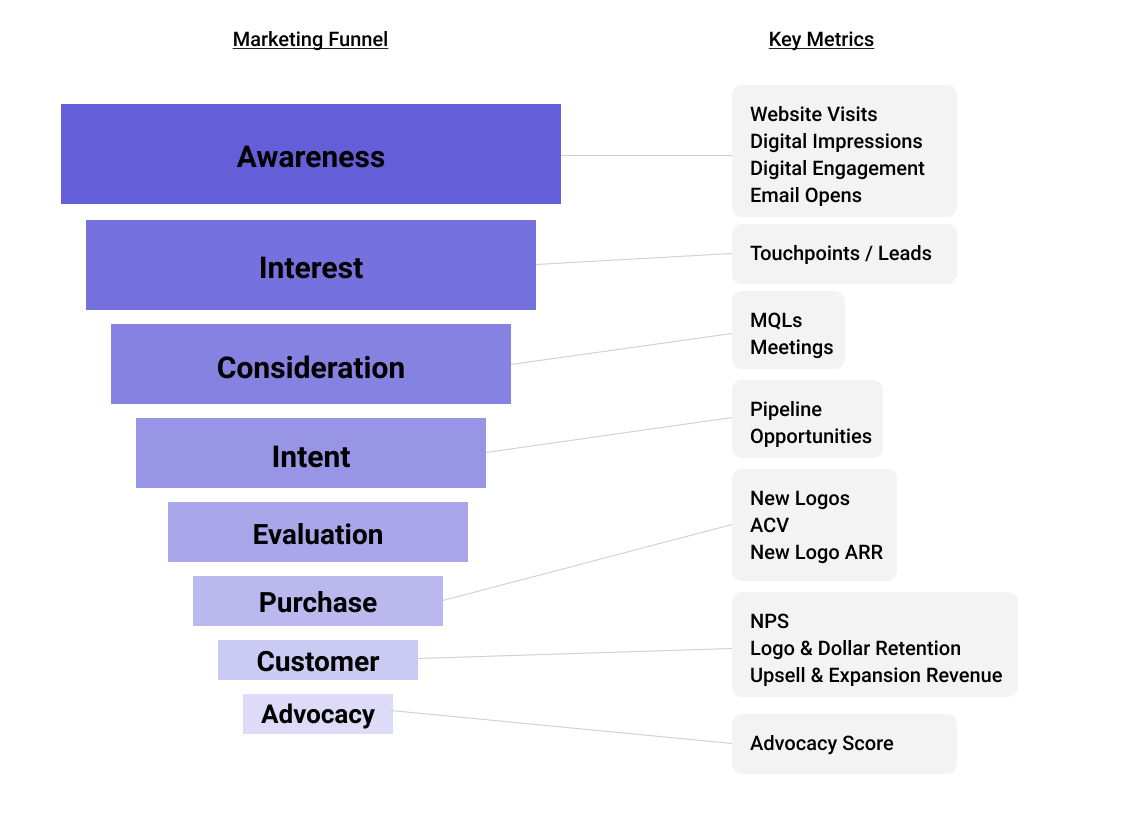
- Key Metrics: Beyond CAC and LTV, focus on Return on Ad Spend (ROAS) for paid campaigns, Conversion Rate for specific actions (e.g., form fills, purchases), and the conversion rates between Marketing Qualified Leads (MQLs) and Sales Qualified Leads (SQLs).
- Tools: Google Analytics 4 (GA4) is your primary tool for website behavior and conversion tracking. Your CRM (e.g., HubSpot) is critical for managing customer data and tracking the sales pipeline. Ad platform dashboards (Google Ads, Meta Ads) provide granular data on campaign performance.
- Setting up tracking: Implement consistent UTM parameters across all your campaigns to accurately attribute traffic sources. Define and configure clear conversion goals in GA4 for every meaningful action on your site, from newsletter sign-ups to purchases.
Practitioner Judgment: Don’t get bogged down trying to track every single micro-interaction. For small teams, the overhead is too high. Prioritize the 3-5 metrics that directly correlate with revenue or lead generation. Focus on getting these right before expanding into more complex attribution models.
What’s easy to overlook is the compounding cost of delayed or inconsistent tracking setup. It’s not just that you lack data; it’s that you might be making decisions based on incomplete or misleading information. This isn’t a neutral state; it actively leads to misallocated budget and missed opportunities, creating a downstream effect where initial marketing efforts are undermined by a lack of reliable feedback. The time saved by cutting corners on setup is often dwarfed by the time lost later trying to diagnose why campaigns aren’t performing, or worse, doubling down on ineffective strategies.
Another common pitfall is assuming your tools will automatically align. While GA4, your CRM, and ad platforms all track performance, their definitions of “conversion” or “lead” can subtly differ. Reconciling these discrepancies isn’t just a technical task; it’s a source of significant human-level frustration and internal debate. If your team spends more time arguing about whose numbers are “right” than discussing what the numbers mean, you’ve hit a non-obvious failure mode where data becomes a barrier, not an enabler, to strategic alignment.
Finally, the theory of waiting for perfect, statistically significant data often clashes with the practical realities of small teams and tight deadlines. There’s immense pressure to make quick decisions, even when data volumes are low or trends are still emerging. The skill isn’t just in reading the numbers, but in developing the practitioner’s judgment to discern actionable signals from noise, understanding when to make an informed pivot versus when to resist the urge to overreact to short-term fluctuations. This constant tension between ideal data conditions and real-world operational constraints is a daily challenge.
Budget Optimization Strategies
Once you have tracking in place, you can start optimizing your spend. This is an iterative process, not a one-time fix.
- Iterative Testing: Continuously A/B test your ad creatives, landing page headlines, call-to-actions, and email subject lines. Even small improvements in conversion rates can significantly impact your ROI.
- Audience Segmentation: Refine your audience targeting. Generic messaging rarely performs as well as tailored content delivered to specific, segmented groups. This improves relevance and reduces wasted ad spend.
- Automated Bidding: Utilize the AI-driven automated bidding strategies available in platforms like Google Ads and Meta Ads. When configured correctly with clear conversion goals, these systems can often optimize bids more efficiently than manual adjustments, especially for teams with limited time.
- Content Repurposing: Maximize the value of your existing content. A well-researched blog post can be repurposed into social media snippets, email content, or even a short video script, extending its reach and impact without creating new assets from scratch.
What to deprioritize or skip today: For small teams, avoid investing heavily in new, unproven ad platforms or overly complex, multi-touch attribution models until your core channels are optimized and consistently generating positive ROI. The time and effort required to learn, manage, and accurately attribute results across numerous nascent channels often outweigh the potential gains. Stick to what you can measure and optimize effectively with your current resources. Spreading yourself too thin leads to mediocre results across the board rather than excellent performance in key areas.
Making Data-Driven Decisions
Tracking data is only valuable if you act on it. Establish a routine for reviewing your performance and making adjustments.
- Regular Review Cycles: Schedule weekly or bi-weekly meetings to review key performance metrics. Look for trends, anomalies, and opportunities. This isn’t just about reporting; it’s about analysis and action.
- Adjusting Budgets: Be agile. If a campaign or channel is consistently underperforming, reallocate its budget to areas showing stronger ROI. Don’t be afraid to cut what isn’t working. Conversely, scale up successful campaigns incrementally.
- Understanding Diminishing Returns: Recognize that at some point, increasing spend in a single channel may yield diminishing returns. Diversify your successful efforts rather than pouring unlimited funds into one area.
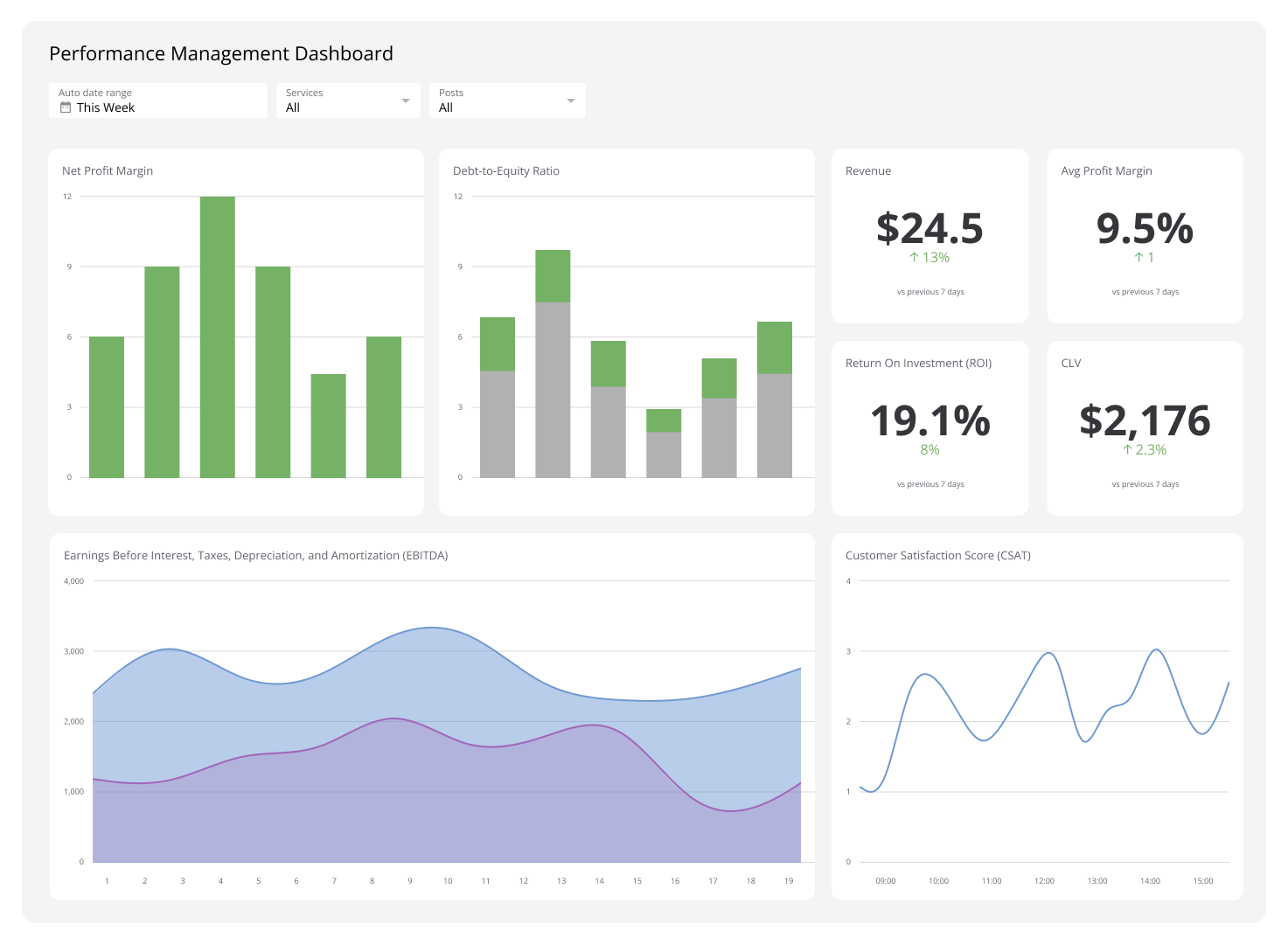
This continuous feedback loop of tracking, analyzing, and adjusting is how you build a marketing engine that consistently delivers ROI. marketing analytics for small business
Actionable Steps for Your Team
To start maximizing your marketing ROI, begin by auditing your current tracking setup. Ensure GA4 is correctly implemented and conversion goals are defined. Next, identify your top 2-3 marketing channels and focus on optimizing them using the strategies discussed. Don’t try to fix everything at once. Prioritize impact, make informed trade-offs, and commit to regular performance reviews. This pragmatic approach will yield far greater returns than chasing every marketing fad.



6 Comments