

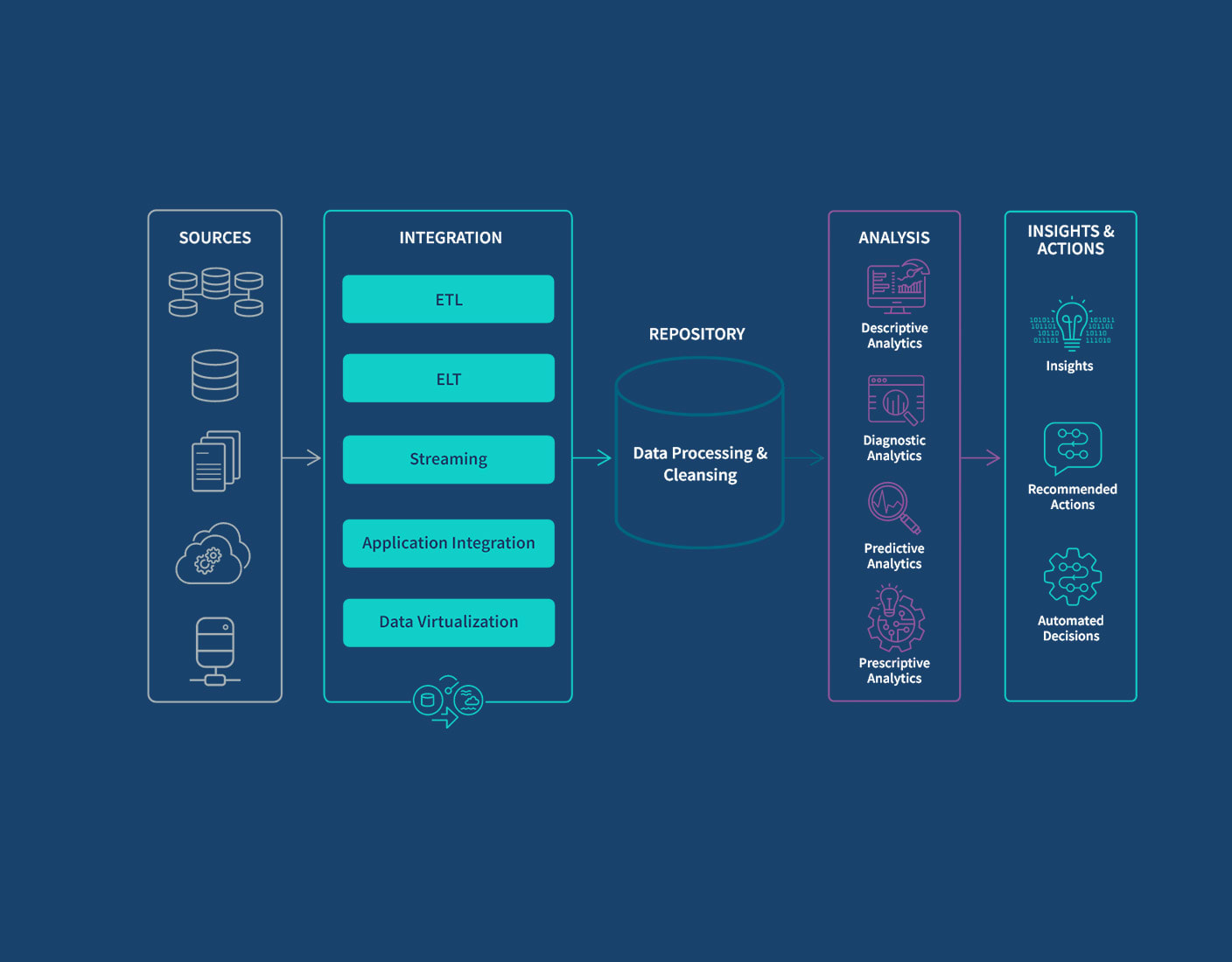
For small and mid-sized marketing teams, the sheer volume of data can feel overwhelming, often leading to analysis paralysis rather than clear action. This article cuts through the noise, showing you how to identify the most impactful metrics, set up practical tracking, and translate raw numbers into concrete decisions that fuel business growth.
You’ll gain a pragmatic framework for prioritizing your analytics efforts, understanding what truly moves the needle, and confidently deprioritizing tasks that consume resources without delivering proportional value. Our focus is on practical benefits: optimizing campaigns, improving customer acquisition, and boosting revenue, even with limited budgets and headcount.
Why Most Analytics Efforts Fall Flat for SMBs
Many small and mid-sized businesses struggle with analytics not because they lack data, but because they lack a clear strategy for using it. The common pitfalls include:
- Data Overload: Too many metrics, too little focus. Teams get lost in dashboards without understanding what to look for.
- Lack of Clear Goals: Without specific marketing objectives tied to business outcomes, data becomes a collection of interesting facts rather than a roadmap.
- Ignoring the ‘Why’: Simply reporting numbers isn’t enough. The real value comes from understanding the underlying reasons behind trends and anomalies.
- Imperfect Execution: Even with good intentions, limited resources mean that tracking often isn’t perfect, leading to incomplete or unreliable data.
The key isn’t more data; it’s *relevant* data, interpreted through the lens of your business goals and operational realities.
Prioritizing Your Core Marketing Metrics
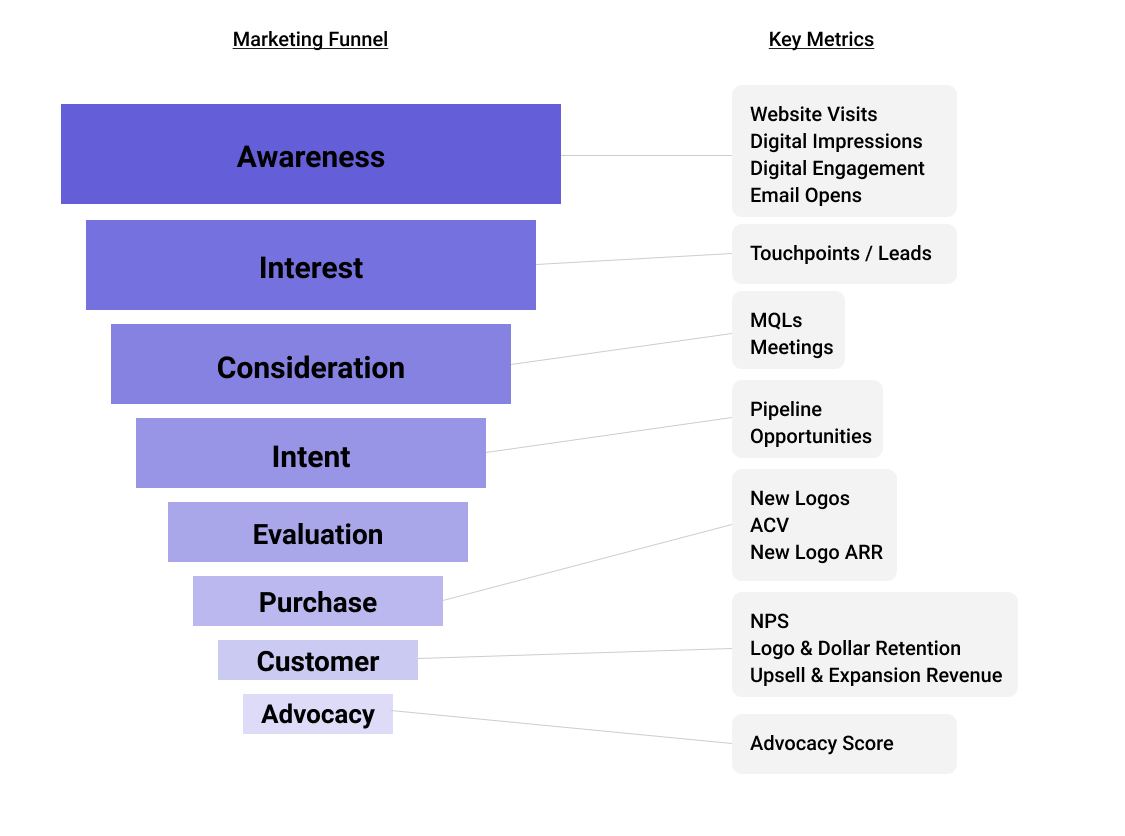
For SMBs, focus on a handful of metrics that directly impact revenue and growth. These are your North Star metrics:
- Customer Acquisition Cost (CAC): How much does it cost to acquire a new customer? Break this down by channel to identify efficient spending.
- Conversion Rate: What percentage of visitors complete a desired action (e.g., purchase, lead form submission)? Track this across your funnel.
- Customer Lifetime Value (CLTV): The total revenue a customer is expected to generate over their relationship with your business. This helps justify acquisition costs.
- Return on Ad Spend (ROAS): For paid campaigns, this is crucial. It tells you how much revenue you’re getting back for every dollar spent on ads.
- Website Traffic & Engagement: Not just raw numbers, but segmented by source (organic, paid, social) and engagement metrics like bounce rate and time on page.
Aligning these metrics with your specific business goals is paramount. If your goal is lead generation, conversion rate on lead forms is critical. If it’s e-commerce sales, then purchase conversion rate and average order value take precedence.
However, simply tracking these metrics isn’t enough; their true value lies in accurate interpretation and the operational capacity to act on them. A common pitfall for SMBs is the assumption that data collection equals insight. Fragmented systems, inconsistent tagging, or a lack of clear definitions often lead to discrepancies. Teams then spend valuable time reconciling numbers across platforms rather than analyzing trends or making decisions. This hidden cost of data hygiene can quickly negate the perceived benefit of tracking, leading to decision paralysis and a loss of confidence in the very metrics meant to guide strategy.
Furthermore, optimizing one metric in isolation can create unintended second-order effects. For example, an aggressive push to lower Customer Acquisition Cost (CAC) might succeed in the short term, but if it attracts lower-quality leads or customers, it can ultimately depress Customer Lifetime Value (CLTV) and increase churn. Similarly, boosting conversion rates through deep discounts might hit immediate targets but can erode brand perception and attract customers who are less loyal or profitable in the long run. The real challenge is understanding the delicate interdependencies and making nuanced trade-offs, which requires judgment beyond what any dashboard can provide.
Given the constraints of most small to mid-sized teams, it’s crucial to know what to deprioritize. While understanding CLTV is theoretically important, attempting to build a perfectly precise, multi-segment CLTV model from scratch is often an over-engineering trap. The data required for such accuracy is frequently incomplete or difficult to consolidate for SMBs, turning the exercise into an academic pursuit rather than a practical one. Instead, focus on reliable proxies and simpler calculations that provide directional insight. Similarly, resist the urge to implement complex multi-touch attribution models early on. Get your foundational channel-specific tracking robust and consistent first. The goal is actionable insight, not perfect data. Prioritize consistent, clean data for your core acquisition and conversion metrics, and build complexity only when the simpler models no longer provide sufficient clarity for your strategic decisions.
Setting Up Your Data Foundation (Without Overspending)
You don’t need enterprise-level tools to start. Leverage accessible, powerful platforms:
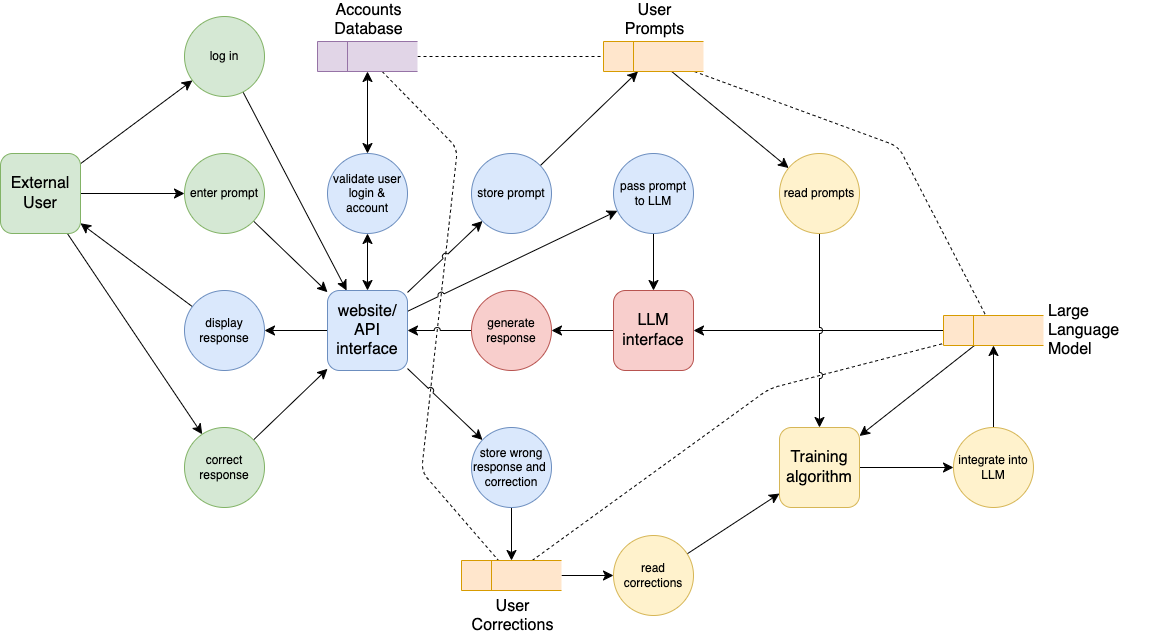
- Google Analytics 4 (GA4): This is non-negotiable for website and app tracking. Focus on setting up key events (conversions) and understanding the user journey. It’s free and robust.
- CRM System: A CRM like HubSpot or a simpler solution integrated with your sales process is vital for connecting marketing efforts to sales outcomes. This is where you track leads, opportunities, and customer interactions. CRM for small business
- Native Platform Analytics: For social media, email marketing, and advertising platforms (e.g., Meta Ads Manager, Google Ads), their built-in analytics provide immediate, relevant data for campaign optimization.
- Simple Spreadsheets: Don’t underestimate the power of a well-structured spreadsheet for combining data from different sources or for specific, manual tracking.
Start simple. Ensure your GA4 is correctly implemented with conversion events. Integrate your CRM. Then, layer on native platform insights. Avoid over-engineering your setup initially.
However, “simple” often masks hidden complexities that surface later. For instance, while GA4 is free, the cost of *competence* is not. Teams frequently underestimate the ongoing effort required to properly define, implement, and, crucially, *maintain* conversion events. Website changes, new campaigns, or even minor updates can silently break tracking, leading to data decay. The downstream effect is a slow erosion of trust in your metrics, fueling flawed decisions and making it harder to confidently attribute marketing impact.
Similarly, the initial utility of simple spreadsheets can quickly become a bottleneck. What starts as a flexible way to combine data often evolves into a manual, error-prone aggregation task as your data sources and reporting needs grow. This isn’t just inefficient; it creates significant decision pressure. Teams end up making calls based on outdated or incomplete information because the process of getting fresh, accurate data is too slow and labor-intensive. The theoretical benefit of agility gives way to practical operational drag.
Even CRM integration, while vital, often falls short of its full potential in practice. The common pitfall isn’t a lack of connection, but a lack of *depth* in the data flow. If marketing engagement signals (like specific content downloads or ad interactions) aren’t consistently mapped and passed into the CRM, sales teams operate with an incomplete picture. This fragmented view of the customer journey makes personalized outreach difficult and hinders the ability to accurately connect marketing spend to sales outcomes, creating a persistent gap between marketing effort and demonstrable business impact.
From Raw Data to Actionable Insights
Numbers alone are not insights. An insight explains *why* something is happening and suggests *what* to do about it. Here’s how to get there:
- Ask


1 Comment