


Why Authenticity Isn’t Just a Buzzword for Your Business
For small to mid-sized businesses, building genuine trust isn’t a luxury; it’s a strategic imperative. This article cuts through the hype to offer practical, actionable strategies for embedding authenticity into your marketing efforts. You’ll learn how to prioritize tactics that truly resonate with your audience, fostering deeper connections that drive long-term loyalty and sustainable growth, even with limited resources.
We’ll focus on what actually works to build trust, what you can realistically implement today, and what common pitfalls to avoid. The goal is to equip you with a framework for making informed decisions that strengthen your brand’s reputation and customer relationships without overstretching your team or budget.
Defining Authenticity: More Than Just ‘Being Real’
In marketing, authenticity isn’t about achieving some idealized state of perfection or simply declaring, “We’re authentic!” It’s about consistency between your stated values, your actions, and your communication. For SMBs, this means operating with transparency, integrity, and a genuine commitment to your customers’ needs, even when it’s inconvenient. It’s a continuous practice, not a one-time campaign.
Think of it as the operationalization of your brand’s true character. It’s reflected in how you handle customer service, the promises you make (and keep), the stories you tell, and even the products or services you choose to offer. It’s less about a polished facade and more about a reliable, trustworthy foundation.
What often gets overlooked in the pursuit of authenticity, especially for lean SMB teams, is the insidious pressure to compromise when resources are stretched thin. It’s easy to maintain integrity when everything is going well, but true authenticity is tested when you have to choose between a quick fix that saves money now and a more difficult, value-aligned decision. These aren’t always grand ethical dilemmas; often, they’re small, daily trade-offs in customer support, product quality, or communication. The hidden cost here isn’t immediate; it’s the slow erosion of trust. Each minor inconsistency, while seemingly insignificant on its own, accumulates. Over time, customers develop a subconscious sense of unease, leading to higher churn or lower word-of-mouth referrals that are difficult to trace back to any single ‘inauthentic’ act.
Another common pitfall is assuming authenticity is solely an external communication challenge. In practice, internal misalignment can be a far greater threat. If your sales team is incentivized to promise features or service levels that your operations team can’t consistently deliver, or if your marketing messages don’t accurately reflect the day-to-day customer experience, you’re creating internal friction. This isn’t just inefficient; it’s a source of significant human-level frustration. Employees on the front lines are forced to manage customer expectations that were set incorrectly, leading to burnout and a sense that the company isn’t ‘walking the talk’ internally. This dissonance makes it impossible to project genuine authenticity externally.
Given these real-world constraints, it’s critical to prioritize. Many businesses, hearing the call for authenticity, immediately jump to elaborate ‘storytelling’ campaigns or behind-the-scenes content. While these can be valuable, they should be deprioritized if your foundational operational consistency isn’t rock solid. Spending limited budget and headcount on crafting compelling narratives about your values while your customer service response times are lagging, or your product delivery is inconsistent, is a misallocation of resources. It creates a polished facade that will quickly crack under scrutiny, making your brand appear less, not more, authentic. Focus first on ensuring your actions consistently align with your stated values across all customer touchpoints; the stories will then emerge naturally and genuinely.
The Strategic Imperative: Why SMBs Can’t Afford to Skip Authenticity
With limited marketing budgets and smaller teams, SMBs often feel pressure to chase quick wins. However, superficial tactics rarely build lasting relationships. Authenticity, conversely, acts as a force multiplier:
- Reduces Customer Acquisition Cost (CAC): Trust drives word-of-mouth referrals, which are often the most cost-effective leads.
- Increases Customer Lifetime Value (CLTV): Loyal customers stay longer, buy more, and are less price-sensitive. Authenticity fosters this loyalty.
- Builds Resilience: When mistakes happen (and they will), a foundation of trust allows for forgiveness and continued support, rather than immediate abandonment.
- Attracts Talent: Employees are increasingly drawn to companies with genuine values, which is crucial for small teams.
In an increasingly skeptical marketplace, a truly authentic brand stands out, cutting through the noise without needing massive ad spend. It’s about earning attention and loyalty, not buying it.
Authenticity, however, isn’t a static achievement; it’s an ongoing commitment. The real cost isn’t just the initial investment in defining values, but the sustained discipline required to live them, especially when doing so is inconvenient or costly in the short term. Many teams overlook the compounding effect of small compromises: each deviation, however minor, chips away at the trust equity built, making it exponentially harder to recover. This ‘trust debt’ often goes unnoticed until a crisis hits, at which point the damage is already significant and expensive to repair, far exceeding the initial ‘savings’ from cutting corners.
A common pitfall is treating authenticity as a purely external marketing exercise. When the internal culture or operational practices don’t genuinely align with the outward brand message, the disconnect eventually surfaces. Employees, who are often the first point of contact, become disillusioned or are forced to operate in ways that contradict the brand’s stated values. This internal friction not only impacts morale and retention but also creates inconsistencies in customer experience that are quickly perceived as inauthentic, no matter how polished the external communication. The theory of ‘brand values’ is simple; the practice of embodying them daily across all touchpoints is where most SMBs struggle.
Under the constant pressure for immediate results, it’s tempting for SMB teams to prioritize tactics that offer a perceived fast return, even if they feel slightly off-brand. This might include chasing every trending social media challenge, adopting a tone that isn’t truly theirs, or making promises that stretch their capacity. While the impulse to ‘do something’ is understandable, these actions often dilute the brand’s unique voice and erode the very authenticity they should be cultivating. Instead, teams should deprioritize any marketing activity that feels like ‘performing’ rather than ‘being.’ If an initiative requires significant internal debate about whether it truly represents the business, it’s likely a distraction that will yield diminishing returns and ultimately undermine long-term trust.
Prioritizing Authentic Marketing Strategies for Lean Teams
Given real-world constraints, here’s where SMBs should focus their efforts:
1. Define and Live Your Core Values Internally
Before you can communicate authenticity externally, your team needs to understand and embody it. This isn’t a mission statement on a wall; it’s how decisions are made and how people interact.
- Action: Facilitate a workshop with key team members to articulate 3-5 core values that truly reflect how your business operates, not just how you wish it would.
- Action: Integrate these values into onboarding, performance reviews, and daily operational discussions. Every customer touchpoint, from sales to support, should reflect these values.
- Judgment Call: This is foundational. Without internal alignment, external messaging will always feel forced or inconsistent. Prioritize this over any external campaign.
2. Ensure Consistent Messaging Across All Touchpoints
Authenticity breaks down when your website says one thing, your social media another, and your customer service team a third. Every interaction point must tell the same story and reflect the same values.
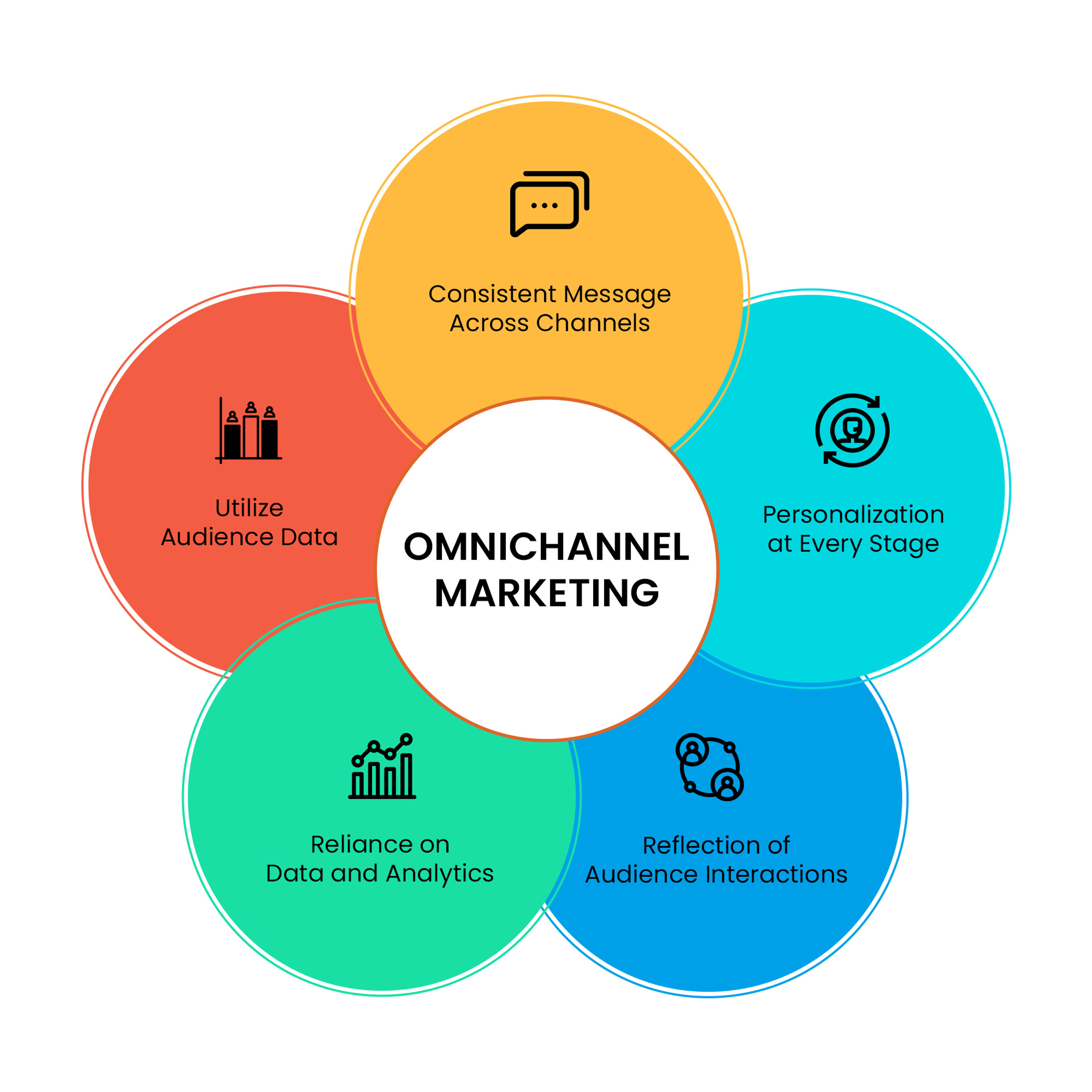
- Action: Audit your existing marketing collateral, website content, social media profiles, and customer service scripts. Look for discrepancies in tone, promises, and brand voice.
- Action: Develop a simple brand voice guide that outlines key messaging pillars and communication guidelines for all team members who interact with customers or create content.
- Judgment Call: Don’t aim for perfection immediately. Start with your most visible channels (website, primary social platform) and then expand. Inconsistency erodes trust faster than almost anything else.
3. Embrace Transparency Over Flawless Presentation
Customers today appreciate honesty, even about imperfections. Trying to present a flawless image often backfires, making your brand seem less relatable and trustworthy.
- Action: When appropriate, share behind-the-scenes glimpses of your process, challenges, or even minor setbacks. This humanizes your brand.
- Action: Be upfront about product limitations, shipping delays, or service issues. Proactive communication builds trust far more effectively than reactive apologies.
- Judgment Call: This requires courage, but the payoff in customer loyalty is significant. It’s about building a relationship, not just making a sale.
4. Prioritize Genuine Customer Engagement
Authenticity thrives on two-way communication. Don’t just broadcast; listen, respond, and engage meaningfully.
- Action: Actively monitor social media comments, reviews, and direct messages. Respond thoughtfully and promptly, even to negative feedback.
- Action: Create opportunities for customer feedback (e.g., simple surveys, community forums) and visibly act on it. Show that their input matters.
- Judgment Call: Focus on quality over quantity. A few genuine interactions are more impactful than a hundred generic replies. Empower your team to engage personally.
What to Deprioritize or Avoid Today
With limited resources, knowing what to skip is as important as knowing what to do. Today, deprioritize or outright avoid:
- “Authenticity” as a standalone marketing campaign: Don’t create a campaign *about* being authentic. Authenticity is an outcome of consistent actions, not a theme you can simply declare. Such campaigns often feel disingenuous and can backfire, highlighting any inconsistencies.
- Chasing every trending platform or content format: Spreading your limited resources across too many channels dilutes your message and makes it harder to maintain a consistent, authentic presence. Stick to the platforms where your core audience genuinely engages and where your brand voice naturally fits.
- Over-produced, impersonal content: While quality is important, overly slick or generic content, especially from an SMB, can feel less authentic than something more raw, personal, and reflective of your actual team and operations. Focus on genuine storytelling and practical value over high-gloss production that doesn’t align with your brand’s true character.
- Fabricating reviews or testimonials: This is a non-negotiable avoidance. The long-term damage to trust and reputation, if discovered, far outweighs any short-term perceived gain.
Sustaining Trust Through Consistent Action
Authenticity isn’t a destination; it’s an ongoing journey of consistent action and honest communication. For SMBs, this means embedding your core values into every operational decision and customer interaction. By prioritizing internal alignment, consistent messaging, transparency, and genuine engagement, you build a resilient brand that earns trust and fosters sustainable customer connections. This approach, while requiring discipline, ultimately reduces marketing friction and drives more meaningful growth than any superficial tactic ever could. building brand loyalty


Leave a Comment