

Understanding Strategic AI in Campaign Orchestration
For small to mid-sized marketing teams, leveraging AI for campaign orchestration isn’t about chasing every new tool; it’s about making smart, impactful decisions with limited resources. This article cuts through the hype to show you where AI truly moves the needle for campaign performance, helping you prioritize initiatives that deliver tangible growth and optimize your marketing spend effectively. You’ll gain a clear perspective on what to implement now, what to hold off on, and how to avoid common traps that drain budget without delivering results.
Strategic AI in campaign orchestration moves beyond simple automation. It’s about deploying intelligent systems that can analyze vast datasets, predict outcomes, and make real-time adjustments to campaigns without constant human intervention. Think of it as augmenting your team’s judgment, allowing you to scale impact without scaling headcount. The goal isn’t to replace marketers, but to empower them to focus on higher-level strategy and creative execution, while AI handles the intricate, data-driven optimization tasks.
Prioritizing AI Applications for Tangible Results
Given limited budgets and operational constraints, SMBs must be surgical in their AI adoption. Focus on applications that directly impact revenue or significantly reduce manual effort in high-volume tasks. Here’s where to start:
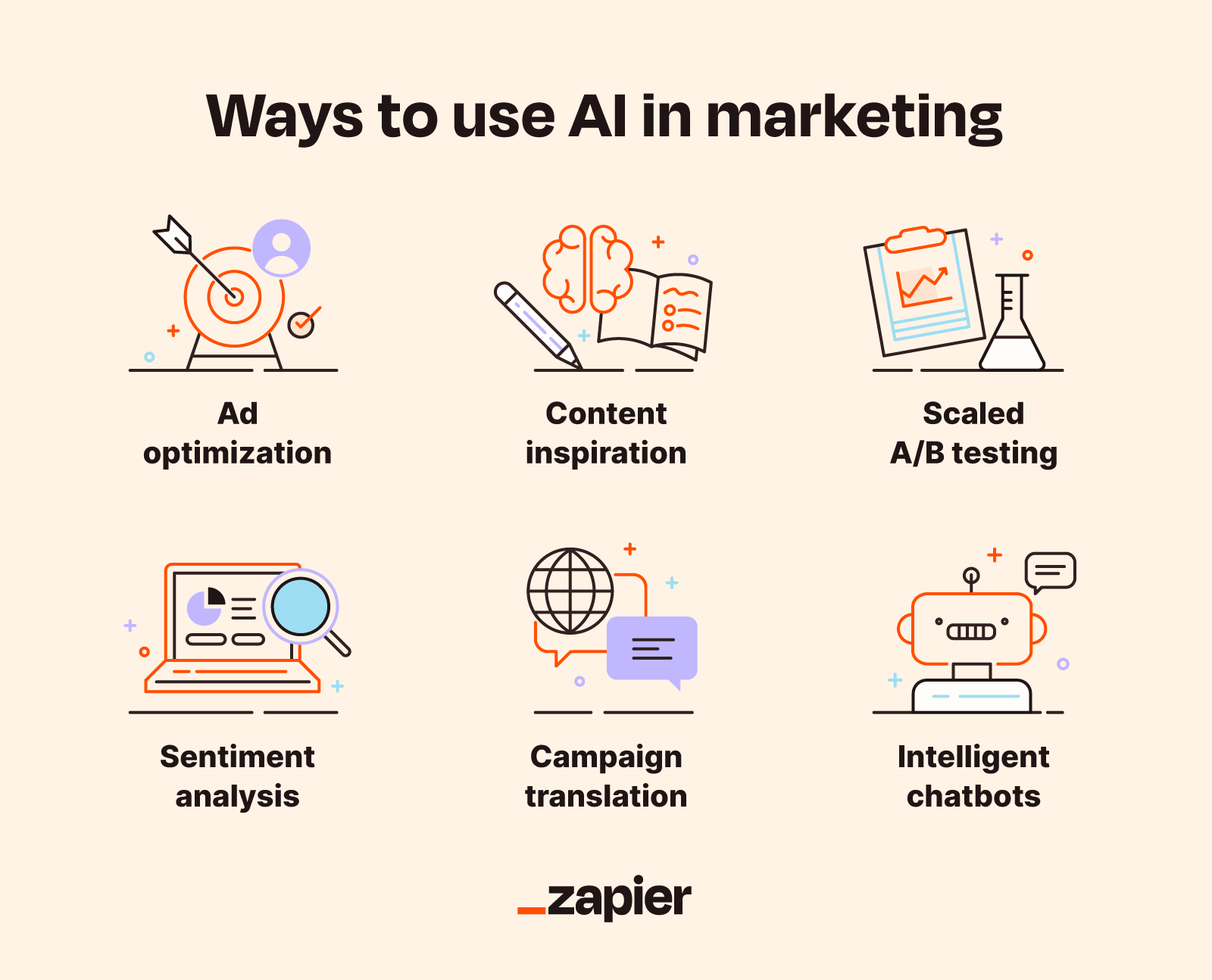
- Dynamic Content Personalization: Deploy AI to automatically vary ad copy, email subject lines, or website content based on individual user behavior, demographics, or past interactions. Platforms like HubSpot and many email service providers now offer robust features for this. This drives higher engagement and conversion rates by delivering more relevant messages.
- Predictive Audience Targeting: Use AI to identify and target high-value customer segments most likely to convert or churn. This goes beyond basic demographic targeting, leveraging machine learning to uncover subtle patterns in behavior that indicate purchase intent or risk. This capability is increasingly integrated into major ad platforms like Google Ads and Meta Ads.
- Automated Bid & Budget Optimization: This is a non-negotiable. AI-driven algorithms can adjust bids and allocate budgets across various channels and campaigns in real-time, optimizing for your defined KPIs (e.g., CPA, ROAS). This ensures your ad spend is always working as hard as possible, even when market conditions shift rapidly.
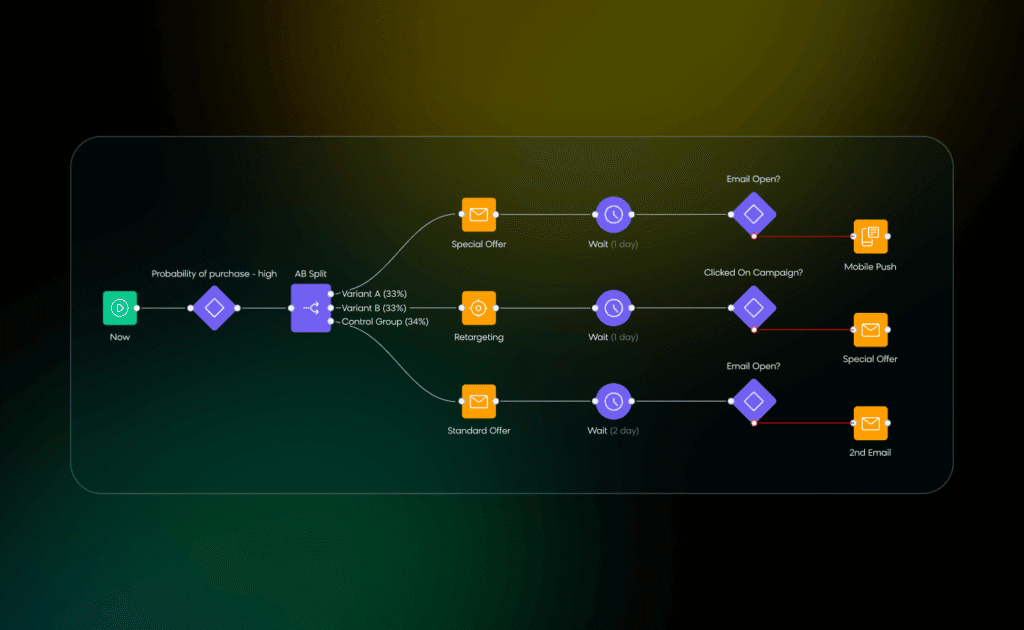
- Intelligent A/B Testing: While traditional A/B testing is valuable, AI can accelerate the process by identifying optimal variations faster and suggesting new test hypotheses based on performance data. This allows for continuous improvement of creative and messaging without extensive manual analysis.
What to Deprioritize and Why
In the current landscape of March 2026, the biggest pitfall for small to mid-sized teams is attempting to build custom, ground-up AI models or chasing every nascent AI feature from every new vendor. This approach is almost always a drain on resources with minimal return. You should deprioritize:
- Custom AI Model Development: Unless you have a dedicated data science team and a unique, complex problem that off-the-shelf solutions cannot address, avoid trying to build proprietary AI models from scratch. The cost, time, and expertise required are prohibitive for most SMBs. Focus on leveraging the powerful AI capabilities already embedded in established marketing platforms.
- “AI for AI’s Sake” Initiatives: Don’t implement AI simply because it’s a buzzword. Every AI integration must solve a clear business problem or unlock a specific opportunity. If you can’t articulate the direct impact on your marketing goals, delay or skip it.
- Over-integration of Niche AI Tools: While specialized tools can be powerful, integrating too many disparate AI solutions creates data silos and operational complexity. Prioritize AI features within your core marketing stack (e.g., CRM, ad platforms) before adding standalone, niche tools that require extensive integration effort.
Building Your AI Orchestration Stack: Practical Steps
Your AI orchestration strategy should be built on a foundation of practical integration and clear objectives.
- Leverage Existing Platform AI: Start with the AI capabilities already built into platforms you use daily. Google Ads, Meta Ads, HubSpot, and Shopify all offer sophisticated AI for targeting, bidding, and personalization. Master these first. Google Ads AI optimization
- Focus on Data Integration and Quality: AI is only as good as the data it consumes. Prioritize efforts to ensure your customer data is clean, consistent, and accessible across your key marketing systems. This often means investing in robust CRM and data warehousing solutions. Imperfect data will lead to imperfect AI outcomes.
- Establish Clear Feedback Loops: AI systems learn from performance data. Design your campaigns and reporting to provide clear, actionable feedback to the AI. This means defining conversion events accurately and consistently, and regularly reviewing AI-driven recommendations.
- Start Small, Iterate, and Measure Rigorously: Don’t try to overhaul your entire marketing operation with AI overnight. Pick one high-impact area, implement an AI solution, measure its performance against a control group, and iterate. This iterative approach minimizes risk and builds confidence.
Measuring Success and Continuous Improvement
The true value of AI in campaign orchestration is measured by its impact on your bottom line. Focus on these metrics:
- Return on Ad Spend (ROAS) / Return on Investment (ROI): Directly track how AI-optimized campaigns improve your financial returns.
- Customer Acquisition Cost (CAC): Monitor reductions in the cost to acquire a new customer through AI-driven efficiencies.
- Customer Lifetime Value (CLTV): AI’s ability to personalize experiences and improve targeting can lead to higher customer retention and increased CLTV over time.
- Operational Efficiency: Quantify the time saved by automating tasks that were previously manual. This frees up your team for more strategic work.
Remember, AI provides powerful insights and automation, but the strategic direction and ultimate judgment remain with your marketing team. Regularly review AI performance, understand its recommendations, and be prepared to override or adjust when human intuition or market context dictates. This symbiotic relationship between human and AI is where true autonomous marketing outcomes are achieved.


Leave a Comment