

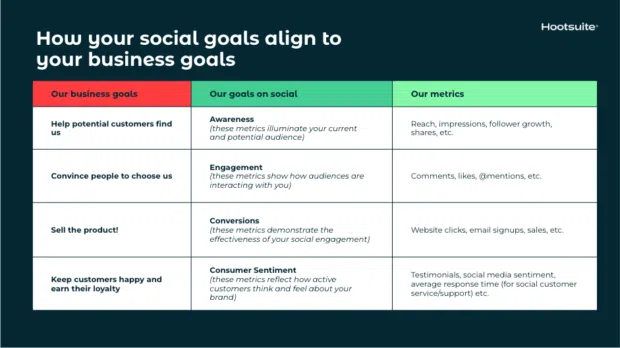
Beyond Broadcasting: Social Media as Your Business Hub
For small to mid-sized businesses, social media has moved past being just another marketing channel. Today, it’s a critical hub for customer interaction, feedback, and building a brand that truly resonates. By strategically integrating social media into your core operations, you can foster deeper relationships, gain invaluable market insights, and establish your brand as an indispensable part of your customers’ lives. This isn’t about chasing likes; it’s about making your business more accessible, responsive, and ultimately, more essential.
This article cuts through the noise to focus on practical strategies that work for teams with limited resources. We’ll prioritize actions that yield tangible benefits, helping you decide where to invest your time and effort for maximum impact, and what to confidently set aside.
Prioritize Deep Engagement Over Broad Presence
Many businesses feel pressured to be active on every social platform. This is a mistake for resource-constrained teams. Your primary focus should be on identifying the one or two platforms where your target audience is most active and engaged. Instead of spreading your efforts thin across five channels, dedicate your energy to truly mastering interaction on the platforms that matter most.
- Audience Mapping: Understand not just where your audience is, but how they use that platform. Are they looking for quick tips on Instagram, in-depth discussions on LinkedIn, or customer support on X (formerly Twitter)? Tailor your presence accordingly.
- Consistent Value: Deliver consistent, platform-native content that provides genuine value. This could be educational content, behind-the-scenes glimpses, or direct answers to common questions. The goal is to make your presence a go-to resource.
- Active Listening: Social media is a two-way street. Actively monitor mentions, comments, and direct messages. Respond promptly and thoughtfully. This builds trust and provides real-time feedback on your products or services.

Social media listening dashboard
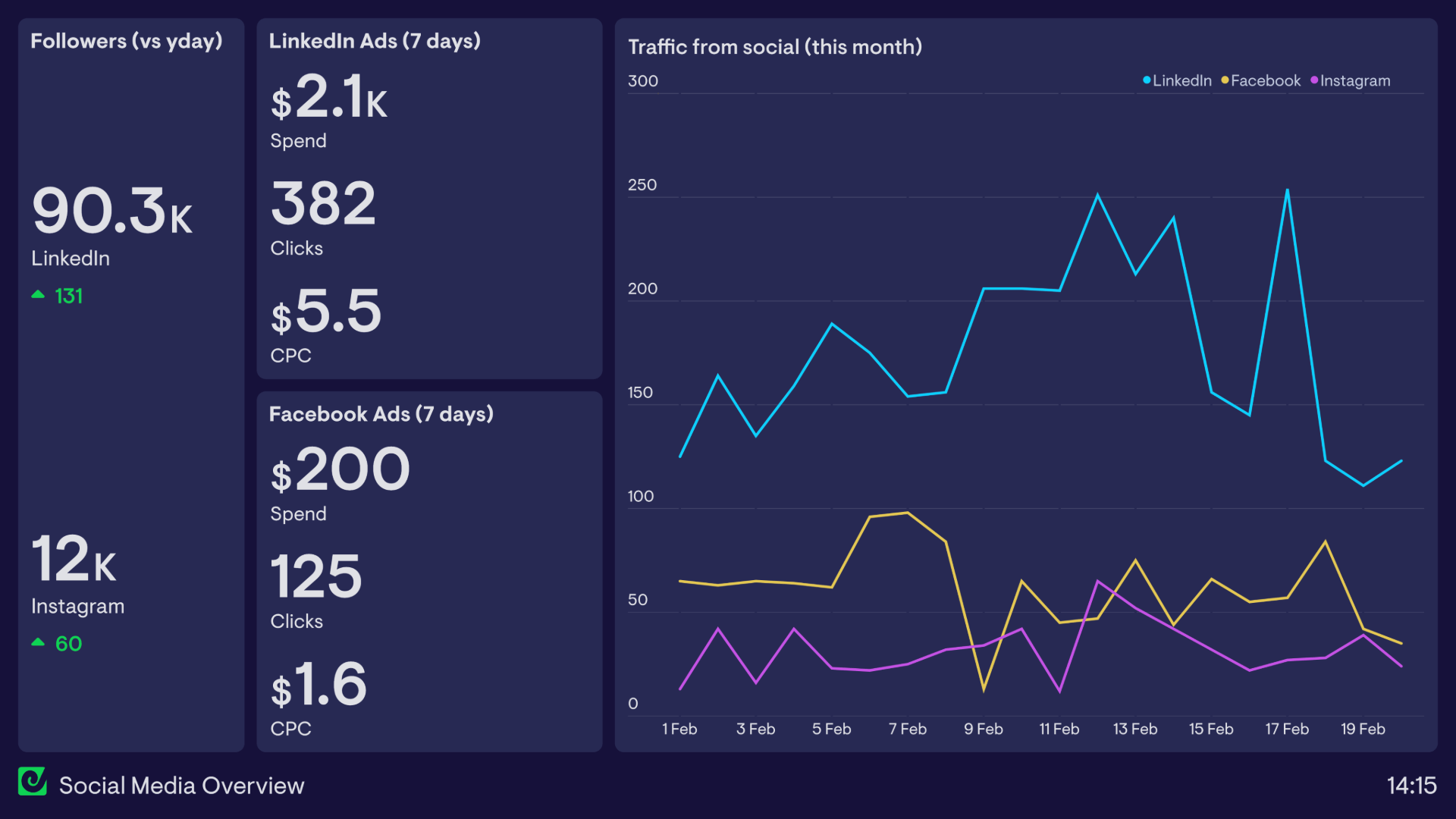
This approach allows you to build a strong, loyal community on a few key channels, which is far more impactful than a superficial presence everywhere.
What often gets overlooked is the compounding cost of a superficial presence. Maintaining even a ‘light’ presence on multiple platforms isn’t free; it demands time for content adaptation, scheduling, monitoring, and basic interaction. When resources are stretched, this often results in neglected channels. A dormant or inconsistently updated profile can actually be more detrimental than no presence at all, signaling a lack of commitment or an inability to follow through. This erodes trust and can actively deter potential customers who might perceive your brand as disorganized or unresponsive.
The pressure to be everywhere often stems from a fear of missing out or a misguided belief that more channels equal more reach. In practice, this leads to a ‘check-the-box’ approach where content is hastily repurposed, and engagement becomes a reactive chore rather than a proactive strategy. This isn’t just inefficient; it creates significant internal frustration. Teams feel perpetually behind, unable to dedicate the necessary thought and effort to truly connect. The result is a cycle where effort is expended, but meaningful impact—the kind that moves the needle for a small business—remains elusive, leading to questions about the value of social media altogether.
Transform Social Channels into Customer Service & Feedback Loops
One of the most powerful, yet often underutilized, aspects of social media for SMBs is its role in customer service and product development. Customers increasingly turn to social media for support and to voice their opinions. Embracing this shift can turn potential complaints into opportunities for loyalty and improvement.
- Responsive Support: Establish clear guidelines for responding to customer inquiries and complaints on social media. Aim for quick, empathetic, and effective resolutions. This demonstrates that you value your customers’ time and concerns.
- Feedback Integration: Treat social media comments, DMs, and even public posts as a rich source of product feedback. Regularly collect and analyze this data to inform product improvements, service enhancements, and content strategy. This direct line to your customers is invaluable.
- Community Building: Encourage customers to share their experiences and connect with each other. This can be through dedicated groups, user-generated content campaigns, or simply by fostering positive interactions in your comment sections. A strong community reduces your support load and creates brand advocates.
By making your social channels a reliable point of contact for support and feedback, you embed your brand deeper into the customer journey, making it truly essential.
What often gets overlooked in the push to embrace social channels for service is the sheer, sustained resource drain this creates for small teams. “Responsive support” isn’t just about speed; it’s about maintaining a consistent, empathetic presence across multiple channels, often 24/7 in the customer’s mind. This quickly becomes a significant time sink, pulling limited staff away from other critical tasks. The hidden cost isn’t just the direct time spent, but the opportunity cost of what those team members *aren’t* doing. Once you establish the expectation of social support, it’s incredibly difficult to scale back without alienating customers, creating a long-term operational commitment that many SMBs underestimate.
Similarly, while “feedback integration” sounds like a clear win, the reality of turning raw social comments into actionable product or service improvements is far more complex. The signal-to-noise ratio on social media can be incredibly low, and it’s easy for teams to get sidetracked by a few vocal complaints that don’t represent the broader customer base. A common failure mode is over-indexing on public negativity, leading to reactive changes that don’t address systemic issues or, worse, alienate the silent majority who are perfectly content. Effectively using this feedback requires a disciplined approach to categorization, prioritization, and cross-referencing with other data sources, which is often beyond the capacity of small teams operating under pressure.
Finally, “community building” introduces its own set of second-order management overheads. A thriving community, while invaluable, doesn’t run itself. It requires ongoing moderation, content curation, and sometimes intervention to prevent it from becoming a forum for negativity, off-topic discussions, or even a platform for competitors. The initial benefit of reduced direct support load can quickly be offset by the need for dedicated community management, a role often underestimated in its complexity and time commitment. Without clear guidelines and consistent oversight, a community can become a liability rather than an asset, creating more frustration than loyalty.
What to Deprioritize and Why
For small to mid-sized teams, resources are finite. Therefore, it’s crucial to be disciplined about what you don’t do. Currently, deprioritize chasing every new “viral” trend or platform feature without a clear, strategic alignment to your business goals and audience behavior. For instance, if your audience isn’t on a new short-form video platform, investing significant production time there is a misallocation of resources. Similarly, avoid over-automating your social interactions to the point where your brand loses its authentic voice. While scheduling tools are essential, genuine engagement cannot be fully automated. Focus on quality, human-led interaction where it matters most, even if it means fewer posts overall. Spreading your limited headcount and budget too thin across too many speculative ventures will dilute your impact and prevent you from excelling where it truly counts.
Leveraging AI for Efficiency, Not Replacement
AI tools are rapidly evolving and can offer significant efficiency gains for SMBs on social media, but they are not a substitute for human judgment and authentic connection. Use AI to augment your efforts, not replace your brand’s voice.
- Content Ideation & Drafts: AI can help brainstorm content ideas, draft initial post copy, or suggest relevant hashtags. This speeds up the creation process, freeing up your team for strategic thinking and engagement.
- Scheduling & Optimization: AI-powered scheduling tools can analyze optimal posting times for your audience, ensuring your content reaches the right people at the right moment.
- Sentiment Analysis: Some AI tools can help monitor social media for brand mentions and analyze sentiment, giving you a quick overview of public perception and emerging issues. This can inform your response strategy.

AI sentiment analysis dashboard
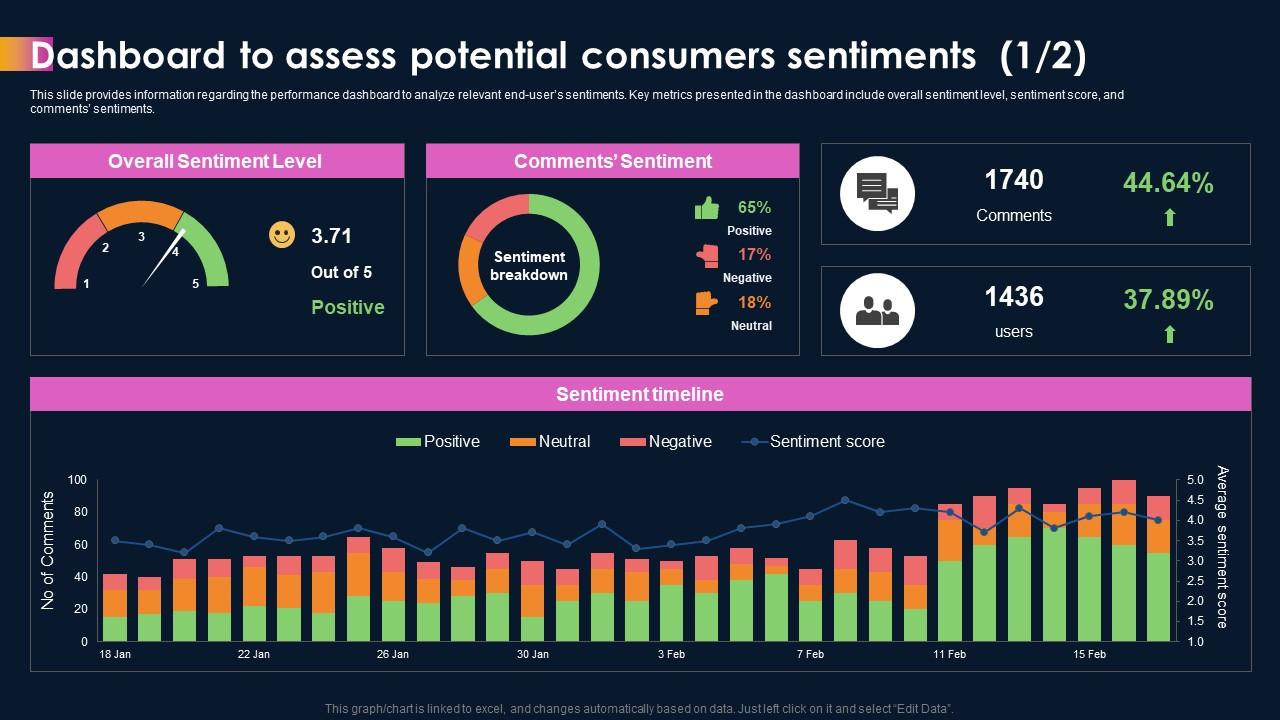
The key is to use AI as a co-pilot, handling repetitive tasks and providing data-driven insights, allowing your team to focus on the creative, strategic, and human aspects of social media that truly make your brand essential.
Measuring What Truly Matters for Essential Brands
Moving beyond vanity metrics is critical for understanding social media’s true impact on your business. For an essential brand, success isn’t just about likes; it’s about tangible business outcomes.
- Engagement Rate: Focus on comments, shares, and saves, which indicate deeper interest, rather than just reach or impressions.
- Customer Service Metrics: Track response times, resolution rates, and customer satisfaction scores derived from social interactions.
- Website Traffic & Conversions: Directly link social media activity to website visits, lead generation, and sales. Use UTM parameters to accurately track these conversions. UTM tracking best practices
- Brand Sentiment & Mentions: Monitor the overall tone of conversations about your brand and the frequency of organic mentions. This reflects how essential your brand is becoming in your audience’s daily discourse. social media analytics for SMBs
By focusing on these metrics, you can demonstrate social media’s direct contribution to your business’s growth and its role in making your brand indispensable to your customers.


Leave a Comment