

What Structured Data Actually Does for SMBs
For small to mid-sized businesses, every SEO advantage counts. Structured data isn’t just a technical detail; it’s a direct signal to search engines that can significantly improve how your content appears and performs in search results. This guide cuts through the complexity, showing you exactly where to focus your limited time and resources to gain tangible benefits, from enhanced rich snippets to better understanding by AI-driven search algorithms.
You’ll learn which schema types deliver the most immediate impact for businesses like yours, practical implementation steps, and critically, what to deprioritize to avoid wasting effort. Our focus is on actionable strategies that work under real-world constraints, helping you make informed decisions to boost your visibility and drive more qualified traffic.
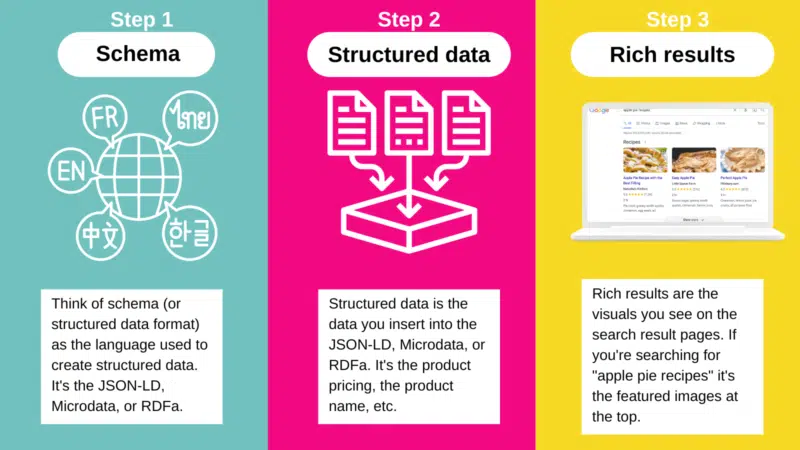
At its core, structured data helps search engines like Google understand the context and meaning of your content more precisely. Instead of just seeing text, they see explicit definitions: this is a product, this is its price, this is a review, this is an event. This clarity is crucial for standing out in competitive search results, especially as AI-driven search continues to evolve. For an SMB, this means a better chance at securing valuable rich results – those visually enhanced listings that grab user attention and often lead to higher click-through rates.

Prioritizing Schema Types: Where to Start for Impact
Given limited resources, the key is to prioritize schema types that offer the most direct and measurable impact on your business goals. Don’t try to implement everything at once. Focus on these:
- Organization/LocalBusiness Schema: This is foundational. If you have a physical location or are a service-based business,
LocalBusinessschema is non-negotiable. It helps search engines understand your business name, address, phone number, opening hours, and services. For any business,Organizationschema provides essential details about your company. Implement this first. - Product Schema: For e-commerce businesses,
Productschema is paramount. It allows you to display price, availability, reviews, and ratings directly in search results. This can dramatically increase visibility and conversion rates. - Article/BlogPosting Schema: If content marketing is part of your strategy, applying
ArticleorBlogPostingschema to your blog posts and articles helps search engines understand the content type, author, publication date, and main entity. This can lead to enhanced snippets for news or blog content. - FAQPage Schema: This is a quick win for many businesses. If you have a dedicated FAQ page or sections within product/service pages that answer common questions, implementing
FAQPageschema can generate expandable question-and-answer rich results, directly addressing user queries in the SERP. - Review/AggregateRating Schema: Social proof is powerful. If you collect customer reviews, applying
RevieworAggregateRatingschema to products, services, or your business as a whole can display star ratings in search results, building trust and encouraging clicks.
However, the initial implementation of schema is only half the battle. A common pitfall is treating schema as a one-time setup. The data embedded in your schema — be it product prices, availability, business hours, or review counts — must remain accurate and synchronized with the live content on your pages. Neglecting this ongoing maintenance can lead to outdated rich snippets appearing in search results. Displaying an old price or indicating an item is in stock when it’s not can actively erode user trust and increase bounce rates, effectively turning a potential advantage into a liability.
Furthermore, the technical implementation itself often presents subtle challenges. While validation tools exist, they primarily check for syntax. They don’t always catch semantic errors or ensure the schema accurately reflects the visible content on the page. For instance, marking up reviews that aren’t actually displayed, or using FAQPage schema for content that isn’t truly a Q&A format, can lead to search engines ignoring your markup or, in extreme cases, manual actions. This discrepancy between technically valid code and semantically correct, user-benefiting markup is a frequent source of frustration for teams expecting rich results that never materialize.
Finally, the pressure to implement “all the things” can lead to diluted efforts. With a multitude of schema types available, teams with limited resources might feel compelled to deploy every possible option. This often results in a shallow, error-prone implementation across many types, rather than a robust, accurate deployment of the few that truly matter for their core business objectives. It’s a classic trade-off: attempting to do too much often means nothing is done exceptionally well. Prioritize based on direct business impact and your team’s capacity for ongoing accuracy, rather than chasing every theoretical rich result opportunity.
Implementation: Practical Steps and Tools
Implementing structured data doesn’t require deep coding knowledge, especially today. The industry standard is JSON-LD (JavaScript Object Notation for Linked Data), which is typically placed in the <head> or <body> of your HTML.
- Use a CMS Plugin: For WordPress users, plugins like Yoast SEO or Rank Math offer robust structured data features, often automating much of the process for common content types. Shopify users can find apps that integrate schema markup for products and reviews.
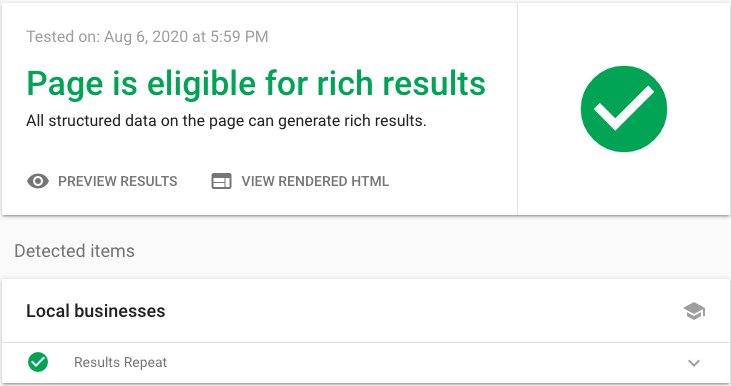
- Google’s Rich Results Test: This is your primary validation tool. After implementing any schema, use the Google Rich Results Test to check for errors and preview how your rich results might appear. It’s an essential step before pushing changes live.
- Schema Markup Validator: For more detailed technical validation against schema.org standards, the Schema Markup Validator is a valuable resource.
- Manual Implementation (for specific needs): For unique content types or highly customized schema, you might need to generate JSON-LD manually. Tools like Schema.org’s own generator or various online schema generators can help create the code snippets you need.
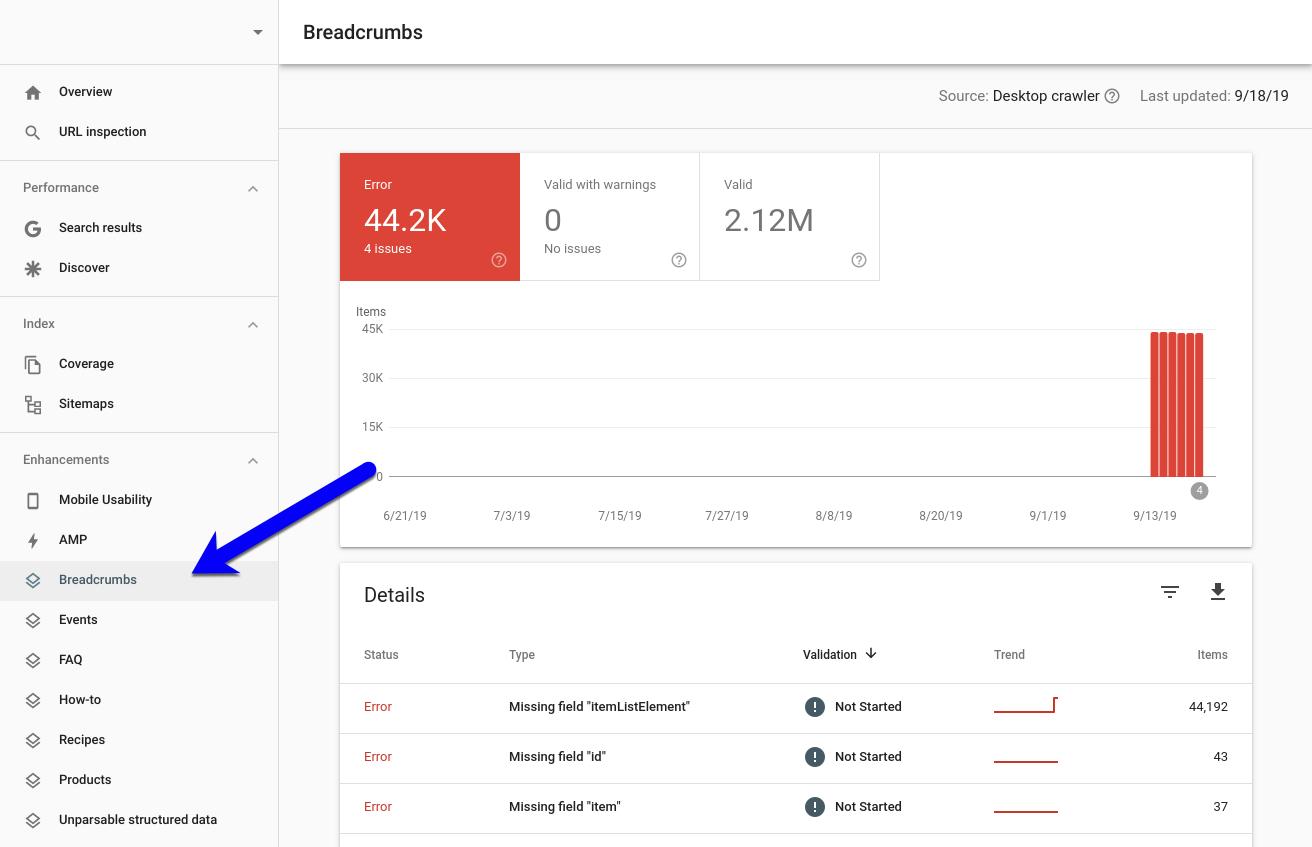
- Google Search Console: Once implemented, monitor the ‘Enhancements’ section in Google Search Console. This dashboard will report on the validity of your structured data and highlight any issues Google encounters.
What often gets overlooked, however, is the ongoing maintenance. Structured data isn’t a “set it and forget it” task. Content changes, site redesigns, or even minor updates to your CMS can silently break or invalidate existing markup. This leads to a slow semantic drift where your schema no longer accurately reflects your content, or worse, becomes technically incorrect. Catching these subtle degradations requires consistent monitoring beyond initial validation, adding a hidden, unbudgeted maintenance burden.
Furthermore, while plugins streamline much of the process, they often apply generic schema types. This is efficient for common content, but it can lead to missed opportunities for more specific, impactful rich results. The temptation is to rely solely on automation, but without understanding which rich results you’re actually targeting and why for specific content, you might be generating perfectly valid but ultimately ineffective schema. The goal isn’t just valid code; it’s meaningful data that Google can use to enhance your presence in search results.
A common source of frustration for teams is implementing technically perfect schema that never seems to trigger rich results. This isn’t necessarily a failure of implementation but often a reflection of Google’s own quality thresholds, the competitive landscape, or the content’s inherent quality. Rather than chasing every possible schema type, prioritize those that directly support your core business objectives and have a clear path to rich results. For instance, deprioritize niche or low-volume schema types if they divert resources from improving core content quality or implementing higher-value schema like product, event, or local business markup. Focus on impact over exhaustive coverage.
What to Deprioritize and Why
With limited time and budget, it’s crucial to know what to skip or delay. For most small to mid-sized businesses, avoid chasing every single schema type available on Schema.org. Specifically, deprioritize:
- Highly Niche or Obscure Schema Types: Unless your core business revolves around a very specific niche (e.g., medical trials, highly specialized scientific articles), implementing complex, less common schema types will yield minimal return for the effort. The maintenance overhead and learning curve often outweigh the potential, often negligible, SEO benefit.
- Microdata or RDFa: While technically valid, JSON-LD is the recommended and most widely supported format by Google. Unless you’re dealing with a legacy system that already uses these, focus exclusively on JSON-LD for new implementations.
- Schema for Low-Quality or Irrelevant Content: Structured data amplifies what’s already there. If your content is thin, outdated, or not truly valuable to users, adding schema won’t magically make it rank. Focus on improving content quality first. Structured data is a booster, not a fix for poor content.
- Over-optimization or Keyword Stuffing in Schema: Just like with on-page content, attempting to stuff keywords into your schema markup can be counterproductive. Google is sophisticated enough to detect this, and it can lead to penalties or simply ignoring your markup. Be accurate and descriptive, not manipulative.
The reasoning is simple: every hour spent on low-impact schema is an hour not spent on high-impact activities like improving core content, building relevant backlinks, or optimizing your most important product pages. Focus your efforts where they will move the needle most for your business.
Measuring Impact and Iterating
Implementing structured data isn’t a set-it-and-forget-it task. To ensure your efforts are paying off, you need to measure their impact and be prepared to iterate.
- Google Search Console (GSC): This is your primary dashboard. The ‘Enhancements’ section specifically reports on your structured data, showing valid items, items with warnings, and errors. More importantly, the ‘Performance’ report allows you to filter by ‘Search appearance’ (e.g., Rich results, FAQ rich results) to see impressions and clicks for content that triggered rich snippets. This is how you directly link your schema efforts to visibility and traffic.
- Track Organic CTR: Compare the click-through rates (CTR) of pages with rich results versus those without (or before implementation). Rich results often lead to a noticeable bump in CTR due to their enhanced visibility.
- Monitor Keyword Rankings: While structured data doesn’t directly improve rankings in the traditional sense, it can improve your visibility for relevant queries by making your listing more appealing. Track your target keywords to see if rich results help you maintain or improve your position.
- Iterate Based on Data: If GSC shows errors, fix them promptly. If certain rich results aren’t performing as expected, review your schema implementation and content. Search engines continuously refine how they interpret and display structured data, so periodic review and updates are necessary.
Beyond the Basics: Advanced Considerations
Once you’ve mastered the foundational schema types and are seeing results, you might consider more advanced applications:
- Nesting Schema: Combine different schema types to provide richer context. For example, an
Articleschema could include anAuthor(Person or Organization) and anImageObject. AProductschema might nestReviewandOfferschemas. This creates a more complete picture for search engines. - VideoObject and HowTo Schema: If you produce video content or detailed how-to guides, implementing
VideoObjectorHowToschema can unlock specific rich results that highlight these content formats. - BreadcrumbList Schema: This helps search engines understand your site’s hierarchy and can display breadcrumbs in search results, improving user navigation and clarity.
- Staying Updated: Google frequently updates its guidelines and support for various rich results. Regularly check Google’s official documentation for structured data to stay informed about new opportunities and best practices. The landscape is always shifting, and what works today might evolve tomorrow.


Leave a Comment