


Why Proactive SEO Beats Reactive Damage Control
For small to mid-sized businesses, your online reputation isn’t just a nice-to-have; it’s a critical asset. Waiting for a negative review or a damaging article to surface before acting is a costly mistake. Reactive reputation management often means playing defense, trying to bury existing negative content, which is far more resource-intensive and less effective than building a strong, positive presence from the start. This article outlines the proactive SEO strategies that actually work to protect your brand, allowing you to control your narrative and build trust with your audience, even with limited resources.
By focusing on foundational SEO practices and strategic content creation, you can establish authority and visibility for your brand’s positive story. This approach minimizes the impact of potential negative mentions, ensuring that when customers search for you, they find a consistent, trustworthy representation of your business.
Foundation First: Owning Your Digital Footprint
The most effective proactive reputation strategy begins with securing and optimizing your owned digital assets. These are the properties you control, and they should be the first results people see when searching for your brand. Prioritize these actions:
- Your Official Website: Ensure your website is technically sound, mobile-friendly, and provides clear, accurate information about your business. It should be the ultimate source of truth for your brand.
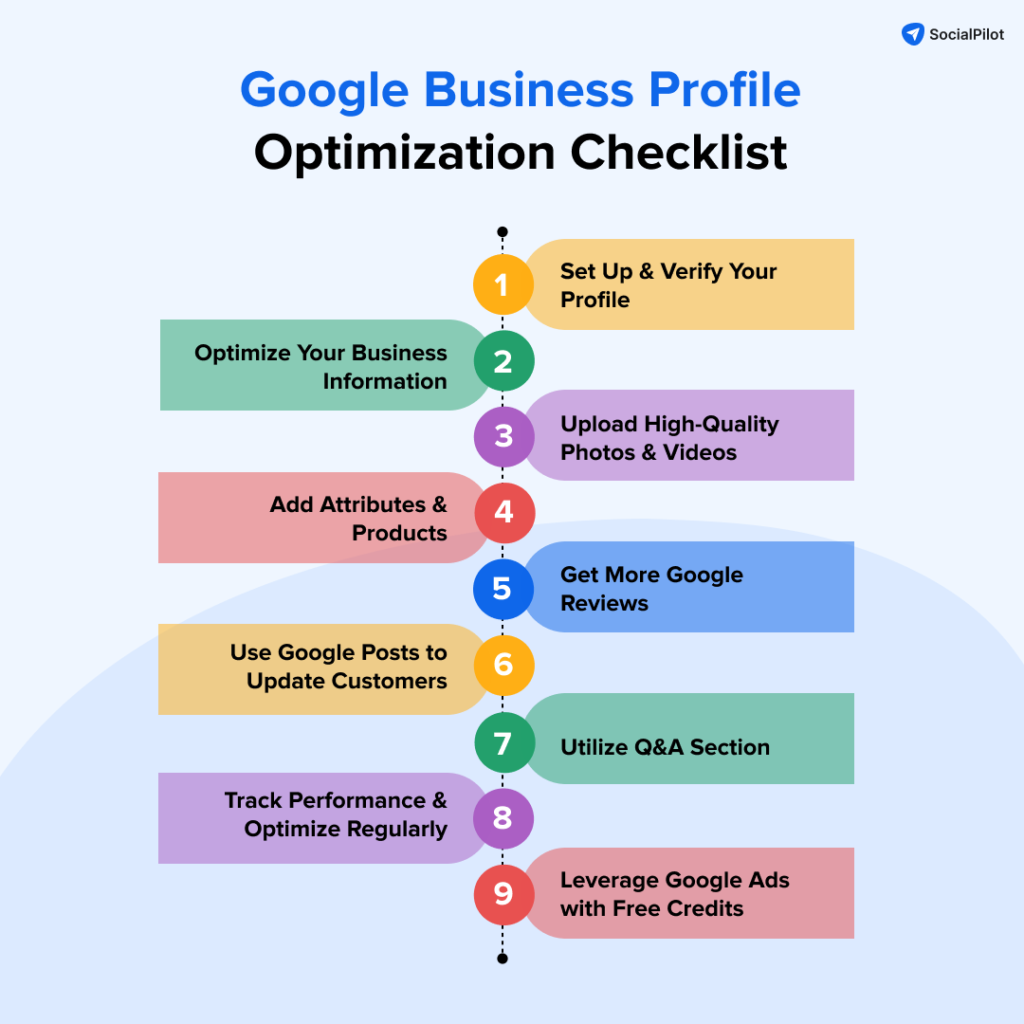
- Google Business Profile (GBP): Claim and fully optimize your GBP listing. This is often the first touchpoint for local customers and heavily influences local search results. Keep hours, services, and contact information current. Regularly post updates and respond to all reviews.

Google Business Profile optimization checklist - Key Social Media Profiles: Identify the 1-2 social platforms where your target audience is most active and where you can consistently maintain a professional presence. Claim your brand name on others, even if you don’t actively post, to prevent impersonation.
- Content Strategy: Develop a consistent content plan that showcases your expertise, values, and customer successes. This could include blog posts, case studies, and FAQs. This content serves as a buffer against negative narratives.
What to deprioritize today: Don’t feel compelled to establish a robust presence on every single social media platform. Spreading your limited resources too thin across platforms where your audience isn’t highly engaged or where you can’t consistently produce quality content is a waste of time. Focus intensely on your website and GBP first, then strategically select one or two social channels where you can truly excel. Avoid investing in complex, multi-platform content syndication tools until your core owned assets are fully optimized and generating results.
While establishing these foundational assets is critical, the real challenge often lies in their ongoing maintenance. A “technically sound” website isn’t a one-time achievement; it requires continuous attention to security updates, broken links, and content accuracy. Neglecting this creates technical debt that accumulates silently, leading to slower load times, outdated information, and a gradual erosion of search engine visibility and user trust. This isn’t a sudden collapse, but a slow, often unnoticed decay that undermines your initial investment.
Similarly, the directive to “respond to all reviews” on platforms like Google Business Profile, while sound in theory, presents a significant practical and emotional burden for small teams. It’s easy to become defensive when faced with negative feedback, or to delay responses due to the sheer volume or the emotional toll. This isn’t just a process oversight; it’s a human challenge. Inconsistent or delayed responses can amplify negative sentiment, turning a minor complaint into a public relations issue and creating internal friction about who owns the difficult conversations.
Finally, a “consistent content plan” is often misinterpreted as a mandate to constantly produce new material. For resource-constrained teams, this pressure can lead to rushed, low-quality output that does more harm than good. What’s frequently overlooked is the immense value of regularly auditing and refreshing existing content. Outdated blog posts, FAQs, or service descriptions can quickly become irrelevant or even misleading. Prioritizing a schedule for content updates and improvements often yields better long-term results and maintains your authority more effectively than a relentless pursuit of new, potentially superficial content.
Monitoring Your Brand Mentions Effectively
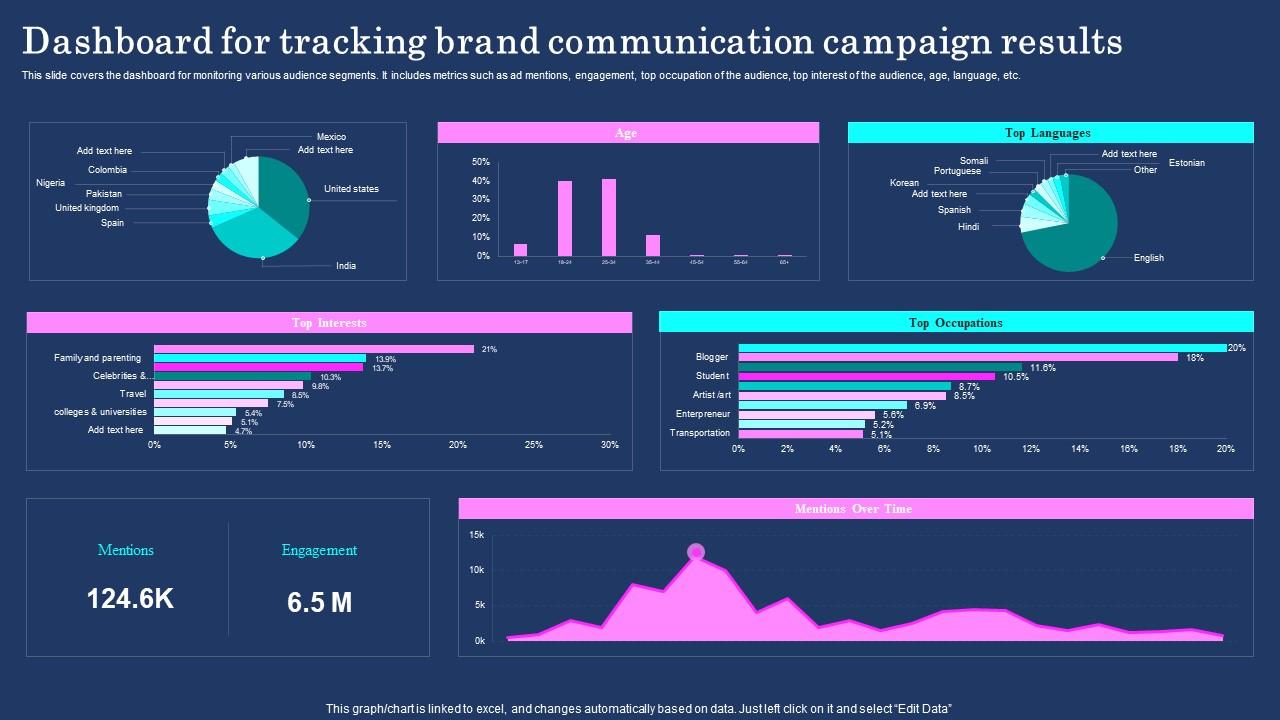
Early detection of brand mentions, both positive and negative, is crucial. You can’t address what you don’t know about. For SMBs, sophisticated, expensive listening tools aren’t always necessary. Start with these practical steps:
- Google Alerts: Set up alerts for your brand name, product names, and key personnel. This provides basic, real-time notifications of new mentions across the web.
- Social Media Monitoring: Use the native search functions within your primary social media platforms to search for your brand name and relevant hashtags. Tools like Hootsuite or Sprout Social offer more robust monitoring, but manual checks are a good starting point.
- Review Site Monitoring: Regularly check major review platforms relevant to your industry (e.g., Yelp, TripAdvisor, industry-specific sites) in addition to your GBP reviews.
What’s easy to overlook with these practical, low-cost approaches is the hidden cost of human attention. While setting up alerts is quick, consistently reviewing and acting on them demands dedicated time. For small teams, this often means pulling someone away from other critical tasks, or worse, it becomes an ‘if I have time’ activity that gets deprioritized. The consequence isn’t just delayed response; it’s inconsistent monitoring, which can create blind spots just as effectively as not monitoring at all.
Another common pitfall is assuming that keyword-based alerts capture the full picture. Tools like Google Alerts are effective for direct mentions, but they struggle with context, sentiment, or indirect conversations. People often discuss experiences related to your brand without explicitly naming it – think ‘that new cafe downtown’ or ‘the software update everyone’s complaining about.’ Relying solely on direct keyword matches can lead to a skewed perception of public sentiment, causing you to miss subtle shifts in customer perception or emerging issues that haven’t yet escalated to direct brand mentions. This isn’t just a missed opportunity; it’s a potential misdiagnosis of your market position.
Beyond detection, the real-world pressure comes when a mention, especially a negative one, actually surfaces. The theory says ‘respond quickly,’ but in practice, small teams often lack a clear, pre-defined protocol for who owns the response, what the approved messaging looks like, and when to escalate. This creates internal friction, delays, and inconsistent messaging, which can turn a minor issue into a larger PR headache. Prioritizing the development of a simple, internal response framework – even a basic ‘if X, then Y’ guideline – is often deprioritized in favor of ‘getting the monitoring set up,’ but it’s crucial for effective brand management.
Strategic Content for Reputation Building
Your owned content is your strongest defense. By consistently publishing high-quality, relevant content, you can dominate search results for your brand name and related queries, pushing down less desirable content. This isn’t about creating content for content’s sake; it’s about strategic positioning.
- Thought Leadership: Position your team as experts in your field. Publish articles, guides, or whitepapers that demonstrate your knowledge and provide value to your audience. This builds authority and trust.
- Customer Success Stories & Testimonials: Showcase positive customer experiences. These act as powerful social proof and provide excellent content for your website and social channels.
- FAQs and Problem-Solving Content: Address common customer questions and concerns proactively. This not only helps your audience but also allows you to control the narrative around potential issues.
- Internal Linking: Strategically link your positive content together. This strengthens the authority of these pages in the eyes of search engines, helping them rank higher.
Handling Negative Search Results: A Pragmatic Approach
Despite best efforts, negative content can appear. Your response needs to be measured and strategic:
- Content Suppression: This is your primary SEO strategy. Create more positive, authoritative content on your owned properties and reputable third-party sites. The goal is to outrank the negative content, pushing it off the first page of search results. This requires consistent effort and strong SEO fundamentals.
- Direct Engagement (Cautiously): For negative reviews or comments on platforms you control, respond professionally and empathetically. Offer solutions where appropriate. For external articles, assess whether a direct response or correction is warranted and if it will genuinely improve the situation or simply draw more attention. Sometimes, silence is the better option.
- Legal Avenues (Last Resort): If the content is factually incorrect, defamatory, or violates platform terms of service, legal action or platform reporting might be considered. This is rarely an SEO strategy and should be pursued with legal counsel.
Remember, the goal is not always to remove negative content, but to minimize its visibility and impact. Focus on building such a strong positive presence that any negative mentions are overshadowed.
Building Trust Through Reviews and Testimonials
Online reviews are a cornerstone of modern reputation. Actively managing them is a proactive SEO strategy.
- Encourage Legitimate Reviews: Implement systems to politely ask satisfied customers for reviews on relevant platforms (e.g., Google Business Profile, industry-specific sites). Make the process easy.
- Respond to All Reviews: Acknowledge positive reviews with gratitude. For negative reviews, respond promptly, professionally, and constructively. Show that you listen and care about customer experience. This demonstrates transparency and a commitment to service, which can turn a negative into a positive perception. how to respond to Google reviews
- Showcase Testimonials: Integrate positive testimonials and case studies prominently on your website. This provides social proof and reinforces your brand’s credibility.
Sustaining Your Brand’s Online Health
Protecting your brand’s online presence is an ongoing commitment, not a one-time project. Search engine algorithms evolve, new platforms emerge, and public sentiment can shift. Regular monitoring, consistent content creation, and proactive engagement are essential. Schedule quarterly reviews of your brand’s search results, refresh older positive content, and adapt your strategy as needed. This continuous vigilance ensures your brand maintains a strong, positive digital footprint, allowing you to focus on growth rather than damage control.


2 Comments