


Defining “Value” Beyond Vanity Metrics
Many small and mid-sized teams get stuck reporting on likes, shares, and follower counts. While these indicate reach and engagement, they rarely translate directly to business growth. For a practitioner, “value” means leads generated, website traffic that converts, direct sales, customer support cost reduction, or improved customer retention. Your social media strategy must align with these core business objectives from the outset. If you cannot draw a clear line from a social activity to one of these outcomes, it is likely a distraction.
Essential Metrics for Business Impact
To prove social media’s worth, shift your focus to metrics that directly influence your bottom line. These are not always the easiest to track, but they provide the clearest picture of return on investment.
- Website Traffic & Referrals: How much traffic does social media drive to your website? More importantly, what is the quality of that traffic? Look at bounce rate, pages per session, and average session duration for social visitors compared to other channels.
- Lead Generation: Track form submissions, newsletter sign-ups, or direct messages that convert into qualified leads. Integrate your social platforms with your CRM where possible to follow the lead journey.
- Conversion Rates: For e-commerce, this means direct sales attributed to social. For service businesses, it is appointment bookings or consultation requests. Track the percentage of social visitors who complete a desired action.
- Customer Acquisition Cost (CAC): If you are running paid social campaigns, calculate the cost to acquire a new customer through those efforts. Compare this to other channels.
- Customer Lifetime Value (CLV): While harder to directly attribute, social media can play a role in nurturing customer relationships. Monitor if customers acquired or engaged via social have a higher CLV over time.
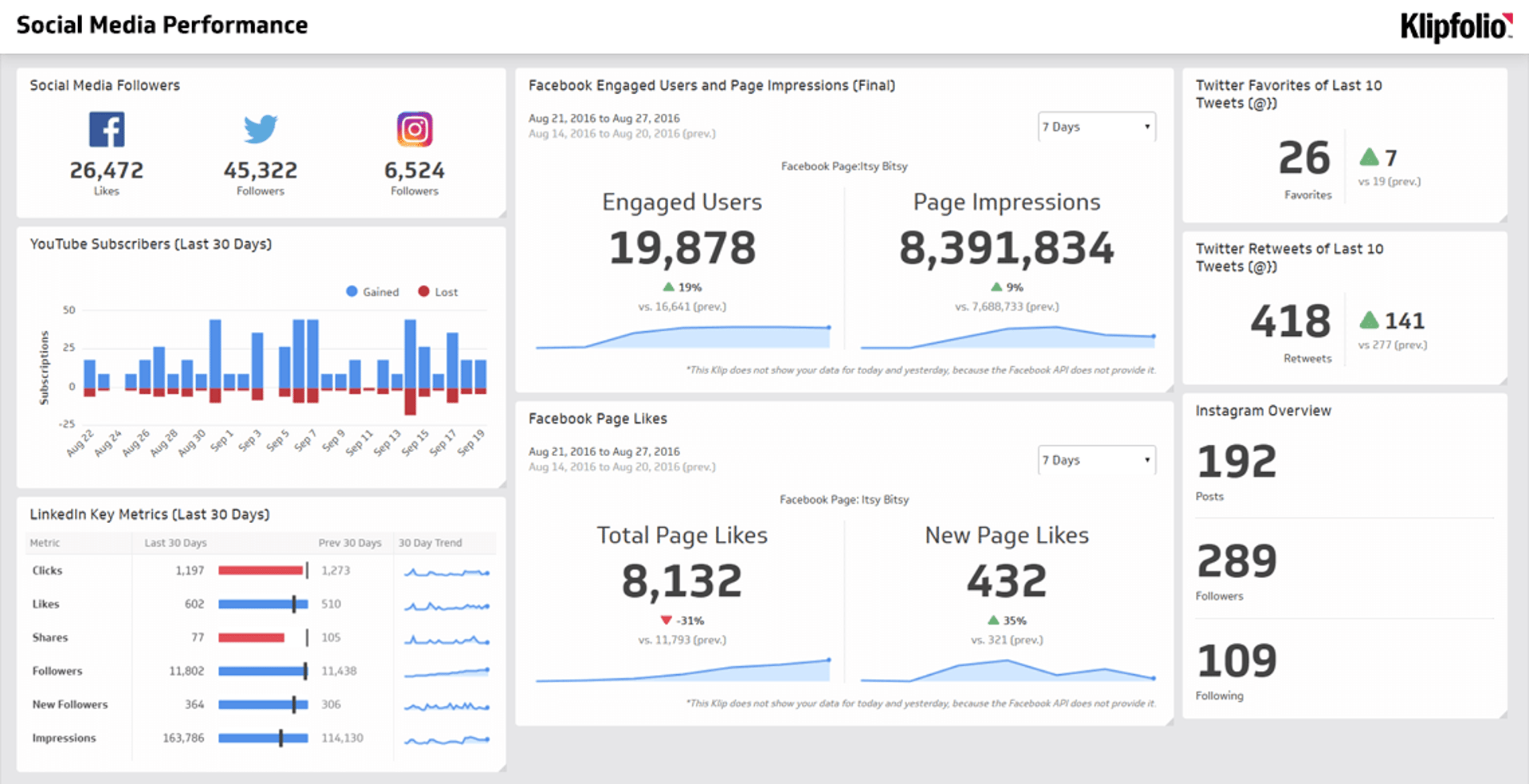
What often gets overlooked is that setting up tracking for these metrics is only half the battle. Maintaining data integrity, ensuring consistent attribution models across various platforms, and regularly auditing your data sources represent a significant, ongoing operational burden. Without this sustained effort, the numbers can quickly become unreliable, leading to conflicting reports and eroding trust in the very data intended to guide decisions. This hidden cost of data maintenance can quietly consume resources and frustrate teams trying to make sense of their performance.
Furthermore, while Customer Lifetime Value (CLV) is a powerful strategic concept, directly attributing it to social media within the constraints of a small-to-midsize business is often more theoretical than practical. The data infrastructure and analytical sophistication required to isolate social’s precise long-term impact on CLV are typically beyond what lean teams can realistically manage. Attempting to force this attribution can lead to over-engineered tracking systems that consume valuable time and budget without yielding truly actionable insights, or worse, generate misleading correlations that inform poor strategic choices.
The practical reality for many teams is the constant tension between demonstrating immediate impact and building long-term value. The pressure to show quick wins often pushes practitioners to prioritize easily trackable, short-term metrics like traffic and direct conversions, even when they instinctively know that deeper engagement or brand sentiment might be more impactful over time. This can result in a strategic drift, where efforts are constantly chasing the next immediate reporting demand rather than investing in the sustained, compounding growth that social media is uniquely positioned to deliver.
Connecting Social Activity to Conversions
The bridge between social engagement and business outcomes is often built with tracking. Without proper setup, you are guessing. The most critical tool here is UTM parameters. Use them consistently on every link you share from social media to your website. This allows tools like Google Analytics 4 (GA4) to accurately identify the source, medium, and campaign of your website traffic. This isn’t optional; it’s foundational.
Beyond basic link tracking, consider integrating lead forms directly into platforms like LinkedIn or Facebook, which can then push data to your CRM. For customer service, track the volume of inquiries handled via social channels and compare it to traditional channels like phone or email. If social reduces support costs or improves resolution times, that’s a measurable win.
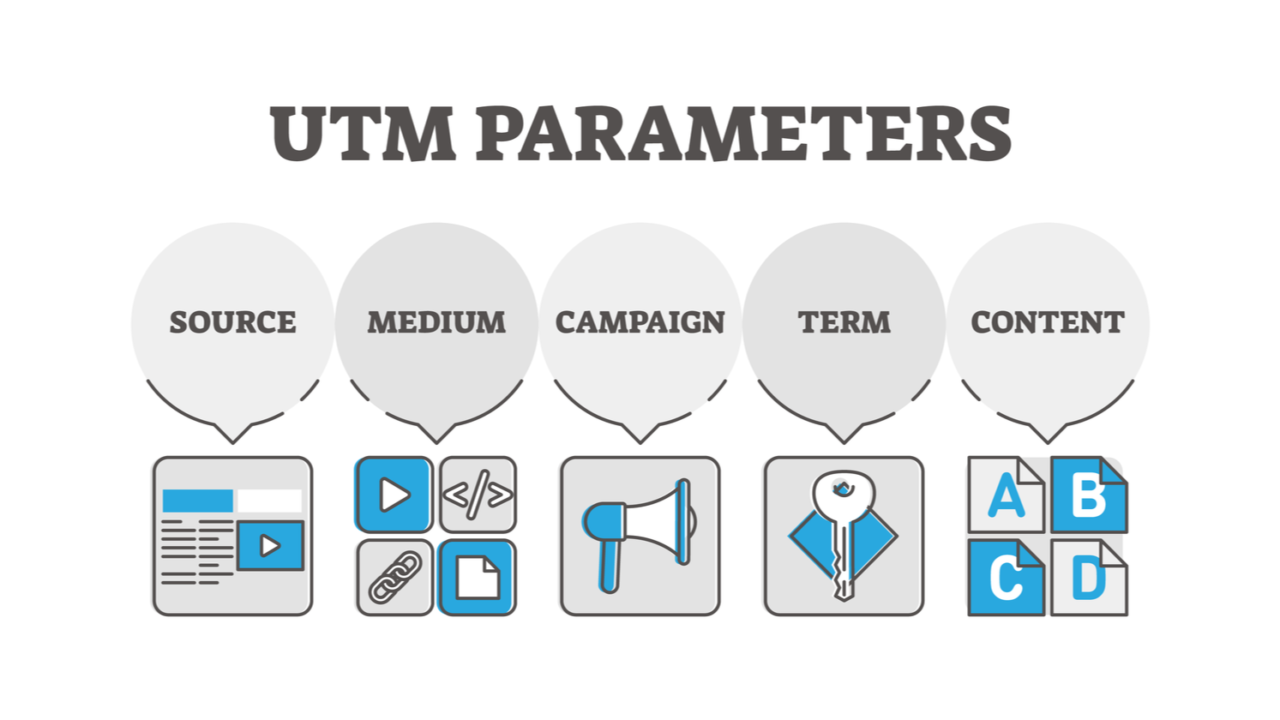
While UTMs are foundational, their practical application often reveals a hidden cost: inconsistency. It’s simple enough to set up a few links correctly, but maintaining discipline across dozens of posts, multiple campaigns, and different team members is where the system breaks down. A common failure mode is the gradual erosion of a naming convention, leading to fragmented data where ‘Facebook_Ad’ and ‘facebook-ad’ appear as separate sources. This isn’t just an aesthetic problem; it creates noise that makes accurate reporting difficult, forcing manual cleanup or, worse, leading to misinformed decisions based on incomplete pictures.
The real friction point here is often human. Teams, especially those stretched thin, find the manual effort of consistent UTM application tedious. When data comes back messy, the immediate reaction isn’t usually to fix the tracking process, but to question the data’s validity. This erodes trust in analytics, making it harder to justify future social investments or pivot strategies. The delayed consequence is a team that defaults back to gut feelings because the ‘data’ is too much work to interpret reliably, effectively negating the initial effort to track.
It’s also easy to fall into the trap of trying to force a direct conversion metric on every single social activity. In theory, every post should lead to a measurable outcome. In practice, many social interactions serve a broader purpose, like brand building, community engagement, or simply staying top-of-mind. Trying to assign a direct conversion value to every single tweet or informational post can be an exercise in futility, consuming valuable time without yielding actionable insights. For teams with limited resources, prioritize robust conversion tracking for specific, high-intent campaigns or content designed for direct action. Accept that some social activity builds a necessary foundation that pays off indirectly and later, even if it doesn’t show up as a direct conversion in GA4 today. Chasing perfect attribution for every single touchpoint can quickly become an operational bottleneck, diverting focus from activities that genuinely move the needle.
Practical Attribution for SMBs
Attribution is complex, and for small teams, chasing a perfect multi-touch model is often a waste of resources. Focus on what is actionable. Start with a last-click attribution model in GA4 to understand direct conversions from social. This gives you a baseline. Then, look at “assisted conversions” or “top conversion paths” to see where social media plays a role earlier in the customer journey, even if it wasn’t the final touchpoint. This pragmatic approach acknowledges social’s role without demanding an overly sophisticated setup that most SMBs cannot maintain.
For example, if a customer first discovers your brand via an Instagram ad, then later converts after a Google search, social media assisted that conversion. Understanding these paths helps justify continued investment, even if social isn’t always the final conversion driver. The goal is to show a clear contribution, not necessarily to claim sole credit for every sale.
Google Analytics 4 attribution models
What to Prioritize and What to Skip Today
Given limited budgets and headcount, prioritization is key. Prioritize: Setting up robust UTM tracking for all social links, integrating social lead forms with your CRM, and regularly reviewing GA4 reports for social-driven traffic quality and conversions. Focus your content efforts on platforms where your target audience is most active and where you can realistically drive measurable actions. For instance, if LinkedIn consistently drives qualified leads, double down there. If Instagram primarily generates brand awareness but no direct conversions, adjust your expectations and measurement accordingly, or re-evaluate your strategy for that platform.
What to deprioritize or skip today: Avoid chasing every new social media trend or platform unless there’s a clear, measurable business case and your core channels are already optimized. Do not invest heavily in complex, expensive multi-touch attribution software if your foundational tracking (UTMs, GA4 goals) isn’t solid. Similarly, resist the urge to create content for every single platform just for the sake of presence; this often dilutes effort and yields minimal measurable return. Focus on depth over breadth, and impact over vanity.



Leave a Comment