

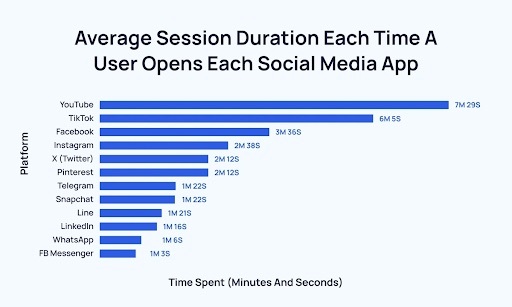
Social media demographics are always in flux, and for small to mid-sized businesses, this isn’t just a data point – it’s a strategic challenge. Your marketing team, likely lean and budget-conscious, needs to make smart decisions about where to invest time and effort. This article will cut through the noise, offering actionable strategies to identify where your audience is actually moving, how to adapt your content, and crucially, what to deprioritize to ensure your engagement efforts yield real business results.
You’ll gain a clearer framework for platform prioritization, practical tips for content adaptation, and a pragmatic approach to measuring success, all designed to help you navigate these shifts without overextending your limited resources.
Understanding the Shifting Landscape: What Matters for SMBs
The core challenge isn’t just knowing that demographics are shifting; it’s understanding the implications for your specific business. For instance, while a platform might be growing overall, if your target demographic isn’t there in significant numbers, or if the cost of reaching them is prohibitive, it’s not a viable channel for you. We’re seeing continued diversification across platforms, with younger audiences often migrating to newer, more niche spaces, while established platforms like Facebook and Instagram retain older, broader user bases. LinkedIn remains critical for B2B, and TikTok continues its evolution from pure entertainment to a more diverse content ecosystem.
Your first step is to get a realistic picture of where your current and ideal customers spend their time. This isn’t about chasing every new trend, but about strategic alignment. Focus on data from your own analytics, customer surveys, and reliable industry reports to inform your decisions, rather than anecdotal evidence.
Prioritizing Platforms: Where to Focus Your Limited Resources
With limited headcount and budget, you cannot be everywhere effectively. Prioritization is non-negotiable. Start by mapping your target audience’s primary platforms against your business goals. For example:
- If your audience is Gen Z or younger Millennials: TikTok and potentially newer, emerging platforms warrant investigation. Focus on short-form video, authentic content, and community building.
- If your audience is older Millennials or Gen X: Instagram and Facebook often remain strong. Instagram for visual storytelling and community, Facebook for groups, events, and targeted ads.
- If your audience is B2B professionals: LinkedIn is paramount. Focus on thought leadership, industry insights, and professional networking.
- If your audience is broad and visually driven: Pinterest can be a powerful discovery engine, especially for products in home decor, fashion, or DIY.
Don’t just look at user numbers; consider engagement rates and the platform’s native content style. A platform with fewer users but higher engagement from your target demographic is often more valuable than a platform with millions of users who ignore your content.
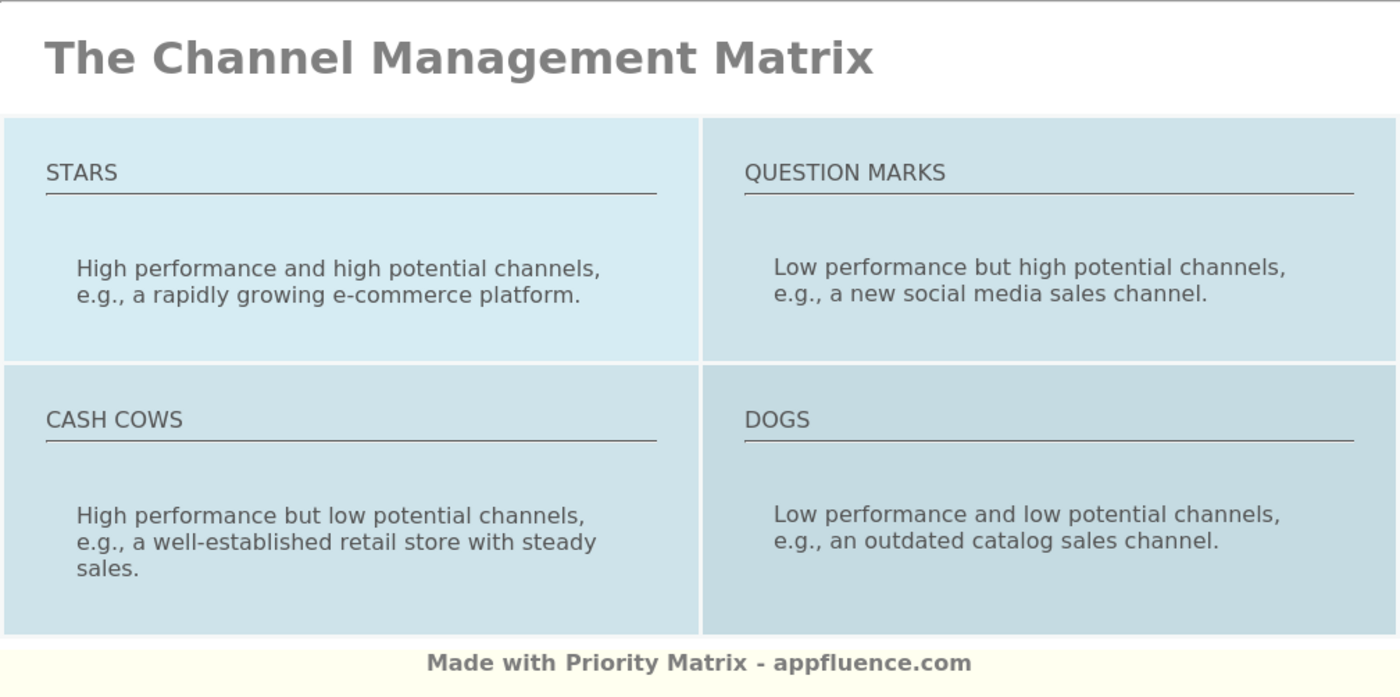
What often gets overlooked in this prioritization exercise is the hidden cost of a diluted presence. Attempting to maintain a superficial presence across too many platforms, even those with some audience overlap, rarely yields meaningful results. It’s a common trap to think ‘some presence is better than none,’ but in practice, a half-hearted effort often consumes resources without building real engagement or driving business outcomes. This isn’t just inefficient; it actively siphons energy from where it could be truly impactful.
The downstream effect of this overextension is a decline in content quality and team morale. When marketing teams are stretched thin, they resort to repurposing generic content or posting for the sake of posting, rather than creating platform-native, audience-specific material. This leads to lower engagement, which in turn fuels frustration and a sense of futility among the practitioners responsible for execution. The initial decision to ‘just try’ a new platform can quickly snowball into a significant drain on creative capacity and a demotivating cycle of underperformance.
Furthermore, the theoretical ideal of strict prioritization often clashes with the real-world pressure to ‘be everywhere’ or to follow competitors onto every new channel. This external pressure can lead to reactive decisions, forcing teams to allocate resources based on fear of missing out rather than strategic alignment. It’s easy for leadership to mandate a presence on a trending platform, but the operational burden and the specific content expertise required are frequently underestimated, leading to a disconnect between strategic intent and practical execution.
For most small to mid-sized businesses, the pragmatic choice is to ruthlessly deprioritize any platform where you cannot commit to consistent, high-quality, platform-native content creation. If you can’t genuinely engage, educate, or entertain your audience in a way that feels authentic to that specific channel, it’s better to skip it entirely for now. A strong, focused presence on one or two key platforms will always outperform a scattered, weak presence across five.
Content Strategy for Evolving Audiences
Once you’ve prioritized platforms, adapt your content. This doesn’t mean reinventing the wheel for each channel, but rather tailoring your core message to fit the platform’s format and audience expectations. For instance:
- Short-form video: Essential for platforms like TikTok and Instagram Reels. Focus on quick hooks, clear value propositions, and authentic storytelling. Repurpose longer video content into bite-sized clips.
- Visual storytelling: Instagram and Pinterest thrive on high-quality images and graphics. Use carousels, infographics, and visually appealing product shots.
- Thought leadership: LinkedIn requires well-researched articles, professional updates, and engaging discussions. Position your brand as an expert.
- Community engagement: Facebook Groups and Reddit (if relevant to your niche) are excellent for direct interaction, Q&As, and building brand loyalty.
The key is to maintain your brand voice while speaking the native language of each platform. Consistency in message, flexibility in format.
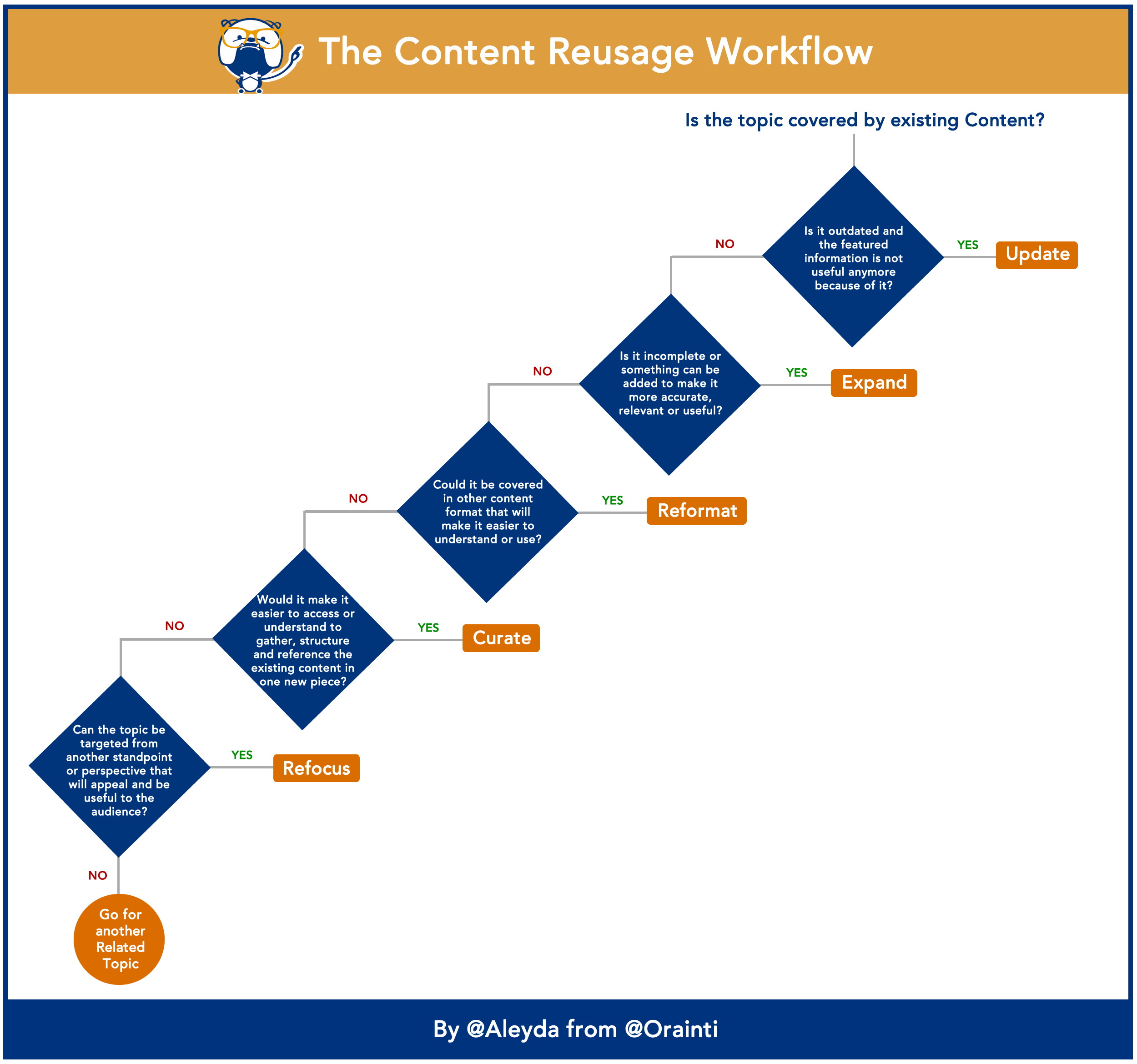
What’s easy to overlook is the practical burden of this adaptation. While “tailoring” and “repurposing” sound efficient in theory, they often mask significant hidden costs and skill gaps. Simply cutting a longer video into short clips, for example, rarely works without a complete re-edit for pacing, new hooks, and platform-specific calls to action. This isn’t just a time cost; it demands distinct editing, writing, or design expertise for each channel. Teams often underestimate the dedicated effort required to genuinely transform content, leading to rushed efforts that technically fit the format but fail to resonate.
This superficial adaptation is a common failure mode. When resources are stretched, teams might go through the motions of tailoring without truly internalizing a platform’s unique user behavior and subculture. The downstream effect is a diluted brand presence across channels, where the message feels generic or out of place. This leads to low engagement, wasted effort, and ultimately, audience fatigue. It’s not enough to simply be present; the goal is to be effective on each platform, which requires a deeper commitment than just ticking a box.
The tension between maintaining a consistent brand voice and speaking the native language of each platform also creates real decision pressure. Striving for perfect consistency can stifle genuine adaptation, making content feel rigid or tone-deaf in certain contexts. Conversely, over-flexibility risks diluting the core brand identity, making it unrecognizable across channels. The practical challenge lies in defining the immutable core of your brand’s message and voice, then empowering content creators to experiment within those boundaries. This requires clear internal guidelines and a willingness to accept that “perfect” uniformity across vastly different digital cultures is an unrealistic and often counterproductive goal.
Measuring Impact and Adapting
Effective social media strategy isn’t static; it requires continuous measurement and adaptation. For SMBs, this means focusing on metrics that directly tie back to business objectives, not just vanity metrics. Track:
- Engagement Rate: Are people interacting with your content? (Likes, comments, shares, saves).
- Reach & Impressions: How many unique users are seeing your content?
- Website Clicks/Conversions: Is social media driving traffic or sales? Use UTM parameters to track this accurately.
- Audience Growth & Demographics: Are you attracting the right people? Monitor platform insights to ensure your audience aligns with your targets.
Regularly review these metrics (monthly or quarterly) to identify what’s working and what isn’t. Be prepared to pivot your content strategy or even re-evaluate platform prioritization based on real-world performance. Don’t be afraid to experiment with A/B testing different content types or posting times.
What to Deprioritize Now
For small to mid-sized businesses, the biggest mistake is trying to do everything. You should immediately deprioritize chasing every new social media platform or micro-trend. Unless there’s clear, data-backed evidence that your core audience is migrating en masse to a new platform, or that it offers a unique, low-cost opportunity for direct conversion, resist the urge to jump on board. Spreading your limited resources too thin across too many channels leads to diluted effort and poor results everywhere. Instead, double down on the two to three platforms where your audience is most engaged and where you can consistently produce high-quality content. Avoid investing heavily in complex, high-production video content for every single platform if your team lacks the internal expertise or budget; focus on repurposing existing assets and optimizing for native platform features first. Also, deprioritize generic content that doesn’t speak directly to your audience’s pain points or interests; it’s a waste of time and won’t drive engagement.
Building Agility for Future Shifts
The only constant in social media is change. For SMBs, building agility into your marketing operations is crucial. This means:
- Stay informed, don’t react impulsively: Keep an eye on industry news and demographic reports social media demographics 2026 but wait for trends to solidify before making major strategic shifts.
- Invest in foundational skills: Ensure your team has strong skills in content creation, analytics interpretation, and community management, which are transferable across platforms.
- Leverage AI tools strategically: Use AI for content ideation, scheduling, and basic analytics to free up your team for higher-value strategic work. Tools like those discussed on MarketingPlux can help streamline these processes AI tools for social media marketing.
- Foster a culture of experimentation: Encourage your team to test new content formats or engagement tactics on your prioritized platforms, but always with clear objectives and measurement in place.
By focusing on core principles and maintaining a flexible approach, your brand can navigate the ever-evolving social media landscape effectively, ensuring your marketing efforts contribute directly to business growth.
,


Leave a Comment