

In today’s competitive landscape, small to mid-sized businesses often feel the squeeze, battling larger players with deeper pockets and more extensive teams. This article cuts through the noise to provide actionable, AI-driven strategies that help you not just survive, but thrive. You’ll gain clear insights on where to focus your limited resources, what AI tools offer the most immediate impact, and how to make smart trade-offs to drive sustainable growth.
We’ll prioritize practical applications over theoretical concepts, guiding you on how to leverage AI to understand your market, acquire and retain customers, and optimize your operations, all while working within real-world budget and headcount constraints.
Understanding Your Competitive Landscape with AI
Before you can win, you need to know who you’re up against and where the opportunities lie. For SMBs, traditional, exhaustive market research is often a luxury. This is where AI tools shine, offering rapid, actionable insights without demanding a dedicated analyst team.
Start by using AI-powered tools to monitor competitor activity. Look beyond just their websites; analyze their social media engagement, ad campaigns, and content strategy. Tools can quickly identify their top-performing keywords, content gaps you can exploit, and even sentiment around their brand. This isn’t about copying; it’s about identifying weaknesses and underserved niches that your business can target effectively. Focus on understanding their customer acquisition channels and messaging. What are they doing well? Where are they falling short?
What you should deprioritize here is attempting to build a comprehensive, academic-style competitive matrix. For a small team, the goal is not completeness, but actionable intelligence. Don’t get bogged down in collecting every data point. Instead, focus on identifying two or three key competitors and extracting their core strategies and vulnerabilities that you can immediately respond to or leverage. Over-analysis leads to paralysis, especially when resources are tight.
Prioritizing AI for Customer Acquisition & Retention
For small teams, every marketing dollar and hour must count. AI offers significant leverage in both acquiring new customers and retaining existing ones by making your efforts more precise and personalized.
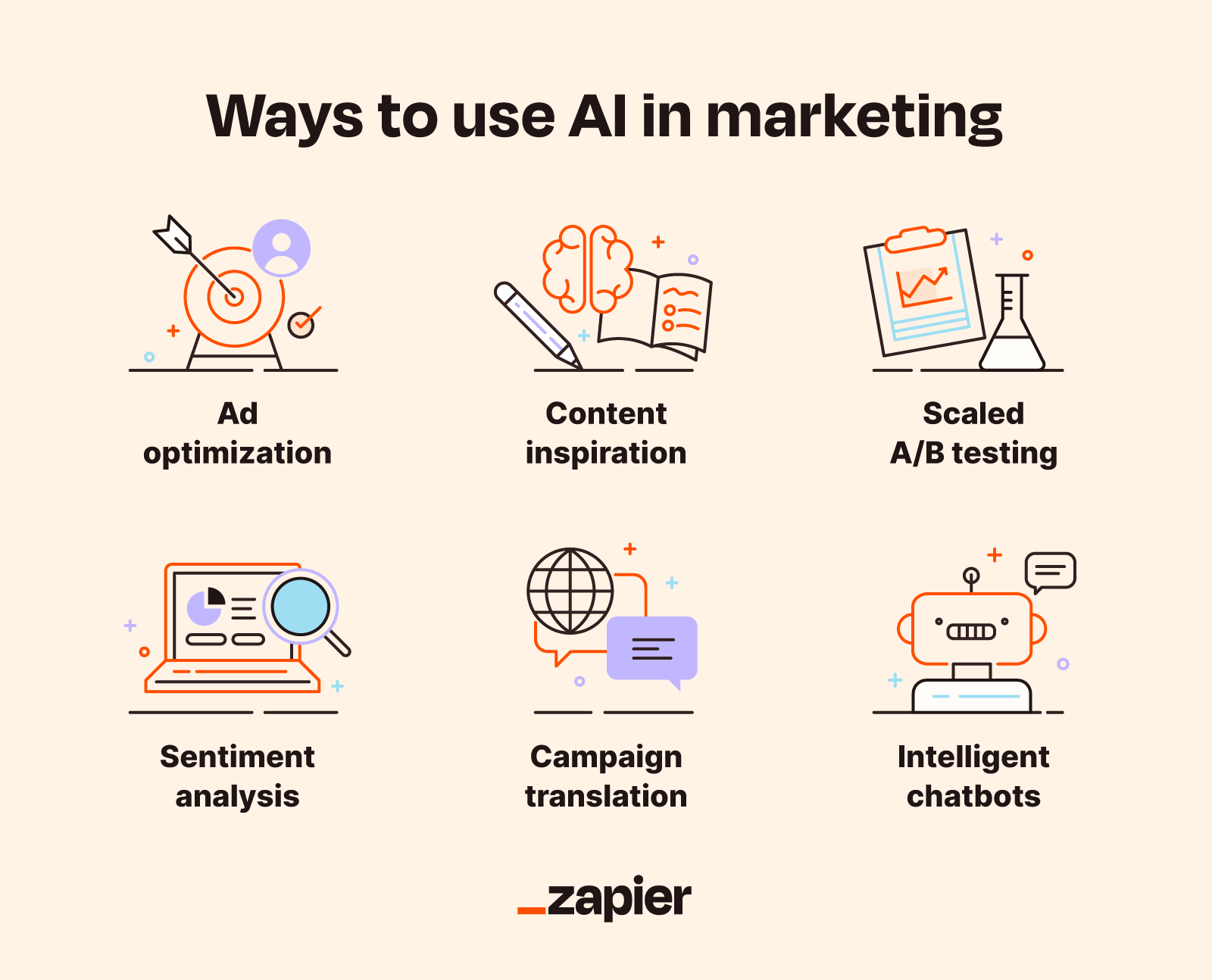
- Targeted Advertising: AI excels at audience segmentation. Instead of broad campaigns, use AI to analyze your existing customer data and identify lookalike audiences for platforms like Google Ads and Meta. This dramatically improves ad relevance and reduces wasted spend. AI can also assist in generating multiple ad copy variations and even visual assets, testing them rapidly to find the highest performers.
- Personalized Content & Offers: AI-driven recommendation engines, even simple ones integrated into your CRM or e-commerce platform, can suggest relevant products or content to website visitors and email subscribers. This personalization boosts engagement and conversion rates. For instance, an e-commerce store can use AI to recommend products based on browsing history or past purchases, a tactic proven to increase average order value. AI product recommendations
- Predictive Analytics for Churn: For subscription-based businesses or those with recurring customers, AI can predict which customers are at risk of churning. This allows your team to proactively engage with targeted retention offers or support, saving valuable customer relationships before they’re lost.
The immediate benefit is a more efficient funnel. You’re not just casting a wider net; you’re using AI to cast a smarter, more targeted net, ensuring your message reaches the right people at the right time.
What’s often overlooked in the rush to adopt AI is the foundational requirement of clean, accessible data. For many small to mid-sized businesses, customer data resides in disparate systems, is incomplete, or contains inconsistencies. Feeding ‘dirty’ data into an AI model—whether for segmentation, personalization, or churn prediction—doesn’t just yield suboptimal results; it actively misleads. The AI will optimize based on the patterns it finds, even if those patterns are artifacts of poor data hygiene. This creates a hidden operational cost: the ongoing effort required to collect, clean, and maintain data quality, which can quickly consume the very time savings AI was supposed to deliver.
Another common pitfall is the temptation to over-rely on AI outputs without sufficient human oversight. While AI excels at identifying correlations and optimizing for specific metrics, it lacks the nuanced understanding of brand voice, evolving market sentiment, or the ‘why’ behind customer behavior. Blindly accepting AI-generated ad copy or content, for example, can lead to messaging that feels generic, off-brand, or misses a critical emotional connection. The pressure to automate can inadvertently sideline the strategic thinking and creative judgment that truly differentiates a brand, turning marketing efforts into a purely algorithmic exercise rather than a human-centric one.
Furthermore, the integration of AI tools, even those marketed as ‘plug-and-play,’ rarely happens in a vacuum. For teams with existing tech stacks, connecting new AI capabilities to CRMs, e-commerce platforms, or ad managers often involves more than just a simple API key. It can introduce unexpected technical complexities, requiring custom development, data mapping, or workarounds that create technical debt. This isn’t just about initial setup time; it’s a downstream effect that can divert limited IT or developer resources from other critical business needs, making future system upgrades or changes more difficult and costly than anticipated. What starts as a promising efficiency gain can evolve into a long-term maintenance burden if not approached with a clear understanding of the integration realities.
Operationalizing AI: What to Implement First
Implementing AI doesn’t require a data science team. For SMBs, the focus should be on integrating readily available, user-friendly AI tools that solve immediate pain points and offer clear ROI.
Start with tools that automate repetitive tasks or provide quick insights:
- Content Generation & Optimization: Leverage AI writing assistants for drafting blog post outlines, social media captions, or email subject lines. These tools can significantly speed up content creation, freeing up your team for strategic thinking and editing. Use AI for SEO analysis to identify keyword opportunities and optimize existing content for search engines. AI content optimization
- Customer Support Chatbots: Implement AI-powered chatbots for your website to handle frequently asked questions (FAQs). This reduces the load on your customer service team, provides instant answers to customers, and can even qualify leads before passing them to a human.
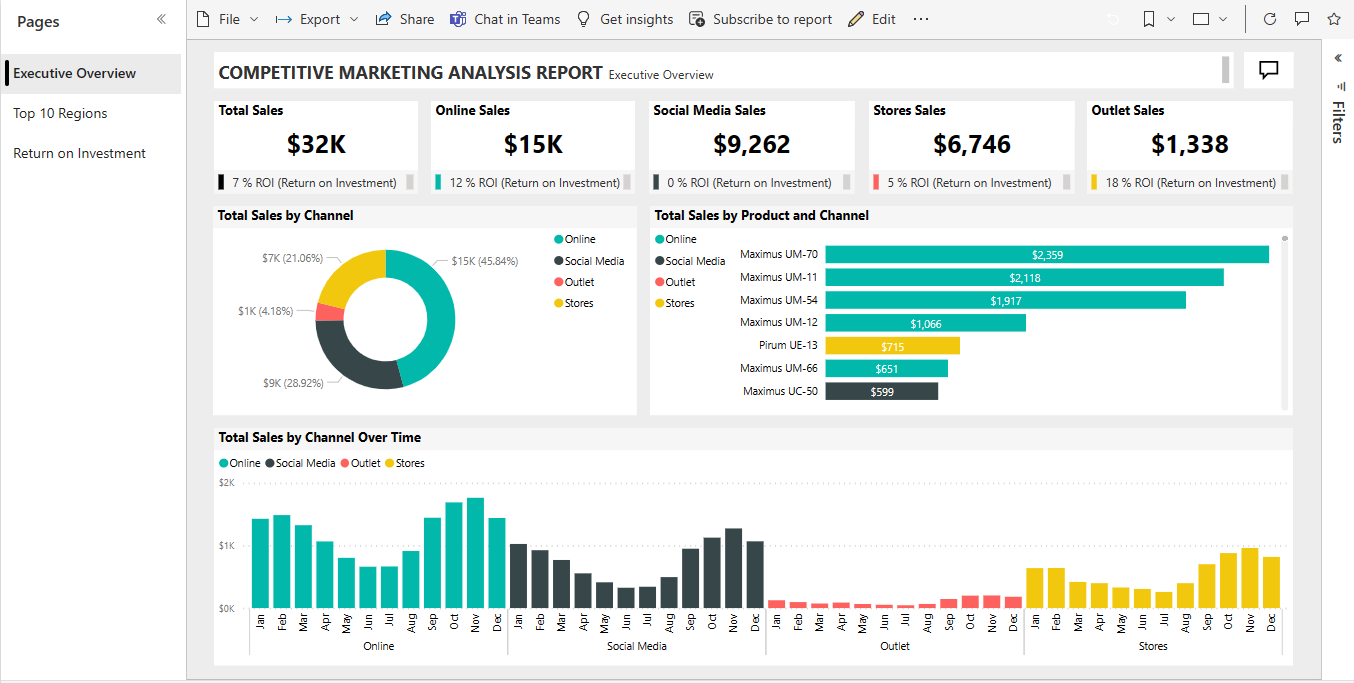
- Marketing Analytics & Reporting: Many modern analytics platforms now incorporate AI to highlight key trends, anomalies, and actionable insights from your data, saving hours of manual report generation and interpretation. Focus on tools that present data clearly and suggest next steps.
Prioritize tools that integrate seamlessly with your existing tech stack (CRM, email marketing, website platform). Avoid custom AI development unless you have a very specific, high-value problem that off-the-shelf solutions cannot address. The cost and complexity of custom solutions are rarely justified for small to mid-sized teams.
While the immediate gains from these tools are clear, it’s crucial to anticipate the downstream effects. For instance, relying too heavily on AI for content generation, especially without a strong editorial hand, can subtly dilute your brand’s unique voice over time. The initial speed boost might come at the cost of generic, undifferentiated output, forcing more human oversight and strategic refinement later to regain distinctiveness. This isn’t a failure of the tool, but a consequence of treating it as a complete solution rather than an accelerator for human creativity.
Similarly, customer support chatbots, while excellent for FAQs, often create a new point of friction when they hit their limits. The handoff from an AI to a human agent can be clunky, requiring customers to re-explain their issue and agents to quickly grasp context. This can erode the very customer satisfaction you aimed to improve, turning an efficiency gain into a source of frustration if the transition isn’t meticulously designed and monitored. The promise of instant answers can quickly become an instant dead end for complex problems.
Even with marketing analytics, where AI highlights trends and anomalies, the interpretation and strategic response remain firmly in human hands. Teams can easily fall into the trap of chasing every AI-identified “insight,” leading to scattered efforts or overreacting to minor fluctuations. The real challenge isn’t just getting the data, but discerning which insights are truly actionable and align with broader business objectives, requiring a level of judgment and strategic prioritization that AI cannot replicate. This shifts the cognitive load from data gathering to critical decision-making under pressure.
Avoiding Common Pitfalls and Overspending
The allure of “AI” can lead to missteps. As a practitioner, your job is to make smart, constrained choices.
- Don’t Chase Every Shiny Object: The AI tool landscape is exploding. Resist the urge to subscribe to every new platform. Evaluate each tool based on its direct impact on your core business goals (e.g., lead generation, conversion, retention) and its ease of integration. A complex tool that requires significant training or data restructuring will likely sit unused.
- Garbage In, Garbage Out: AI models are only as good as the data they’re fed. Before investing heavily in AI analytics or personalization, ensure your data is clean, accurate, and consistently collected. Poor data quality will lead to flawed insights and ineffective campaigns. This is a foundational step that often gets overlooked.
- Avoid Over-Automation: While AI can automate many tasks, don’t automate for automation’s sake. Maintain a human touch where it matters most, especially in customer relationships and high-stakes content. AI should augment your team, not replace critical human judgment and creativity.
Your budget and time are finite. Focus on proven applications of AI that deliver measurable results, rather than speculative ventures or tools that promise the moon but deliver little practical value for your specific context.
Measuring Impact and Adapting Your Strategy
Implementing AI without measuring its impact is akin to driving blind. For SMBs, clear, concise metrics are crucial for validating your investments and guiding future decisions.
Track key performance indicators (KPIs) directly linked to your AI initiatives:
- Customer Acquisition Cost (CAC): Are your AI-driven ad campaigns or personalization efforts reducing the cost to acquire a new customer?
- Conversion Rates: Is AI-optimized content or personalized recommendations leading to higher conversion rates on your website or landing pages?
- Customer Lifetime Value (CLTV): Are AI-powered retention strategies increasing the average value of your customers over time?
- Time Savings: Quantify the hours saved by using AI for content generation, customer support, or data analysis. This translates directly into operational efficiency.
Regularly review these metrics. AI is not a set-it-and-forget-it solution; it requires continuous monitoring and adaptation. Use the insights generated by AI itself to refine your strategies. If a particular AI application isn’t delivering the expected results, be pragmatic: pivot, adjust, or even discontinue it. The goal is sustainable growth, not just adopting technology for its own sake.

3 Comments