

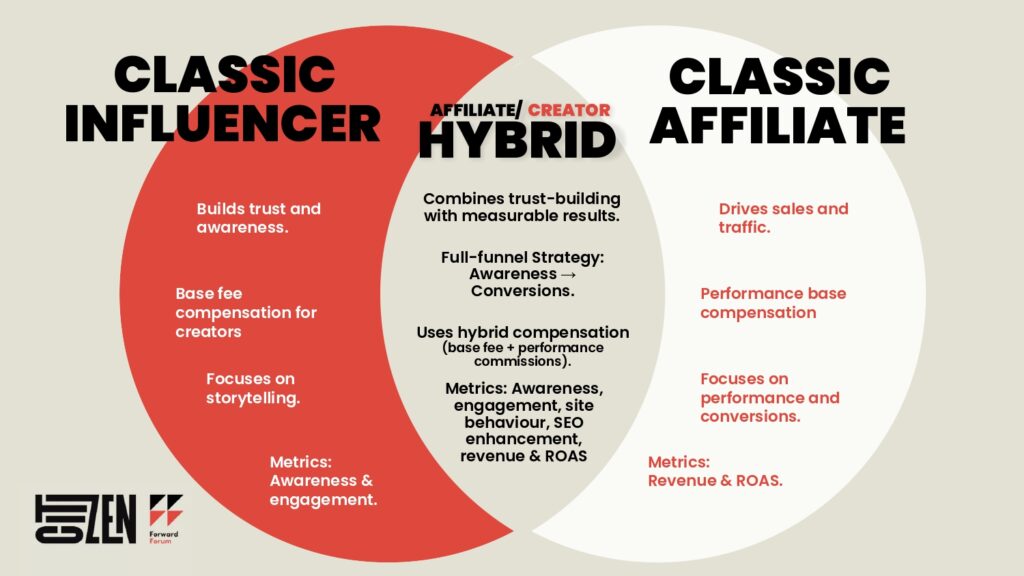
For small to mid-sized businesses, influencer marketing isn’t about chasing viral trends or celebrity endorsements. It’s about making smart, targeted investments that deliver tangible returns. This guide cuts through the noise, offering a practitioner’s perspective on how to leverage influencers to drive measurable results, even with limited budgets and teams.
You’ll learn to identify the right partners, craft campaigns that convert, and accurately measure their impact on your bottom line. Our focus is on practical strategies that work under real-world constraints, helping you prioritize actions that move the needle and avoid common pitfalls.
Shifting Your Influencer Mindset: Beyond Vanity Metrics
The biggest mistake SMBs make is equating follower count with influence or business impact. That’s a vanity metric. Your focus needs to be on business objectives: driving sales, generating qualified leads, increasing specific website conversions, or boosting app downloads. An influencer with 5,000 highly engaged, niche followers is often more valuable than one with 500,000 general followers for a specific product or service.
Think about the audience’s alignment with your ideal customer profile. Are their followers genuinely interested in what you offer? Engagement rate (likes, comments, shares relative to follower count) is a far better indicator of an influencer’s true reach and ability to persuade than raw follower numbers. For SMBs, micro and nano-influencers (typically under 100,000 followers, sometimes even under 10,000) often provide superior engagement, authenticity, and a more cost-effective path to reaching niche audiences.
Identifying the Right Partners, Not Just Popular Ones
Finding the right influencer is less about a massive database and more about diligent research. Start by looking where your target audience already spends time online. Search relevant hashtags, explore communities, and observe who your competitors are working with (and how effectively).
- Audience Alignment: Does their audience demographic (age, location, interests) match your ideal customer?
- Engagement Rate: Look beyond likes. Are there genuine comments, questions, and discussions? Tools can help calculate this, but manual review is critical.
- Authenticity & Brand Fit: Does their content style, values, and tone align with your brand? A mismatch here can feel forced and undermine credibility. Review their past content for sponsored posts – do they integrate them naturally?
- Niche Relevance: For an SMB, a highly specific niche influencer often outperforms a generalist. If you sell artisanal coffee, a coffee blogger is better than a general lifestyle blogger.
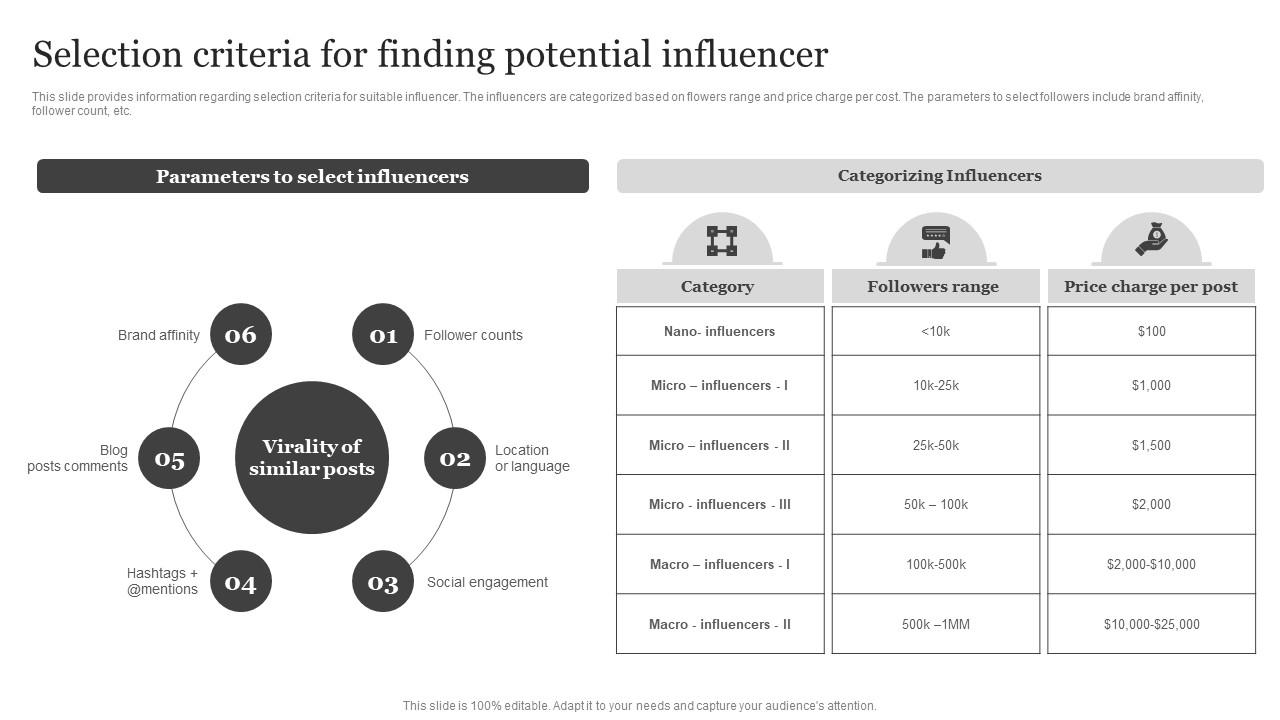
Don’t rely solely on platform metrics. Dig into their comments, look at the quality of interaction, and consider their overall content strategy. This qualitative assessment is crucial for predicting success.
It’s easy to get caught up in the numbers game, especially with engagement rates. But a high engagement rate built on generic comments or “like-for-like” exchanges doesn’t translate to genuine interest in your product or service. The hidden cost here isn’t just the payment to the influencer; it’s the time and effort your team invests in a campaign that generates buzz without intent. This creates a false positive, leading to repeated investment in ineffective channels and delaying the discovery of what truly works for your business.
Another overlooked pitfall is the cumulative effect of brand misalignment. A single partnership with an influencer whose tone or values are slightly off might seem minor, but a series of such collaborations can subtly dilute your brand’s identity over time. Your audience starts to perceive your brand as inconsistent or opportunistic, eroding trust. For small teams, the internal pressure to “just get a campaign live” often overrides the deeper, more time-consuming qualitative vetting needed to prevent this slow erosion, leading to a harder brand-rebuilding effort down the line.
Given these constraints, deprioritize any influencer who requires extensive creative hand-holding or whose content needs significant brand-side editing to fit your guidelines. While some collaboration is essential, a partner who consistently struggles to grasp your brand’s essence or requires constant oversight will become a significant drain on limited team resources. The perceived benefit of their audience reach is quickly offset by the operational overhead and the risk of off-brand content slipping through. Focus on partners who demonstrate an innate understanding and can create authentic content with minimal intervention.
Crafting Campaigns That Convert, Not Just Create Buzz
A successful influencer campaign isn’t just about getting your product seen; it’s about prompting action. Every campaign needs clear, measurable calls-to-action (CTAs) and a straightforward path for the audience to convert.
- Specific CTAs: Instead of


Leave a Comment