


The Shift to Generative Engines: What It Means for Your Content
The landscape of online search is fundamentally changing. Generative AI models are no longer just indexing pages; they’re synthesizing information to provide direct answers. For small to mid-sized businesses, this isn’t a theoretical shift; it’s a practical challenge that demands a re-evaluation of content strategy. Your goal now is to be the most authoritative, clear, and comprehensive source on a given topic, enabling AI to confidently extract and present your insights.
This means moving beyond traditional keyword matching. Generative Engine Optimization (GEO) focuses on creating content that AI models can easily understand, trust, and use to formulate accurate, nuanced responses. It’s about demonstrating true topic mastery, not just keyword density.

Prioritizing Clarity and Authority Over Keyword Density
For SMBs, the first and most critical step in GEO is to prioritize content clarity and authority. Generative AI thrives on well-structured, factually accurate, and deeply insightful information. Content that merely stuffs keywords or offers superficial answers will be overlooked in favor of more robust sources.
- What to do first: Invest in creating definitive, comprehensive pieces of content that thoroughly address a user’s intent. Think of your content as the ultimate resource for a specific question or problem.
- Why: AI models are designed to understand context and nuance. They reward content that demonstrates genuine expertise and provides complete answers, reducing the need for users to click through multiple links.
- Practical tip: Before writing, ask yourself: “Could an AI confidently summarize this piece and provide a correct, helpful answer to a user?” If the answer is no, your content needs more depth or clarity.
What’s easy to overlook is the compounding negative effect of producing content that falls short of this standard. It’s not just that AI overlooks a single weak piece; it’s that a pattern of unauthoritative or unclear content can subtly degrade your domain’s perceived expertise over time. Each piece that an AI struggles to summarize or finds lacking in depth contributes to a cumulative signal that your site isn’t a primary source. This isn’t an immediate penalty, but a slow erosion of trust that makes it exponentially harder to gain traction with future, higher-quality efforts.
This focus on depth also presents a practical challenge for lean teams. The theoretical ideal is clear: quality over quantity. In practice, however, the pressure to “feed the beast” of content calendars often pushes teams towards producing more pieces, even if they’re less comprehensive. This internal decision pressure to hit publishing targets can lead to a proliferation of “good enough” articles that consume resources without truly establishing authority. Furthermore, even when teams genuinely aim for authority, the content might be deep but not *structured* for AI comprehension. A long, dense article, even if factually rich, can be difficult for generative models to parse into concise, direct answers if it lacks clear subheadings, bullet points, or explicit question-answer formats. The intent might be there, but the execution overlooks the need to make the authority *discoverable* and *extractable* by the AI, leading to missed opportunities for direct answers and featured snippets.
Structuring for AI Comprehension: The Semantic Web Approach
How you structure your content is paramount for generative engines. AI models parse the logical flow and hierarchy of information to build a coherent understanding. This isn’t just about good user experience; it’s about making your content machine-readable.
- What works: Employ clear, descriptive
<h2>and<h3>tags to outline your content’s structure. Use bullet points and numbered lists to break down complex information. Ensure a logical progression of ideas, with each section building on the last. - Why: A well-structured document acts like a roadmap for AI, helping it identify key concepts, relationships, and the overall narrative. This improves the likelihood of your content being accurately synthesized.
- Deprioritize or skip today: While advanced schema markup (like highly specific JSON-LD for obscure content types) has its place, for most SMBs with limited resources, perfecting basic semantic structure and clear content is a higher leverage activity. Many complex schema types offer diminishing returns without a dedicated technical SEO specialist. Focus on the fundamentals of clear headings, logical flow, and internal linking first.
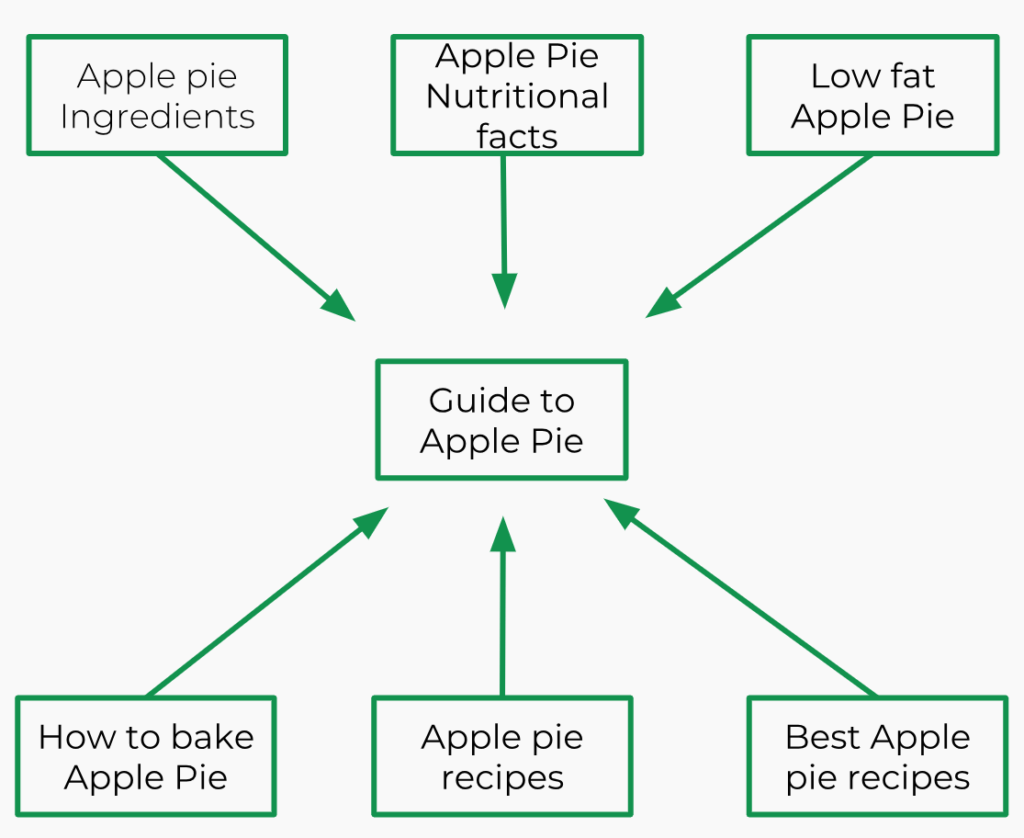
What often gets overlooked in the push to “structure for AI” is the difference between technically correct formatting and truly meaningful semantic organization. It’s easy to fall into the trap of applying headings and lists without deeply considering the logical relationships and hierarchical importance of the information. This isn’t just about using the right tags; it’s about ensuring those tags accurately reflect the conceptual architecture of your content. The hidden cost here is that content might appear structured on the surface, but an AI model will still struggle to extract nuanced insights or connect disparate pieces of information across your site, limiting its utility for complex queries or advanced synthesis.
A common failure mode in practice stems from inconsistent application. While the directive to use clear headings and lists seems straightforward, different content creators, working under various deadlines and with differing levels of understanding, can interpret “clear” and “logical” in subtly different ways. This leads to a fragmented approach where the semantic signals across a website become uneven. For an AI, this inconsistency makes it harder to build a reliable, comprehensive model of your domain’s knowledge. The downstream effect is that your content’s overall authority and discoverability for AI-driven search may plateau, as the engine can’t confidently map the full breadth and depth of your expertise.
Furthermore, the pressure to produce content quickly often pushes teams to prioritize speed over deep semantic consideration. The theory suggests a deliberate, thoughtful approach to content architecture. In reality, teams might default to familiar structures without questioning if they are truly optimal for AI comprehension. This can lead to frustration when the expected AI performance gains don’t materialize, simply because the underlying semantic intent was not robust enough, despite the superficial adherence to structural best practices.
Building Trust and E-E-A-T in the Generative Era
Experience, Expertise, Authoritativeness, and Trustworthiness (E-E-A-T) have always been important, but in the generative era, they are non-negotiable. When AI synthesizes information, it prioritizes sources it deems credible and reliable. Your content’s E-E-A-T directly influences its visibility.
- What to do: Clearly attribute authors with relevant credentials and experience. Provide transparent sourcing for data or claims. Showcase real-world examples, case studies, or practical applications that demonstrate your business’s unique experience.
- How: Include author bios on articles, link to relevant professional profiles, and ensure your website’s “About Us” page clearly articulates your team’s expertise. Regularly update content to ensure accuracy and freshness.
- Trade-off: Building genuine E-E-A-T takes time and consistent effort. It’s not a quick SEO hack but a foundational element of long-term online credibility.
Content Strategy for AI: Beyond the Single Keyword
Generative engines understand topics, not just isolated keywords. This means your content strategy needs to evolve from targeting individual keywords to developing comprehensive topic clusters that cover an entire subject area.
- What works: Identify core “pillar” topics relevant to your business. Create a definitive, in-depth piece of content for each pillar. Then, develop numerous supporting articles that delve into specific sub-topics, linking them back to the pillar page.
- Why: This approach signals to AI that your website is a comprehensive authority on the broader subject. It helps AI connect related pieces of information, improving the chances of your content being used for diverse queries within that topic.
- Avoid: Creating thin, siloed content pieces optimized for single, low-volume keywords without considering their broader topical context. This approach is increasingly inefficient and unlikely to rank well in a generative search environment.

Adapting Your Content Creation Workflow
The shift to GEO requires practical adjustments to how your team creates content. It’s about embedding these principles into your daily operations.
- Start with user intent: Before writing, deeply understand the underlying questions and problems your audience is trying to solve. Go beyond surface-level keywords.
- Research topics broadly: Don’t just look at competitor articles. Consult academic sources, industry reports, and expert opinions to build a truly comprehensive understanding.
- Focus on factual accuracy and unique insights: Double-check all data and claims. Strive to offer a perspective or solution that isn’t readily available elsewhere.
- Regularly update and consolidate: Review existing content. Can two or three older, related articles be combined into one more authoritative piece? Are your facts still current?
While AI writing tools can assist in drafting or brainstorming, human oversight for factual accuracy, nuance, and unique perspective is non-negotiable. Don’t blindly publish AI-generated content without rigorous review and a strong editorial hand.
Measuring Success in a Generative World
Traditional SEO metrics like keyword rankings still hold some value, but GEO demands a broader perspective on success. You need to look beyond simple organic traffic numbers.
- What to track: Monitor for direct answer box appearances, featured snippets, and any available analytics that indicate your content is being used in generative summaries. Pay attention to brand mentions and the overall quality of leads or inquiries generated from organic channels.
- Challenge: Direct attribution can be harder when users get answers without clicking through. Focus on overall organic visibility, brand authority, and the long-term impact on your business goals.
- Judgment call: Prioritize understanding how your content contributes to your overall brand presence and problem-solving for your audience, rather than obsessing over individual keyword positions. The goal is to be the trusted source, not just the top link. generative search updates


Leave a Comment