

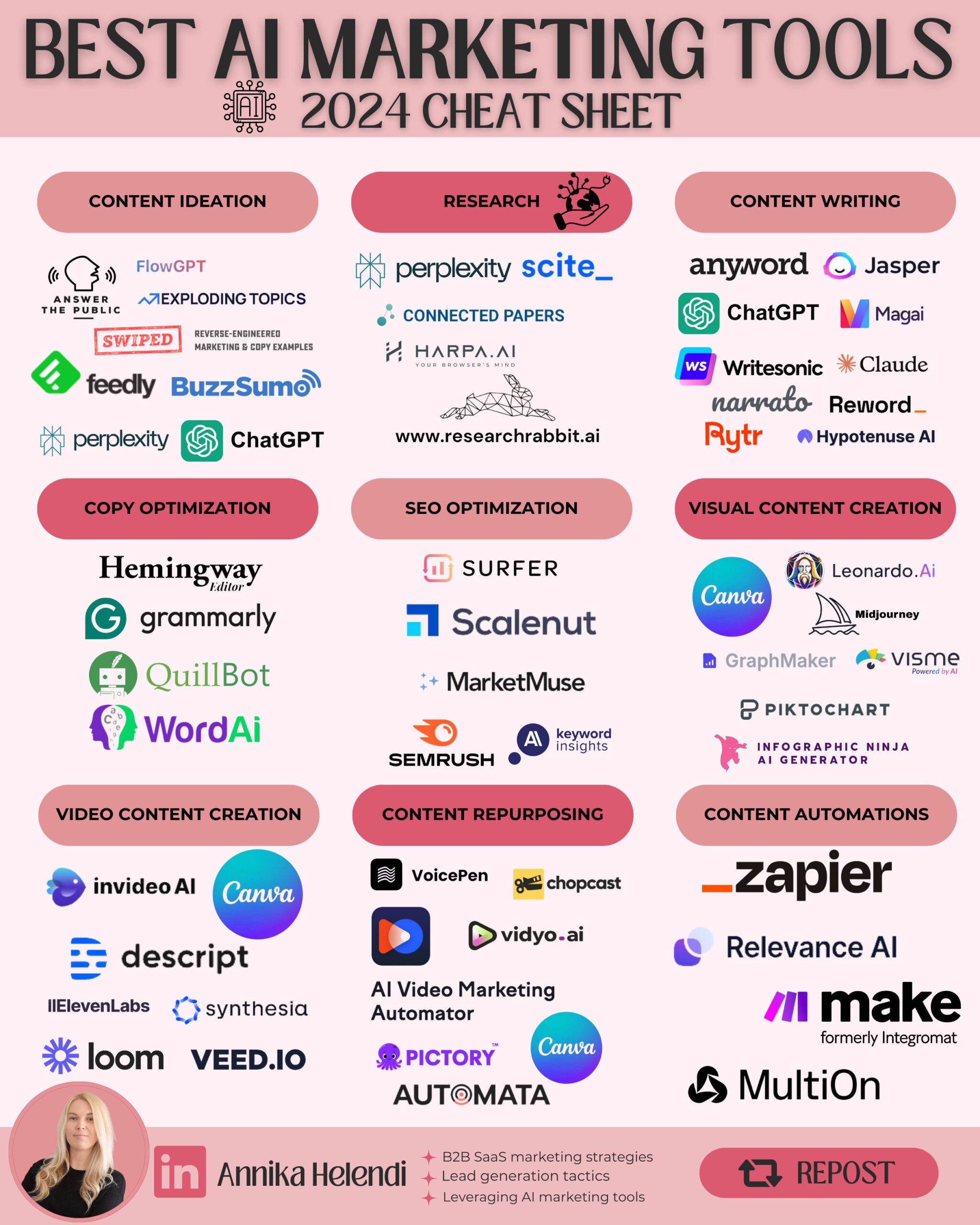
As marketing practitioners in small to mid-sized businesses, you’re constantly balancing limited resources with the demand for impactful results. The rapid evolution of AI isn’t just a trend for enterprise teams; it’s a critical opportunity to enhance your capabilities, streamline workflows, and make smarter decisions. This article cuts through the hype to focus on the practical AI tools that offer tangible benefits for your professional growth and your business’s bottom line, even with imperfect execution and tight budgets.
You’ll gain clear insights into which AI applications deliver the most immediate value, what to prioritize for skill development, and crucially, what to deprioritize to avoid wasted effort. Our focus is on actionable strategies that empower you to leverage AI effectively, transforming daily tasks into strategic advantages and positioning you as a more effective, data-driven marketer.
Understanding the AI Landscape for Marketers
The term “AI tools” can feel overwhelming, but for marketers, it largely boils down to a few key categories: generative AI for content, analytical AI for data, and predictive AI for campaigns. These aren’t futuristic concepts; they are embedded in platforms you likely already use or can easily integrate. The real challenge isn’t finding AI, but identifying which applications genuinely move the needle for your specific operational constraints.
Currently, the most accessible and impactful AI tools for SMB marketers fall into areas that augment human effort rather than replace it. Think of them as force multipliers for your existing team, not replacements. They excel at repetitive tasks, pattern recognition, and rapid content generation, freeing up your strategic thinking for higher-value activities.
Prioritizing AI Tools for Immediate Impact
Given limited budgets and headcount, your first move should be adopting AI tools that offer a clear, measurable return on investment with minimal setup. Focus on solutions that integrate smoothly with your existing tech stack or solve a significant pain point immediately. This means prioritizing tools that enhance productivity for common marketing tasks.
- Generative AI for Content Drafts: Tools like advanced language models can quickly generate first drafts of blog posts, social media updates, email copy, and ad headlines. This dramatically reduces the time spent on initial ideation and writing, allowing you to focus on refining and strategizing.
- AI-Powered SEO Analysis: Platforms that use AI to identify keyword opportunities, analyze competitor content gaps, and suggest on-page optimizations can significantly improve organic visibility without requiring deep SEO expertise.
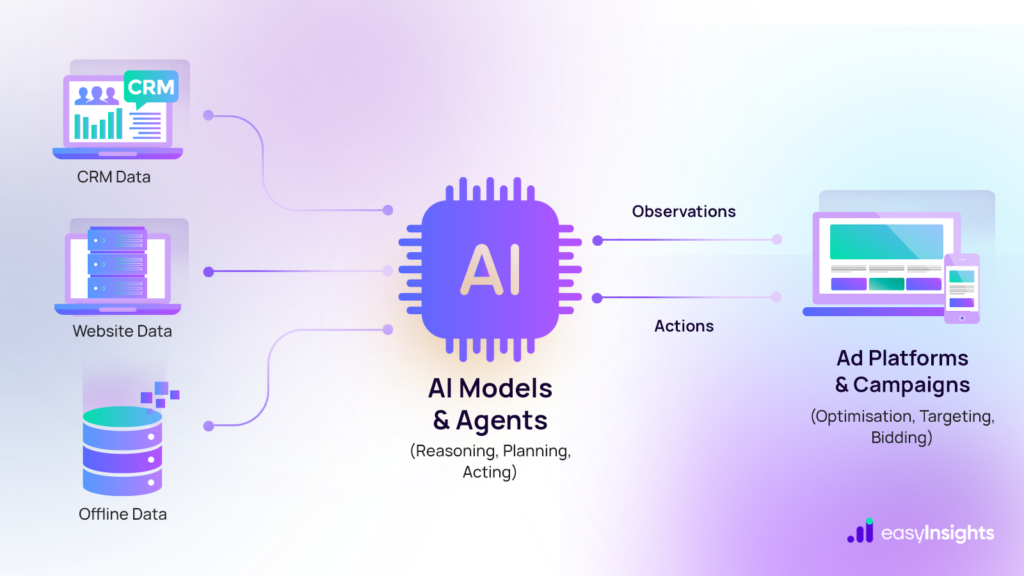
- Basic Data Segmentation & Reporting: AI features within CRM or analytics platforms that automatically segment audiences or highlight key performance trends save hours of manual data crunching.
While generative AI excels at speed for initial drafts, the hidden cost often emerges downstream. Over-reliance can dilute a brand’s unique voice, leading to generic content that struggles to differentiate in a crowded market. The initial time saved on drafting can be quickly consumed by extensive editing, fact-checking, and injecting personality back into the copy. This isn’t just about efficiency; it’s about maintaining authenticity, which is harder to measure but critical for long-term audience connection and trust.
Similarly, AI-powered SEO analysis and basic data reporting, while powerful, aren’t infallible. It’s easy to overlook that these tools often present correlations without necessarily explaining causation relevant to your specific business context. Blindly acting on AI suggestions without a foundational understanding of SEO principles or your own customer data can lead to optimizing for the wrong things or making strategic missteps that are costly to correct later. The human element of critical thinking and contextual understanding remains irreplaceable for effective decision-making, even with the best AI support.
The temptation to offload complex tasks entirely to AI is strong, especially for lean teams. However, this can create a new kind of dependency and shift the decision pressure. When AI output is ambiguous or contradictory, teams are still left with the burden of interpretation and validation, often with less internal expertise developed because the AI was supposed to handle it. This means the focus shifts from execution to strategic oversight and critical evaluation, a skill set that needs deliberate development alongside AI adoption, not replaced by it.
AI for Content Creation & Optimization
Content remains king, but the speed and scale at which it needs to be produced are constantly increasing. AI tools are invaluable here, not for writing entire articles autonomously, but for accelerating the initial stages and optimizing for performance.
- Drafting and Brainstorming: Use generative AI to overcome writer’s block, explore different angles for a topic, or quickly create variations of ad copy for A/B testing. Remember, these are drafts; human oversight and strategic refinement are non-negotiable.
- Content Repurposing: Transform a long-form blog post into social media snippets, email newsletters, or video scripts with AI assistance. This maximizes the value of your existing content assets.
- SEO Content Optimization: AI-driven tools can analyze your content against top-ranking competitors, suggesting keywords, semantic entities, and structural improvements to boost search engine visibility. This is about making your content work harder.
While AI offers undeniable speed, a common pitfall is the subtle erosion of a distinct brand voice. The ease of generating drafts can lead teams to accept generic output too readily, sacrificing the unique perspective and tone that truly differentiates their content. What seems like a time-saver upfront can become a hidden cost later, requiring significant editorial effort to inject personality and strategic depth back into the work, or worse, a gradual dilution of brand identity over time.
Another area where theory diverges from practice is in the implementation of AI-driven SEO recommendations. Tools can quickly analyze and suggest hundreds of improvements, from keyword integration to structural changes. However, the actual work of rewriting, editing, and reformatting existing content to incorporate these suggestions is a significant human undertaking. Teams often face decision paralysis, struggling to prioritize which recommendations offer the highest return on effort, leading to a backlog of “optimized” content that never gets fully deployed. The tool provides the ‘what,’ but the ‘how’ and ‘why now’ still demand considerable practitioner judgment and resource allocation.
Furthermore, the ability to rapidly scale content creation and repurposing with AI introduces a second-order challenge: content sprawl. While efficient in the short term, producing a high volume of content without a robust governance strategy can quickly overwhelm small teams. More content means more to manage, update, and audit, increasing the long-term maintenance overhead. The initial gains in production speed can be offset by the burden of managing an exponentially larger content library, potentially leading to outdated information, inconsistent messaging, and a diluted user experience if not actively curated.
AI for Data Analysis & Insights
Understanding your audience and campaign performance is critical. AI tools can sift through vast datasets far faster than any human, identifying patterns and insights that might otherwise be missed. This capability is a game-changer for data-driven decision-making.
- Audience Segmentation: AI can identify nuanced audience segments based on behavior, demographics, and past interactions, allowing for more targeted messaging.
- Performance Anomaly Detection: Instead of manually scanning dashboards, AI can alert you to unusual spikes or drops in campaign performance, prompting quicker investigation and intervention.
- Predictive Analytics (Basic): Some platforms offer AI-driven predictions on customer churn or future purchase behavior, enabling proactive marketing efforts. Focus on tools that offer this out-of-the-box rather than requiring custom model building.
AI for Campaign Management & Personalization
Optimizing campaigns and personalizing customer experiences are areas where AI delivers significant leverage, especially for teams managing multiple channels.
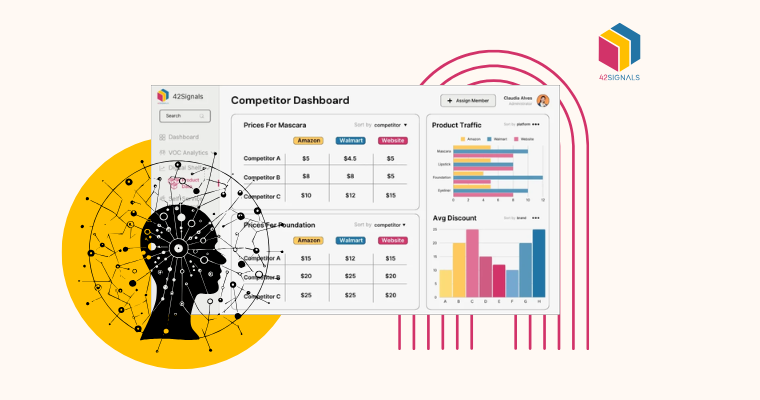
- Ad Campaign Optimization: Many ad platforms now incorporate AI for bid management, audience targeting, and creative optimization. Leveraging these built-in features can significantly improve campaign ROI.
- Email Personalization: AI can dynamically adjust email content, subject lines, and send times based on individual recipient behavior, leading to higher open and click-through rates.
- Chatbots for Customer Support: While not strictly marketing, AI-powered chatbots can handle routine customer inquiries, freeing up your team and providing instant support, which positively impacts customer experience and brand perception.
What to Deprioritize (and Why)
For small to mid-sized teams, it’s crucial to understand what AI initiatives to delay or outright avoid. Currently, deprioritize any AI solution that requires significant custom development, a dedicated data science team, or a massive, perfectly clean dataset to function effectively. This includes building bespoke AI models from scratch, implementing highly complex predictive analytics that demand extensive data engineering, or investing in niche AI tools with unclear integration pathways or unproven ROI for your specific business size.
These advanced applications often come with prohibitive costs, steep learning curves, and a high risk of failure if your internal resources aren’t perfectly aligned. Focus your limited budget and time on AI tools that are readily available, user-friendly, and designed for immediate, practical application within existing marketing workflows. The goal is incremental, measurable improvement, not bleeding-edge experimentation that drains resources without guaranteed returns.
Integrating AI into Your Workflow for Sustainable Growth
Adopting AI isn’t a one-time event; it’s an ongoing process of integration and learning. Start small, identify one specific pain point, and find an AI tool that addresses it. Measure the impact, learn from the results, and then expand. Encourage your team to experiment and share findings. The real power of AI for career growth comes from understanding its capabilities and limitations, and strategically applying it to enhance your judgment and efficiency. This continuous learning approach will keep you at the forefront of marketing innovation.
Consider dedicating specific time each week to exploring new AI features within your existing platforms or testing a new, low-cost AI tool. Share your findings with your team. This fosters a culture of innovation and ensures that AI becomes a natural extension of your marketing capabilities, rather than an intimidating new technology. AI tools for small business marketing

Leave a Comment