


Relying on a single social media platform for your business is a gamble. For small to mid-sized businesses (SMBs) with limited marketing budgets and lean teams, a platform shift or algorithm change can devastate reach and engagement overnight. This article cuts through the noise to provide a pragmatic framework for diversifying your social media presence, ensuring your brand remains resilient and your marketing efforts deliver consistent returns.
You’ll gain actionable insights on how to prioritize platforms, make smart trade-offs, and build a robust social media portfolio that protects your brand from unforeseen disruptions, all while working within your real-world operational constraints.
The Hidden Risks of Single-Platform Reliance
Many SMBs fall into the trap of focusing all their social media efforts on one platform, often where they’ve seen initial success. While understandable, this approach introduces significant vulnerabilities. Algorithms are constantly evolving, platform features change, and audience demographics shift. A sudden drop in organic reach, a policy violation, or even a platform’s decline can severely impact your brand’s visibility and lead generation.
Consider the recent past: platforms have risen and fallen, and even dominant players have made changes that have alienated segments of their user base or content creators. For an SMB, such an event isn’t just an inconvenience; it’s a direct threat to your marketing pipeline and brand equity. Building resilience means distributing your risk, not concentrating it.
Strategic Prioritization: Where to Invest Your Limited Resources
Diversification doesn’t mean being everywhere. For SMBs, it means being strategically present where it matters most. Your goal is to build a portfolio that offers reach, engagement, and risk mitigation without overstretching your team.
What to Do First:
- Audience Mapping: Start by identifying where your ideal customers genuinely spend their time online. This isn’t about where you *think* they are, but where data shows them to be. Use analytics from your website, existing social channels, and market research.

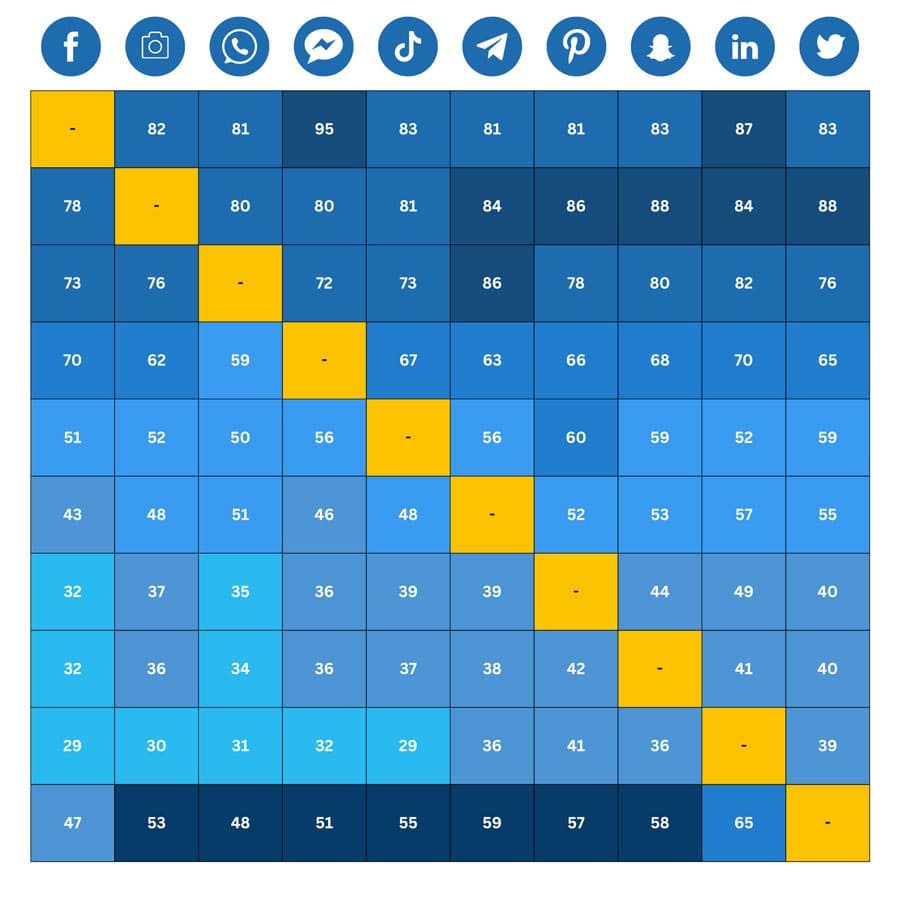
Audience Platform Overlap Matrix - Content-Platform Fit: Evaluate what type of content you can consistently produce and which platforms best support that format. If you excel at short-form video, TikTok and Instagram Reels are strong contenders. If long-form articles and thought leadership are your strength, LinkedIn or X (formerly Twitter) might be primary.
- Establish a Core Platform: Select one or two primary platforms where your audience is most active and your content performs best. Invest the majority of your resources here first to build a strong foundation. This is your anchor.
What to Delay or Avoid Today:
For SMBs, the biggest mistake is chasing every new trend or platform without a clear strategy. Currently, the social media landscape is dynamic, but not every new app or feature warrants your immediate attention. You should deprioritize or completely skip platforms where your target audience has minimal presence, or where the content creation demands are disproportionately high relative to your team’s capacity and budget. For instance, if your team lacks video editing expertise and your audience isn’t primarily on video-first platforms, investing heavily in a new short-form video app would be a resource drain. Focus on mastering your core platforms before spreading yourself too thin. Avoid simply replicating content across channels; instead, adapt it.
What’s often overlooked is that ‘establishing a core platform’ isn’t a one-time setup; it’s an ongoing commitment to deep engagement. Many teams fall into the trap of simply being present on their chosen platform without truly mastering its nuances or consistently optimizing their approach. The hidden cost here isn’t just wasted effort, but the opportunity cost of not building a truly engaged community and robust first-party data. You end up with a superficial presence that looks active but fails to convert or build lasting relationships, leading to a slow bleed of resources without tangible returns.
This superficiality often stems from the internal pressure to show activity across multiple channels, even when resources are limited. The theoretical benefit of diversification quickly becomes a practical burden. When you’re spread too thin, even on your ‘core’ platforms, you dilute your impact. The downstream effect is fragmented data and a lack of clear performance benchmarks. Without deep engagement on a primary channel, it becomes difficult to gather enough meaningful data to inform future decisions, creating a cycle where every platform feels like a low-performing experiment rather than a strategic investment.
Furthermore, the ‘content-platform fit’ isn’t static. Platforms evolve, algorithms shift, and audience behaviors change. What resonated last quarter might not today. A common failure mode is treating this fit as a fixed variable rather than a dynamic one requiring continuous monitoring and adaptation. Teams often overlook the need to regularly re-evaluate if their content strategy still aligns with the platform’s current ecosystem and their audience’s evolving preferences. This oversight can lead to a gradual decline in organic reach and engagement, forcing a reactive scramble to regain lost ground, which is far more resource-intensive than proactive adjustment.
Crafting a Resilient Multi-Platform Strategy
Once your core platforms are established, you can strategically expand. This isn’t about adding platforms for the sake of it, but about finding complementary channels that enhance your reach and reinforce your brand message.
- Strategic Expansion: Identify one or two secondary platforms that offer unique audience segments or content opportunities not fully captured by your primary channels. These should ideally require minimal additional content creation, perhaps through repurposing.
- Content Repurposing & Adaptation: This is critical for efficiency. Take a core piece of content (e.g., a blog post, a long-form video) and adapt it for different platforms. A blog post can become a LinkedIn article, a series of X threads, Instagram carousels, or short video scripts. content repurposing strategies for small business
- Cross-Promotion: Use each platform to subtly drive traffic or engagement to your other channels or, more importantly, to your website. For example, a TikTok video can tease a longer piece of content on your blog, or a LinkedIn post can link to a relevant product page on your Shopify store. driving traffic from social media
- Measurement & Iteration: Continuously track performance across all platforms. Understand which content types resonate where, and which platforms deliver the best ROI for your specific goals. Don’t be afraid to pivot if a platform isn’t delivering expected results.

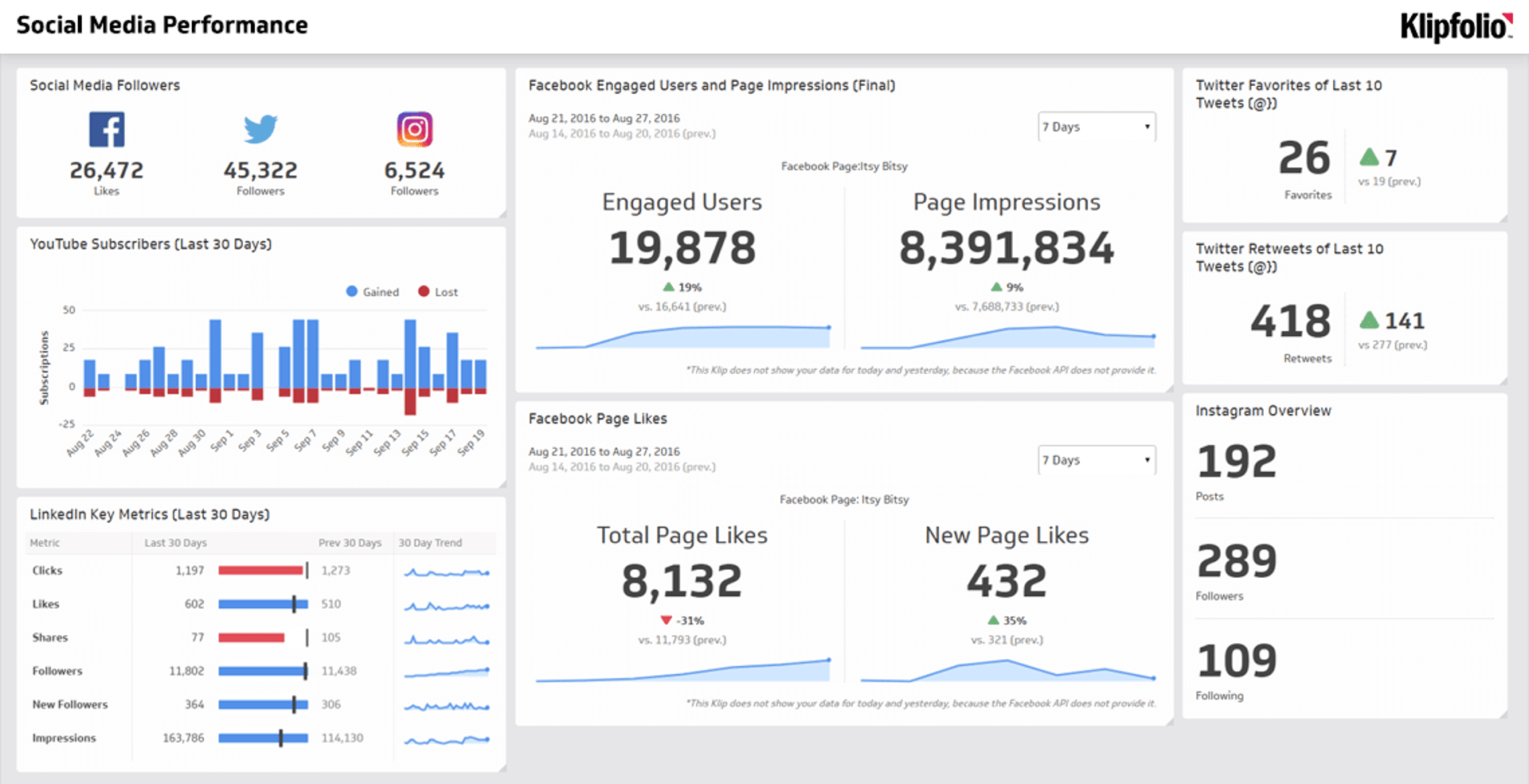
Social Media Performance Dashboard
While the concept of repurposing content is sound for efficiency, the practical execution often falls short. What’s easy to overlook is the subtle but significant effort required for true adaptation versus mere replication. Simply copying and pasting a blog post into LinkedIn, or chopping a long video into short clips without re-editing for native platform engagement, often results in content that feels out of place or low-effort. The delayed consequence is audience fatigue and a diluted brand perception, where your content becomes background noise rather than a valuable touchpoint. This isn’t always immediately apparent in basic engagement metrics, but it erodes long-term trust and effectiveness.
The drive for cross-promotion, while well-intentioned, can also backfire if not handled judiciously. Teams sometimes fall into the trap of using every platform primarily as a funnel to another, rather than a standalone value provider. When every TikTok video is just a teaser for a YouTube link, or every Instagram story is a swipe-up to a blog post, users quickly learn that the platform they’re on isn’t the “main event.” This creates a frustrating user experience, leading to higher bounce rates and a perception that your brand is constantly trying to redirect them rather than serve them where they are. The downstream effect is a loss of audience patience and a diminished return on the effort invested in those “secondary” platforms.
For small teams, the sheer volume of data across multiple platforms can be overwhelming. The theory of “measure everything” quickly collides with the reality of limited analytical bandwidth. It’s easy to get bogged down in vanity metrics or to spend too much time trying to perfect a dashboard when the core strategy isn’t yet validated. What should be deprioritized today is an exhaustive, real-time multi-platform analytics suite. Instead, focus on a few key performance indicators (KPIs) directly tied to your business goals on your primary channels first. Only once those are stable and understood should you expand your measurement efforts to secondary platforms, and even then, prioritize actionable insights over comprehensive data collection. The human-level frustration often comes from feeling like you should be tracking everything, leading to analysis paralysis or, worse, making decisions based on incomplete or misunderstood data.
Operationalizing Your Diversified Social Presence
A diversified strategy requires efficient execution, especially with limited headcount. This is where smart tools and clear processes come into play.
- Social Media Management Tools: Invest in a robust social media management platform (e.g., Hootsuite, Sprout Social, Buffer). These tools allow you to schedule posts, monitor engagement, and analyze performance across multiple platforms from a single dashboard, saving significant time.
- Team Allocation & Training: Clearly assign responsibilities for each platform or content type. Even if one person manages all social media, ensure they have the necessary training and resources to adapt content effectively for each channel.
- Content Calendar: Implement a shared content calendar that outlines posts, campaigns, and content repurposing plans across all chosen platforms. This ensures consistency and prevents last-minute scrambling.
Sustaining Your Social Media Advantage
The social media landscape will continue to evolve. Your diversified portfolio isn’t a static asset; it’s a living strategy that requires ongoing attention. Regularly review your platform choices, audience behavior, and content performance. Stay informed about major platform updates and emerging trends, but always filter them through the lens of your audience and business goals. Prioritize building direct relationships with your audience and owning your customer data, as this provides the ultimate resilience against platform volatility.


Leave a Comment