


Many small and mid-sized businesses struggle to stand out online, often feeling overwhelmed by ever-changing SEO advice. This guide cuts through the noise, focusing on actionable strategies to build genuine digital authority. You’ll learn how to demonstrate your business’s experience, expertise, authoritativeness, and trustworthiness (E-E-A-T) in ways that resonate with both search engines and customers.
We’ll prioritize practical steps that deliver real impact, helping you make smart trade-offs with limited resources. Expect clear guidance on what to implement first, what can wait, and what to avoid entirely, ensuring your efforts build a lasting foundation of trust and visibility.
Understanding E-E-A-T Beyond the Hype
E-E-A-T isn’t a direct ranking factor in the traditional sense, but it’s a foundational principle Google uses to assess content quality and the credibility of its source. For small to mid-sized businesses, this means demonstrating real-world value and trustworthiness. It’s about proving you’re a legitimate, knowledgeable entity in your niche, not just optimizing keywords. Think of it as earning respect online.
- Experience: Do you have hands-on knowledge? Can you show practical application?
- Expertise: Are you a specialist in your field? Do you provide accurate, in-depth information?
- Authoritativeness: Are you recognized as a go-to source? Do others in your industry reference you?
- Trustworthiness: Are you transparent, honest, and reliable? Do customers trust your business?
For SMBs, this often translates to showcasing your team’s practical skills, sharing case studies, and ensuring your website is secure and transparent about your operations.
Prioritizing Core Trust Signals for Immediate Impact
With limited resources, you can’t do everything at once. Focus on the trust signals that offer the most immediate and tangible benefits for small to mid-sized businesses. These are the elements that directly influence user perception and search engine confidence.
- Clear Business Information: Ensure your “About Us,” “Contact Us,” and service pages are comprehensive and easy to find. Include physical address (if applicable), phone number, email, and business hours. This builds immediate credibility.
- Secure Website (HTTPS): This is non-negotiable. If your site isn’t HTTPS, fix it today. It’s a basic security signal that Google and users expect.
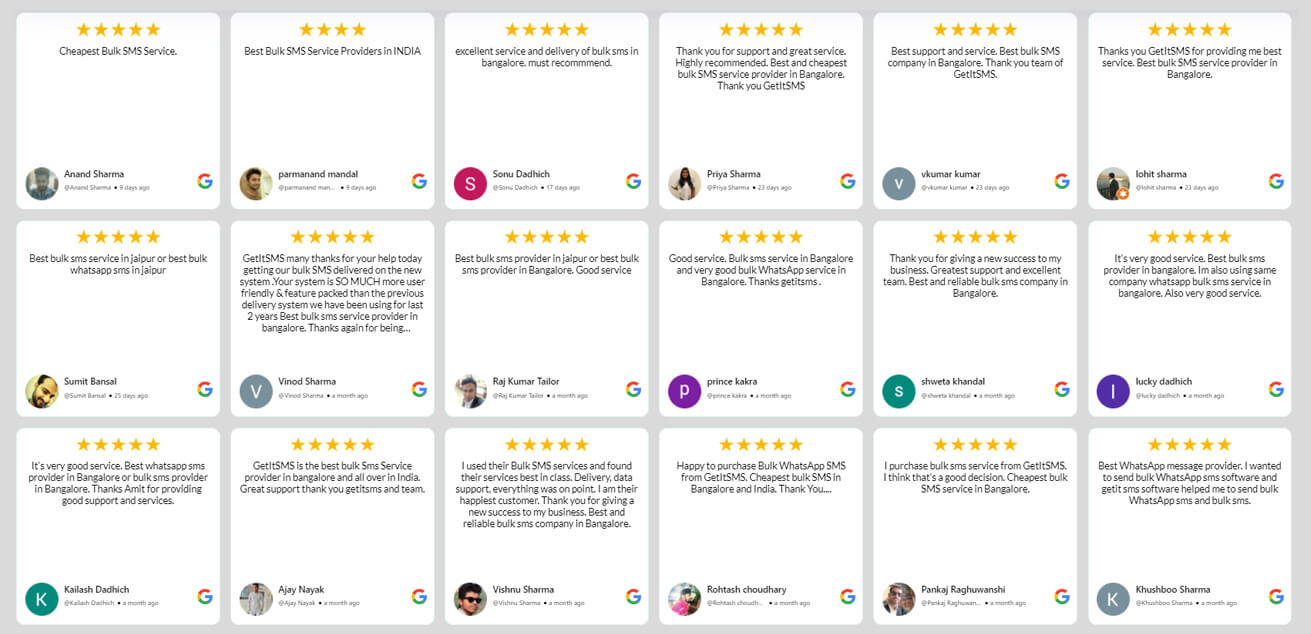
- Customer Reviews & Testimonials: Actively solicit and display reviews on your site and third-party platforms (Google Business Profile, industry-specific sites). Authentic social proof is incredibly powerful.

Customer review display - Transparent Policies: Clearly state your privacy policy, terms of service, and return/refund policies. This demonstrates professionalism and protects both your business and your customers.
- Team Bios with Credentials: Showcase the experience and expertise of your key team members. Link to their LinkedIn profiles or professional certifications. This humanizes your brand and builds individual E-E-A-T.
These foundational elements are often overlooked but provide the bedrock for stronger digital authority. They are relatively low-cost to implement but have a high impact on perceived trustworthiness.
What’s often overlooked is that ‘low-cost to implement’ doesn’t mean ‘no-cost to maintain.’ These aren’t static elements you set once and forget. Stale business hours, outdated team bios, or unanswered customer reviews can quickly turn a trust signal into a liability. The initial effort is minimal, but the ongoing vigilance required to keep these signals current and authentic is where many small teams falter, often due to competing priorities and limited dedicated resources.
For instance, simply having a review section isn’t enough; neglecting to respond to feedback, especially negative comments, signals indifference and can be more damaging than having no reviews at all. Similarly, generic, untailored privacy policies or terms of service, while technically present, can create legal vulnerabilities or customer confusion if they don’t accurately reflect your business practices. The theoretical benefit of presence is quickly undermined by the practical reality of irrelevance or inaccuracy.
The real downstream consequence of letting these foundational elements decay is a slow erosion of internal confidence and external credibility. When teams know their ‘About Us’ page is out of date or their policies are vague, it subtly undermines their conviction in other marketing efforts. This isn’t a sudden collapse, but a gradual weakening of your brand’s foundation, making every future customer interaction and marketing campaign work harder to overcome a self-inflicted trust deficit.
Building Expertise and Authority Through Content
Once foundational trust signals are in place, your content strategy becomes the primary vehicle for demonstrating expertise and authority. This isn’t about publishing daily; it’s about high-quality, insightful content that genuinely helps your audience.
- Solve Real Problems: Create content directly addressing your audience’s pain points. Use your practical experience to offer unique solutions, like “how-to” guides or detailed explanations in your niche.
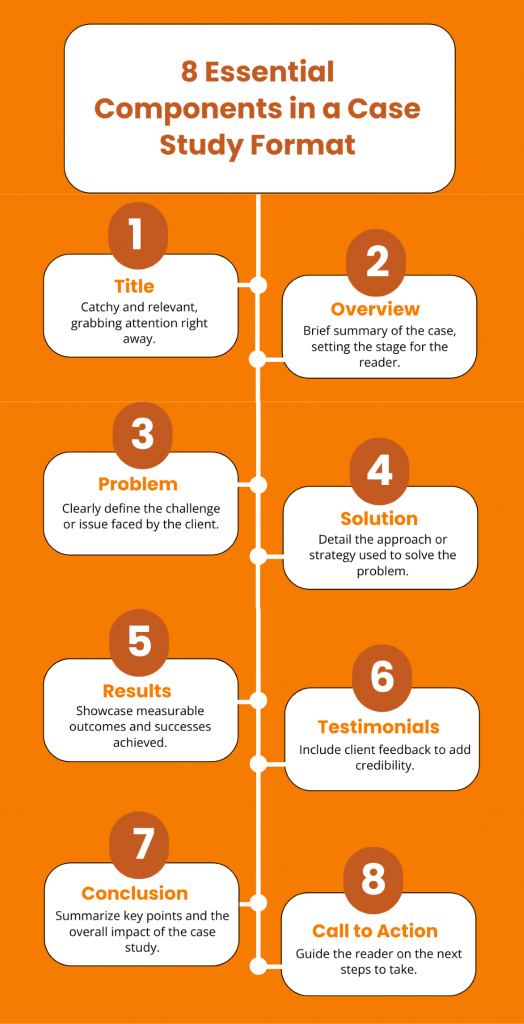
- Show, Don’t Just Tell: Incorporate case studies, client success stories, and examples of your work. Visuals like before-and-after photos can significantly boost perceived expertise.

Case study structure - Original Research & Data (If Feasible): Small-scale surveys or analyses of your own customer data establish unique authority. If not, cite reputable sources correctly. E-E-A-T guidelines
- Guest Contributions & Interviews: Seek opportunities to contribute to reputable industry blogs or podcasts, or interview experts for your own content. This expands reach and associates your brand with authoritative voices.
- Update Existing Content: Evergreen content needs regular review. Update statistics, refresh examples, and ensure advice remains current. This shows ongoing commitment to accuracy and relevance.
The goal is to become the go-to resource for specific questions within your niche. This takes time and consistent effort, but the long-term gains in organic visibility and customer trust are substantial.
What often gets overlooked in the pursuit of “solving real problems” is the depth required. Many teams default to addressing common, surface-level questions that have already been answered extensively elsewhere. The real authority comes from dissecting a problem in a way no one else has, offering a unique perspective born from direct experience, or providing actionable steps that go beyond generic advice. Failing to dig deep means your content, despite good intentions, merely adds to the noise rather than cutting through it, leading to wasted effort and minimal impact on perceived expertise.
Another common pitfall is underestimating the ongoing maintenance required for content to truly build authority. While the initial effort to create high-quality content is significant, the “set it and forget it” mentality can erode its value over time. Stale statistics, outdated examples, or advice that no longer aligns with current best practices don’t just make your content less useful; they actively diminish your brand’s perceived authority. This isn’t just about search engine rankings; it’s about the subtle but significant loss of trust when a reader encounters information that feels irrelevant or incorrect. The downstream effect is a slow but steady decline in your reputation as a reliable resource.
Similarly, while guest contributions and interviews are valuable for expanding reach, the practical execution often falls short. The temptation is to accept any opportunity for exposure, without rigorously evaluating if the host platform’s audience truly aligns with your ideal customer, or if the host’s own authority genuinely complements yours. A poorly chosen guest spot can dilute your message, associate your brand with an unhelpful context, or simply consume valuable time and resources for negligible returns. Prioritizing strategic alignment over sheer volume of appearances is a critical judgment call that many teams struggle with under pressure.
What to Deprioritize and Why
For small to mid-sized teams, it’s crucial to understand what not to focus on, especially when resources are tight. Today, you should deprioritize chasing every trending SEO tactic or attempting to compete with large enterprises on content volume alone. Avoid investing heavily in complex, unproven AI content generation tools that promise instant authority without genuine human oversight. While AI can assist, relying solely on it for E-E-A-T-driven content often results in generic, unoriginal output that fails to demonstrate real experience or expertise. Your limited budget and headcount are better spent on creating fewer, higher-quality pieces of content that genuinely showcase your unique insights and practical experience, rather than churning out vast amounts of mediocre, AI-generated text that lacks a distinct voice or verifiable authority. Focus on depth and authenticity over breadth and automation for now.
Cultivating External Trust Signals
Your digital authority isn’t solely built on your website; it’s also influenced by how others perceive and interact with your brand across the web. These external signals reinforce your E-E-A-T to both users and search engines.
- Active Social Media Presence: Maintain active profiles on platforms relevant to your audience. Engage with comments, share valuable insights, and respond to inquiries. This shows your business is active and approachable.
- Mentions and Citations: Encourage mentions of your brand, products, or services on other reputable websites, industry forums, or news outlets. These don’t always need to be direct links; even unlinked mentions contribute to brand recognition and authority. brand mentions strategy
- Partnerships and Affiliations: Highlight any reputable industry associations, certifications, or partnerships you hold. Displaying logos of trusted partners can transfer a degree of their authority to your brand.
- Local SEO Optimization: For businesses with a physical presence, optimize your Google Business Profile thoroughly. Ensure consistent NAP (Name, Address, Phone) information across all online directories. Local reviews are a significant trust signal.
Building external trust signals is an ongoing process that requires consistent engagement and strategic outreach. It’s about expanding your digital footprint in a way that reinforces your core values and expertise.
Sustaining Digital Authority for Long-Term Growth
Digital authority isn’t a one-time project; it’s an ongoing commitment. To ensure your efforts yield sustained growth, integrate E-E-A-T principles into your regular operational and marketing workflows.
- Regular Content Audits: Periodically review content for accuracy, freshness, and relevance. Remove outdated information or consolidate similar topics.
- Monitor Online Reputation: Keep an eye on reviews, social media mentions, and feedback. Respond professionally to both positive and negative comments to demonstrate responsiveness.
- Invest in Team Development: Encourage your team to pursue further education or industry events. Highlight their growing expertise on your website and in content.
- Adapt to Feedback: Use customer feedback, analytics, and search console data to refine your content strategy and improve user experience. This iterative approach ensures you’re always meeting user needs.
By embedding these practices, you’ll not only build but also sustain robust digital authority that drives organic traffic, fosters customer loyalty, and contributes to long-term business growth.



Leave a Comment