


Navigating the AI Tool Landscape for Real Impact
The sheer volume of AI marketing tools available today can feel paralyzing for small to mid-sized business teams. With limited budgets and headcount, every tool choice carries significant weight. This article cuts through the hype, offering a pragmatic framework to help you identify, prioritize, and integrate AI tools that genuinely move the needle for your marketing efforts, rather than adding complexity.
You’ll gain clear judgment calls on where AI can deliver immediate, tangible benefits, what to cautiously approach, and what to outright skip. Our focus is on practical application, ensuring your team makes smart, resource-efficient decisions that lead to measurable improvements in your campaigns and revenue.
Start with Your Marketing Pain Points, Not the Tools
Before you even look at a single AI tool, identify your most pressing marketing challenges. Are you struggling with content creation velocity, inefficient ad spend, or a lack of actionable insights from your data? AI isn’t a magic wand; it’s a powerful amplifier for existing processes. Pinpointing specific bottlenecks allows you to evaluate tools against clear objectives.
- Content Creation: Is generating blog posts, social media updates, or ad copy a constant struggle?
- SEO Performance: Are you falling behind on keyword research, content optimization, or competitive analysis?
- Ad Campaign Efficiency: Are your ad campaigns underperforming, or is manual optimization too time-consuming?
- Customer Engagement: Is responding to customer inquiries or personalizing communications a bottleneck?
- Data Analysis: Do you have data but struggle to extract actionable insights quickly?
An honest assessment of these areas will guide your selection process, ensuring you invest in solutions that address real operational gaps.
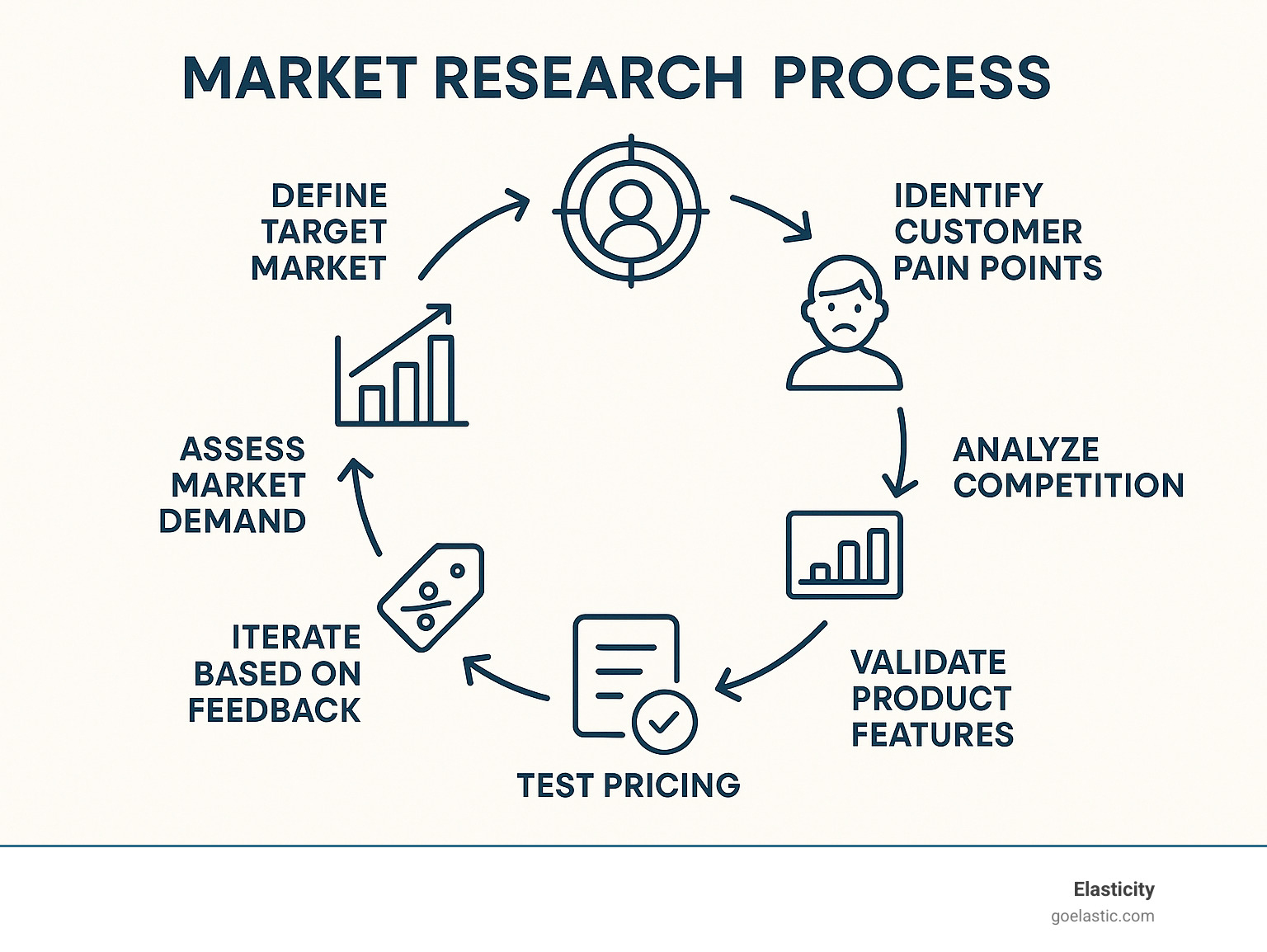
What’s often overlooked is the downstream cost of adopting a tool without a clear, identified pain point. The immediate expense of the software is one thing, but the real drain comes from the time and effort your team invests in trying to *find* a problem for a solution, or worse, forcing a solution where it doesn’t fit. This leads to shelfware, wasted training hours, and a general disillusionment with new technology, making future, genuinely useful adoptions harder.
Even when a pain point is clear, the temptation is to believe the tool will fully automate the solution. In practice, AI often shifts the nature of the work rather than eliminating it entirely. For instance, an AI content generator might solve the ‘blank page’ problem, but it introduces a new demand for skilled human editors to refine, fact-check, and inject brand voice. This isn’t a failure of the AI; it’s a miscalculation of the human effort still required, leading to frustration when teams realize they’ve traded one bottleneck for another, equally demanding one.
Prioritizing AI for Immediate Impact: Where to Invest First
For lean marketing teams, the goal is quick wins and measurable ROI. Focus on AI applications that automate repetitive tasks, enhance existing efforts, or provide insights you couldn’t easily get otherwise. Here are the top areas to consider first:
- AI-Powered Content Generation Assistants: These tools excel at generating first drafts of blog posts, social media captions, email subject lines, and ad copy variations. They significantly reduce the time spent on initial ideation and drafting, allowing your team to focus on editing, refining, and strategic oversight. This is a high-leverage area for content-heavy businesses.
- SEO Content Optimization: AI tools can analyze your content against competitor rankings, suggest keyword integrations, and identify content gaps. They help optimize existing content for better search visibility and guide new content creation, often integrating with platforms like Semrush or Ahrefs.
- Ad Creative & Copy Optimization: AI can generate multiple ad copy variations, test different headlines, and even suggest image improvements based on predicted performance. For paid media teams, this means faster iteration and potentially lower CPA.
- Basic Analytics & Reporting Summarization: Instead of sifting through dashboards, AI can summarize key performance trends, highlight anomalies, and even suggest next steps. This democratizes data insights for teams without dedicated data analysts.
These applications offer the most direct path to efficiency gains and performance improvements without requiring a complete overhaul of your marketing operations.
While the immediate gains from these AI applications are compelling, it’s crucial to look beyond the initial efficiency bump. One common pitfall is the subtle erosion of brand voice. When content generation tools are leaned on too heavily for first drafts, the human editing process can shift from refining a distinct message to simply “humanizing” generic output. This isn’t just a different skill; it can be a more frustrating and time-consuming task than crafting original content with a clear voice from the outset, ultimately diluting the unique personality that differentiates a brand.
Another area often overlooked is the critical need for continued human strategic oversight. AI excels at optimizing for specific metrics, whether it’s ad performance or SEO rankings. However, these tools operate within defined parameters. Without a clear human strategy to guide what to optimize for and why, AI can inadvertently lead teams to chase local maxima or short-term gains that don’t align with broader business objectives. The machine might be efficient, but it lacks the contextual understanding of market nuances, brand values, or long-term customer relationships.
Finally, the “plug-and-play” promise of many AI tools often glosses over the prerequisite of clean data and the effort involved in workflow integration. AI is only as valuable as the data it processes. Teams frequently underestimate the time and resources required to ensure data quality, establish consistent inputs, and adapt existing operational workflows to truly leverage these new capabilities. This initial friction, if not properly managed, can lead to skepticism and underutilization, turning a potential efficiency gain into a source of team frustration.
What to Deprioritize or Skip (For Now)
While the allure of advanced AI is strong, many sophisticated applications are simply not practical or cost-effective for small to mid-sized businesses today. You should deprioritize or outright skip:
- Complex Predictive Analytics Platforms: Tools that promise deep predictive modeling for customer lifetime value or highly nuanced churn prediction often require vast datasets, significant integration effort, and specialized data science expertise to set up and interpret correctly. For most SMBs, the investment in time and money far outweighs the immediate, actionable insights you’ll gain. Focus on descriptive and diagnostic analytics first, which AI can already assist with effectively.
- Highly Niche, Standalone AI Tools for Micro-Tasks: The market is flooded with single-purpose AI tools that solve a very specific, often minor, problem. While they might seem appealing, adopting too many of these leads to tool sprawl, increased subscription costs, and fragmented workflows. Prioritize integrated platforms or tools that address broader pain points across your marketing stack. Avoid solutions that don’t offer clear, substantial efficiency gains or integrate poorly with your existing systems.
- Fully Autonomous AI Marketing Systems: Be wary of tools promising to run your entire marketing operation on autopilot. While AI can automate many tasks, strategic direction, brand voice consistency, and ethical oversight still require a human touch. Over-reliance on full automation without human review can lead to generic content, off-brand messaging, or even costly errors.
These areas often consume disproportionate resources (time, money, learning curve) for limited, uncertain returns in an SMB context, distracting from core activities that yield more predictable results.
Integrating AI Tools into Your Existing Stack
The best AI tools don’t operate in a vacuum; they enhance your existing marketing ecosystem. When evaluating options, prioritize tools that offer robust integrations with your current CRM, CMS, email marketing platform, or advertising platforms. Seamless data flow and unified workflows are critical to avoiding new data silos and operational headaches.
- API Compatibility: Look for tools with open APIs or direct integrations with popular platforms like HubSpot, Shopify, or Google Ads.
- Workflow Enhancement: The AI tool should fit naturally into your team’s current processes, not force a complete re-engineering of how you work.
- Data Centralization: Ensure the AI tool can either pull data from or push insights to your central marketing data repository.



1 Comment