

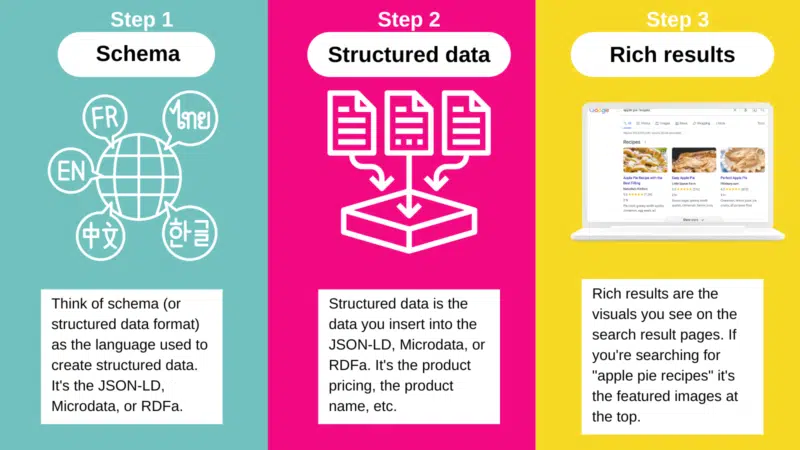
In today’s evolving search landscape, driven increasingly by AI, simply ranking for keywords isn’t enough. Your business needs to communicate its value and context directly to search engines. Implementing structured data effectively is no longer optional; it’s a strategic imperative for small to mid-sized businesses looking to gain an edge.
This article cuts through the noise, showing you exactly which structured data types deliver the most practical benefits, how to implement them efficiently, and what to avoid to maximize your limited resources.
Why Structured Data Matters More for AI Search Today
AI-powered search engines, like Google’s current iterations, are moving beyond simple keyword matching. They aim to understand the meaning and context behind queries, providing direct answers and rich experiences. Structured data acts as a translator, explicitly telling search engines what your content is about – whether it’s a product, a service, an event, or an article. This semantic clarity is crucial for your content to be accurately interpreted and surfaced in rich results, knowledge panels, and direct answer snippets, which are becoming more prevalent. Without it, you’re leaving interpretation to chance, a gamble SMBs can’t afford.
Prioritizing Structured Data: What to Implement First
For SMBs with limited time and technical resources, the key is to prioritize schemas that offer the highest impact for your specific business model. Don’t try to implement everything at once.
- Product Schema: If you sell products online, this is non-negotiable. It enables rich results showing price, availability, and reviews directly in search, significantly boosting click-through rates.
- LocalBusiness Schema: Essential for any brick-and-mortar business or service area business. It helps you appear in local packs, Google Maps, and provides critical information like hours, address, and phone number.
- Article Schema: For any business publishing blog posts, news, or informational content. This helps your content appear as rich results in news carousels or top stories, especially valuable for thought leadership.
- FAQPage and HowTo Schema: These are excellent for content that answers common customer questions or provides step-by-step guides. They can generate highly visible rich results, directly answering user queries in the SERP.
- BreadcrumbList Schema: A quick win for improving navigation clarity and user experience, often appearing as a clear path in search results.
Focus on these core types first. They provide the most direct and measurable benefits for most SMBs.
What often gets overlooked, however, is that implementing structured data isn’t a one-time task. The initial setup is only half the battle. Stale or inaccurate schema can be as detrimental as no schema at all, if not worse. If your product prices change, your business hours shift, or your content is updated, your structured data must reflect those changes. Failing to maintain accuracy can lead to search engines ignoring your efforts, or worse, users being misled, eroding trust and wasting the initial investment.
This is where the practical challenges for small teams emerge. Without dedicated resources for ongoing validation and maintenance, schema can quickly become outdated. Teams often implement a schema type, expect immediate rich results, and then become frustrated when they don’t materialize. The issue is rarely the schema type itself, but rather subtle errors in implementation, inconsistent data sources, or a lack of continuous monitoring. Interpreting validation warnings and correcting underlying data discrepancies adds a layer of diagnostic overhead that many lean teams struggle to absorb.
Furthermore, an ad-hoc approach to structured data can create significant technical debt. If schema is bolted on as an afterthought, separate from your core content management or product information systems, it becomes a manual synchronization point. This fragmentation increases the risk of data inconsistencies and makes future updates or expansions more complex and costly. Prioritizing integration with your existing data workflows, even if it means a slightly slower initial rollout, prevents these second-order problems from compounding over time.
Practical Implementation: Getting It Done Right
The most effective way to implement structured data today is using JSON-LD. It’s Google’s preferred format and is easy to add to your website’s HTML without interfering with existing content.
Here’s the practical approach:
- Use JSON-LD: Embed the script directly in the
<head>or<body>of your HTML. It keeps your structured data separate from your visible content, making it cleaner and easier to manage. - Leverage Tools: Don’t hand-code everything. Many CMS platforms (like Shopify or WordPress with plugins) offer built-in structured data capabilities. For custom sites, use Google’s Structured Data Markup Helper to generate the JSON-LD code.
- Test Thoroughly: Always validate your structured data using Google’s Rich Results Test tool rich results test. This tool will identify errors and warn you of potential issues, ensuring your markup is correctly interpreted.
- Be Specific and Accurate: Provide as much detail as possible within the chosen schema type, but only include information that is actually visible on the page. Misleading or incomplete data can lead to penalties or ignored markup.
While JSON-LD’s ease of implementation is a significant advantage, it often fosters a “set it and forget it” mentality. The reality is that structured data, especially for dynamic content like product pages, articles, or events, requires ongoing maintenance. As page content evolves—prices change, product descriptions are updated, event dates shift—the corresponding structured data must also be updated. Failing to do so creates a discrepancy between what Google reads in the JSON-LD and what users see on the page. This desynchronization can lead to Google ignoring your markup entirely, or worse, flagging your site for misleading information, effectively negating the initial effort. This isn’t a one-time task; it’s a continuous operational consideration.
Leveraging tools is smart, but it’s easy to fall into the trap of accepting their default outputs without critical review. Many plugins or generators provide basic schema types, but they often miss opportunities for more granular, specific attributes that truly differentiate your content in search results. For example, a tool might correctly identify a Product schema, but omit crucial details like reviewCount, aggregateRating, or specific offers properties that are essential for rich snippets. This results in technically valid but functionally weak structured data, leaving significant potential on the table. The team believes the job is done, but the impact is minimal because the markup isn’t rich enough to trigger the most valuable rich results.
Testing with Google’s Rich Results Test is non-negotiable, but passing validation is only the first hurdle. A common source of frustration for teams is the expectation that valid structured data automatically guarantees rich results. In practice, Google’s display of rich results is also influenced by numerous other factors, including overall page quality, content relevance, site authority, and even user search intent. It’s not uncommon for perfectly valid markup to simply not appear as a rich result because Google’s algorithms deem the page or site not authoritative enough, or the content not sufficiently unique or valuable for that specific query. This creates a decision pressure where teams might over-optimize or chase perceived technical issues when the underlying problem is broader content or authority.
What to Deprioritize or Skip (Crucial for SMBs)
Given limited resources, it’s critical to understand what not to focus on, at least initially.
Deprioritize complex or niche schemas without clear, immediate ROI. For example, while schemas like Event, Recipe, or JobPosting are valuable for specific business models, if they don’t directly align with your primary revenue-generating activities or content strategy, hold off. Implementing these requires significant effort to maintain accuracy and relevance, and the payoff for a general SMB might be minimal compared to focusing on Product or LocalBusiness schemas.
Avoid microdata or RDFa for new implementations. While technically valid, JSON-LD is simpler to implement and manage, and it’s the format Google actively recommends. Spending time on older, more complex formats is an inefficient use of resources.
Skip over-optimization or trying to mark up every single element on a page. Focus on the core entities and attributes that provide the most value to search engines and users. Excessive or irrelevant markup can be seen as spammy and may not yield any benefit, potentially even causing issues.
Measuring Impact and Iterating
Once implemented, structured data isn’t a ‘set it and forget it’ task. You need to monitor its performance.
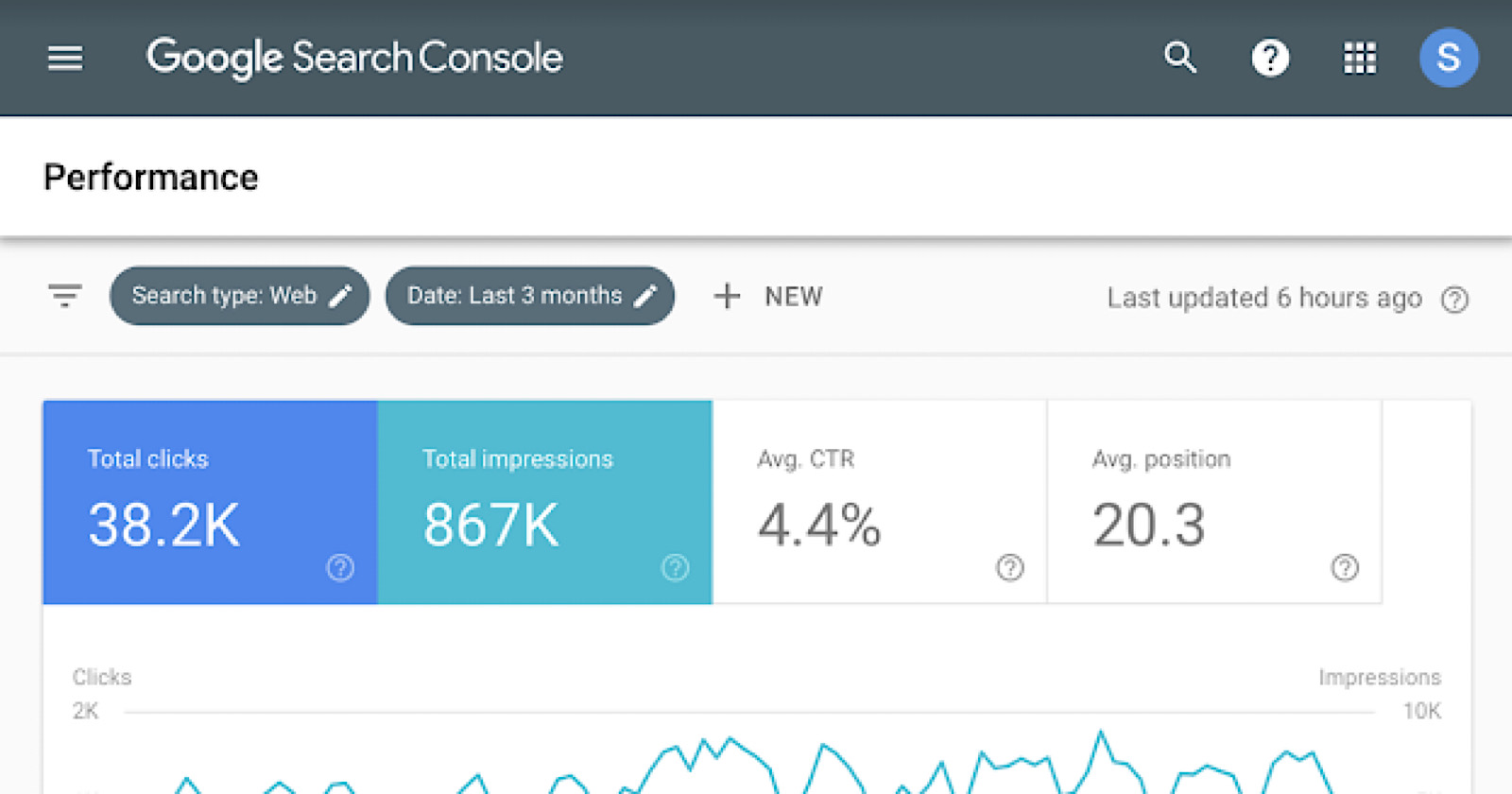
- Google Search Console: This is your primary dashboard. Check the ‘Enhancements’ section for reports on rich results (e.g., Products, FAQs). It will show you if your structured data is valid, has errors, or is being indexed. Look for increases in impressions and clicks for pages with rich results.
- Organic Traffic & CTR: Monitor your organic search traffic and click-through rates (CTR) for pages where you’ve implemented structured data. Rich results often lead to higher CTRs due to increased visibility and information presented directly in the SERP.
- AI Search Visibility: While direct metrics are still evolving, observe how your brand appears in AI-generated summaries or direct answers. Well-structured data increases the likelihood of your content being accurately sourced and cited by these systems.
Use these insights to refine your structured data strategy. If a particular schema isn’t yielding results, re-evaluate its implementation or consider focusing on another type. Iteration based on real-world data is key to sustained visibility.
Staying Ahead in Semantic Search
The landscape of AI search is dynamic. Staying ahead means not just implementing structured data, but understanding its underlying purpose: to provide clear, unambiguous context. Regularly review Google’s official documentation and Schema.org updates structured data guidelines. As AI models become more sophisticated, the demand for well-structured, semantically rich content will only increase. By focusing on practical, high-impact structured data now, your SMB builds a resilient foundation for future search visibility, ensuring your message cuts through the noise and reaches your target audience effectively.


Leave a Comment