


Google Core Updates are a constant in the SEO landscape, and for small to mid-sized businesses, they can feel like a seismic event. With limited budgets and lean teams, reacting effectively without overhauling everything is critical.
This article cuts through the noise to offer a practitioner’s perspective on what truly matters. We’ll focus on actionable steps to build resilience, prioritize efforts, and make smart trade-offs to protect and grow your organic traffic, even when the ground shifts.
Understanding Core Updates: A Practitioner’s View
From a practitioner’s standpoint, a core update signals Google’s refinement of its understanding of quality and relevance. It’s not about a specific penalty, but a broad re-evaluation of how content across the web aligns with user intent and satisfaction. For small teams, this means focusing on foundational quality rather than chasing algorithmic nuances. Currently, Google’s emphasis remains on delivering the most helpful and trustworthy content to its users.
Prioritizing Content Quality and E-E-A-T
When a core update hits, the first place to look is your content. Google’s E-E-A-T framework (Experience, Expertise, Authoritativeness, Trustworthiness) isn’t just a guideline; it’s a core ranking factor. For small teams, this means a ruthless focus on creating content that genuinely demonstrates these qualities.
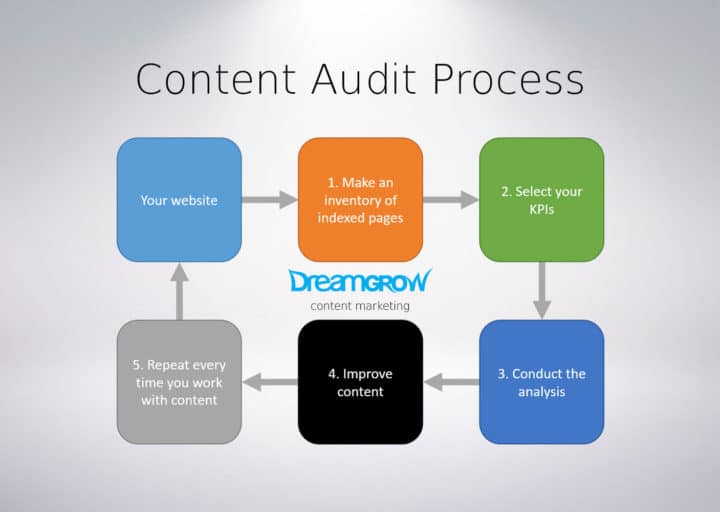
Start with a content audit. Identify pages that are underperforming or have thin content. Can you update them with fresh insights, real-world examples, or direct experience? Consolidate similar topics to create more comprehensive resources. Don’t be afraid to prune content that no longer serves your audience or demonstrates your E-E-A-T. This isn’t about volume; it’s about impact.
To truly embody E-E-A-T, consider:
- Experience: Share firsthand knowledge, case studies, or practical how-tos based on your team’s actual work and insights.
- Expertise: Ensure content is accurate, well-researched, and written by or reviewed by individuals with proven knowledge in the subject matter.
- Authoritativeness: Build credibility by linking to reputable sources, being cited by others, and having credible authors or an established brand presence.
- Trustworthiness: Be transparent, accurate, and provide a secure, positive user experience. This includes clear contact information, privacy policies, and factual correctness.
What’s often overlooked in the pursuit of E-E-A-T, especially for lean teams, is the operational drag it can create. While the directive to feature genuine experience and expertise is clear, the practical reality of sourcing and integrating that into every piece of content can become a significant bottleneck. Relying solely on a single internal subject matter expert (SME) for review or authorship, for instance, can quickly lead to content backlogs and missed publishing windows. The theoretical ideal of deep expertise clashes with the daily pressure to maintain a consistent content calendar, forcing teams to make difficult trade-offs between speed and the highest possible E-E-A-T standard.
Furthermore, the “Trustworthiness” component isn’t a one-time setup. It’s a continuous commitment that’s easy to neglect once the initial content is live. An article might be factually correct at publication, but if it’s not periodically reviewed and updated, its trustworthiness erodes as information changes. This second-order effect means that the initial investment in high-quality content demands ongoing maintenance, a task often deprioritized when new content creation pressures mount. Teams might also fall into the trap of superficial E-E-A-T signals, like merely adding an author bio without ensuring the underlying content truly reflects that individual’s deep knowledge. This approach wastes effort and ultimately fails to move the needle.
For small teams, the most common pitfall is attempting to achieve perfect E-E-A-T across all content simultaneously. This is a recipe for burnout and stagnation. Instead, prioritize your most critical, high-impact content for the deepest E-E-A-T investment. For supporting content, aim for solid, verifiable information, but don’t let the pursuit of ‘perfect’ expertise paralyze your publishing efforts. The pragmatic choice is to understand where your team’s genuine E-E-A-T shines brightest and amplify that, rather than trying to force it where it doesn’t naturally exist or where the operational cost is prohibitive.
Technical SEO: The Non-Negotiables
While content often takes the spotlight after an update, neglecting technical SEO is a critical mistake. For small teams, this isn’t about perfection, but ensuring the fundamentals are solid. Focus on the non-negotiables that directly impact Google’s ability to crawl, index, and understand your site.
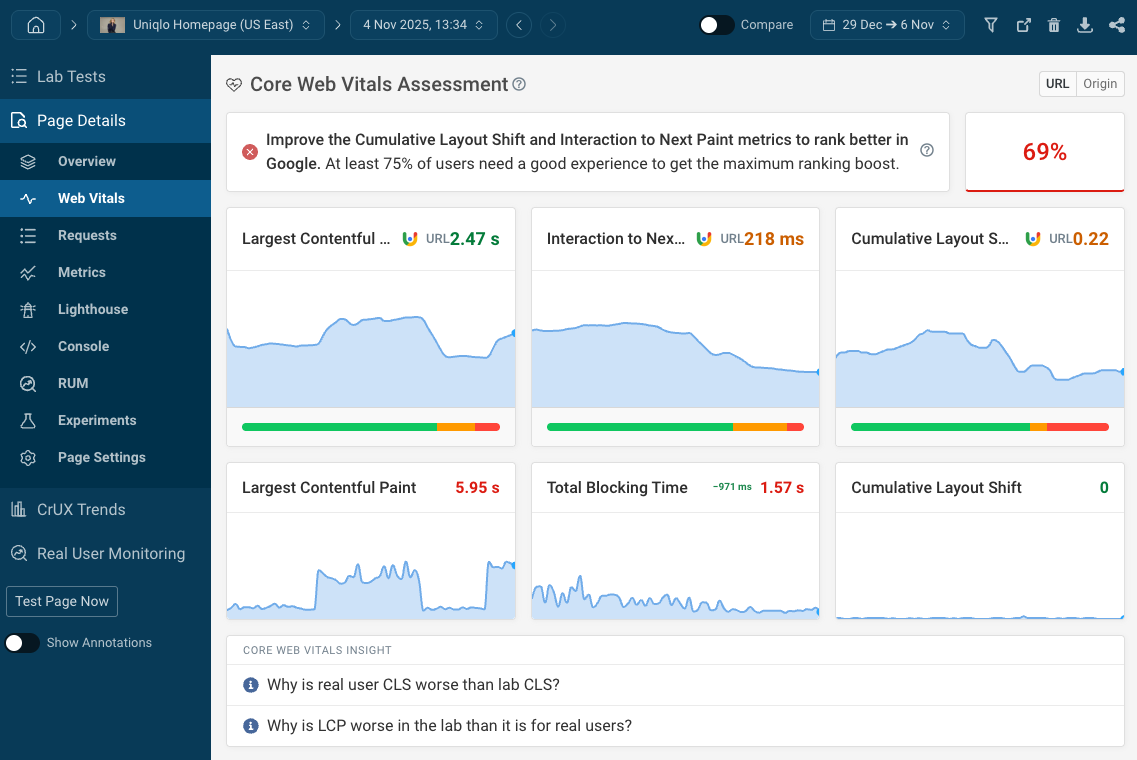
- Core Web Vitals: These metrics (Largest Contentful Paint, Cumulative Layout Shift, Interaction to Next Paint) remain crucial for user experience and, by extension, ranking. Prioritize fixing significant issues identified in Google Search Console. Often, simple image optimizations, lazy loading, or server response time improvements can yield substantial gains without a full site rebuild.
- Crawlability & Indexability: Ensure your
robots.txtisn’t blocking important pages and yoursitemap.xmlis up-to-date. Check for broken internal links and redirect chains. Google can’t rank what it can’t find or understand. - Mobile-Friendliness: With mobile-first indexing, a responsive and fast mobile experience isn’t optional. Test your site regularly using Google’s Mobile-Friendly Test tool. Small businesses often overlook this, assuming their desktop site is sufficient.
What often gets overlooked in the rush to “fix” technical SEO is the compounding nature of technical debt. A quick patch for a Core Web Vitals issue, or a temporary redirect chain, might seem efficient in the short term. However, these small compromises accumulate, making future site updates more complex, slower, and prone to breaking existing functionality. This isn’t just about a slower site; it’s about a slower development cycle and increased frustration when a seemingly minor change cascades into a larger problem.
Another common pitfall is the internal friction between marketing and development teams regarding technical priorities. Marketing sees the direct impact on traffic and rankings, while development might prioritize new feature rollouts or system stability. Without clear communication and a shared understanding of the business impact, critical SEO fixes can languish in backlogs, leading to delayed consequences for organic performance. It’s easy to assume that because an issue is identified, it will be addressed promptly, but resource allocation and competing priorities often dictate a different reality.
Finally, avoid the trap of chasing a perfect score on every technical metric. While tools provide valuable insights, the goal isn’t always a 100/100 Lighthouse score. For small teams, the pragmatic approach is to address the most impactful issues first—those that genuinely impede crawling, indexing, or user experience. Beyond a certain point, the effort required to achieve marginal gains often yields a diminishing return compared to investing that same effort into content creation or link building. Prioritize the fixes that move the needle, and be comfortable with “good enough” when resources are finite.
User Experience: Beyond Page Speed
User experience extends beyond just technical performance metrics like Core Web Vitals. Google is increasingly sophisticated at understanding how users interact with your site. For small teams, this means stepping back and evaluating the entire user journey.
Is your site easy to navigate? Can users quickly find the information they’re looking for? Are your calls to action clear and compelling? Relevant internal linking guides users through your content and signals topical authority to search engines. Think about the ‘time on site’ and ‘bounce rate’ not just as metrics, but as indicators of user satisfaction. A positive user experience encourages longer engagement, which indirectly signals quality to Google.
What to Deprioritize and Why
For small to mid-sized teams operating with limited resources, it’s just as important to know what to delay or avoid as what to prioritize. Immediately after a core update, resist the urge to make drastic, panicked changes. Google often takes weeks or even months to fully roll out and stabilize an update, and initial fluctuations can be misleading.
Deprioritize extensive, costly backlink audits if your core content quality is demonstrably weak. While backlinks are important, a strong content foundation provides a better return on investment for lean teams. Similarly, avoid chasing every minor algorithmic tweak or speculative ‘fix’ published by consultants. Focus on the proven, foundational elements of E-E-A-T, technical health, and user experience. Over-optimizing for niche factors before the basics are solid is a drain on resources with minimal impact.
Also, resist the temptation to completely rewrite or delete large portions of content without a clear, data-driven reason. A measured approach, focusing on enhancing existing valuable content, is far more efficient than starting from scratch.
Building Long-Term SEO Resilience
True SEO resilience isn’t built on reacting to every update, but on a consistent commitment to quality and user value. For small businesses, this means embedding SEO best practices into your ongoing content creation and website maintenance, rather than treating it as a separate, reactive task.
Regularly review your content for freshness and accuracy. Keep an eye on your competitors and industry trends, but always filter them through the lens of your unique audience and value proposition. Diversifying your traffic sources – building an email list, engaging on relevant social platforms – also reduces your sole reliance on organic search, providing a buffer during periods of algorithmic volatility.
Ultimately, Google’s goal is to serve the best results to its users. By consistently focusing on providing genuine value, demonstrating expertise, and ensuring a seamless user experience, your site will naturally align with Google’s evolving quality standards, making future core updates less disruptive. Google Search Central quality rater guidelines



Leave a Comment