


Why Algorithms Aren’t Enough (and What Is)
In 2026, the digital landscape for customer attraction is more complex than ever. Algorithms on major platforms are constantly shifting, making organic reach unpredictable and often favoring paid promotion. For small to mid-sized businesses, chasing every algorithmic update is a resource drain that rarely yields sustainable results. Our experience shows that while algorithms dictate visibility, they don’t build loyalty or trust. What truly works is a deliberate shift towards authentic connections.
This means moving beyond simply optimizing for search engines or social media feeds. It’s about understanding your audience deeply, speaking to their specific pain points, and fostering relationships that transcend a single transaction. This approach builds a resilient customer base, less susceptible to platform changes or competitors’ ad spend. It’s a long-term play, but one that delivers compounding value.
Prioritizing Authentic Engagement Channels
With limited resources, choosing the right channels for authentic engagement is critical. We advocate for focusing on a few key areas where you can genuinely connect, rather than spreading yourself thin across every platform.
- Strategic Email Marketing: This remains one of the most powerful tools for direct connection. Forget generic newsletters. Focus on segmentation based on customer behavior and preferences. Personalize your messages, offer genuine value, and use email to nurture leads and build community. A well-segmented list allows you to speak directly to different customer needs, making your communication feel less like marketing and more like a helpful conversation. email marketing statistics

Email marketing segmentation workflow - Community Building (Online & Offline): Whether it’s a private Facebook group, a dedicated forum, or local meetups, creating spaces for your customers to interact with each other and with your brand fosters a sense of belonging. This isn’t about selling; it’s about facilitating conversations, gathering feedback, and establishing your brand as a trusted resource. This can be resource-intensive initially, but the loyalty it builds is invaluable.
- Intentional Direct Outreach: For B2B or high-value B2C segments, direct outreach (think personalized LinkedIn messages, strategic cold emails, or even phone calls) can be incredibly effective when done right. The key is research and personalization. Understand who you’re reaching out to, what their specific challenges are, and how you can genuinely help. Avoid templated, mass messages; they erode trust immediately.
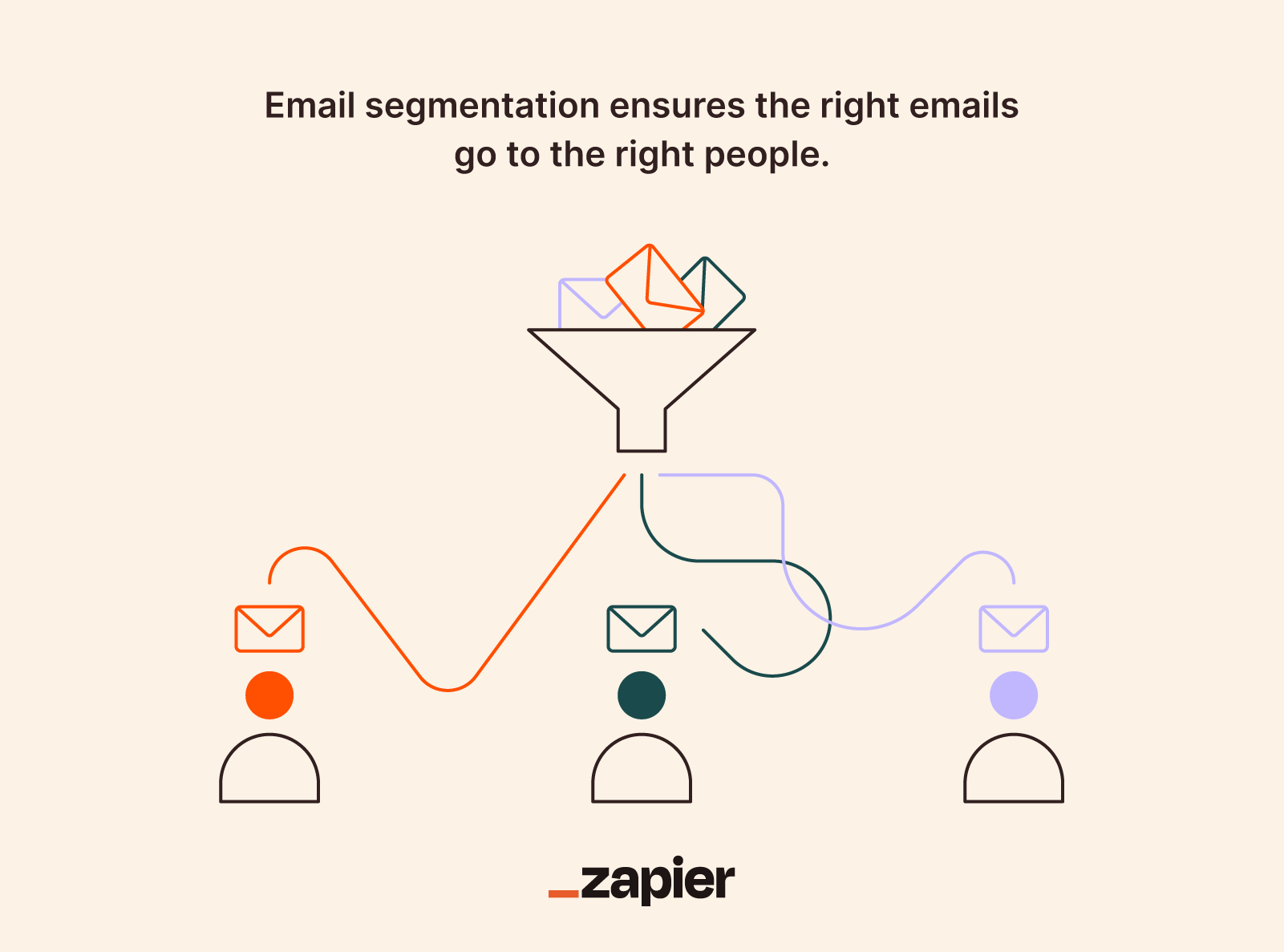
What often gets overlooked in the pursuit of highly segmented email marketing is the operational overhead it introduces. While the theory of speaking directly to niche interests is sound, in practice, creating truly distinct, valuable content for five, ten, or even more segments can quickly overwhelm a small team. The result is often a gradual dilution of quality across all segments, or a reversion to more generic messaging simply to meet deadlines. The initial benefit of personalization is then undermined by content fatigue on the production side, leading to a less authentic experience for the recipient over time.
Similarly, the “community” aspect, while powerful, carries a significant, often unbudgeted, ongoing labor cost. It’s not enough to simply open a forum or group; these spaces require consistent, thoughtful moderation, active facilitation of discussions, and a proactive approach to seeding engagement. Without this continuous investment, communities can quickly become dormant, devolve into unmanaged complaint forums, or be co-opted by a few dominant voices, failing to deliver the intended value or sense of belonging. The initial excitement of launching a community can quickly turn into a resource drain if the long-term commitment isn’t fully understood and staffed.
For intentional direct outreach, the primary pitfall is the constant internal pressure to scale. While the strategy emphasizes deep personalization, the real-world demand for lead volume or conversion targets often pushes teams towards shortcuts. What starts as genuine, one-to-one communication can slowly morph into slightly customized templates, then mass-personalized messages, and eventually, indistinguishable spam. This gradual erosion of authenticity is a difficult line to hold, especially when immediate results are prioritized over the long-term trust that true personalization builds. The human cost of this approach is also high, as team members face increasing rejection rates and the demoralizing task of sending messages they know are unlikely to resonate.
Crafting Content That Resonates, Not Just Ranks
Content is still king, but its purpose has evolved. Instead of solely aiming for top search rankings with keyword-stuffed articles, prioritize content that genuinely solves problems, answers questions, and reflects your brand’s unique perspective. This is where authenticity shines.
- Problem-Solution Focus: Every piece of content should address a specific pain point or aspiration of your target audience. Think about the questions they’re asking, the challenges they face, and how your product or service provides a practical solution. This builds trust and positions you as an expert.
- Injecting Personality and Perspective: Your brand isn’t a faceless entity. Let your unique voice, values, and even your team’s personality come through. This makes your content more relatable and memorable. Opinionated, practitioner-level insights, like those found on MarketingPlux, resonate because they offer a clear stance and practical advice.
- Prioritize Depth Over Breadth: Instead of churning out many shallow articles, focus on fewer, more in-depth pieces that truly explore a topic. This demonstrates expertise and provides more value to the reader, encouraging them to spend more time with your content and ultimately, your brand.
However, the pursuit of depth over breadth, while valuable, introduces a common operational challenge: content velocity. For small teams, the aspiration for a truly exhaustive, definitive piece can lead to analysis paralysis or protracted production cycles. The hidden cost here isn’t just time; it’s the opportunity cost of a sparse content calendar, where a single “perfect” piece delays the consistent engagement that builds audience habit and brand recall. It’s a trade-off between ideal quality and the pragmatic need for a steady, valuable presence.
Another subtle failure mode arises even when teams correctly identify audience pain points. The theory dictates offering solutions, but in practice, many fall into the trap of immediately pivoting to a product-centric pitch rather than genuinely exploring the problem space with unbiased advice. This premature sales push, even if well-intentioned, can feel disingenuous. It undermines the trust built by acknowledging the reader’s struggle and can leave the audience feeling like their initial engagement was merely a funnel entry point, not a genuine interaction.
Given these real-world constraints, what should be deprioritized? Resist the urge to chase every trending keyword or to produce “definitive guides” on topics already saturated by larger, better-resourced competitors. This approach often leads to superficial content that fails to stand out and drains limited resources. Instead, focus your efforts on the specific, niche problems where your brand possesses unique insight or a truly distinct perspective. It’s a strategic decision to own a smaller, highly relevant corner deeply, rather than weakly contesting a vast, crowded field.
What to Deprioritize (and Why)
For SMBs operating with lean teams and tight budgets, knowing what to *not* do is as important as knowing what to do. Currently, we advise deprioritizing the relentless pursuit of every new social media trend or platform. While it’s tempting to jump on TikTok, Threads, or the next big thing, the resources required to create platform-specific content and maintain consistent engagement across too many channels often dilute effort and yield minimal returns. Unless a platform directly aligns with your core audience and you have the dedicated resources to excel there, it’s better to master one or two channels where your audience is most active and focus on deep engagement rather than broad, shallow presence. Similarly, avoid over-investing in complex, multi-channel attribution models that require sophisticated tools and analytics teams. For most SMBs, a simpler, more direct understanding of customer journeys and conversion points is sufficient and far more actionable.
Measuring Connection, Not Just Clicks
Traditional marketing metrics often focus on vanity numbers: impressions, clicks, likes. While these have their place, for authentic connection, we need to look deeper. Focus on metrics that indicate genuine engagement and loyalty.
- Engagement Rate (Beyond Likes): Look at comments, shares, time spent on content, and direct messages. These indicate active participation and interest.
- Email Open and Reply Rates: High open rates suggest your subject lines are compelling, and good reply rates indicate your content is sparking conversation.
- Customer Lifetime Value (CLTV): This is the ultimate metric for authentic connection. Loyal customers who feel connected to your brand will spend more over time and are more likely to refer others.

Customer lifetime value calculation model - Referral Rates: How many new customers are coming from existing ones? This is a strong indicator of customer satisfaction and advocacy, born from genuine connection.

Building a Repeatable Connection Framework
Authentic connection isn’t a one-off campaign; it’s an ongoing process. Integrate these principles into your daily operations by creating a repeatable framework.
- Dedicated “Connection Time”: Schedule specific time each week for your team to engage directly with customers – responding to comments, participating in community discussions, or sending personalized follow-ups.
- Feedback Loops: Systematize the collection and analysis of customer feedback. Use surveys, direct conversations, and community insights to continuously refine your offerings and communication. This shows customers you’re listening.
- Content Calendar with a “Connection Lens”: Plan your content not just around keywords or product launches, but around opportunities to educate, inspire, and engage your audience on a deeper level. Consider how each piece of content can foster a two-way dialogue.


Leave a Comment