


Understanding the Shift: AI Overviews and Your Visibility
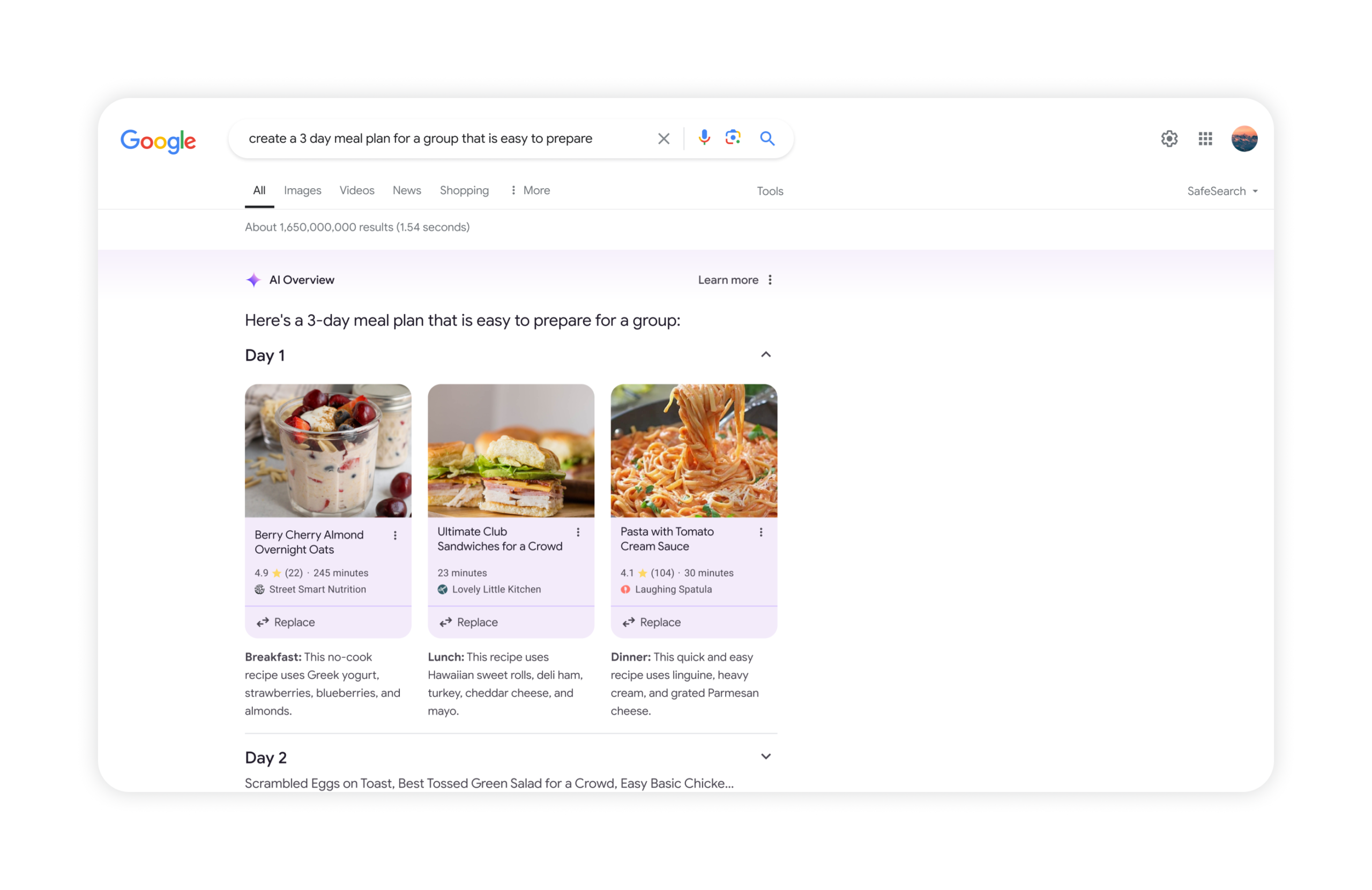
As of early 2026, Generative AI features, notably AI Overviews, are a standard part of the search experience for many queries. This isn’t a future trend; it’s the current reality. For small to mid-sized businesses, this means the traditional “ten blue links” model is no longer the sole battleground for visibility. AI Overviews often provide direct answers, summaries, and synthesized information at the top of the SERP, frequently citing multiple sources. Your goal is to become one of those cited sources, which requires a fundamental shift in how you approach content creation and optimization. how AI Overviews work
The challenge for SMBs with limited resources is not just adapting, but adapting smartly. You need to focus on strategies that yield the most impact without overextending your team. This means prioritizing content that is easily digestible, authoritative, and directly answers user intent, making it a prime candidate for AI summarization.
Prioritizing Content for AI Overviews
To gain visibility in Generative AI search, your content must be designed for clarity, conciseness, and directness. AI models excel at extracting specific answers from well-structured, authoritative text. This isn’t about gaming an algorithm; it’s about providing the best possible information in a format that both humans and AI can readily understand and trust.
- Direct Answer Focus: Create content that explicitly answers common questions related to your products, services, or industry. Think “What is X?”, “How to do Y?”, “Best Z for A?”.
- Topical Authority: Demonstrate deep expertise across a subject. AI values comprehensive, interconnected content that covers a topic thoroughly, rather than isolated articles.
- Clarity and Simplicity: Avoid jargon where possible. Use clear, straightforward language. Break down complex topics into easily digestible sections.
- E-E-A-T (Experience, Expertise, Authoritativeness, Trustworthiness): This remains paramount. Ensure your content is backed by real-world experience, written by experts, and presented on a trustworthy site. This signals quality to both human users and AI systems.
What often gets overlooked in the pursuit of AI visibility is the potential for content to become overly transactional. While optimizing for direct answers is crucial for initial discovery, stripping away all narrative, nuance, or deeper context can inadvertently diminish its ability to build long-term engagement or brand loyalty. A piece of content might secure an AI overview, but if it doesn’t resonate beyond that initial extraction, it fails to move a prospect further down their journey. This isn’t just about getting found; it’s about what happens next.
Another common pitfall lies in the interpretation of “clarity and simplicity.” In practice, this can easily devolve into oversimplification, where valuable detail or necessary complexity is sacrificed for brevity. Subject matter experts often feel the pressure to dilute their insights, leading to internal friction and content that, while easy to scan, lacks the depth required to truly inform or persuade a discerning audience. The real challenge is finding the precise balance between accessibility and comprehensive accuracy, a line that’s far harder to walk than it appears in theory.
Furthermore, achieving “topical authority” is less about simply publishing a volume of related articles and more about demonstrating a coherent, interconnected knowledge base. Many teams focus on individual content pieces without adequately considering the ongoing effort required to maintain internal linking structures, update older content to reflect new insights, and ensure a logical flow across the entire site. Neglecting this architectural aspect means even well-researched content can exist in silos, weakening the overall signal of expertise and trustworthiness that AI models, and human users, ultimately value.
The “What to Do First” Playbook for SMBs
Given limited time and budget, here’s where small and mid-sized teams should focus their immediate efforts:
- Audit and Refine Existing High-Performing Content: Start with your most valuable pages. Can they be updated to answer more specific questions? Can you add an FAQ section? Ensure they are clear, concise, and provide definitive answers. This is often faster than creating new content from scratch.
- Implement Structured Data (Schema Markup): This is non-negotiable. Schema markup helps search engines and AI understand the context and entities within your content. Prioritize
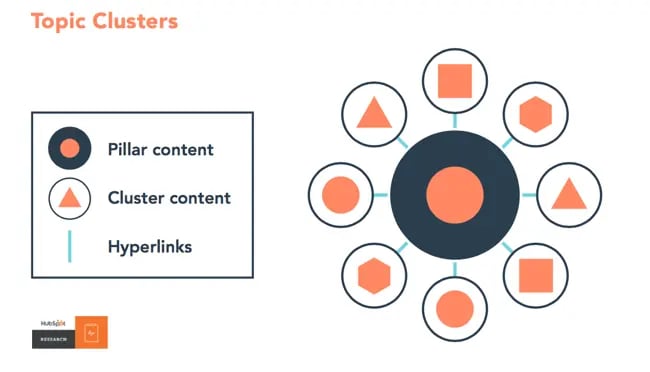
FAQPage,HowTo,Product, andLocalBusinessschema types. Tools like Schema.org’s validator can help ensure correct implementation. - Develop Content Clusters Around Core Topics: Instead of chasing individual keywords, identify your core business topics and build comprehensive content hubs. Each hub should have a pillar page covering the broad topic, linking out to supporting cluster pages that delve into specific sub-topics. This establishes topical authority.
- Optimize for Conversational and Long-Tail Queries: AI search often involves natural language questions. Research what questions your audience is asking in full sentences. Tools like Google Search Console and keyword research platforms can reveal these longer, more specific queries.
While auditing and refining existing content seems straightforward, the trap lies in superficial updates. Without a deep dive into user intent and conversion paths, teams often just rephrase sentences or add generic FAQs, missing the opportunity to truly enhance value. The second-order effect is a feeling of busyness without tangible impact, leading to internal skepticism about the effort. Similarly, structured data, while critical, isn’t a ‘set it and forget it’ task. Incorrect or outdated schema can actively mislead search engines, creating a technical debt that’s harder to untangle later than if it had been maintained consistently.
The concept of content clusters is powerful for establishing authority, but the practical execution often hits snags. It demands a significant, sustained commitment to content planning, creation, and ongoing internal linking. Many teams launch a pillar page and a few supporting articles, then struggle to maintain the structure as new content is added or old content needs updates. This can lead to a fragmented ‘cluster’ that dilutes topical authority rather than strengthening it, frustrating content managers who see their initial strategic vision erode over time.
Given the constraints of small to mid-sized teams, it’s crucial to know what to deprioritize. Resist the urge to chase every new AI search feature or to conduct hyper-granular keyword research for every single page on your site. The marketing landscape constantly introduces new ‘must-haves,’ but for teams with limited bandwidth, these often become distractions. Focusing too much on marginal gains from niche optimizations diverts precious resources from the foundational work that provides the most significant, reliable returns. Prioritize depth and quality on your core topics over breadth and superficial coverage across too many.
What to Deprioritize (and Why)
For small to mid-sized teams, resource allocation is critical. Not everything warrants immediate attention, and some traditional SEO tactics are less impactful today:
Deprioritize: Obsessive Keyword Density and Exact Match Targeting. The days of stuffing keywords or meticulously ensuring exact match phrases are over. Generative AI and modern search algorithms understand context, synonyms, and semantic relationships far better. Spending valuable time on minute keyword density adjustments is a poor use of limited resources. Instead, focus on natural language and comprehensive topic coverage.
Deprioritize: Chasing Every New AI Feature Announcement. The AI landscape is evolving rapidly, with new features and tools announced constantly. Many are experimental or not yet stable enough to warrant significant investment from small teams. Resist the urge to immediately pivot your entire strategy for every new development. Focus on the foundational principles of quality, authority, and user value first. Wait for features to mature and demonstrate clear, sustained impact before allocating significant resources.
Deprioritize: Creating Purely Transactional Content Without Informational Support. While product and service pages are essential, for informational queries, content that solely pushes a sale without providing genuine value or answering user questions will struggle to be picked up by AI Overviews. Ensure your commercial content is also informative and addresses potential customer queries directly.
Leveraging Existing Assets for AI Search
You likely have a wealth of content already. The key is to make it AI-ready. Conduct a content audit to identify pages that:
- Already answer specific questions, even if indirectly.
- Contain valuable data, statistics, or unique insights.
- Can be easily updated for clarity, conciseness, and direct answers.
For these pages, refine the introduction and conclusion to summarize key takeaways. Add explicit FAQ sections. Ensure strong internal linking to related, authoritative content on your site. This process of optimization is often more efficient than creating entirely new content, allowing you to quickly adapt your existing footprint.
Measuring Success in the New Landscape
Traditional organic traffic metrics remain important, but you need to expand your view to understand AI search performance:
- AI Overview Impressions: Monitor your visibility in AI-generated summaries. While direct clicks might shift, being cited means your brand is gaining authority and exposure.
- Direct Answer Snippets & Featured Snippets: These are still valuable and often precursors to AI Overview inclusion.
- Query Type Analysis: Track changes in the types of queries driving traffic. Are you seeing more conversational or long-tail questions? This indicates successful adaptation.
- Engagement Metrics: For informational content, focus on time on page, scroll depth, and bounce rate. High engagement signals that your content is valuable and satisfying user intent.
- Brand Mentions and Citations: While harder to track directly, increased mentions of your brand or content across the web can indicate growing authority, which AI values.
Adaptability is Your Edge
The Generative AI search landscape will continue to evolve. For small to mid-sized businesses, the ability to adapt quickly and strategically is a significant competitive advantage. Instead of chasing every fleeting trend, focus on the core principles: create high-quality, authoritative content that directly answers user questions, structure it for clarity, and continuously monitor its performance. Your agility and commitment to genuine value will be the most powerful tools in maintaining and growing your SERP visibility in the years ahead.


Leave a Comment