

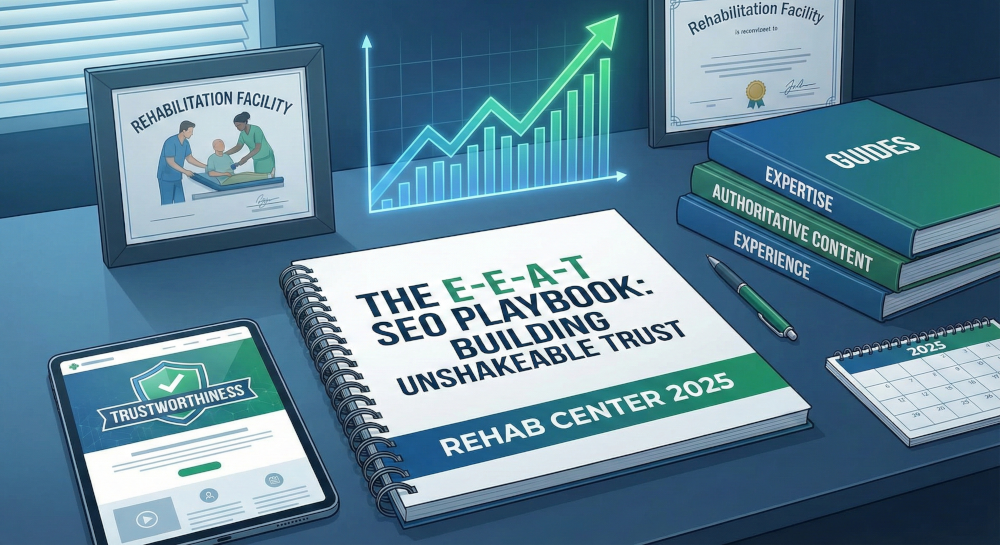
Elevating Your Brand with E-E-A-T
For small to mid-sized businesses, navigating the complexities of SEO can feel like a constant uphill battle, especially when resources are tight. This guide cuts through the noise, offering a pragmatic approach to E-E-A-T (Experience, Expertise, Authoritativeness, Trustworthiness) that delivers real results. You’ll learn how to prioritize your efforts, make smart trade-offs, and build a foundation of credibility that search engines, and more importantly, your customers, will value.
We’ll focus on actionable steps that directly impact your brand’s perceived quality and reliability, helping you improve organic visibility and foster deeper customer relationships without overstretching your limited budget or team.
Understanding E-E-A-T: Beyond the Acronym
E-E-A-T isn’t just a set of abstract guidelines; it’s Google’s framework for assessing the quality and reliability of content and its creators. For practitioners, it means demonstrating that your business and its content are legitimate, knowledgeable, and safe for users. It’s about proving you’re a credible source in your niche. Ignoring E-E-A-T means leaving your organic performance to chance, especially as search algorithms continue to prioritize high-quality, trustworthy information.
Think of E-E-A-T as a holistic measure of your digital reputation. It’s not just about keywords or backlinks anymore; it’s about the entire user journey and the confidence they have in your brand.
Where many practitioners stumble is in the operationalization of E-E-A-T. It’s easy to grasp the concepts of Expertise, Experience, Authoritativeness, and Trustworthiness in theory. In practice, demonstrating these attributes consistently, especially with limited resources, is a different challenge entirely. The first ‘E’ for Experience, in particular, is often overlooked or misunderstood. It’s not just about what your team knows, but what they’ve actively done and can show for it. This requires more than just well-researched articles; it demands showcasing practical application, direct insights from hands-on work, and evidence of real-world problem-solving.
The downstream consequences of neglecting E-E-A-T are also easy to underestimate. It’s not merely a matter of missing out on potential organic traffic; it’s about actively eroding the digital trust signals that search engines and users rely on. Rebuilding a damaged reputation or establishing genuine authority from a low base is a significantly more resource-intensive and time-consuming endeavor than proactively investing in these areas from the outset. This creates a hidden cost that compounds over time, often leading to frustration when short-term content pushes fail to move the needle.
Furthermore, the pressure to produce content volume often conflicts directly with the deliberate, quality-focused effort required for strong E-E-A-T. Small teams, under constant deadlines, might prioritize quantity over the deeper validation and proof points that truly signal expertise and trustworthiness. This trade-off, while seemingly efficient in the short run, can lead to a proliferation of content that is technically “on topic” but lacks the depth, unique perspective, or verifiable authority needed to compete effectively.
Prioritizing Trustworthiness (T) First
Of the four E-E-A-T elements, Trustworthiness (T) is the non-negotiable foundation. Without it, efforts in Experience, Expertise, or Authoritativeness will yield limited returns. If users or search engines don’t trust your site, nothing else matters.
- What to do first: Ensure your website is secure with HTTPS. Display clear, accurate contact information (phone, email, physical address if applicable). Publish transparent privacy policies, terms of service, and refund policies. Make sure your content is factually accurate and, where appropriate, cite credible sources. For e-commerce, secure payment gateways are paramount.
- What to delay or avoid: Don’t get bogged down chasing every

Leave a Comment