

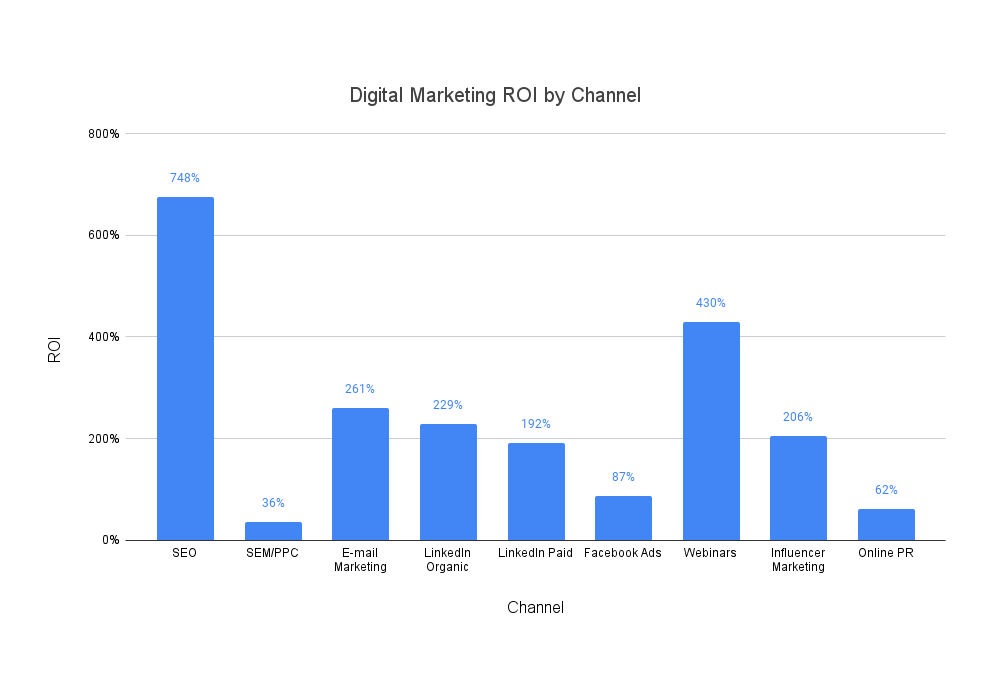
For small to mid-sized businesses, every dollar spent on digital advertising must deliver a tangible return. This article cuts through the noise, offering a pragmatic roadmap to optimize your ad spend for profitable growth. You’ll learn how to prioritize your efforts, make smart trade-offs under real-world constraints, and focus on strategies that genuinely move the needle for your business today.
We’ll cover core principles that ensure your campaigns are built on a solid foundation, how to interpret your data effectively, and where to allocate your limited budget for maximum impact. Expect actionable advice on what truly works, what to delay, and what to avoid altogether to prevent wasted resources.
Foundation First: Audience & Offer Alignment
Before you even think about ad platforms or targeting, nail down who you’re talking to and what you’re offering. Many businesses jump straight into campaign setup, only to find their ads underperforming because their core message doesn’t resonate or their offer isn’t compelling enough for the target audience. This isn’t about creating elaborate buyer personas, but rather a clear, concise understanding of your ideal customer’s pain points, desires, and how your product or service uniquely solves them.
Your offer needs to be clear, valuable, and differentiated. Is it easy to understand? Does it solve a real problem? Is there a clear call to action? Without this fundamental alignment, even the most sophisticated targeting or largest budget will struggle to generate positive ROI. Start here, and revisit it regularly. It’s the bedrock of all effective advertising.
Data-Driven Decisions: Beyond Vanity Metrics
Effective ad optimization hinges on understanding your data, but not all data is equally useful. Focus on metrics that directly impact your bottom line: Return on Ad Spend (ROAS), Customer Acquisition Cost (CAC), and Customer Lifetime Value (LTV). Impressions, clicks, and even click-through rates (CTR) are important diagnostic signals, but they don’t tell you if you’re making money.
- ROAS: This is your primary indicator of ad profitability. If your ROAS is below your break-even point, you’re losing money.
- CAC: How much does it cost to acquire a new customer? Track this per channel and campaign.
- LTV: Understanding the long-term value of a customer helps justify higher CACs for certain segments or products. For SMBs, a simplified LTV calculation is often sufficient: average purchase value x average purchase frequency x average customer lifespan. calculating customer lifetime value
Implement robust tracking from day one. Use Google Analytics 4 (GA4) and your ad platform’s conversion tracking. Ensure these systems are correctly configured to attribute conversions accurately. Without reliable data, every optimization effort is a shot in the dark.
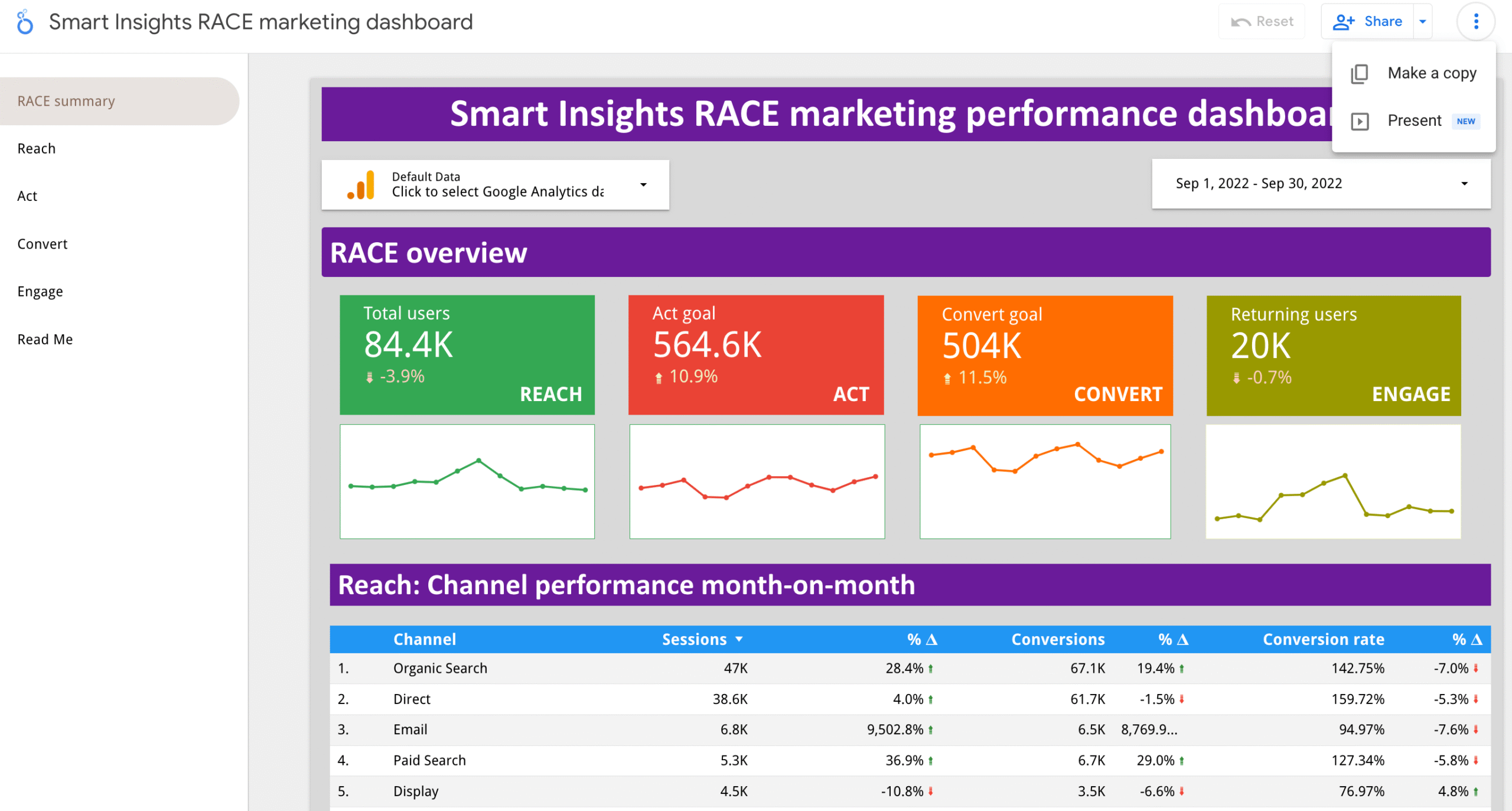
Even with robust tracking systems in place, a common frustration for teams is the inevitable discrepancy between data reported by different platforms. Google Ads, Facebook Ads, and Google Analytics 4 rarely align perfectly on conversion counts or revenue figures. This often leads to valuable time being spent on data reconciliation—trying to make numbers match perfectly—rather than on analyzing trends and making decisions. For most small to mid-sized businesses, directional accuracy and consistent internal reporting are more critical than pixel-perfect alignment across disparate systems. Chasing minor discrepancies can delay action and decision-making, which is a greater operational cost than accepting a slight margin of error.
Another subtle but significant pitfall is optimizing solely for a platform’s reported ROAS without factoring in the actual gross profit margin of the products or services being advertised. A campaign might show a strong ROAS on paper, but if it’s primarily driving sales of low-margin items, the net profit contribution could be minimal, or even negative after considering operational overheads. This can lead to a misallocation of budget towards seemingly “successful” campaigns that aren’t truly profitable for the business, creating a hidden cost in lost opportunity for higher-margin sales.
While Customer Lifetime Value (LTV) is a crucial metric for strategic planning, its practical application for many SMBs can be challenging beyond a simplified calculation. LTV is inherently a lagging indicator, reflecting past customer behavior. Over-optimizing for a static LTV number can cause teams to overlook current market shifts or changes in product appeal. Instead of striving for theoretical precision in LTV prediction, a more pragmatic approach is to focus on improving the quality of newly acquired customers and then observe how their LTV evolves over time. This iterative, adaptive strategy is often more actionable and less prone to misinterpretation than relying on complex, data-intensive LTV models that are difficult to maintain with limited resources.
Strategic Budget Allocation: Where to Focus Limited Spend
With limited budgets, strategic allocation is paramount. Avoid spreading your budget too thin across too many channels or campaigns. Instead, identify your highest-performing channels and campaigns, and double down on them. This often means prioritizing one or two core platforms (e.g., Google Ads for search intent, Meta Ads for social discovery) where you’ve seen consistent results.
Consider a “test and scale” approach. Allocate a small portion of your budget to test new audiences, ad formats, or platforms. Once a test proves promising with a positive ROAS, gradually increase the budget. If it fails, cut it quickly. Don’t be afraid to pause underperforming campaigns, even if you’ve invested time in them. Your goal is profitable growth, not just activity.
Currently, with AI-driven bidding strategies becoming more sophisticated, leverage them. Platforms like Google Ads and Meta Ads have advanced algorithms that can optimize for conversions or value. Provide them with clear conversion goals and sufficient data, and they can often outperform manual bidding for SMBs with limited time for daily adjustments.
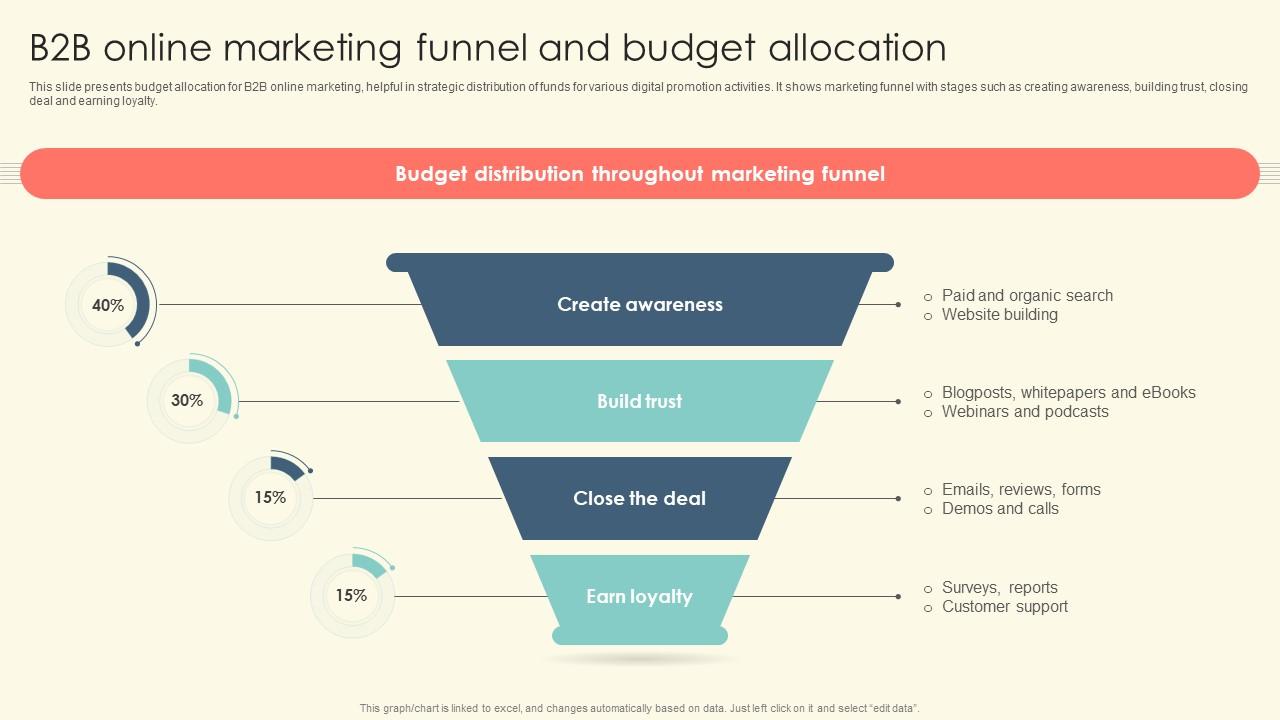
The advice to double down on proven channels is sound for immediate ROAS, but it introduces a different kind of risk: over-reliance. When 80% of your budget is on one platform, you become highly susceptible to its policy changes, algorithm shifts, or increasing cost-per-acquisition (CPA) pressures. This isn’t just a theoretical concern; it’s a common scenario where a sudden platform change can decimate a previously profitable channel, leaving your entire marketing effort vulnerable with no diversified backup. Building a secondary, albeit smaller, channel to a sustainable level, even if it’s not immediately as efficient, can act as a crucial hedge against this single-point-of-failure risk.
The “test and scale” approach, while effective, often falters in execution due to practical constraints. Teams frequently test too many variables simultaneously, making it impossible to isolate which change drove the result. Worse, the pressure to show quick wins can lead to premature cuts, abandoning promising tests before they’ve gathered enough data to be statistically significant. Conversely, the sunk cost fallacy can keep underperforming tests alive far too long, especially if significant internal effort went into their creation. Effective testing requires discipline: clear hypotheses, isolated variables, and a predefined threshold for success or failure, coupled with the fortitude to act on those thresholds without emotional attachment.
While AI bidding is a powerful ally, its effectiveness hinges on the quality and quantity of data it receives. A common oversight is assuming the AI will fix underlying conversion tracking issues or compensate for a poorly defined conversion event. If your tracking is inconsistent, or if you’re optimizing for a “micro-conversion” that doesn’t reliably lead to revenue, the AI will simply get very good at driving those suboptimal outcomes. For SMBs, this means prioritizing robust conversion tracking setup and data integrity before fully entrusting the budget to AI. Don’t deprioritize the foundational work of accurate measurement in favor of simply turning on an AI strategy; the latter will only amplify the flaws of the former.
Creative & Messaging That Converts: The Real Lever
Even with perfect targeting and bidding, poor creative will kill your campaign. Your ad copy and visuals are often the first, and sometimes only, impression a potential customer has of your business. They need to be compelling, clear, and directly address your audience’s needs or desires.
- Headline Hook: Grab attention immediately. Use strong benefit-driven language.
- Problem/Solution: Clearly articulate the problem your audience faces and how your product is the solution.
- Unique Value Proposition: Why choose you over competitors? Highlight what makes you different.
- Clear Call to Action (CTA): Tell people exactly what you want them to do next (e.g., “Shop Now,” “Get a Quote,” “Learn More”).
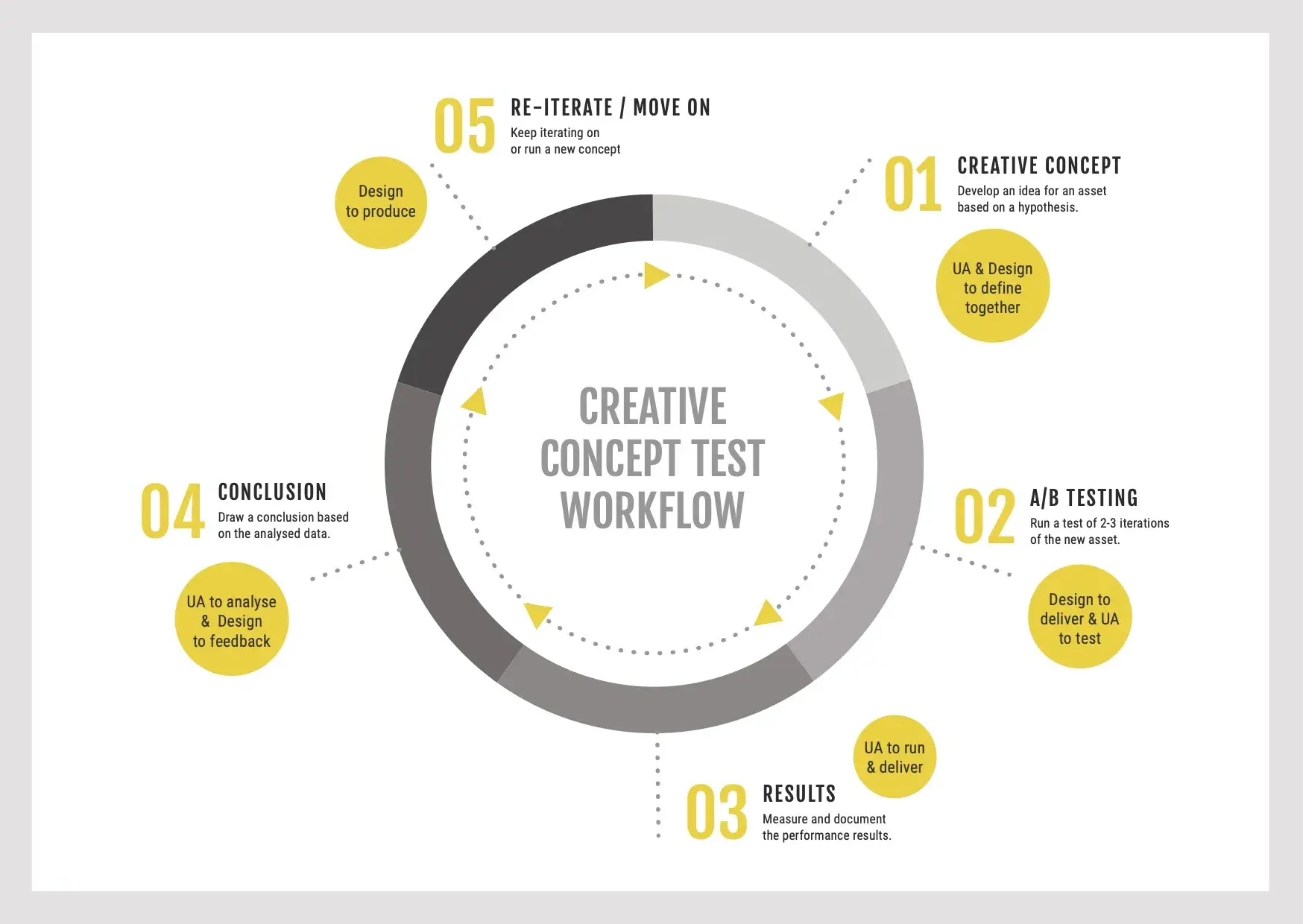
A/B test your creatives relentlessly. Small tweaks to headlines, images, or CTAs can have a significant impact on conversion rates. Don’t assume what works; test it. Focus on testing one major element at a time to clearly understand what drives performance improvements.
What to Deprioritize (and Why)
For small to mid-sized teams, resource allocation is critical. Today, you should deprioritize overly complex, multi-touch attribution models. While theoretically ideal, implementing and maintaining these models requires significant data infrastructure, specialized analytics talent, and a large volume of conversions to yield statistically significant insights. For most SMBs, a simpler last-click or time-decay attribution model within Google Analytics 4 or your primary ad platform is sufficient to make informed decisions about channel performance. Chasing perfect attribution often leads to analysis paralysis and diverts resources from actual campaign optimization.
Similarly, avoid jumping on every new ad format or platform feature immediately. Many new features are experimental or designed for enterprise-level budgets. Focus your efforts on mastering the core functionalities of your chosen platforms and proven ad formats that align with your business goals. Wait for new features to mature and demonstrate clear ROI for businesses of your size before investing significant time or budget into them.
Continuous Optimization: Iteration Over Perfection
Digital advertising is not a “set it and forget it” endeavor. It requires ongoing monitoring, analysis, and adjustment. Market conditions change, competitors adapt, and audience preferences evolve. Establish a regular cadence for reviewing your campaign performance – daily checks for budget pacing and obvious issues, weekly deep dives into ROAS and CAC, and monthly strategic reviews.
Embrace an iterative approach. Make small, data-backed changes, observe the impact, and then adjust again. This could involve refining your targeting, optimizing your bidding strategy, refreshing ad creatives, or adjusting landing page experiences. The goal isn’t to achieve perfection in one go, but to consistently improve performance over time through a series of informed adjustments. This disciplined approach, focused on incremental gains, is how profitable growth is truly sustained.



Leave a Comment