


As a small to mid-sized business, your marketing team operates with tight budgets and even tighter schedules. The last thing you need is to waste time tracking SEO metrics that don’t directly contribute to your bottom line. This article cuts through the noise, focusing on the actionable data points that reveal true impact and guide your limited resources toward sustainable growth.
You’ll learn to identify the metrics that genuinely matter, understand what to prioritize for immediate gains, and critically, what to deprioritize or even ignore to avoid costly distractions. Our goal is to equip you with a pragmatic framework for measuring SEO success that aligns directly with your business objectives, not just vanity numbers.
Beyond Vanity Metrics: What Really Drives Growth
Many businesses get caught up chasing high keyword rankings or raw traffic numbers. While these can be indicators, they often don’t tell the full story of business impact. A page ranking number one for a non-commercial keyword might bring traffic, but if that traffic doesn’t convert, it’s a drain on resources, not a growth driver.
True growth in SEO comes from understanding how organic search contributes to your business goals: leads, sales, or specific user actions. This requires shifting focus from superficial metrics to those that directly correlate with revenue and customer acquisition. For small teams, every hour and every dollar spent on SEO must yield a measurable return.
Core Metrics for Small Teams
With limited resources, you need to focus on metrics that provide clear signals for action. These are the non-negotiables:
- Organic Conversions/Leads: This is the ultimate metric. Are people coming from organic search completing your desired actions? This could be filling out a contact form, downloading a guide, or signing up for a newsletter. Track this meticulously in Google Analytics 4.
- Organic Revenue (for e-commerce): If you sell products online, this is your direct measure of SEO success. How much revenue is directly attributable to organic search traffic? This metric cuts through all other noise.
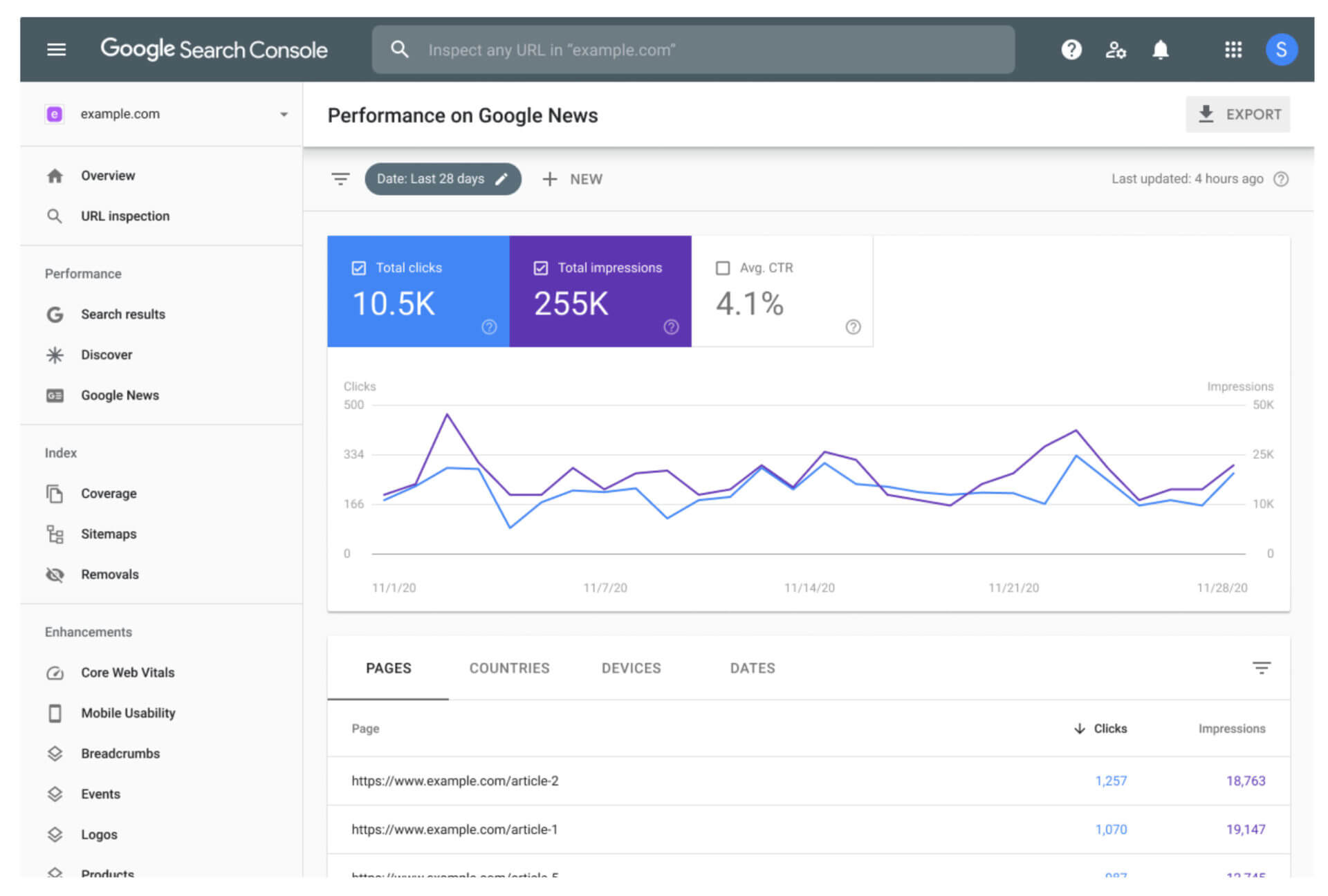
- Organic Search Visibility (Impressions & Clicks): Google Search Console (GSC) is invaluable here. Impressions tell you how often your content appears in search results, and clicks show how many users actually engaged. A high impression count with low clicks indicates a need to improve your title tags and meta descriptions.

Google Search Console performance report - Conversion-Focused Keyword Performance: Don’t just track keywords; track which keywords lead to conversions. GSC combined with your analytics platform can reveal which terms are bringing high-intent users. This helps you optimize existing content and identify new content opportunities. Keyword intent guide
- Page-Level Engagement (Time on Page, Scroll Depth): While not direct conversion metrics, these provide crucial context about the quality of your organic traffic. If users land on a page and immediately leave, it suggests a mismatch between their search intent and your content, or a poor user experience.
- Relevant Backlink Acquisition: Focus on quality over quantity. Are you acquiring backlinks from authoritative, relevant sites? These links signal trust and authority to search engines, which is critical for long-term growth.
While tracking these core metrics is essential, it’s easy for small teams to fall into traps that obscure their true impact. For instance, a surge in “Organic Search Visibility” (impressions) might feel like progress, but if those impressions come from increasingly irrelevant search queries, or if the click-through rate remains stubbornly low for high-intent terms, you’re essentially generating noise. This isn’t just inefficient; it can lead to a false sense of security, diverting resources from truly impactful content or technical improvements because the initial numbers look “good enough.” The real cost here is the opportunity lost on genuinely qualified traffic.
Similarly, “Page-Level Engagement” metrics often get deprioritized in favor of direct conversion tracking. However, consistently low time on page or shallow scroll depth across key content isn’t just a signal for a quick fix; it’s a slow erosion of your site’s perceived value to search engines. Over time, this can subtly degrade your overall domain authority and make it harder for even your best content to rank. It’s a downstream effect that often goes unnoticed until it manifests as a broader stagnation in organic performance, forcing a more extensive and costly audit later.
Another common pitfall is the pressure to simply “acquire more backlinks.” While quantity might seem like a straightforward goal, neglecting the ongoing relevance and health of your existing link profile can create a form of “backlink debt.” Links from sites that degrade in quality, become irrelevant, or simply break over time can become a liability. Proactively auditing and disavowing toxic links or refreshing broken ones is far less glamorous than acquiring new ones, but ignoring this maintenance can lead to a more severe penalty or a much harder recovery effort down the line, adding significant, unexpected workload to an already lean team.
What to Prioritize and Why
For small to mid-sized teams, prioritization is not just a recommendation; it’s a survival strategy. Here’s a pragmatic approach:
Prioritize First:
- Setting up accurate conversion tracking in Google Analytics 4. Without this, you’re flying blind. Ensure every lead form, purchase, or key action is tracked. This is foundational. Google Analytics 4 setup guide
- Optimizing for organic conversions/revenue. Identify your top-converting organic pages and keywords. Focus on improving their conversion rates through better calls-to-action, clearer messaging, or improved user experience.
- Analyzing Google Search Console for quick wins. Look for pages with high impressions but low click-through rates (CTRs). Improving titles and meta descriptions here can yield immediate traffic bumps. Also, identify keywords where you rank on page two or three and can push to page one with minor content enhancements.
What to Delay or Deprioritize Today:
Many small teams get bogged down in activities that offer minimal immediate return or are too complex for their current stage. You should deprioritize or skip:
- Obsessing over individual keyword rankings for non-converting terms. While tracking rankings can be useful, spending hours monitoring every single keyword, especially those that don’t drive conversions, is a distraction. Your time is better spent on high-intent terms or improving conversion paths.
- Massive, untargeted backlink campaigns. Building thousands of low-quality links is often ineffective and can even be detrimental. Focus on earning high-quality, relevant links through valuable content and genuine outreach, even if it’s slower.
- Deep, comprehensive technical SEO audits if your core content and conversion tracking aren’t solid. While technical SEO is important, fixing every minor technical issue before you have a clear content strategy and reliable conversion data is putting the cart before the horse. Address critical issues like crawlability or indexability, but save the exhaustive audit for later.
- Over-analyzing bounce rate in isolation. A high bounce rate isn’t always bad; sometimes users find what they need quickly. Contextualize it with time on page and conversion data before making drastic changes.
The reasoning is simple: limited resources demand focus on direct impact. Chasing vanity metrics or complex issues prematurely wastes precious time and budget that could be better allocated to activities with a clearer, more immediate return on investment.
The immediate cost of not having accurate conversion tracking is obvious: you don’t know what’s working. The hidden cost, however, is the compounding effect of misinformed decisions. Every dollar spent on traffic generation—whether through paid ads, content creation, or outreach—becomes a speculative investment. Teams end up making calls based on gut feeling or superficial metrics like traffic volume, leading to a cycle of trial and error that burns through budget and morale. This isn’t just inefficient; it creates internal pressure and second-guessing, making it harder to justify future marketing spend or secure buy-in for new initiatives.
When optimizing for organic conversions, it’s easy to fall into the trap of only polishing your existing top performers. While this is a valid starting point, overlooking pages that are almost converting, or those with high potential but currently low visibility, is a common pitfall. The theory suggests focusing on the best, but in practice, a small investment in a moderately performing page with high commercial intent can sometimes unlock disproportionate gains, especially if competitors aren’t targeting that specific niche as aggressively. It requires a balanced view, not just a singular focus on the current champions.
Regarding technical SEO, while a full audit can indeed be a distraction, completely ignoring the underlying technical health of your site carries its own delayed consequences. Issues like slow page load times, poor mobile responsiveness, or subtle crawl errors might not immediately halt conversions, but they silently erode user experience and search engine trust over time. These aren’t always “critical” in the sense of breaking the site, but they act as a constant drag on performance, making every other optimization effort less effective. Addressing these foundational elements incrementally, rather than waiting for a crisis or a massive audit, can prevent minor issues from becoming significant blockers down the line.
Setting Up Your Measurement Framework
You don’t need expensive tools to start. Google Analytics 4 and Google Search Console are free, powerful, and essential. Ensure GA4 is correctly installed and configured to track all relevant conversions. For GSC, verify your site and regularly check the Performance report.
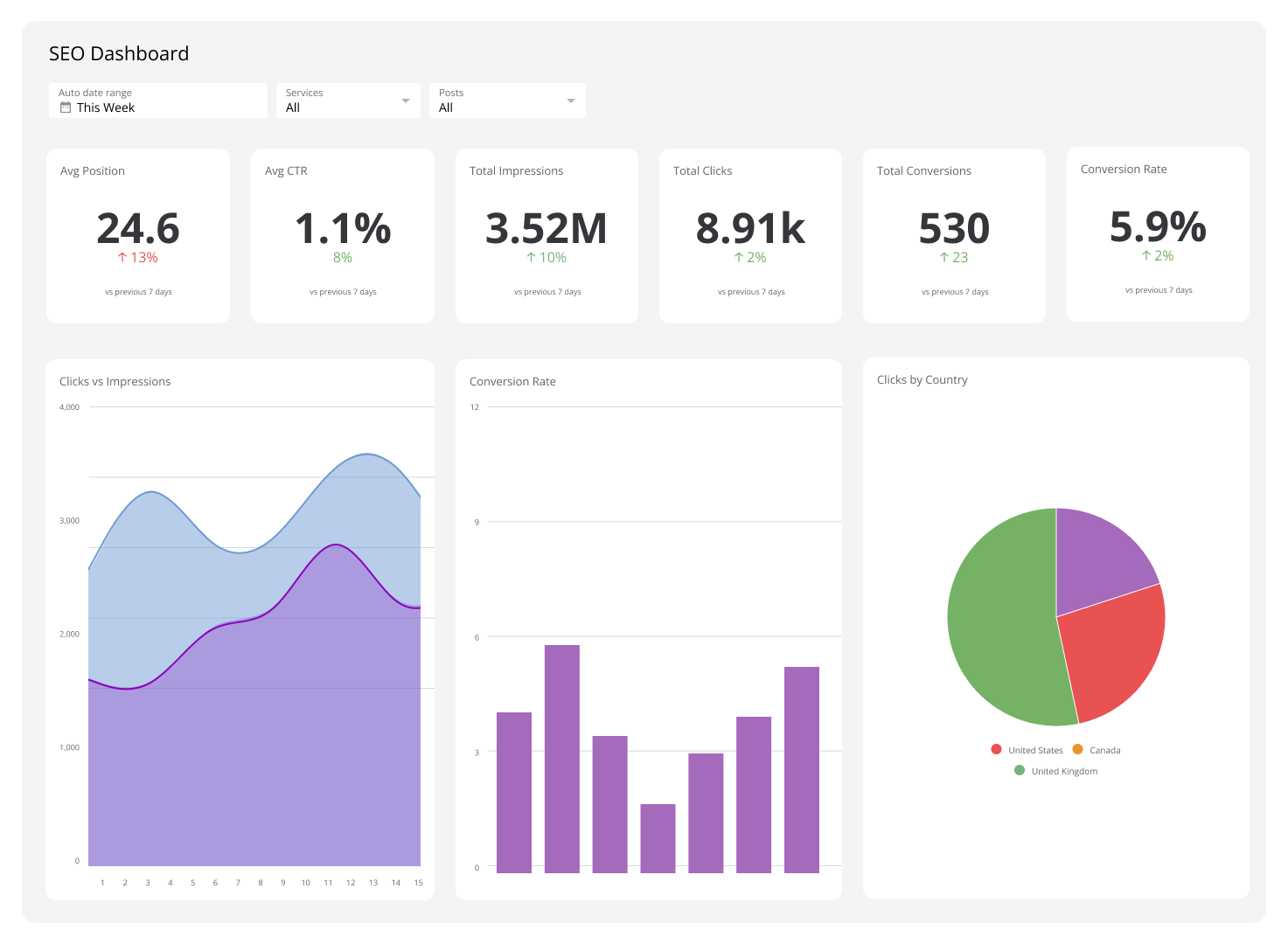
Create a simple, focused dashboard that pulls your core metrics into one view. This could be a custom report in GA4 or a simple spreadsheet. The goal is clarity and actionability, not complexity.
From Data to Decisions: Iterative Improvement
The real power of these metrics lies in their ability to inform your decisions. Don’t just collect data; use it to iterate and improve:
- Low organic conversions on a high-traffic page? Review the content, calls-to-action, and user experience. Is the offer clear? Is the page easy to navigate?
- High impressions but low CTR in GSC for a key keyword? Rewrite your title tag and meta description to be more compelling and accurately reflect the page’s value.
- Top-converting keywords losing visibility? Invest in updating and expanding the associated content to maintain relevance and authority.
This iterative process of measuring, analyzing, and acting is how small teams achieve sustainable SEO growth. It’s about making small, consistent improvements based on real data, rather than chasing every new trend.
Sustaining Growth with Focused Metrics
For small to mid-sized businesses, sustainable SEO growth isn’t about doing everything; it’s about doing the right things consistently. By focusing on actionable metrics that directly tie to conversions and revenue, you ensure that every SEO effort contributes meaningfully to your business objectives. This pragmatic approach, prioritizing impact over completeness, is the most effective path to long-term success with limited resources.

Leave a Comment