

Unlocking Conversions with Smart Personalization
In today’s competitive digital landscape, generic marketing messages simply don’t cut it. Your small or mid-sized business needs to connect with customers on a deeper level to drive conversions and stand out. This article cuts through the hype to show you how to implement practical hyper-personalization strategies that actually work for teams with limited budgets and headcount. We’ll focus on what to prioritize, what to delay, and how to make smart trade-offs to maximize your impact.
By focusing on actionable steps and real-world constraints, you’ll gain a clear roadmap to leverage personalization effectively, turning more prospects into loyal customers without overstretching your resources.
Defining Hyper-Personalization for SMBs
Hyper-personalization isn’t just adding a customer’s name to an email. For small to mid-sized businesses, it means delivering highly relevant content, product recommendations, and offers based on individual customer data and real-time behavior. The goal is to create a one-to-one marketing experience that feels intuitive and valuable, directly influencing purchasing decisions. This isn’t about chasing every new AI trend; it’s about using available data smartly to improve the customer journey.
What often gets overlooked is the operational rigor required to fuel genuine hyper-personalization. It’s not just about having data; it’s about having clean, consistent, and actionable data. For many SMBs, this means a significant, ongoing investment in data hygiene, integration, and maintenance. Without it, even the most sophisticated personalization engine will churn out irrelevant or even counterproductive experiences, leading to wasted effort and customer frustration.
There’s also a fine line between helpful and intrusive. When personalization crosses into the “creepy” territory – perhaps by surfacing information customers didn’t expect you to know, or by making recommendations that feel too predictive – it erodes trust. This isn’t just a minor misstep; it’s a direct hit to customer loyalty, a downstream effect that can be far more damaging than the initial benefit of a well-placed offer. The goal is to feel intuitive, not invasive.
Practically, the biggest hurdle isn’t always the technology itself, but the integration and the human effort. Data often lives in silos: your CRM, e-commerce platform, email marketing tool, and customer support system. Bridging these gaps requires either significant technical work or manual processes that are prone to error and consume valuable team time. The initial excitement of personalization can quickly turn into frustration as teams grapple with data discrepancies and the sheer effort of keeping systems aligned.
The Indispensable Foundation: First-Party Data & Segmentation
Before you personalize anything, you need a solid data foundation. This is your non-negotiable first step. Focus intensely on collecting and organizing first-party data – information gathered directly from your customers through your website, CRM, email sign-ups, and purchase history. This data is the most reliable and cost-effective for SMBs.
- Website Analytics: Understand user paths, popular pages, and drop-off points.
- CRM System: Centralize customer interactions, purchase history, and demographic details. Even a basic CRM is better than none.
- Email Sign-ups & Surveys: Directly ask about preferences and interests.
- Transaction Data: What did they buy? How often? What’s their average order value?
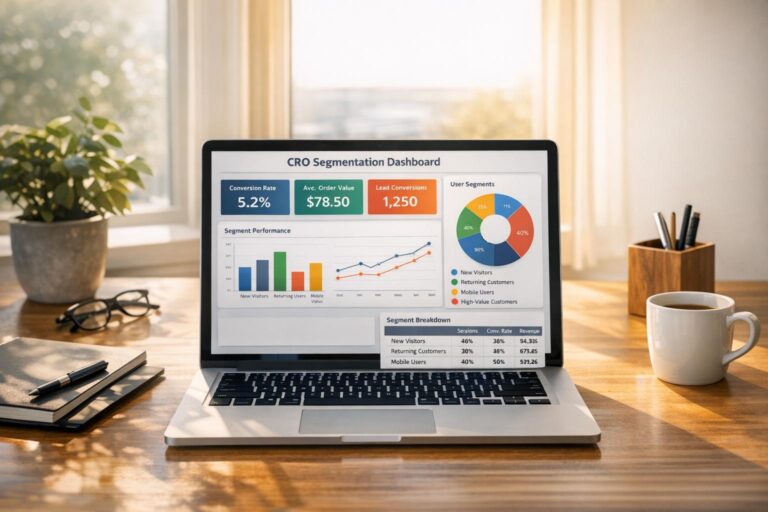
Once you have this data, segment your audience. Start simple: new visitors vs. returning customers, high-value vs. low-value, engaged vs. disengaged. This allows you to tailor messages to groups with similar needs and behaviors, a crucial step before attempting individual personalization.
Collecting first-party data is the non-negotiable first step, but the ongoing discipline of data hygiene is where many SMBs falter. Stale, duplicate, or incomplete records don’t just reduce the effectiveness of your segments; they actively waste resources. Teams end up building campaigns on flawed assumptions, leading to poor performance and the hidden cost of lost opportunities. This also creates internal friction, as marketing and sales teams question the reliability of the very foundation they’re supposed to be building upon, leading to a frustrating cycle of blame and rework.
While the goal is to tailor messages, a common pitfall is over-segmentation. The theoretical appeal of hyper-specific targeting often clashes with the practical realities of limited bandwidth and imperfect execution. Creating and managing dozens of micro-segments can quickly become an operational nightmare, diluting focus and increasing the risk of errors. Instead of achieving deeper personalization, teams find themselves spread too thin, struggling to maintain consistency across too many variations, ultimately leading to a less impactful, more fragmented customer experience than if they had stuck to simpler, more manageable groups.
Another often-overlooked aspect is the human effort required to consistently *act* on these segments. It’s one thing to define a “high-value, disengaged customer” segment; it’s another to reliably trigger the right message at the right time, every time, across all relevant channels. The data and segmentation tools provide the ‘what,’ but the ‘how’ often involves manual processes, coordination across departments, and a clear understanding of who owns which part of the customer journey. Without this operational clarity and consistent follow-through, even the most insightful segments can remain underutilized, leading to frustration and the perception that the data effort wasn’t worth the initial investment.
Prioritizing Channels for Maximum Impact
With limited resources, you can’t personalize everywhere at once. Here’s where to focus your efforts for the highest conversion potential:
Email Marketing: Your Personalization Powerhouse
Email remains one of the most effective and accessible channels for hyper-personalization. It’s relatively low-cost and allows for deep segmentation. Start with:
- Personalized Product Recommendations: Based on past purchases or browsing history.
- Abandoned Cart Recovery: Highly effective, personalized reminders with incentives.
- Behavioral Triggers: Emails sent after specific actions (e.g., viewing a category, downloading a guide).
- Lifecycle Campaigns: Onboarding sequences, loyalty programs, birthday offers.
Many marketing automation platforms offer robust features for this, even in their entry-level tiers email marketing automation.
Website Experience: Dynamic Content & Offers
Your website is a prime location for real-time personalization. Focus on:
- Dynamic Homepage Content: Show different banners or featured products based on visitor segments (e.g., first-time visitor vs. returning customer).
- Product Recommendations:

Leave a Comment