

For small to mid-sized marketing teams, the strategic integration of AI isn’t about chasing every new tool; it’s about smart augmentation. This article will guide you through prioritizing AI applications that deliver tangible benefits today, helping you free up valuable human time for strategic thinking and creative execution. You’ll gain practical insights on what AI tasks to tackle first, what to delay, and crucially, how to ensure your brand’s unique voice and human connection remain at the forefront.
Our focus is on actionable steps that enhance efficiency and effectiveness, allowing your limited budget and headcount to stretch further. We’ll cut through the hype to show you where AI truly makes a difference in real-world marketing scenarios, enabling you to make informed trade-offs under operational constraints.
Prioritizing AI for Immediate Marketing Impact
AI’s true value for SMBs lies in its ability to augment existing capabilities, not replace them. Focus on areas where AI can deliver significant efficiency gains and data-driven insights without requiring a complete overhaul of your operations.
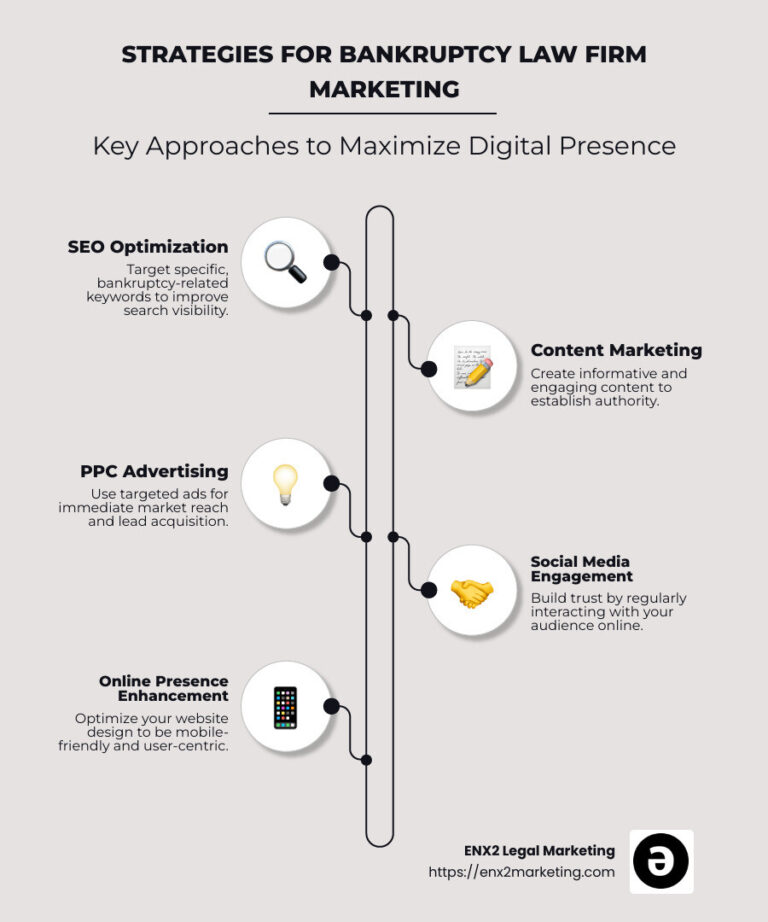
- Content Drafting & Repurposing: Leverage AI to generate first drafts for blog posts, social media updates, email campaigns, and ad copy. This dramatically reduces the time spent on initial ideation and writing, allowing your team to focus on refining, adding brand voice, and ensuring accuracy. For practical tools, consider resources like AI tools for content creation.
- Basic SEO Analysis & Keyword Research: AI-powered tools can quickly summarize keyword opportunities, identify content gaps, and provide competitive analysis. This streamlines the research phase, giving your team a solid foundation for content strategy.
- Ad Copy Optimization & A/B Testing Suggestions: AI can generate multiple ad copy variations, predict performance, and suggest optimal headlines or calls-to-action for PPC campaigns. This accelerates testing cycles and improves ad relevance.
- Customer Service Augmentation: Implement chatbots for handling frequently asked questions (FAQs), basic support inquiries, and initial lead qualification. This frees up human agents to address more complex customer issues, improving overall service quality and response times.

Where the Human Touch Remains Indispensable
While AI excels at data processing and task automation, certain aspects of marketing demand uniquely human qualities. Preserving these ensures your brand maintains authenticity, empathy, and strategic depth.
- Strategic Vision & Brand Voice Development: AI can analyze market trends, but it cannot define your brand’s core values, long-term vision, or unique personality. Humans must set the strategic direction and imbue all communications with the brand’s authentic voice.
- Complex Customer Engagement & Relationship Building: Handling sensitive customer complaints, navigating nuanced sales conversations, and fostering genuine community relationships require empathy, emotional intelligence, and adaptability that AI currently lacks.
- Creative Direction & Storytelling: AI can generate content, but humans are essential for inspiring truly original ideas, curating compelling narratives, and ensuring emotional resonance that connects deeply with an audience.
- Ethical Oversight & Bias Mitigation: AI models can inherit biases from their training data. Human oversight is critical for reviewing AI outputs for accuracy, fairness, cultural appropriateness, and alignment with ethical marketing practices.
- Decision-Making & Interpretation: AI provides data and insights, but humans must interpret these findings within a broader business context, make informed judgment calls, and take ultimate responsibility for marketing outcomes.
It’s tempting to let AI draft initial brand guidelines or creative briefs, but this often leads to a subtle erosion of distinctiveness. While efficient on the surface, relying on AI for foundational elements means the unique quirks, values, and nuanced personality that truly differentiate a brand are never fully articulated or embedded. The result isn’t necessarily ‘bad’ content, but rather ‘generic’ content that slowly dilutes the brand’s unique voice over time, making it harder to stand out in a crowded market.
Another common pitfall is underestimating the human effort required to ‘fix’ or contextualize AI outputs. The promise of AI is often time-saving, but in practice, teams frequently find themselves spending significant hours correcting factual errors, re-injecting missing empathy into customer responses, or refining creative concepts that lack genuine emotional depth. This isn’t just editing; it’s a cognitive load of constantly course-correcting, which can lead to frustration and a false economy where perceived efficiency gains are offset by increased human labor in quality assurance and strategic alignment.
Furthermore, the interpretation of AI-generated data and insights demands a level of human judgment that is easy to overlook. AI can identify correlations, but it cannot inherently understand the ‘why’ behind human behavior, cultural nuances, or the broader market context. Without experienced human marketers to provide this interpretive layer, decisions based solely on AI outputs risk being technically sound but strategically misaligned. This can lead to wasted budget on campaigns that miss the mark or a failure to capitalize on genuine opportunities that require a deeper, intuitive understanding of the audience.
What to Deprioritize or Avoid Today
For small to mid-sized businesses operating with limited budgets and headcount, not all AI applications offer immediate, practical value. Making smart trade-offs is crucial to avoid wasted resources and frustration.
Deprioritize investing heavily in bespoke AI development or complex, enterprise-level platforms that require dedicated data science teams. These often come with high upfront costs, steep learning curves, and ongoing maintenance demands that typically outweigh immediate benefits for smaller operations. Instead, leverage off-the-shelf, integrated AI features within existing marketing tools you already use or are considering. Also, **avoid** fully automating customer service for anything beyond basic FAQs or initial lead qualification. Customers quickly become frustrated when complex issues or unique situations are met with generic AI responses, which can severely damage brand trust and loyalty.
- Over-reliance on AI for creative ideation without human refinement: While AI can generate ideas, unedited AI output often lacks originality, emotional depth, or brand-specific nuance. Always apply human creativity and judgment.
- Ignoring ethical implications: Rushing into AI without considering data privacy, algorithmic bias, and transparency can lead to reputational damage and legal issues.
- Chasing every new AI trend without clear ROI: The AI landscape evolves rapidly. Focus on solutions that address specific pain points and offer a clear return on investment for your business, rather than adopting tools just because they are new.
The initial appeal of integrated, off-the-shelf AI features is their apparent ease of adoption. What’s often overlooked, however, are the downstream implications for data ownership and portability. When you feed proprietary business data into a vendor’s AI model, you’re not just using a feature; you’re often contributing to a system that might not easily release your data or insights in a format usable elsewhere. This can create a subtle, yet powerful, vendor lock-in, making future transitions to different platforms or deeper custom integrations far more complex and costly than anticipated. The immediate convenience can mask a long-term strategic constraint.
Another common pitfall is the uncritical deployment of AI for content generation. While it’s tempting to offload the creation of social media posts, email drafts, or even blog outlines, the output frequently requires significant human editing to align with brand voice, ensure factual accuracy, and inject genuine insight. The “time saved” in initial generation can quickly be consumed, or even exceeded, by the effort required for refinement and correction. This isn’t just an efficiency problem; it leads to team frustration, as practitioners feel like they’re merely correcting a machine rather than leveraging it to amplify their own creativity, ultimately diluting the brand’s unique perspective.
Finally, the theoretical promise of AI-driven insights or personalization often clashes with the practical realities of small teams. Implementing AI-powered analytics, for instance, isn’t a “set it and forget it” task. It demands ongoing data quality checks, model monitoring, and a human interpreter to translate raw outputs into actionable business decisions. Without dedicated resources for these tasks, these sophisticated features can quickly become underutilized, generating noise rather than signal, or worse, making recommendations based on stale or flawed data. The subscription cost remains, but the expected value never materializes, adding to budget strain without delivering tangible results.
Implementing AI Strategically in Your Workflow
Successful AI integration for SMBs is about incremental adoption, not revolutionary change. Focus on practical steps that enhance existing workflows.
- Identify Bottlenecks: Start by pinpointing specific tasks or processes where your team experiences the most time consumption, inefficiency, or repetitive work. These are prime candidates for AI augmentation.
- Pilot Programs: Introduce AI tools on a small scale, perhaps with one team or for a specific project. Measure the results, gather feedback from your team, and refine your approach before broader implementation.
- Train Your Team: Equip your marketing professionals with the skills to effectively use AI tools, including prompt engineering best practices. Empowering your team to leverage AI will maximize its impact.
- Iterate & Optimize: AI integration is an ongoing process. Regularly review the performance of your AI tools, assess their impact on efficiency and outcomes, and be prepared to adjust your strategy as technology evolves and your business needs change.
The Future is Augmented, Not Replaced
In 2026, the most effective marketing teams are those that master the art of human-AI collaboration. This means leveraging AI for its unparalleled speed, data processing capabilities, and ability to scale repetitive tasks, while reserving human intellect for strategic planning, creative inspiration, empathetic customer engagement, and critical decision-making.
It’s about working smarter, not just faster. By strategically integrating AI, small to mid-sized businesses can amplify their impact, achieve greater efficiency, and foster deeper connections with their audience, all while preserving the essential human touch that defines their brand.

Leave a Comment