

For small to mid-sized marketing teams, the promise of AI tools is immense: greater efficiency, deeper insights, and more impactful campaigns. But simply adding more tools often creates more complexity, not less. This article cuts through the noise to provide actionable strategies for integrating AI into your existing marketing stack, ensuring these tools genuinely enhance your operations and drive growth, even with limited resources.
You’ll learn how to prioritize integrations that deliver real value, identify what to deprioritize to avoid wasted effort, and implement practical tactics for building a cohesive, effective marketing ecosystem. Our focus is on making smart decisions that work within your team’s real-world constraints.
Why Integration Matters More Than Individual Tools
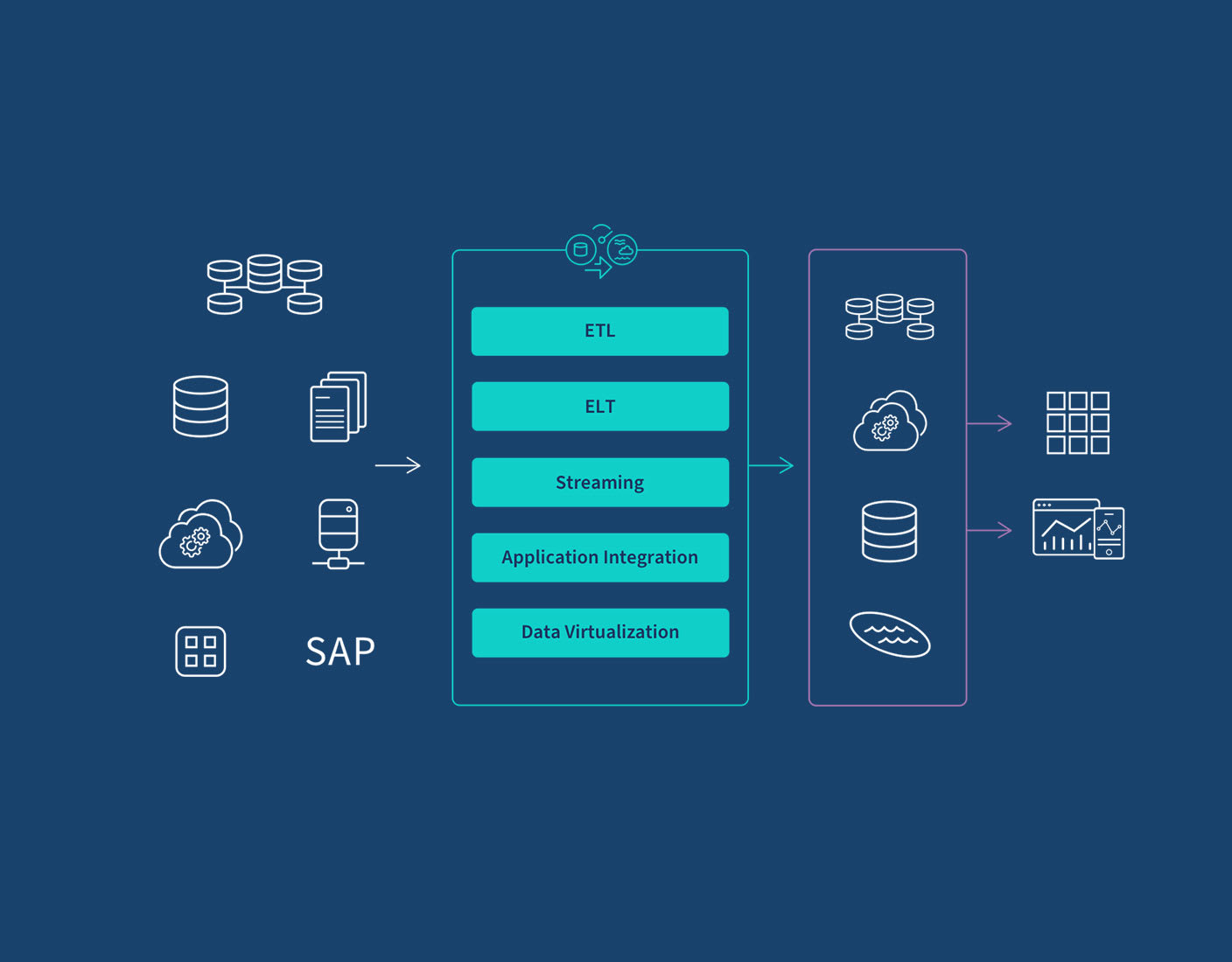
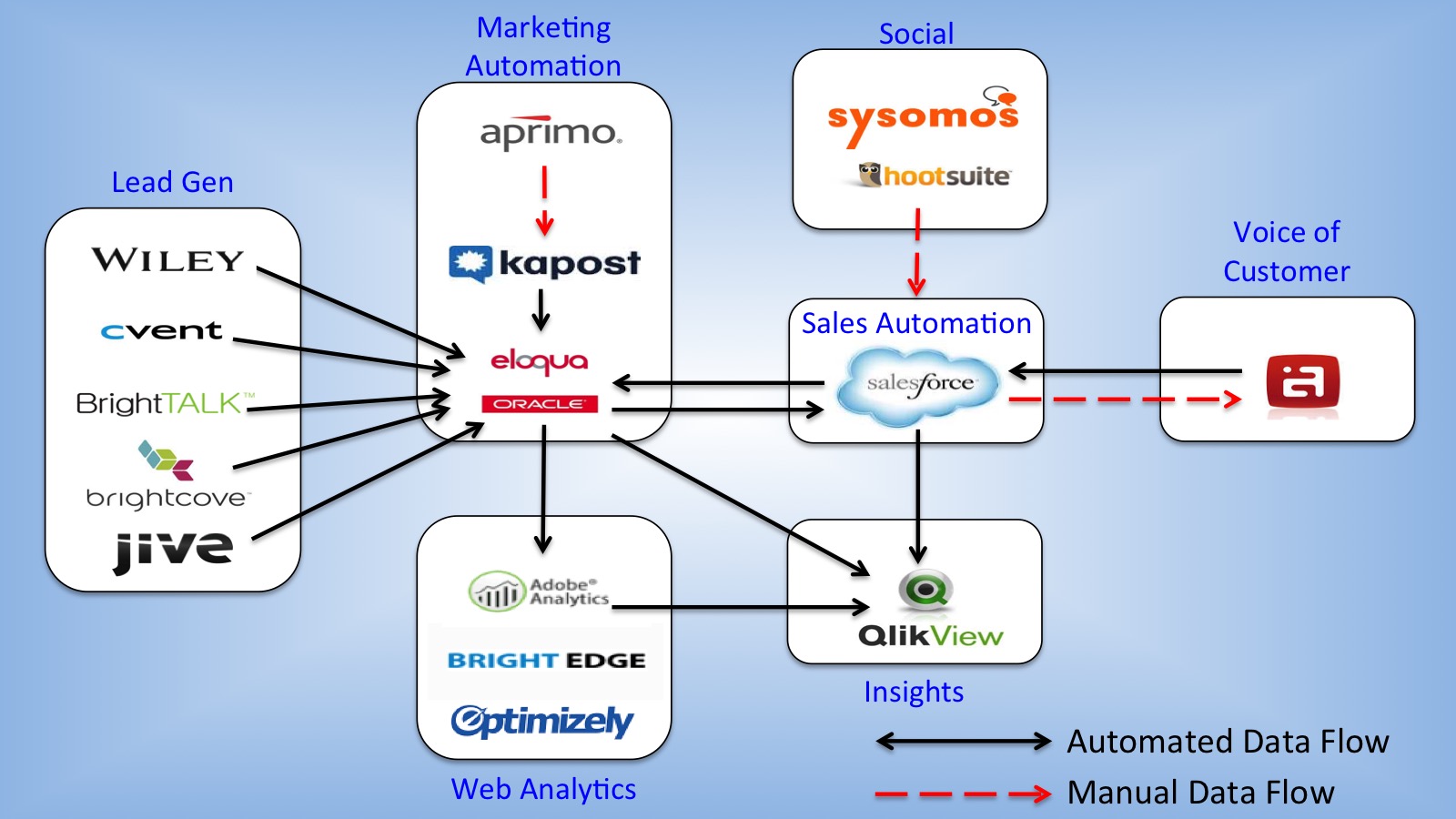
The market is flooded with specialized AI tools for every marketing function, from content generation to ad optimization. While each offers specific benefits, using them in isolation often leads to fragmented data, redundant tasks, and a disjointed customer experience. Your team ends up spending more time manually transferring information or reconciling discrepancies than actually executing strategy.
A unified marketing stack, where AI tools communicate and share data seamlessly, is not just about convenience; it’s about creating a single source of truth for customer data, automating workflows, and enabling AI to deliver more accurate, context-aware insights. This reduces friction, frees up valuable human capital, and allows your team to focus on strategic thinking rather than operational busywork.
Prioritizing Your Integration Efforts: Where to Start
Given limited time and budget, you can’t integrate everything at once. Focus on high-impact, low-friction integrations that address your most pressing pain points or unlock significant efficiency gains. Start with your existing critical systems and identify the AI tools that can most effectively augment them.
- Data Sync Between Core Platforms: Prioritize connecting your CRM with your email marketing platform, ad platforms, or customer service tools. This ensures consistent customer data across all touchpoints, enabling personalized communication and more accurate audience targeting.
- Content Workflow Automation: Integrate AI writing assistants or content optimization tools directly with your CMS, project management software, or social media scheduler. This streamlines content creation, review, and publishing processes.
- Analytics Consolidation: Connect AI-powered analytics tools that can pull data from various sources (website, social, ads) into a single dashboard. This provides a holistic view of performance and allows AI to identify trends and anomalies more effectively.
The goal is to build a foundational layer of interconnected tools that support your most frequent and impactful marketing activities.


Leave a Comment