

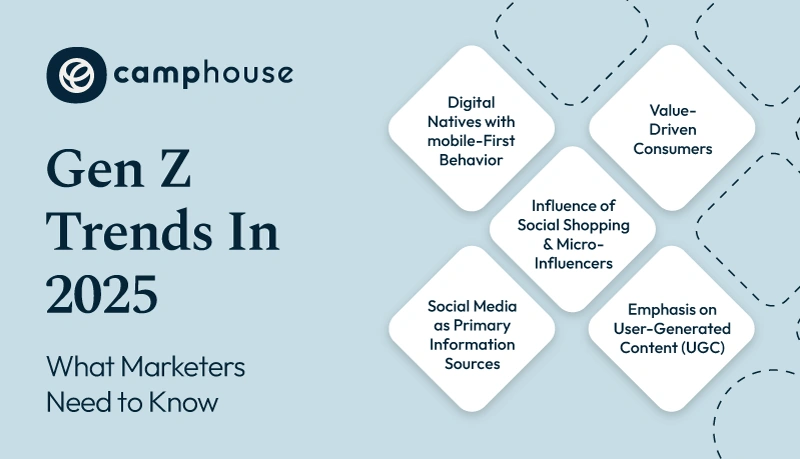
As small to mid-sized businesses, you’re constantly navigating evolving consumer landscapes with limited resources. The rise of Gen Z and the emerging influence of Gen Alpha present both challenges and significant opportunities. This article cuts through the noise to provide actionable, pragmatic strategies for engaging these crucial demographics effectively, without overstretching your budget or team.
You’ll learn where to focus your efforts for maximum impact, what marketing tactics genuinely resonate, and critically, what to deprioritize or avoid entirely to ensure your marketing spend delivers real returns in today’s fast-paced digital environment.
Understanding the Landscape: Beyond Stereotypes
Gen Z (born roughly 1997-2012) and Gen Alpha (born 2010-2024) are digital natives, but that’s just the starting point. They value authenticity, transparency, and brands that align with their personal values. Their attention spans are often shorter, demanding immediate engagement and clear value propositions. For SMBs, this means moving beyond traditional advertising models and embracing more direct, community-driven approaches.
Crucially, neither generation is a monolith. While broad trends exist, effective marketing requires understanding the nuances within your specific target segments. Don’t assume a one-size-fits-all approach will work; instead, focus on principles that allow for adaptation.
Prioritize Authenticity and Value-Driven Messaging
These generations are adept at sniffing out inauthenticity. They prefer brands that are real, transparent, and stand for something beyond just profit. For SMBs, this is an advantage: you can often convey your brand’s story and values more genuinely than larger corporations.
- Show, Don’t Just Tell: Instead of making broad claims, demonstrate your values. Share behind-the-scenes glimpses of your operations, introduce your team, or explain your sourcing process. If sustainability is a value, show your eco-friendly packaging or production methods.
- Align Actions with Values: Your marketing messages must be backed by your business practices. Inconsistencies will be quickly identified and can damage trust. Focus on one or two core values that genuinely reflect your business.
However, the practical challenge for SMBs isn’t just declaring authenticity; it’s sustaining it. What often gets overlooked is the ongoing operational burden. Consistently demonstrating values requires dedicated time and effort from a lean team – time spent documenting processes, capturing candid moments, or actively engaging in community initiatives. This isn’t a one-time marketing campaign; it’s a continuous commitment that can strain resources if not properly integrated into daily operations.
A common pitfall is ‘value creep,’ where a business, in an effort to appeal broadly, attempts to embody too many values. While well-intentioned, this dilutes the message and makes it incredibly difficult to consistently align actions across all facets of the business. The downstream effect is a subtle but pervasive sense of inauthenticity, as customers perceive a lack of genuine depth or focus, even if the team is working hard. It’s better to deeply commit to one or two truly core values than to superficially touch upon many.
Furthermore, real-world constraints often introduce decision pressure. There will inevitably be opportunities – a new supplier, a potential client, a marketing tactic – that offer short-term gains but subtly conflict with a stated value. The theoretical ideal is to always choose values over profit, but in practice, small teams face genuine financial pressures. Navigating these trade-offs transparently, even internally, is crucial. Failing to do so can lead to internal frustration and, eventually, external inconsistencies that erode trust.
Master Short-Form Video and Community Building
Short-form video platforms like TikTok, Instagram Reels, and YouTube Shorts are non-negotiable for reaching Gen Z and increasingly Gen Alpha. The key isn’t high production value, but rather relatability, creativity, and quick engagement.
For SMBs, this means:
- Experiment with Formats: Tutorials, quick tips, behind-the-scenes, challenges, and relatable humor perform well. Don’t be afraid to be imperfect; authenticity often triumphs polish.
- Focus on Value in Seconds: Grab attention immediately and deliver a clear message or benefit within the first few seconds.
- Foster Community: Beyond just views, these platforms are about interaction. Respond to comments, run polls, and encourage user-generated content. Consider platforms like Discord or private social groups for deeper engagement if your niche supports it.
Judgment Call: Don’t try to be everywhere. Identify the one or two platforms where your specific Gen Z/Alpha audience is most active and concentrate your limited resources there. Spreading yourself too thin across every trending platform will dilute your efforts and yield poor results.
While the emphasis on authenticity over polish is correct, it’s easy for small teams to misinterpret this as a green light for unstrategic content. The hidden cost here is a fragmented brand message. Without a clear content pillar or a defined purpose for each piece, even “authentic” content can become noise, failing to move the needle for the business and leading to audience confusion. Authenticity still requires intentionality and a strategic lens, not just spontaneity.
Furthermore, the call to “foster community” is a critical but often underestimated commitment. Launching a Discord server or a private group is the easy part; sustaining it is where most teams falter. Community building demands consistent, active moderation, tailored content, and genuine interaction – it’s not a “set it and forget it” initiative. Teams frequently underestimate the ongoing time and headcount required, leading to dormant groups that reflect poorly on the brand and frustrate early adopters who expected sustained engagement. This operational overhead can quickly become a significant drain on limited resources if not properly planned and staffed.
Another common pitfall is the pressure to “grab attention immediately” and “experiment,” which can push teams into a reactive cycle of chasing every new trend or viral sound. While this can offer fleeting reach, the non-obvious failure mode is a dilution of brand identity and a failure to build a loyal audience interested in the core business. It’s easy to overlook the long-term cost of short-term trend chasing: an audience that expects entertainment over value, making conversion significantly harder. For SMBs, deprioritize chasing every single trending sound or challenge. Instead, focus on consistently delivering value within a few core content themes, selectively adapting trends only when they genuinely align with your brand message and can be executed quickly without significant deviation from your established strategy.
Leverage Micro-Influencers and User-Generated Content (UGC)
Trust in traditional advertising is low. These generations rely heavily on peer recommendations and authentic voices. Micro-influencers (typically 1,000-100,000 followers) offer a cost-effective and highly credible alternative to celebrity endorsements.
- Identify Relevant Voices: Look for micro-influencers whose audience genuinely aligns with your product or service, even if their follower count is modest. Authenticity and engagement rate are more important than sheer numbers.
- Build Relationships: Offer free products or services in exchange for honest reviews, or explore affiliate partnerships. Focus on long-term relationships rather than one-off transactions.
- Encourage UGC: Actively solicit reviews, photos, and videos from your customers. Run contests, create branded hashtags, or simply ask for feedback. Repurpose this content across your channels (with permission) to build social proof and trust.
What to Deprioritize or Skip Today
With limited budgets and headcount, strategic deprioritization is critical. For most SMBs targeting Gen Z and Gen Alpha, you should immediately deprioritize large-scale, polished traditional advertising campaigns (e.g., TV, print ads, or expensive banner ads). These are costly, often lack the authenticity these generations demand, and provide diminishing returns compared to digital, community-focused efforts.
Furthermore, avoid the temptation to chase every single new social media platform or emerging tech trend (like complex AR/VR marketing) unless it directly aligns with your core product and you have dedicated resources to execute it flawlessly. Spreading your marketing team too thin across too many channels leads to superficial engagement and poor results. Focus on mastering a few high-impact channels rather than having a mediocre presence everywhere.
Practical Steps for Implementation
Getting started doesn’t require a massive overhaul. Begin with small, iterative steps:
- Start Small, Test, and Learn: Launch a few short-form videos, run a micro-influencer pilot, or initiate a UGC campaign. Monitor performance closely.
- Listen Actively: Pay attention to comments, direct messages, and broader social media trends. What are your target customers talking about? What content are they engaging with?
- Iterate Quickly: Don’t be afraid to pivot if something isn’t working. The digital landscape changes rapidly, and your strategy should too.
- Leverage AI Tools: Utilize AI for content ideation, basic analytics, or even drafting initial social media copy. This can significantly amplify the output of a small team. AI tools for content marketing
Building for the Future: Adaptability is Key
The defining characteristic of marketing to Gen Z and Gen Alpha is constant evolution. Platforms change, trends shift, and new preferences emerge. Your most valuable asset will be your team’s ability to adapt. Focus on building genuine relationships, fostering community, and maintaining transparency. These core principles transcend platform shifts and will ensure your brand remains relevant and trusted by the next wave of consumers.

1 Comment