

Why Creator Partnerships Now? (And Why Authenticity Matters)
For small to mid-sized businesses, cutting through the noise with traditional advertising is increasingly difficult and expensive. Creator partnerships offer a pragmatic alternative, allowing you to connect with highly engaged audiences through trusted voices. This article will guide you through identifying the right creators, structuring authentic collaborations, and measuring real impact, all while navigating the budget and resource constraints typical of growing businesses. You’ll learn how to build genuine connections that drive customer attraction, not just fleeting attention.
The digital landscape has shifted. Consumers are savvier, ad-fatigued, and increasingly trust recommendations from individuals over brands. This isn’t a new trend, but its impact on SMBs is more pronounced today. Creator partnerships, when done right, tap into established trust and community. It’s about leveraging a creator’s genuine connection with their audience, rather than just their reach. For businesses with limited marketing spend, this authentic approach often yields higher engagement and conversion rates than broad-stroke advertising. The key is moving beyond transactional “sponsored posts” to true collaborations that resonate with both the creator’s brand and your own.
Identifying the Right Creators, Not Just the Biggest
Forget the chase for mega-influencers; their rates are prohibitive, and their audiences are often too broad for an SMB’s niche. Your focus should be on micro- and nano-creators (typically under fifty thousand followers, sometimes even under ten thousand) whose audiences align precisely with your target customer.
- Audience Demographics & Psychographics: Do their followers match your ideal customer profile? Look beyond raw numbers at engagement rates, comment quality, and follower interests.
- Niche Relevance: Does their content naturally fit your product or service? A creator who genuinely uses and loves products in your category will be far more convincing.
- Authenticity & Engagement: Scrutinize their past content. Do they engage meaningfully with their community? Are their sponsored posts integrated naturally, or do they feel forced? High engagement on smaller audiences is a stronger indicator of influence than low engagement on a massive one.
- Brand Values Alignment: Ensure their personal brand and content align with your company’s values. A mismatch here can damage both reputations.
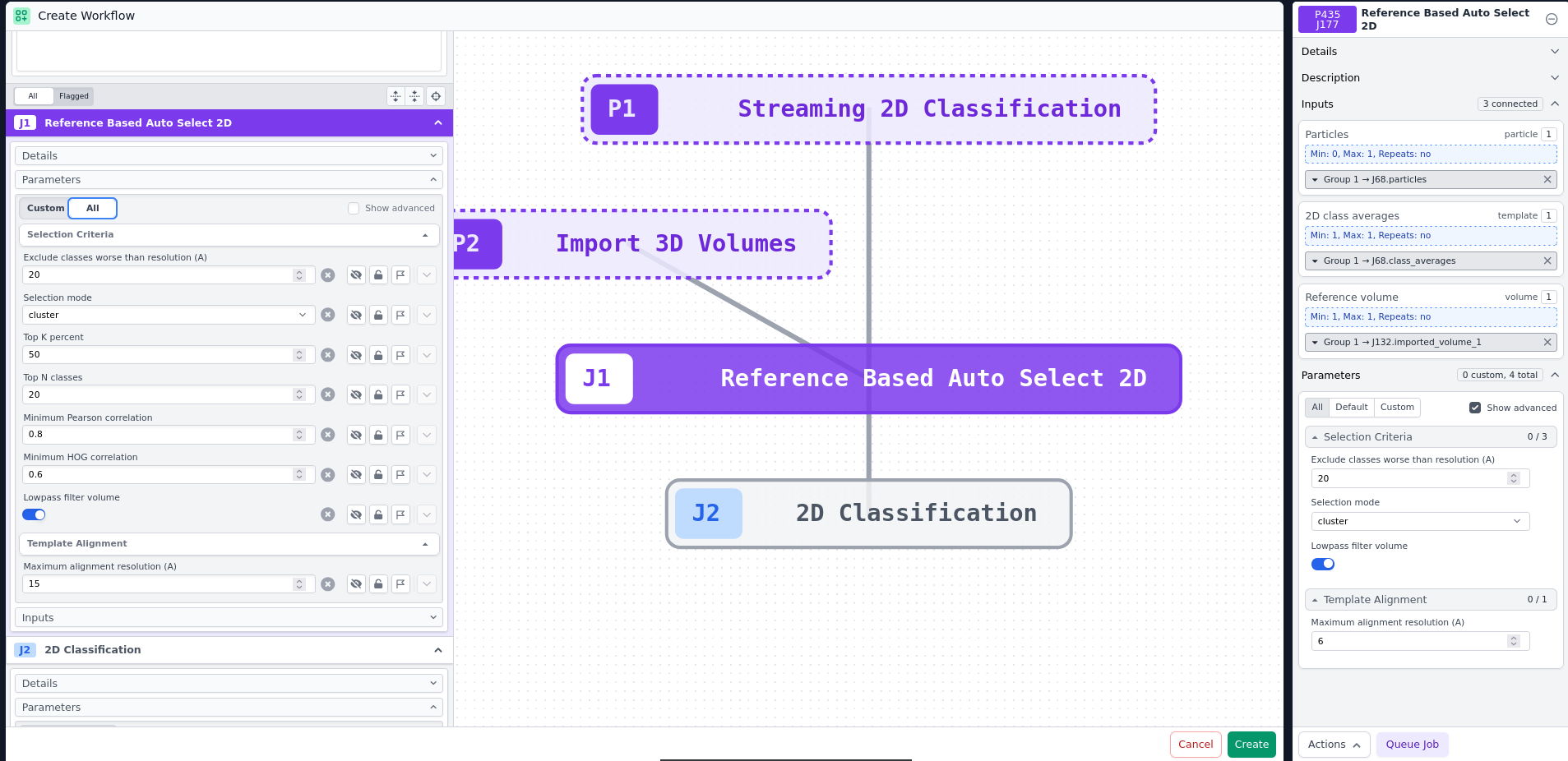
What’s often overlooked in the pursuit of these niche creators is the sheer manual labor involved in vetting them. While their individual rates are more accessible, the process of sifting through dozens, if not hundreds, of profiles to genuinely assess audience alignment, engagement quality, and value fit is a significant, unbudgeted time sink for lean teams. It’s not just about applying criteria; it’s about deep dives into comment sections, cross-referencing past collaborations, and observing their content over time. This exhaustive due diligence, while critical, can quickly consume marketing bandwidth, creating internal pressure to accelerate selection and potentially compromise the thoroughness of the review.
This pressure often leads to a subtle but critical failure mode: the ‘authenticity trap.’ A creator might genuinely align with your brand initially, but if they’re simultaneously working with a multitude of other brands, their audience can quickly develop ‘sponsored content fatigue.’ What was once a genuine endorsement begins to feel like just another ad, diluting the impact of your message and eroding the very trust you sought to leverage. The downstream effect is that your investment, even with a perfectly aligned creator, yields diminishing returns because their audience’s receptiveness has been over-leveraged by others.
Furthermore, the ideal creator who perfectly checks every box—demographics, psychographics, niche relevance, high engagement, and impeccable brand values alignment—is often elusive in practice. Teams frequently face a dilemma: compromise on one or two criteria to get started, or continue the exhaustive search, delaying campaign launch and potentially missing market windows. Deciding which criteria are non-negotiable and which can tolerate a slight deviation becomes a critical judgment call, often made under the stress of limited resources and looming deadlines, rather than in a theoretical vacuum.
Crafting Authentic Campaigns: Beyond the Sponsored Post
Authenticity isn’t a buzzword; it’s the foundation of effective creator partnerships. This means giving creators creative freedom within clear guidelines and focusing on long-term relationships.
- Clear Brief, Creative Freedom: Provide a concise brief outlining your goals, key messages, and any non-negotiables (e.g., brand safety). Then, trust the creator to translate that into content that resonates with their audience. Avoid overly prescriptive scripts.
- Product Integration, Not Just Promotion: Encourage creators to genuinely integrate your product or service into their existing content themes. A creator demonstrating how your project management tool solves a real problem in their daily workflow is more impactful than a standalone review.
- Long-Term Relationships: One-off posts rarely build lasting impact. Seek opportunities for ongoing partnerships – a series of posts, an affiliate arrangement, or even co-created content. This builds deeper trust and familiarity with your brand over time.
- Value Exchange: Beyond monetary compensation, consider offering free products, exclusive access, or unique experiences. For smaller creators, genuine appreciation and a good experience can be as valuable as payment.
guide to building authentic brand partnerships
While creative freedom is crucial, the practical reality is that “clear guidelines” often get interpreted differently. What seems clear to the brand might still leave too much ambiguity for the creator, leading to content that misses the mark. This isn’t a failure of the creator’s talent, but a gap in shared understanding. The hidden cost here is the time spent on revisions, re-shoots, or even scrapping content that doesn’t align, which directly impacts small teams with limited bandwidth. It creates internal frustration and external pressure on the creator relationship.
The aspiration for long-term relationships is sound, but the operational reality for many small to mid-sized businesses is that managing a portfolio of truly deep, authentic creator partnerships is resource-intensive. It demands consistent communication, relationship nurturing, and often, bespoke content development. The non-obvious failure mode here is attempting to scale this model too quickly without the internal capacity, leading to superficial engagements that feel transactional despite the initial intent. This can dilute the perceived authenticity and make it harder to justify the investment when the promised “long-term” benefits don’t materialize due to operational strain.
It’s easy to get caught up in a creator’s follower count or perceived influence, overlooking the crucial step of deeply vetting their audience’s genuine interest and demographic alignment with your product. The theory suggests creators know their audience best, which is true, but it doesn’t automatically mean their audience is your audience. A common pitfall is commissioning content that performs well for the creator’s general audience but fails to convert for your specific niche. This results in a delayed consequence: seemingly successful campaigns on the surface (likes, views) that yield little tangible business impact, leading to budget waste and internal skepticism about the channel’s effectiveness.
Measuring Impact Without Enterprise Tools
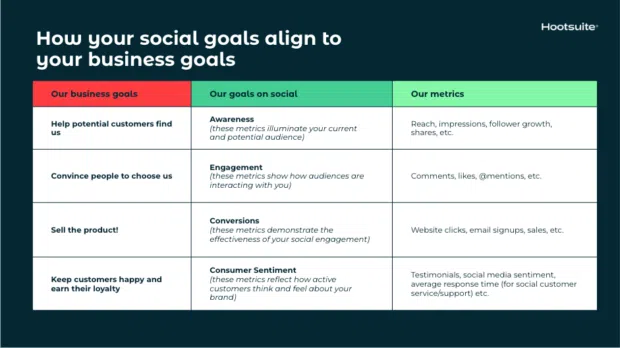
For SMBs, complex attribution models are often overkill and resource-intensive. Focus on direct, actionable metrics that tell you if the partnership is working.
- Direct Traffic & Conversions: Use unique tracking links (UTMs) or custom discount codes for each creator. This is the most straightforward way to see who’s driving traffic and sales.
- Engagement Metrics: Track likes, comments, shares, and saves on the creator’s posts. High engagement indicates resonance, even if direct conversions aren’t immediate. Pay attention to sentiment in comments.
- Brand Mentions & Sentiment: Monitor social listening tools (even free ones like Google Alerts for your brand name) for increased mentions or positive sentiment following a campaign.
- Qualitative Feedback: Ask the creator for their insights. What resonated with their audience? What feedback did they receive? This qualitative data is invaluable for refining future campaigns.
What to Prioritize and What to Skip Today
For small to mid-sized teams operating with real-world constraints, making smart trade-offs is paramount.
Prioritize: Start with a small number of micro- or nano-creators (two to three) whose niche aligns perfectly with your offering. Focus on building genuine relationships and providing them with clear, yet flexible, briefs. Prioritize content that feels native to their platform and audience, emphasizing product integration over overt sales pitches. Use simple tracking methods like unique discount codes or UTM links to measure direct impact. The goal is to learn what resonates with specific creator audiences before scaling.
Deprioritize or Skip Today: Avoid chasing mega-influencers or large-scale campaigns with dozens of creators. The cost-to-benefit ratio for SMBs is often unfavorable, and the risk of a misaligned partnership is higher. Similarly, deprioritize investing in expensive, complex attribution software or trying to build intricate multi-touch attribution models. These tools and strategies are resource-intensive and often yield diminishing returns for businesses without significant ad spend or dedicated analytics teams. Instead, focus on direct, measurable outcomes and qualitative feedback that can be acted upon quickly. Don’t get bogged down in vanity metrics or the pursuit of viral fame; focus on authentic engagement that drives tangible business results.
Building for Long-Term Value
Successful creator partnerships aren’t one-and-done transactions. They are relationships that require nurturing.
- Consistent Communication: Keep lines of communication open, even between campaigns. Share company updates, new product launches, or relevant news.
- Feedback Loop: Provide creators with performance feedback and ask for their insights. This collaborative approach strengthens the partnership.
- Evolve Together: As your business grows and the creator’s audience evolves, explore new content formats or partnership structures. Could they host a webinar, participate in a product launch, or become an ongoing brand ambassador?
Treat creators as extensions of your marketing team, not just temporary contractors. This mindset shift fosters loyalty, deeper integration, and ultimately, more authentic and effective customer attraction.


Leave a Comment