

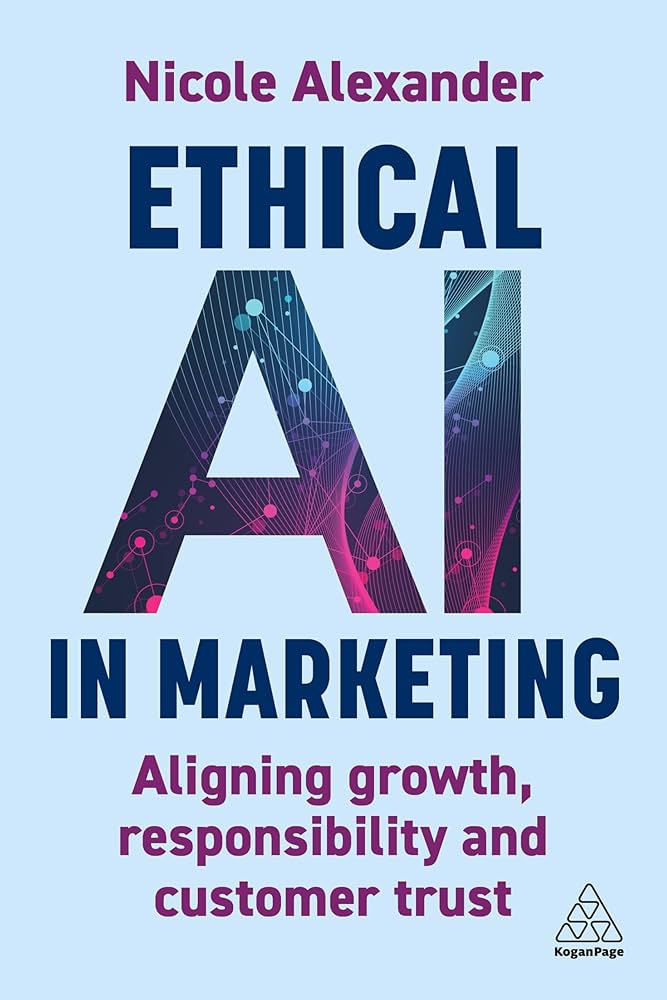
As a marketing practitioner, you’re leveraging AI to automate campaigns and personalize experiences. But without a deliberate ethical approach, these tools can erode trust. This article provides actionable steps for integrating ethical AI into your marketing, ensuring automated campaigns perform while building lasting customer relationships. You’ll learn where to focus limited resources for real impact on transparency and trust, avoiding common pitfalls.
Why Ethical AI Matters for SMB Marketing Today
In 2026, customers are increasingly aware of how their data is used and how AI influences their digital experiences. For small to mid-sized businesses, this isn’t just about compliance; it’s about competitive advantage and brand reputation. Ethical AI in marketing means being intentional about data privacy, algorithmic fairness, and transparency. It’s about making choices that align with your brand’s values and customer expectations, even with tight resources. Ignoring this risks customer churn and regulatory issues. Prioritizing ethics builds a resilient, trustworthy brand.
Prioritizing Data Privacy: Your Non-Negotiable First Step
For any SMB using AI in marketing, data privacy is foundational. Your first priority must be ensuring responsible data collection, storage, and use. This means:
- Explicit Consent: Obtain clear, unambiguous consent for data collection and its intended use. Make it easy for users to understand.
- Data Minimization: Collect only data essential for marketing objectives. More data means more risk. Regularly audit collection points.
- Secure Storage and Access: Ensure customer data is stored securely with restricted access. Leverage robust CRM or marketing automation platforms.
- Clear Opt-Out Mechanisms: Provide straightforward ways for customers to manage preferences or opt out.
Focusing on these core privacy principles first mitigates the biggest risks and lays a solid groundwork. Without this, other efforts are built on shaky ground.
What often gets overlooked is the compounding cost of deferring these privacy fundamentals. It’s not just about avoiding a potential fine; it’s about the operational debt you accrue. Retrofitting systems, re-obtaining consent, or cleaning up improperly collected data later is significantly more expensive and disruptive than building it correctly from the start. This technical and reputational debt directly undermines the very AI initiatives you’re trying to launch, as models trained on compromised or untrustworthy data yield unreliable results, forcing costly reworks or even abandonment.
Another common pitfall is treating data privacy as a one-time setup rather than an ongoing operational discipline. Regulations evolve, data flows change, and new marketing technologies are adopted. Without regular audits and a clear internal owner for privacy compliance, teams can inadvertently drift out of alignment. Relying solely on the default settings of a CRM or marketing automation platform, without understanding their specific implications for your unique data handling, is a recipe for future headaches.
There’s also a subtle, yet persistent, tension between the desire to feed AI models with as much data as possible and the principle of data minimization. Teams often feel pressure to collect “just in case” data, hoping it might unlock future insights. However, this impulse directly conflicts with responsible privacy practices. Prioritizing data minimization requires a disciplined approach, forcing teams to define clear use cases for every piece of data collected, even if it feels restrictive in the short term. Overriding this discipline for perceived AI benefits often leads to a larger, unmanageable data footprint and increased risk.
Practical Transparency: What to Show, What to Explain
Transparency in AI doesn’t mean revealing proprietary algorithms. For marketers, it means being open about when and how AI influences customer interactions. This builds trust by demystifying the process without overwhelming your audience.
- Disclose AI Usage: If a chatbot is AI-powered, say so. If content is largely AI-generated, consider subtle disclosure for sensitive topics.
- Explain Personalization: Offer customers insight into why they’re seeing certain recommendations or ads. A simple “Because you viewed X” helps.
- Internal Explainability: Ensure your team understands how AI tools make decisions. If AI recommends a segment, your team should grasp the basic logic to identify potential biases.
The goal isn’t perfect transparency, but sufficient transparency to foster trust and informed decision-making by customers and your team.
What’s often overlooked is the cumulative effect of insufficient transparency. While avoiding disclosure might seem like a shortcut to efficiency or a way to prevent customer confusion in the short term, it creates a hidden liability. When customers eventually realize they’ve been interacting with AI without their knowledge, the trust deficit extends beyond that single interaction. It can taint their perception of the entire brand, leading to a slow but steady erosion of loyalty that’s far more costly to rebuild than the initial effort of clear communication.
The ‘internal explainability’ directive, while critical, often hits a wall in practice. It’s one thing to receive a technical explanation of an AI model; it’s another for a busy marketing team to truly internalize its nuances and consistently apply that understanding to identify subtle biases or flawed assumptions. The pressure to leverage AI for speed and scale can inadvertently lead teams to treat AI outputs as infallible, overriding their own practical judgment. This creates a non-obvious failure mode where human oversight, instead of correcting AI errors, becomes a rubber stamp, amplifying rather than mitigating potential issues.
For small to mid-sized teams, the theoretical ideal of explaining every personalization choice can quickly become an operational burden. While a simple ‘Because you viewed X’ is effective, attempting to build out dynamic, granular explanations for every recommendation algorithm or ad placement can consume disproportionate resources. This is a prime area for practical trade-offs: prioritize clear, upfront disclosure for direct AI interactions like chatbots or content generation. Deprioritize the development of complex, real-time ‘why this ad’ modules if your team is lean. The marginal gain in trust from hyper-detailed personalization explanations often doesn’t justify the engineering and content overhead, especially when foundational transparency elements are still being solidified.
Addressing Algorithmic Bias with Limited Resources
AI models learn from data; biased data leads to biased AI. For SMBs, combating bias is crucial, even with limited data science expertise. Approach it by:
- Diversify Data Sources: If customer data is skewed, AI will optimize for that demographic, potentially alienating others. Seek diverse data or adjust targeting.
- Audit Campaign Performance: Analyze how different groups (e.g., by age, location) perform. Investigate disparities for inadvertent discrimination.
- Human Oversight is Key: Implement human review for critical AI-driven decisions like audience segmentation. A human eye catches biases algorithms miss.
- Test and Iterate: Run A/B tests with different AI models or targeting to reduce bias. This refines AI usage over time.
It’s continuous vigilance, not a one-time fix. Small, consistent efforts yield better, more equitable campaign outcomes.

What to Deprioritize (and Why) in Ethical AI Today
Given SMB team constraints, know where not to spend energy. Deprioritize or skip:
- Building Custom AI Ethics Frameworks: Large enterprises might invest in dedicated boards; for SMBs, this is inefficient. Integrate ethical considerations into existing workflows and leverage vendor guidelines.
- Chasing “Full Explainability” for Every Algorithm: Academic pursuit of complete algorithmic explainability is often beyond SMB marketing needs. Focus on actionable transparency – understanding why a campaign performed a certain way.
- Over-engineering Compliance: While essential, don’t get bogged down in solutions far beyond legal requirements or practical benefit. Stick to core requirements.
Your resources are best spent on practical, impactful steps like securing data, ensuring consent, and actively monitoring for bias, not overly complex governance structures.
Building Trust Through Clear Communication
Even with best ethical practices, trust can falter without effective communication. Customers aren’t AI experts; they need clarity and reassurance.
- Plain Language Policies: Translate privacy policies into clear, concise language. Avoid legal jargon. Make it easy to understand data use. privacy policy best practices
- Proactive Communication: If a new AI feature impacts customer experience, communicate it. Explain benefits and data protection.
- Empower Customer Support: Equip your customer service team to answer basic questions about AI usage and data practices.
- Be Responsive to Feedback: Actively listen to customer feedback on AI-powered campaigns. Adjust your approach if discomfort or confusion arises.
Trust is built on consistent, honest communication. Don’t let ethical efforts be undermined by poor messaging.
Implementing a Phased Approach to Ethical AI
For SMBs, ethical AI implementation is a marathon. Start small, learn, and iterate. Here’s a practical phased approach:
- Phase 1: Data Hygiene & Consent (Immediate): Secure data, ensure explicit consent, audit collection. This is the bedrock.
- Phase 2: Internal Awareness & Basic Oversight (Next 3-6 Months): Educate your team on AI ethics, bias, and transparency. Establish simple human review for key AI-driven campaigns.
- Phase 3: Performance & Bias Monitoring (Ongoing): Implement regular checks for campaign performance across segments to identify and address biases. Refine AI usage based on insights.
- Phase 4: Enhanced Transparency & Communication (As Needed): As AI usage matures, provide more granular transparency to customers about personalization and AI interactions, in clear terms.
This phased approach allows incremental capability and trust building, without overwhelming your team or budget.
Sustaining Trust in an Evolving AI Landscape
The AI landscape constantly changes. Sustaining trust requires ongoing vigilance and continuous improvement. Regularly review AI tools and practices against evolving ethical standards and customer expectations. Stay informed about new regulations and best practices, filtering them through what’s practical for your business. Embedding ethical considerations into daily marketing operations mitigates risks and cultivates a stronger, more trusted brand that resonates with today’s discerning customers.


Leave a Comment