


What Predictive AI *Actually* Means for SMBs
Predictive AI in marketing uses historical data to forecast future outcomes. For SMBs, this means applying accessible AI tools to identify patterns in customer behavior, sales data, and market signals that human analysis would miss. The goal is to shift from reactive marketing to proactive strategy, allowing more effective budget and effort allocation. This foresight helps tailor offers, refine messaging, and adjust strategy before competitors, providing a practical advantage.
Prioritizing Predictive Marketing Efforts for Real Impact
With limited budgets and headcount, SMBs must prioritize ruthlessly. The most impactful predictive AI applications directly influence revenue, reduce churn, or significantly improve marketing ROI with minimal data overhead. Focus on solutions for your most pressing business problems:
- Customer Lifetime Value (CLV) Prediction: Optimize acquisition and retention by understanding long-term customer value.
- Churn Prediction: Identify at-risk customers early for targeted retention campaigns.
- Personalized Product Recommendations: For e-commerce, drive higher average order values and repeat purchases.
- Next Best Action/Offer: Suggest the most relevant message or offer for an individual customer.
While the promise of ‘minimal data overhead’ is appealing, the reality for many SMBs is that the quality and integration of existing data sources often present a significant, hidden hurdle. Predictive models are only as good as the data they’re trained on. In practice, this means dedicating substantial effort to cleaning, standardizing, and connecting disparate customer data points—a task that frequently consumes more resources and time than the model building itself. Overlooking this foundational work leads to ‘garbage in, garbage out’ scenarios, eroding trust in the predictions and delaying any real impact.
Furthermore, generating a prediction is only half the battle. The true challenge lies in operationalizing these insights within your existing marketing and sales workflows. A churn prediction model, for instance, is valuable, but only if your team has the capacity and a clear process to act on those identified at-risk customers. This often requires new playbooks, training, and a shift in team priorities. The second-order effect here is the potential for internal friction: if predictions aren’t actionable or if acting on them creates an unsustainable burden, the entire initiative can stall, leading to team frustration and a perception that ‘AI doesn’t work’ when the real issue is a lack of operational readiness.
Given these practical constraints, it’s often wise to deprioritize overly sophisticated models or those requiring extensive, real-time data streams if your current operational capacity can’t support the resulting actions. For example, a highly granular ‘next best offer’ model might be theoretically superior, but if your marketing automation system can only handle broad segmentation, or your sales team lacks the bandwidth to follow up on highly specific leads, the complexity adds overhead without delivering proportional value. Instead, focus on simpler, more robust predictions that directly feed into existing, scalable processes, even if they’re not ‘cutting edge.’ The goal is impact, not technological elegance.
Key Applications for SMBs Today (2/2026)
As of early 2026, several predictive AI applications are mature and integrated into existing platforms, genuinely accessible and beneficial for SMBs. You need a good understanding of your data and the right tools, not a data science team.
Predicting Customer Churn: Many CRM and marketing automation platforms offer built-in features analyzing customer engagement and history to flag at-risk customers. This enables proactive outreach with tailored incentives or support.
Optimizing Ad Spend with Predictive Audiences: Platforms like Google Ads and Meta leverage AI to predict conversion likelihood. Feeding these systems quality data and interpreting recommendations is a key predictive strategy. More advanced tools can build custom lookalike audiences based on predicted high-value customers. Google Ads predictive audiences
Personalized Content and Product Recommendations: E-commerce platforms (e.g., Shopify) and CMS increasingly integrate AI-driven recommendation engines. These analyze browsing behavior and purchase history to suggest products or content, predicting individual preferences.
Basic Market Trend Identification: Use AI-powered listening tools to monitor social media, news, and forums for emerging keywords and sentiment shifts. This provides early signals for content strategy or new product ideas. Focus on niche trends relevant to your specific market.
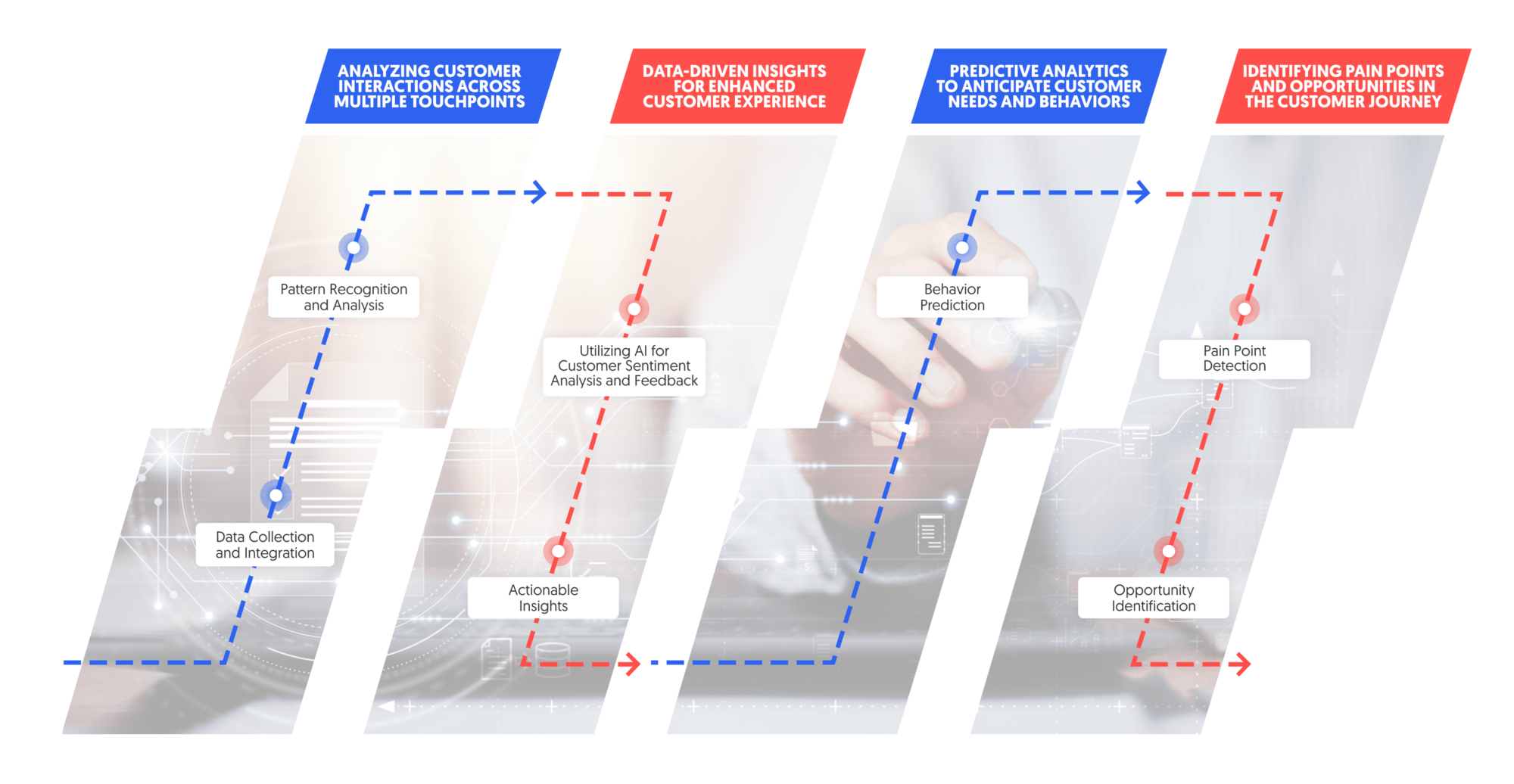
While predictive churn models promise efficiency, the practical reality often introduces new complexities. The immediate win of identifying at-risk customers can quickly turn into a margin drain if the default response is always a discount or an expensive incentive. Teams face pressure to “save” every flagged customer, often without a clear understanding of the customer’s true lifetime value or the actual cost of retention. This can lead to a reactive cycle where resources are misallocated to customers who might have stayed anyway, or to those whose retention cost outweighs their future value.
The allure of “optimized” ad spend through platform AI is strong, but it carries a hidden cost: a potential erosion of internal strategic understanding. When platforms handle the heavy lifting of audience prediction and bidding, teams can become overly reliant on the black box. This makes it harder to diagnose performance issues when they arise, or to pivot effectively when market conditions shift. The theoretical efficiency gains can be offset by a practical loss of granular control and the ability to articulate why certain campaigns perform, which is crucial for long-term strategic development and budget justification.
Similarly, AI-driven personalization, while powerful, isn’t a silver bullet. A common pitfall is the creation of “filter bubbles,” where customers are perpetually shown variations of what they’ve already engaged with. This can inadvertently stifle discovery of new products, services, or content that might broaden their engagement or increase average order value. For businesses with evolving product lines or a need to introduce novel offerings, blindly trusting a recommendation engine can lead to stagnation, making it harder to launch new initiatives or clear inventory that doesn’t fit the established recommendation patterns. The human element of merchandising or content curation still needs to actively guide and sometimes override these systems to ensure a balanced customer experience and business objectives are met.
What to Deprioritize or Skip Today, and Why
For SMBs, overcomplicating predictive AI is the biggest mistake. In early 2026, deprioritize or outright skip:
Building Custom AI Models from Scratch: Without dedicated data scientists and massive, clean datasets, this is a resource sink. Cost, complexity, and time far outweigh benefits compared to leveraging existing solutions. Focus on *using* AI, not *developing* it.
Hyper-Granular Micro-Segmentation for Every Campaign: While AI segments precisely, creating hundreds of unique segments for every campaign is often impractical for small teams. Operational overhead can negate efficiency gains. Start with broader, high-impact segments.
Predicting Black Swan Events or Unforeseeable Market Disruptions: Predictive AI identifies patterns in *existing* data; it’s not a crystal ball for truly novel events. Don’t rely on it to forecast major economic crashes or sudden paradigm shifts lacking historical precedent. Combine AI insights with human judgment.
Investing in Standalone, Niche Predictive Tools Without Clear Integration Paths: Ensure any new AI tool integrates seamlessly with your existing CRM, marketing automation, or e-commerce platforms. A powerful tool in a silo creates more work than it solves, leading to data fragmentation.
Practical Data Considerations and Accessible Tools
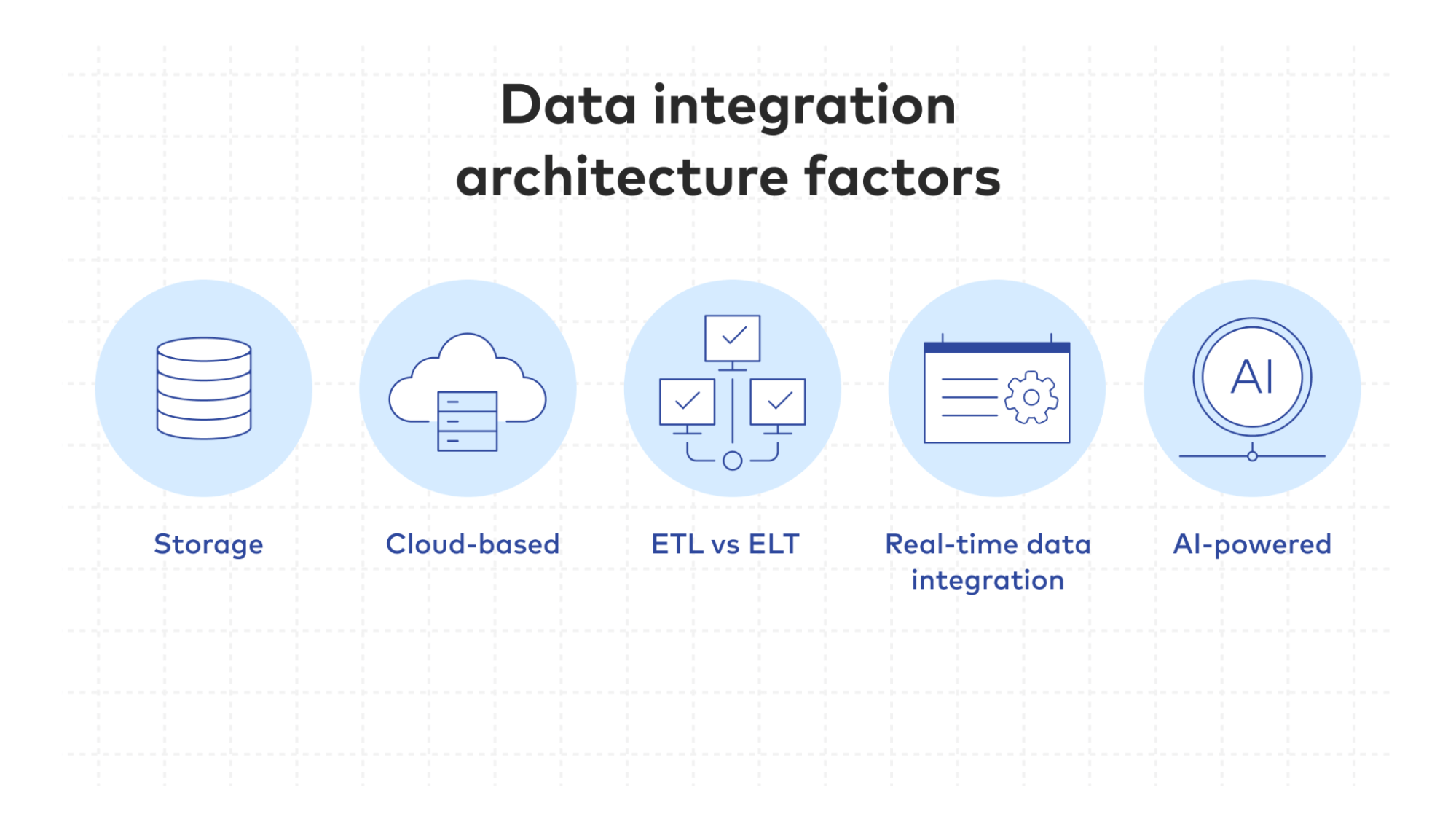
Predictive AI is only as good as its data. For SMBs, focus on data quality and accessibility. Your CRM, e-commerce, website analytics, and email marketing tools are primary sources. Ensure systems are integrated, and data is clean and consistent.
When choosing tools, look for platforms that:
- Integrate with Your Existing Stack: Non-negotiable for critical data flow.
- Offer Built-in Predictive Features: Many modern marketing automation (e.g., HubSpot, ActiveCampaign) and e-commerce solutions (e.g., Shopify Plus) include predictive analytics. HubSpot predictive analytics
- Provide Clear, Actionable Insights: You need dashboards that tell you *what to do next*, not just raw data.
- Are Scalable and Cost-Effective: Fit your current budget and grow with you without massive price jumps.
Implementing Predictive AI: A Phased Approach
A phased approach is crucial for SMBs. Don’t try to implement everything at once:
- Phase 1: Data Audit & Cleanup (Weeks 1-4): Understand your data sources, consistency, and gaps. Clean up duplicates and standardize formats. This foundation is critical.
- Phase 2: Start with One High-Impact Use Case (Months 1-3): Choose an area like churn prediction or CLV with decent data and a clear business problem. Leverage existing platform features and run a pilot.
- Phase 3: Measure, Learn, and Optimize (Ongoing): Track pilot results. Refine your approach and identify the next valuable application.
- Phase 4: Expand Gradually (Months 4+): After success, expand to other areas like personalized recommendations. Prioritize based on potential ROI and resource availability.
The Real Value of Anticipation
The true value of predictive marketing for SMBs isn’t technological prowess; it’s strategic advantage. By anticipating customer needs and market shifts, you can move faster, allocate resources more intelligently, and build stronger, more profitable relationships. This allows you to be proactive, making your marketing efforts more efficient and your business more resilient in a competitive landscape. Foresight translates directly into better decision-making and a clearer path to sustainable growth.



Leave a Comment