

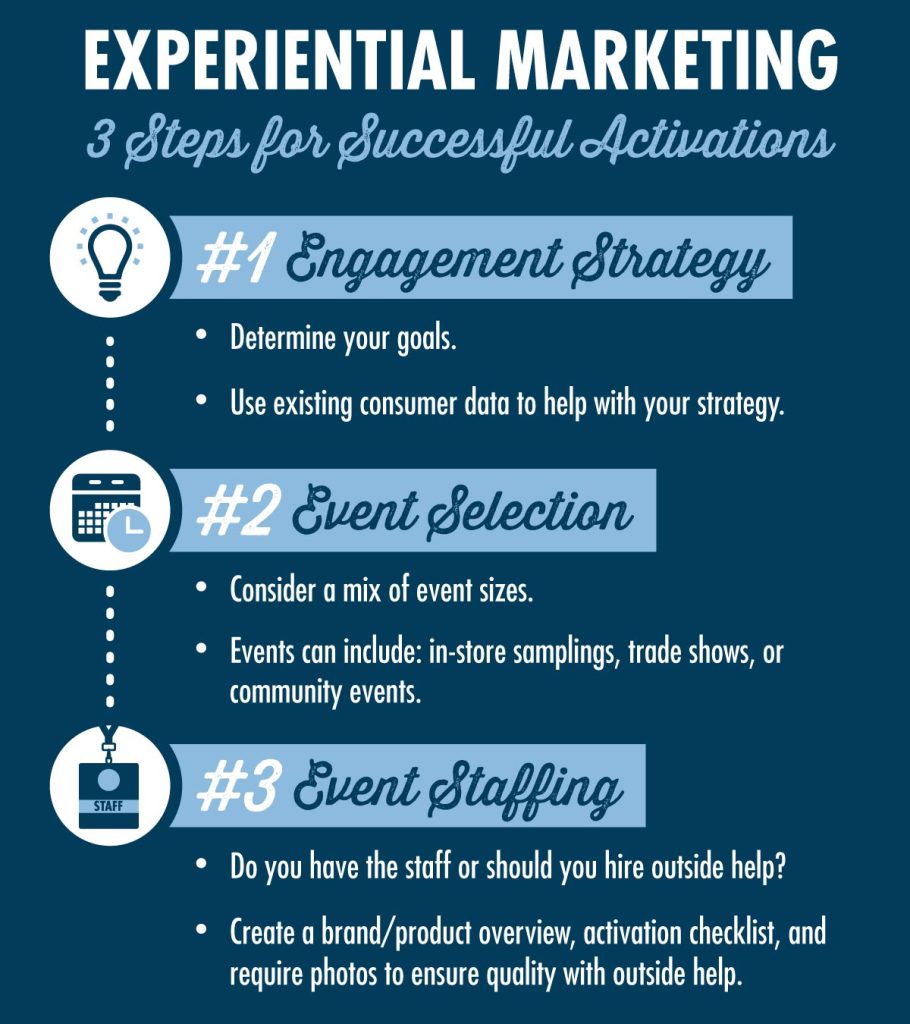
In today’s crowded digital landscape, simply being seen isn’t enough. Small to mid-sized businesses need to forge genuine connections that resonate deeply with customers. Experiential marketing offers a powerful, pragmatic path to achieve this, allowing you to create memorable interactions that engage the senses and build lasting loyalty, even with tight budgets and lean teams.
This article cuts through the noise to provide actionable strategies. We’ll focus on what truly works for businesses like yours, helping you prioritize efforts, make smart trade-offs, and avoid common pitfalls to drive tangible growth.
What Experiential Marketing Means for Your Business
Forget the elaborate, multi-million dollar campaigns of global brands. For small to mid-sized businesses, experiential marketing is about creating intentional, interactive moments that engage one or more of your customers’ senses. It’s about moving beyond transactional exchanges to build emotional connections.
Think of it as an opportunity to let customers truly “experience” your brand and products firsthand. This approach helps you:
- Cut through digital fatigue: Offer a refreshing, real-world interaction that stands out from endless online ads.
- Build authentic connection: Direct engagement fosters trust and makes your brand feel more human and relatable.
- Drive memorability: Sensory experiences are more likely to be remembered and shared, creating organic word-of-mouth.
- Increase perceived value: A positive experience can elevate how customers view your products or services.
Prioritizing Sensory Engagement: Where to Start
The key isn’t to bombard every sense, but to strategically choose the most impactful ones for your specific offering. Start by identifying which senses naturally align with your product or service’s core benefits.
- Sight: This is often the easiest entry point. Think compelling visual merchandising, unique product packaging, or an aesthetically pleasing event setup. For an online business, consider high-quality product photography that tells a story or an engaging unboxing experience.
- Touch: Critical for products where texture, material, or physical interaction matters. Offer samples, allow customers to try on clothing, or provide interactive displays. Even a well-designed business card with a unique texture can make an impression.
- Sound: Curated background music in a retail space, the distinct sound of a product in use (e.g., a coffee grinder, a camera shutter), or even a memorable jingle can create atmosphere and brand recall.
- Smell: One of the most powerful senses for memory and emotion. A signature scent in your store, the aroma of fresh-baked goods, or a scented product can create a strong, lasting impression.
- Taste: Obvious for food and beverage businesses, but also applicable for others through partnerships or themed events. Product samples, tasting sessions, or complimentary refreshments at an event are effective.
Practitioner Judgment: Don’t try to activate all five senses simultaneously, especially when starting out. Focus on one or two that provide the most natural and impactful connection to your brand. For a local bakery, taste and smell are paramount. For a handcrafted jewelry store, sight and touch will be key. Overcomplicating it dilutes the experience and strains resources.
While the advice to focus on one or two senses is sound, the practical trap lies in underestimating the ongoing commitment required. It’s easy to implement a signature scent or curate a playlist once, but maintaining that experience consistently across all customer touchpoints, day in and day out, demands operational discipline and budget. An inconsistent sensory experience—a scent that’s sometimes present, music that abruptly changes, or product samples that run out—doesn’t just fail to impress; it actively erodes trust and creates brand dissonance. The initial investment is wasted if the experience isn’t reliably delivered, leading to customer confusion and a perception of carelessness.
This operational burden is a hidden cost. Teams often plan for the initial launch of a sensory element but fail to account for the recurring labor, inventory, or subscription costs needed to keep it fresh and consistent. What starts as an exciting brand initiative can quickly become a source of internal frustration, as maintaining the desired sensory output competes with other urgent operational tasks. The result is a gradual degradation of the intended experience, leaving customers with a less polished, less memorable impression than initially promised.
For most small to mid-sized businesses, this means a critical deprioritization: avoid elaborate, high-maintenance sensory activations until your core product, service delivery, and fundamental customer experience are robust. For instance, while ‘unique product packaging’ (sight) is appealing, investing in custom-designed, multi-layered unboxing experiences might be a significant drain on resources that could be better spent on improving product quality, faster shipping, or more responsive customer service. Prioritize sensory elements that are simple to implement, easy to maintain, and directly enhance the core value proposition without adding undue operational complexity. A clean, well-lit space with clear signage is often more impactful and sustainable than an expensive, custom scent diffuser that requires constant refilling and calibration.
Practical Tactics for Limited Budgets
Experiential marketing doesn’t demand a massive budget. Smart, targeted efforts yield significant returns.
- In-Store Workshops & Demos: Host small, interactive sessions. A cooking store could offer a knife skills workshop; a beauty brand, a mini-makeover tutorial. These drive foot traffic and provide direct product experience.
- Pop-Ups & Collaborations: Partner with a complementary local business for a joint event or a temporary pop-up shop. This shares costs, expands your audience, and creates a novel experience. Think a local brewery hosting a food truck, or a bookstore collaborating with a coffee shop. local marketing strategies for small businesses
- Elevated Packaging & Unboxing: For e-commerce, the unboxing experience is your primary physical touchpoint. Use textured tissue paper, a handwritten thank-you note, a small scented sachet, or a unique sticker. These small details create a memorable sensory journey.
- User-Generated Content (UGC) Campaigns: Encourage customers to share their experiences with your product or service using a specific hashtag. Run a contest for the most creative photo or video showcasing their sensory interaction. This leverages your audience as brand advocates.
- Local Event Sponsorships: Instead of just a banner, create an interactive booth at a community fair. Offer a small, engaging activity related to your brand, like a “guess the scent” game for a candle maker or a quick “mini-massage” for a spa.
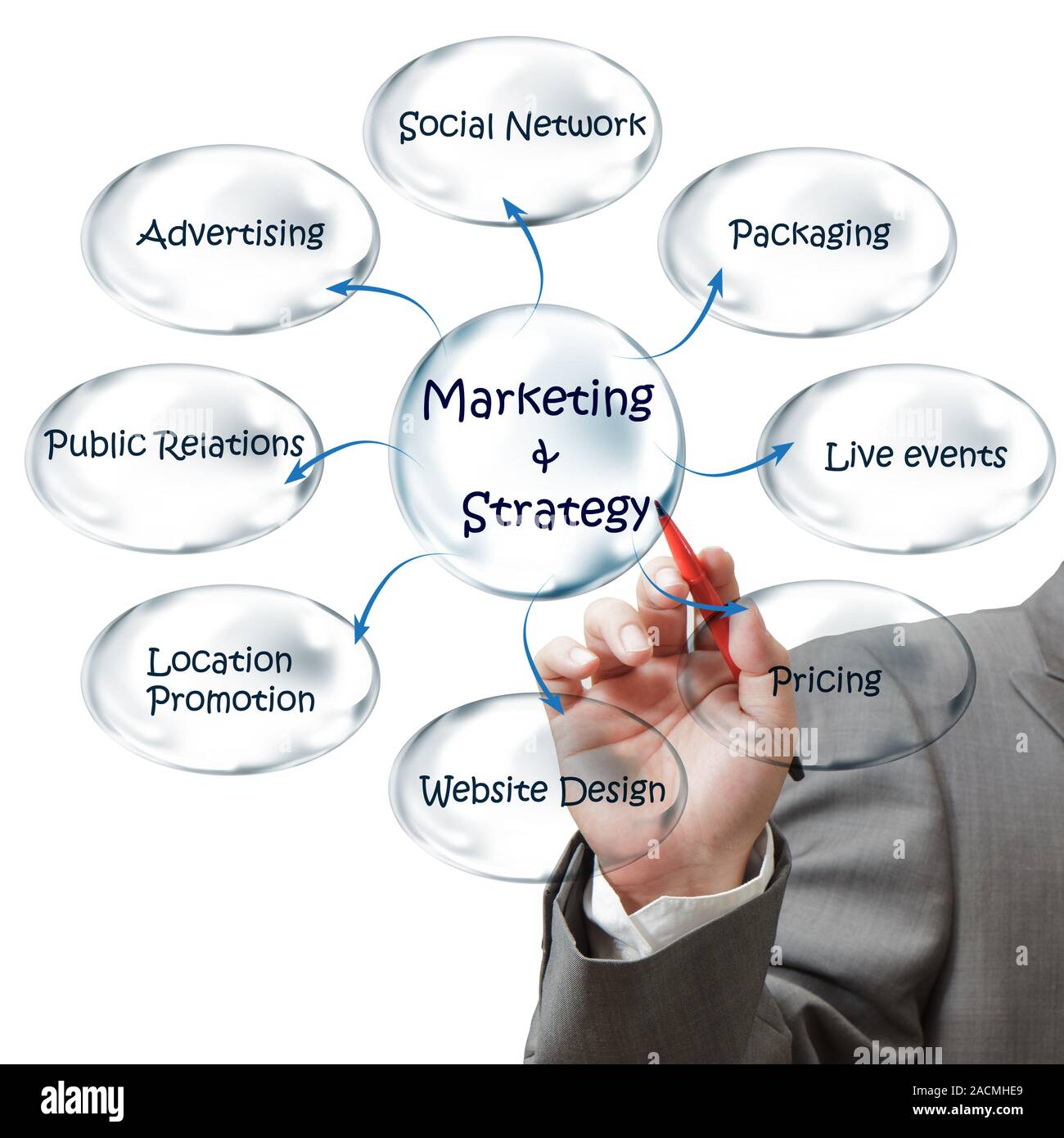
While these tactics offer accessible entry points, it’s easy to underestimate the cumulative operational drag they can impose on a lean team. Each “small” initiative—a workshop, a pop-up, or even elevated packaging—demands dedicated staff time for planning, execution, and follow-up. This isn’t just about direct costs; it’s about the opportunity cost of pulling staff away from core responsibilities or adding to an already full plate. The enthusiasm for a novel experience can quickly wane when the reality of logistics, material sourcing, and consistent execution sets in, leading to burnout and inconsistent delivery.
Another common pitfall lies in the downstream effects of mismanaged expectations, particularly with collaborations or user-generated content campaigns. A joint event with a partner, while sharing costs, requires meticulous alignment on goals, responsibilities, and brand representation. Without this, the partnership can sour, potentially damaging your brand’s reputation or making future collaborations difficult. Similarly, a UGC campaign that fails to clearly communicate rules, recognize participants, or genuinely utilize the submitted content can lead to customer disengagement and a perception of inauthenticity, eroding the very advocacy it aimed to build.
Finally, the true value of many experiential efforts often hinges on effective post-event follow-up, which is frequently deprioritized. Gathering contact information at a workshop or an interactive booth is only the first step. The real return comes from nurturing those leads into customers. However, in the rush of daily operations, the critical task of organizing, segmenting, and actively engaging these new contacts often falls by the wayside. This transforms a promising lead generation activity into a collection of unutilized data, leaving potential revenue on the table and making it harder to justify future experiential investments.
Measuring Impact Without Overcomplicating It
For SMBs, measuring success means focusing on clear, actionable metrics, not complex attribution models. Keep it simple and direct.
- Direct Feedback: Implement short surveys (digital or physical), comment cards, or simply ask customers for their thoughts during the experience. Pay attention to social media mentions and direct messages.
- Engagement Metrics: Track attendance at events, time spent at interactive displays, or participation rates in workshops. Higher engagement often correlates with deeper connection.
- Sales Lift: Compare sales figures during and immediately after an experiential campaign to a baseline period. Look for increases in specific products featured or overall store revenue.
- Repeat Customer Rate: Monitor loyalty program sign-ups or track repeat purchases from customers who participated in an experience. Experiential marketing aims to build long-term relationships.
- Social Media Reach & Sentiment: Track mentions, shares, and the overall tone of conversations around your campaign’s unique hashtag or event.
The goal is to understand if your efforts are creating the desired connection and driving business outcomes, not to generate an exhaustive report.
What to Deprioritize and Why
While the allure of cutting-edge technology and grand spectacles can be strong, small to mid-sized businesses should deprioritize large-scale, multi-sensory, high-tech activations that require significant upfront investment and specialized staff. This includes elaborate virtual reality (VR) or augmented reality (AR) experiences that aren’t directly core to your product, custom-built interactive installations with complex software, or large-scale event productions that demand extensive logistical planning and external vendor management.
For businesses with limited budgets and lean teams, these initiatives often lead to budget overruns, operational complexity, and a diluted return on investment. The risk of technical glitches, poor execution, and a disconnect from your core brand message is high. Instead of trying to mimic the budgets of multinational corporations, focus your energy on authentic, simpler engagements that are easier to execute, more reliable, and directly reinforce your brand’s unique value proposition. Prioritize genuine connection over fleeting spectacle.
Moving Forward with Purpose
Experiential marketing, when approached pragmatically, is a powerful differentiator for small to mid-sized businesses. It’s about creating authentic, memorable moments that resonate with your customers on a deeper, sensory level. Start small, focus on the senses most relevant to your brand, and prioritize tactics that are feasible within your operational and financial constraints.
Continuously gather feedback, measure what matters, and iterate on your approach. The goal isn’t perfection, but consistent improvement in building genuine customer connections that foster loyalty and drive sustainable growth. strategies for building customer loyalty


Leave a Comment