


Laying the Groundwork: Market Validation Over Hype
Launching a digital business today requires more than just a good idea; it demands a pragmatic approach to market validation and strategic execution. This blueprint cuts through the noise, offering actionable steps to ensure your venture is built on a solid foundation, designed for profitability, and capable of sustainable growth, even with limited resources.
You’ll gain clarity on where to focus your initial efforts, what critical steps to prioritize for immediate impact, and crucially, what common pitfalls or advanced strategies to deprioritize until your business has established a firm footing and consistent revenue.
Validate Your Problem, Not Just Your Idea
Before investing significant time or capital, confirm there’s a genuine market need for your product or service. Many businesses fail because they build solutions to problems that don’t exist or aren’t painful enough for customers to pay to solve. This isn’t about extensive market research reports; it’s about direct engagement.
- Talk to Potential Customers: Conduct informal interviews. Ask about their challenges, how they currently solve them, and what they’d pay for a better solution. Focus on understanding their pain points, not pitching your idea.
- Analyze Competitors (or Lack Thereof): Who else is trying to solve this problem? What are their strengths and weaknesses? If no one is, question why. It might be an untapped opportunity, or it might be a non-existent market.
- Define Your Niche: Don’t try to serve everyone. A tightly defined niche allows you to focus your marketing, tailor your offering, and become the go-to solution for a specific group. This is critical for small teams with limited budgets.
Lean Launch: The Minimum Viable Product (MVP) Approach
Resist the urge to build a feature-rich, perfect product from day one. For small to mid-sized businesses, a Minimum Viable Product (MVP) is not just a concept; it’s a survival strategy. Launch with the absolute core functionality that solves the primary problem for your target niche. The goal is to get something into the hands of real users quickly to gather feedback and validate assumptions.
- Identify Core Functionality: What is the single most important thing your product does? Strip away everything else.
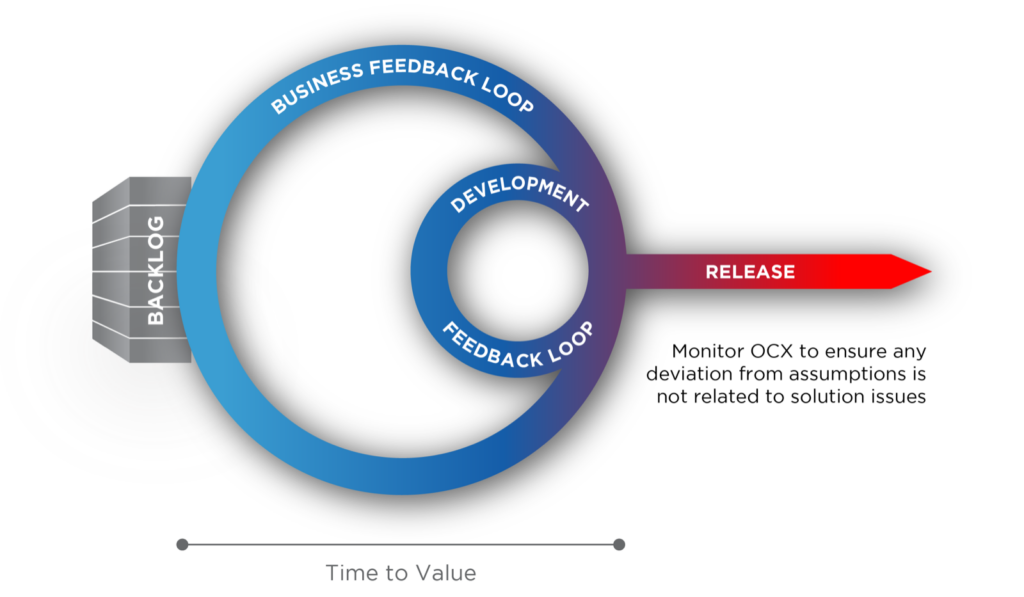
- Build & Test Iteratively: Use agile principles. Launch, gather feedback, make small improvements, and repeat. This reduces risk and ensures you’re building what customers actually want.
- Leverage Existing Tools: Don’t reinvent the wheel. Use off-the-shelf platforms like Shopify for e-commerce, or no-code tools for web applications, to get to market faster and cheaper. build an online store
The common pitfall with MVP isn’t just feature creep, but misinterpreting “viable.” Many teams focus so heavily on “minimum” that they launch something genuinely unviable—too buggy, too confusing, or simply not robust enough to actually solve the core problem even once. This doesn’t generate useful feedback; it generates frustration and abandonment. The goal is to prove a hypothesis, and a broken tool can’t do that. You need to ensure the core experience is stable and intuitive enough for users to actually use it and provide meaningful input on its value, not just its flaws.
This rush to “minimum” also carries a hidden cost: technical debt. While some debt is inevitable and acceptable in an MVP, ignoring foundational quality or basic architectural considerations can quickly turn future iterations into a costly refactor project. More critically, a truly poor initial user experience—even if it’s “minimal”—can permanently damage your brand’s reputation and make it harder to attract early adopters for subsequent, improved versions. Rebuilding trust and overcoming a negative first impression is far more expensive than getting the core viable experience right from the start.
Given these realities, what should an SMB deprioritize? For the initial MVP, resist the urge to build out extensive user onboarding flows or comprehensive in-app help documentation. If your core functionality requires a detailed manual to be understood, it’s likely not “viable” enough in its simplicity. Instead, focus those resources on making the primary user journey so intuitive that it largely explains itself. Similarly, hold off on investing in complex analytics dashboards. For an MVP, direct qualitative feedback from early users, combined with a few critical usage metrics (like successful task completion rates), provides more actionable insights than a sea of data from a small, early user base. Over-analyzing limited data can lead to misdirection.
Strategic Digital Presence: Focus Your Channels
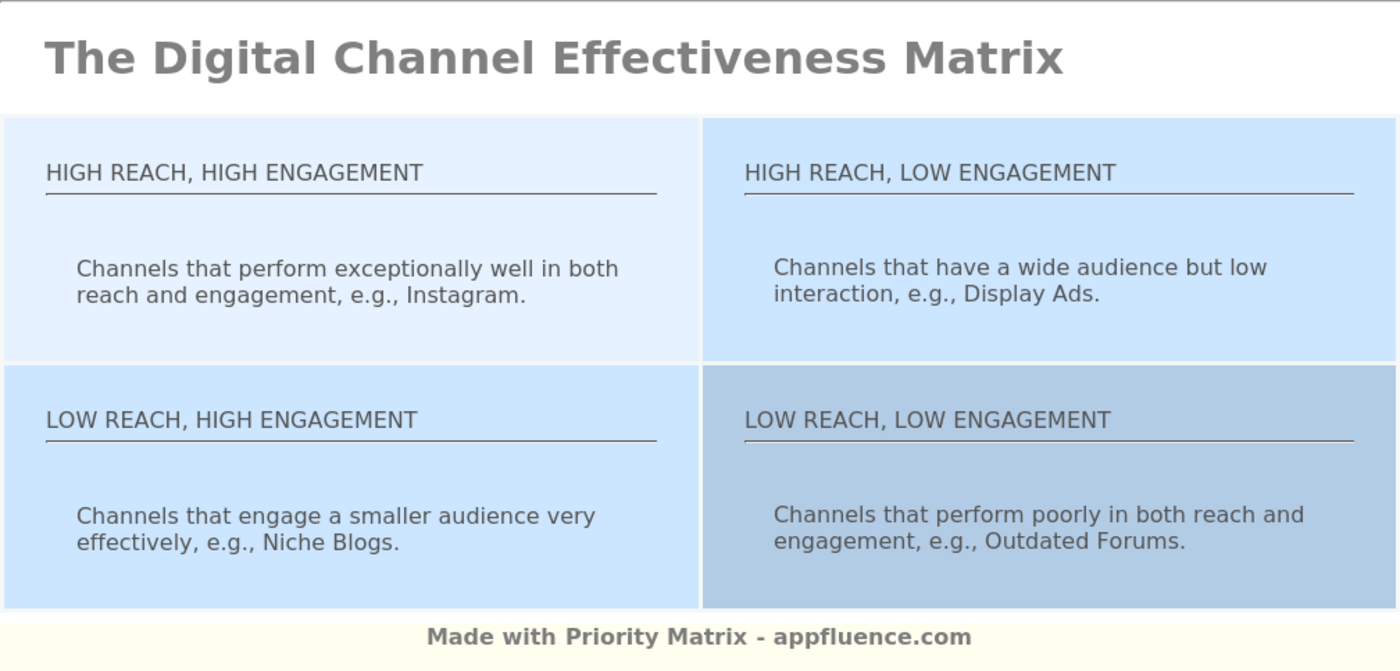
With limited resources, you cannot be everywhere. Choose your digital channels strategically, focusing on where your target audience spends their time and where you can realistically maintain a consistent, high-quality presence.
- Your Website as a Hub: This is non-negotiable. Your website is your digital storefront and central information hub. Ensure it’s professional, mobile-responsive, and clearly communicates your value proposition. Prioritize clear calls to action.
- One or Two Key Social Platforms: Instead of spreading thin across five platforms, master one or two where your audience is most active. For B2B, LinkedIn might be key; for B2C, Instagram or TikTok might be more effective. Consistent, quality engagement on fewer platforms beats sporadic, low-effort presence everywhere.
- Email Marketing: Start building an email list from day one. Email remains one of the most effective channels for direct communication, nurturing leads, and driving sales. It’s a direct line to your audience that you own, unlike social media algorithms.
Driving Initial Traction: Practical Marketing Channels
Once your MVP is live and your core digital presence is established, it’s time to attract your first customers. Again, prioritization is key.
- Content Marketing & SEO Fundamentals: Start creating valuable content that addresses your audience’s pain points and answers their questions. Focus on long-tail keywords relevant to your niche. This builds organic visibility over time and establishes your authority. Don’t chase every trending keyword; focus on evergreen content that consistently attracts your ideal customer. SEO starter guide
- Targeted Paid Advertising (Carefully): If you have a clear customer acquisition cost (CAC) model, a small, highly targeted paid ad campaign on platforms like Google Ads or Meta Ads can provide immediate visibility. Start small, test rigorously, and optimize constantly. Do not scale until you have a positive ROI.
- Partnerships & Referrals: Explore collaborations with complementary businesses or implement a simple referral program. These can be highly cost-effective ways to reach new audiences through trusted sources.
What to Deprioritize or Skip Today
For small to mid-sized teams, the biggest trap is trying to do everything at once. Today, you should deprioritize or outright skip complex, enterprise-level CRM implementations, extensive social media campaigns across every platform, and large-scale, unproven paid advertising budgets. These initiatives often consume significant time and money without delivering proportional returns in the early stages. Focus instead on direct customer feedback, iterating your core product, and mastering one or two marketing channels that show clear, measurable results. Avoid over-automating processes that aren’t yet fully defined or validated; manual effort in the early days provides invaluable insights.
Sustaining Momentum: Iterate, Analyze, Retain
Launching is just the beginning. Sustainable growth comes from continuous improvement, data-driven decision-making, and a strong focus on customer retention.
- Analyze Key Metrics: Track what matters: customer acquisition cost (CAC), customer lifetime value (LTV), conversion rates, and churn. Use simple analytics tools to understand user behavior and identify areas for improvement.
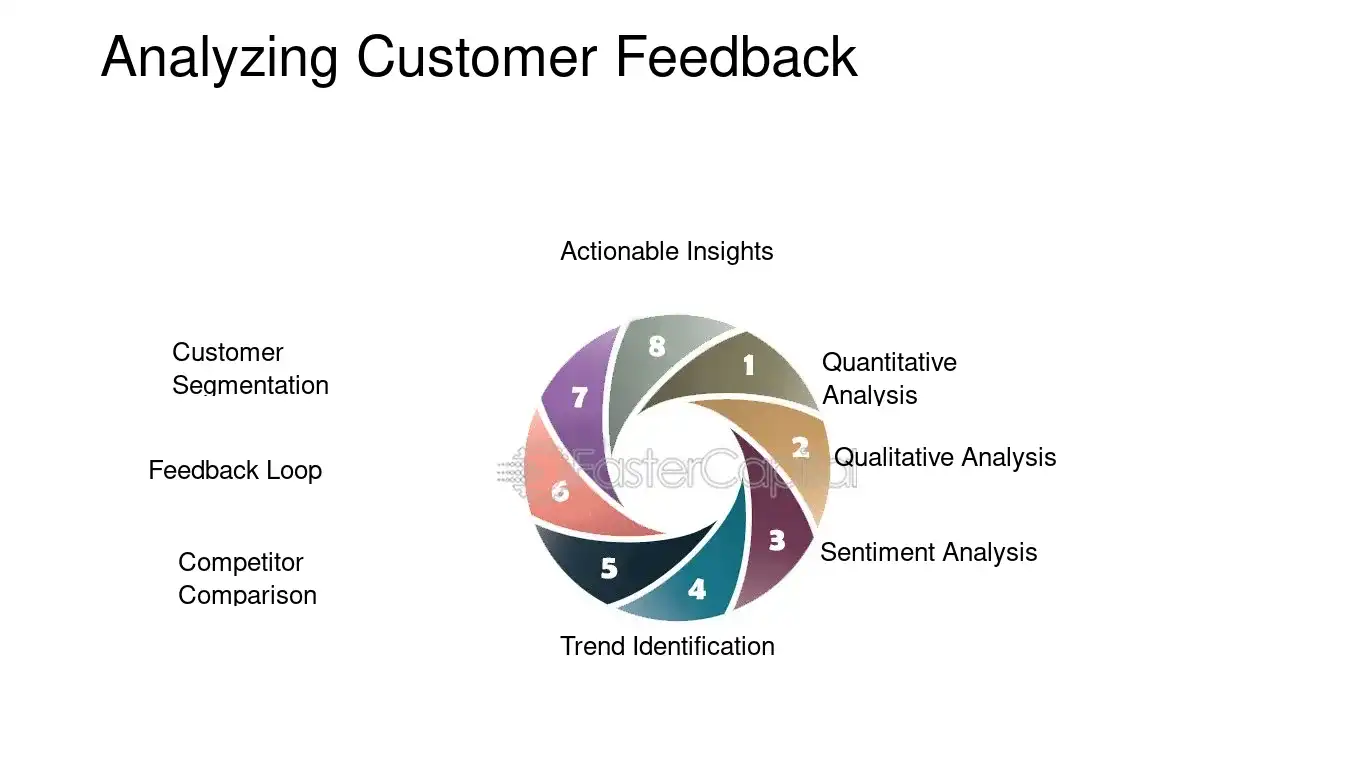
- Gather & Act on Feedback: Actively solicit feedback from your early customers. Use surveys, direct calls, and reviews. This feedback loop is crucial for refining your product and service.
- Focus on Retention: It’s often cheaper to retain an existing customer than to acquire a new one. Implement strategies like excellent customer service, loyalty programs, and personalized communication to keep your customers engaged and happy.


1 Comment