


The Core Shift: AI as a Strategic Assistant, Not a Content Factory
For small to mid-sized businesses, the real power of AI in content strategy isn’t about generating endless articles. It’s about augmenting your existing team’s strategic capabilities. Think of AI as a highly efficient research assistant, data analyst, and ideation partner. Its value lies in helping you make smarter decisions about what content to create, for whom, and why, especially when resources are tight.
The common mistake is treating AI as a magic content factory. Simply prompting an AI to write a full article without strategic input or human refinement often leads to generic, uninspired, and ultimately ineffective content. This approach wastes valuable time and dilutes your brand’s unique voice. Instead, focus on leveraging AI where it provides the most leverage: understanding your audience, identifying content gaps, and optimizing existing efforts.
Prioritizing AI for Audience Understanding and Keyword Research
This is where small teams can achieve the most immediate and tangible return on their AI investment. Before you write a single word, AI can dramatically improve your foundational understanding of your market.
Audience Persona Refinement: Feed your AI tool existing customer data – CRM notes, support tickets, social media comments, or even interview transcripts. AI can quickly identify recurring pain points, common questions, preferred language, and underlying motivations. This helps you build more accurate, data-driven personas that guide your content topics and tone.
Keyword Gap Analysis: Use AI to analyze your competitors’ top-performing content and compare it against your own. AI tools can pinpoint keyword clusters and topics where your competitors are strong, and more importantly, where there are underserved opportunities or long-tail keywords you can target. This helps you focus your efforts on content that has a higher chance of ranking and attracting relevant traffic.
Content Idea Generation: Once you have refined personas and identified keyword opportunities, AI can suggest a wealth of content angles, compelling headlines, and initial outlines. This moves you beyond brainstorming guesswork to data-informed ideation, ensuring your content addresses real audience needs and search intent.
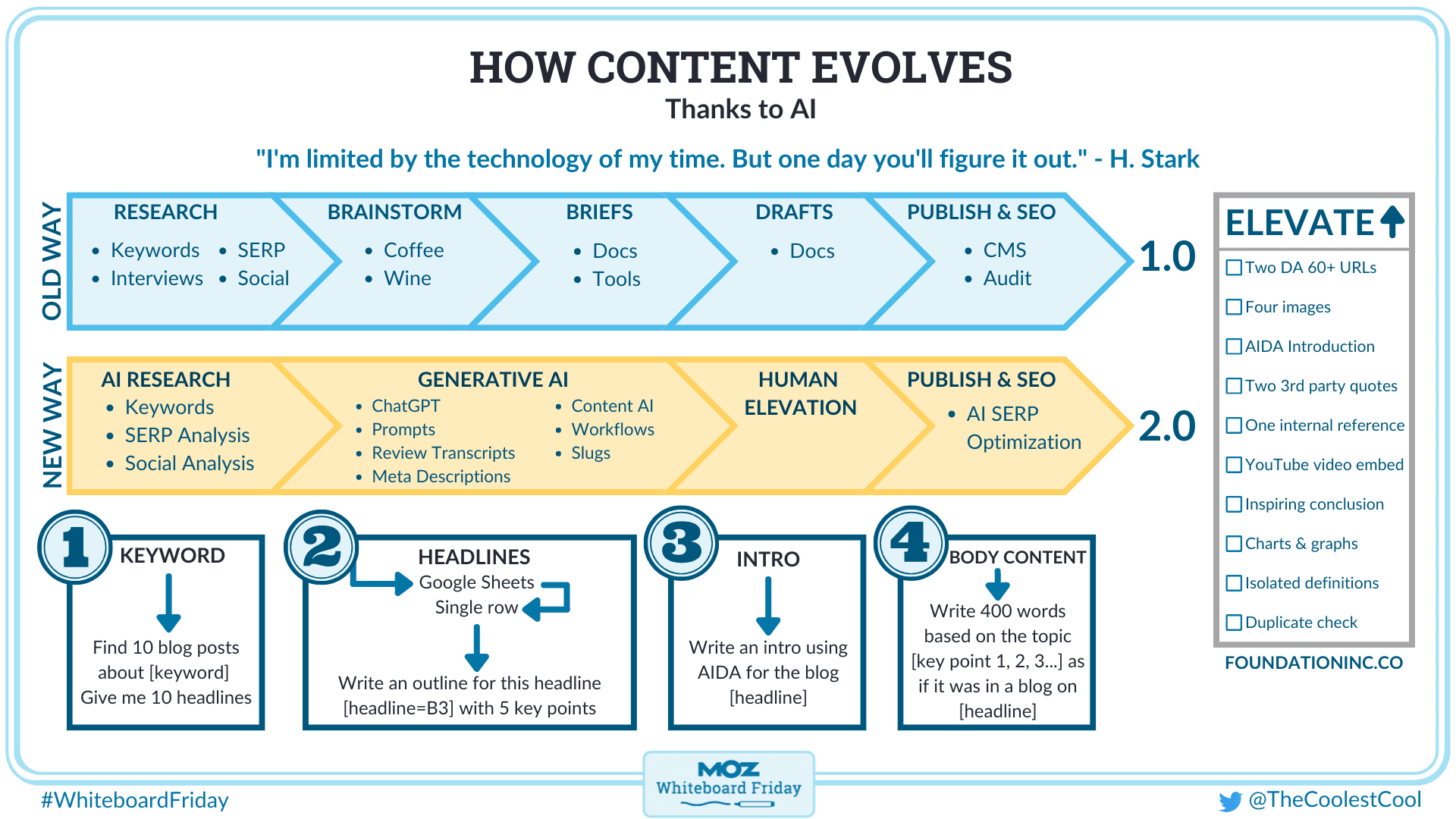
However, the efficiency AI brings isn’t without its own set of practical challenges and potential pitfalls. While AI excels at identifying patterns in customer data for persona refinement, it often struggles with the *nuance* of human emotion and context. The output might accurately list pain points or common questions, but it can miss the underlying emotional drivers or the specific, often informal, language customers use when truly frustrated. Over-reliance on these data-driven personas without qualitative validation—even quick, informal customer conversations—can lead to content that is technically correct but fails to resonate deeply, resulting in lower engagement or conversion despite good initial targeting. The content looks right on paper, but it doesn’t *feel* right to the audience.
Similarly, the ability of AI to pinpoint keyword gaps and underserved opportunities can create a different kind of strategic trap. It’s easy to get excited about a long list of potential targets without rigorously evaluating their strategic fit or potential ROI for *your specific business*. Just because a competitor isn’t ranking for a particular long-tail keyword doesn’t automatically make it a high-value target for you. Teams often overlook the resource cost of pursuing every niche AI uncovers. Chasing too many low-volume, low-intent keywords can dilute your content efforts, spreading limited resources thin across topics that won’t move the needle, rather than concentrating on those with genuine business impact. This often leads to a feeling of constant activity without proportional results.
Finally, the sheer volume of content ideas AI can generate, while initially a boon, can quickly become a hidden challenge. What seems like an advantage in theory—an endless stream of topics and outlines—can translate into decision paralysis and execution bottlenecks in practice. Small teams, already constrained by headcount and time, can feel overwhelmed by the sheer number of options. Without a clear, human-driven prioritization framework, the initial time saved in ideation is often lost in internal debates, scope creep, or a “start-many-finish-few” approach. The AI provides the “what,” but the team still bears the full burden of the “why now” and “how much effort,” and that human decision pressure can be significant.
Streamlining Content Creation and Optimization
With a solid strategy in place, AI becomes an invaluable tool for accelerating the execution phase. It helps your limited team produce high-quality content more efficiently, but always with human oversight.
Outline Expansion: Instead of starting from scratch, use AI to take your strategic outlines and flesh them out with detailed sub-sections, key talking points, and relevant data suggestions. This ensures comprehensive coverage and a logical flow, saving hours of research time.
Drafting Support: AI can generate initial drafts for specific sections, paragraphs, or even entire articles. This is a powerful accelerator, but it’s critical to remember that these are *drafts*. Human editing, fact-checking, brand voice integration, and adding unique insights are non-negotiable. Treat AI output as a starting point, not a final product.
SEO Enhancement: AI-powered SEO tools can analyze your drafts and suggest on-page optimizations, internal linking opportunities, and compelling meta descriptions. This ensures your content is not only valuable to readers but also discoverable by search engines.
Content Repurposing: Maximize the value of your existing content. AI can efficiently transform a long-form blog post into multiple social media updates, email newsletter snippets, short video scripts, or even presentation slides. This extends your reach without requiring significant additional creative effort.

However, the efficiency gains from AI are not without their own set of downstream challenges. One common pitfall is the creation of an “editing debt.” While AI can generate drafts at an impressive pace, the human capacity for critical review, fact-checking, and brand voice integration remains finite. Teams often find themselves overwhelmed by the sheer volume of AI-generated content requiring refinement, leading to rushed edits, overlooked inaccuracies, or a backlog of content that never truly reaches publication quality. The initial acceleration can quickly turn into a bottleneck further down the production line, creating frustration and diminishing the perceived value of the AI investment.
Another subtle but significant risk is the homogenization of content and the erosion of a unique brand voice. AI models are trained on vast datasets, which inherently leads them to produce statistically probable, often generic, language. Relying too heavily on AI for core drafting without rigorous human intervention can result in content that is technically correct and optimized, but lacks the distinct personality, nuanced perspective, or specific industry insights that differentiate a brand. This makes it harder to build genuine connection with an audience and stand out in a crowded digital landscape, effectively trading short-term output for long-term brand dilution.
Furthermore, the shift to AI-assisted content creation demands a different skillset from your team. It’s less about pure creative writing from scratch and more about sophisticated prompt engineering, critical evaluation, and strategic refinement. This isn’t a trivial transition. Poorly crafted prompts yield poor AI output, often requiring more extensive human correction than if the content had been written manually. Teams must develop the judgment to discern AI-generated inaccuracies, biases, or blandness, and then possess the skill to inject the necessary human touch. Overlooking this skill development can lead to inefficient workflows and a constant struggle to elevate AI drafts to a publishable standard.
Measuring Performance and Iterating with AI Insights
AI’s analytical capabilities extend beyond creation, offering valuable insights for post-publication optimization. For small teams, this means making data-driven adjustments without needing a dedicated analytics expert.
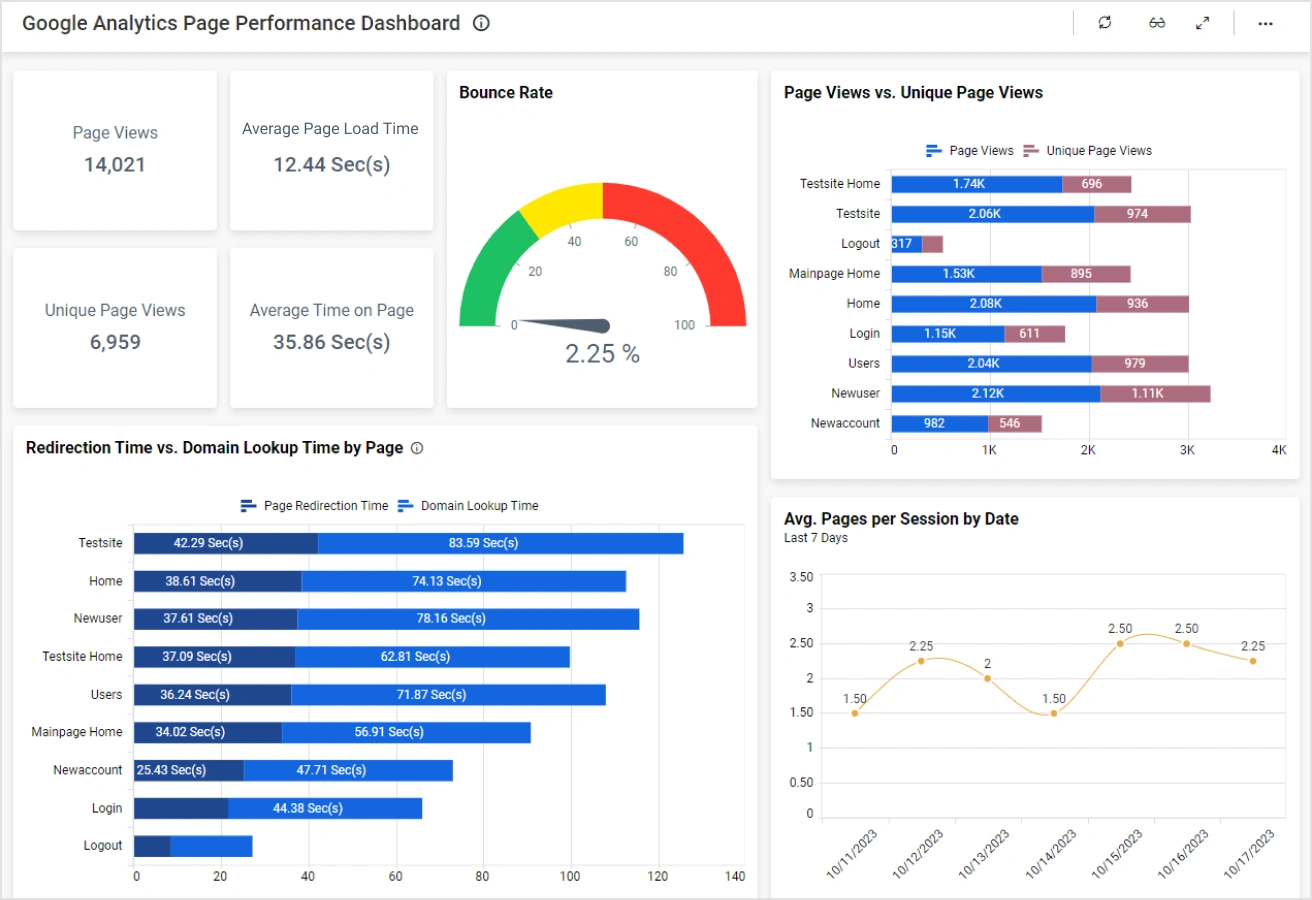
Performance Analysis: Integrate AI tools with your analytics platforms to identify content that performs well (or poorly) against your key performance indicators, such as engagement rates, conversion metrics, or traffic sources. AI can help you spot patterns and correlations that might be missed by manual review.
A/B Testing Hypotheses: Based on performance data, AI can suggest specific variations for headlines, calls-to-action, or even content structures to A/B test. This provides actionable hypotheses for continuous improvement, allowing you to optimize for better results with minimal guesswork.
Predictive Analytics (Basic): While full-scale predictive models are complex, AI can help SMBs identify emerging trends in content consumption and audience interest. By analyzing search queries and engagement data, AI can suggest future topics that are likely to resonate, helping you stay ahead of the curve.
What to Delay and What to Avoid
For small to mid-sized teams operating with limited budgets and headcount, strategic deprioritization is as important as prioritization. Not every shiny new AI feature is right for you today.
Delay:
Complex AI-driven personalization engines: While powerful, these often demand significant data infrastructure, deep integration with multiple systems, and ongoing maintenance that can quickly overwhelm smaller teams. Focus on effective segment-based personalization first, which offers substantial gains with less overhead.
Fully automated content generation for core assets: Relying solely on AI to produce your primary blog posts, landing page copy, or email sequences without substantial human oversight is a recipe for disaster. It leads to generic, often inaccurate, and unengaging material that dilutes your brand voice and erodes trust. AI is a co-pilot, not an autopilot.
Avoid:
Chasing every new AI tool: The AI landscape is evolving at a rapid pace. Resist the urge to adopt every new tool that emerges. Instead, stick to proven solutions that integrate well with your existing marketing stack and directly address specific, high-impact pain points in your content workflow. Tool proliferation creates more complexity than value for small teams.
Ignoring human oversight and ethical considerations: AI is a powerful tool, but it lacks strategic judgment, empathy, and ethical reasoning. Always review, refine, and fact-check AI outputs. Ensure your content remains authentic, accurate, and aligned with your brand’s values. Blind trust in AI can lead to reputational damage and legal issues.
Building Your AI-Powered Content Workflow
Implementing AI into your content strategy doesn’t require a complete overhaul. A pragmatic, iterative approach yields the best results for small teams.
Start Small: Identify one or two specific areas where AI can provide immediate value – perhaps keyword research or generating initial content outlines. Master these applications before expanding to more complex uses. This builds confidence and demonstrates tangible ROI.
Define Clear Goals: Before integrating any AI tool, clearly articulate what specific content marketing challenges you are trying to solve. Are you aiming to increase content output by twenty percent, improve SEO rankings for specific keywords, or reduce research time by half? Clear goals enable measurable success.
Train Your Team: Invest time in teaching your team how to effectively prompt AI tools and, critically, how to evaluate and refine AI outputs. Understanding AI’s capabilities and limitations is key to leveraging it successfully. Consider resources like AI prompting best practices for guidance.
Iterate and Optimize: Your AI-powered content workflow is not a static process. Regularly review what’s working, what’s not, and where adjustments are needed. The goal isn’t perfect automation, but rather a smarter, more efficient, and ultimately more effective human-led content strategy that drives real business growth.



1 Comment