

For small to mid-sized marketing teams, investing in AI tools isn’t about chasing the latest trend; it’s about driving tangible business value. This article provides a practical framework to measure the return on investment (ROI) of your AI marketing tools, helping you make informed decisions about where to allocate your limited budget and team resources.
You’ll gain clear insights into identifying relevant metrics, prioritizing efforts, and understanding which AI initiatives genuinely contribute to growth, even when operating under real-world constraints and imperfect data.
Understanding the ROI Challenge with AI
For many small to mid-sized businesses, the promise of AI in marketing often clashes with the reality of measuring its impact. Unlike direct ad spend, AI tools frequently deliver “soft” benefits like time savings, improved content quality, or enhanced targeting. These are crucial, but they don’t always translate immediately into a clear dollar figure. Furthermore, limited data infrastructure, imperfect execution, and the sheer newness of many AI applications make traditional ROI calculations difficult. Our focus here isn’t on perfect attribution, but on practical indicators that inform your strategic decisions. For a broader perspective on measuring automation, consider best practices for marketing automation ROI marketing automation ROI best practices.
The Practical ROI Framework: Inputs, Outputs, Impact
To cut through the complexity, we use a simplified framework:
- Inputs: What resources are you committing? This includes the direct cost of the AI tool (subscriptions, licenses), the time invested in learning and integrating it, and any associated training costs for your team. Don’t forget the opportunity cost of resources diverted from other tasks.
- Outputs: What specific, measurable tasks does the AI tool perform or improve? Examples include the number of unique ad variations generated, articles drafted, customer service queries handled, or email subject lines optimized. These are the direct results of the AI’s operation.
- Impact: How do these outputs translate into tangible business value? This is where you connect the dots. For instance, more ad variations (output) might lead to higher click-through rates and lower cost-per-acquisition (impact). Faster content drafting (output) could mean more published articles, leading to increased organic traffic and leads (impact).
This framework helps you move beyond vague promises to concrete operational improvements and their downstream effects.
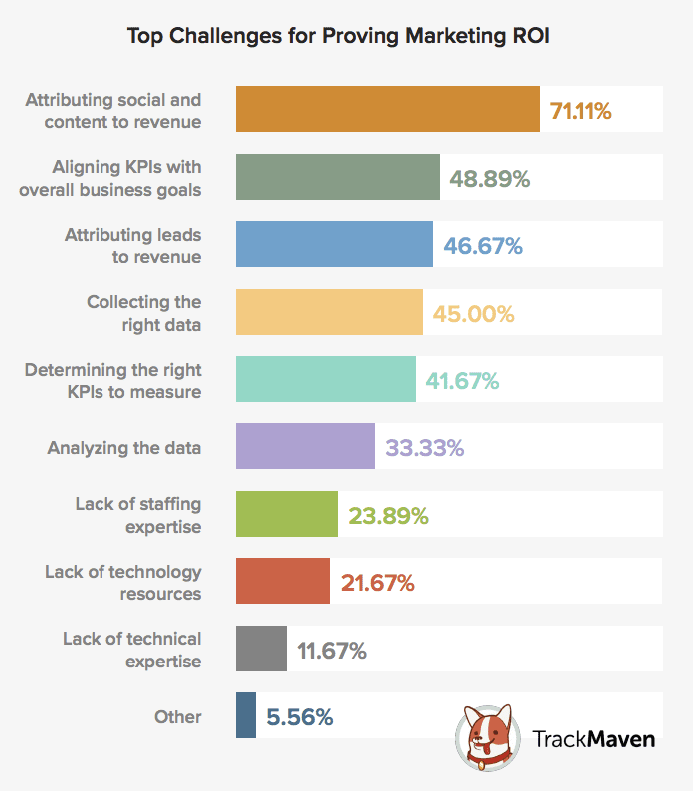
What often gets overlooked in the “Inputs” calculation is the ongoing, iterative investment required to make AI truly effective. The initial time spent learning a tool is just the entry point. Real-world application demands continuous prompt engineering refinement, data preparation, and the often-frustrating process of fine-tuning outputs to align with specific brand voice, compliance standards, or strategic objectives. This isn’t a one-time setup; it’s an operational overhead that can easily consume more resources than anticipated, especially when teams are under pressure to show immediate results.
This leads directly to a common failure mode: mistaking output quantity for genuine impact. An AI might generate a high volume of ad variations or draft many articles, but if a significant portion of these outputs are merely “good enough” rather than strategically aligned or high-quality, the downstream effect can be detrimental. Instead of higher click-through rates or increased organic traffic, you might find yourself with a higher volume of mediocre content that dilutes brand authority, requires extensive human rework, or even generates negative sentiment. The initial efficiency gain is then offset by the hidden cost of correction or the opportunity cost of publishing subpar material.
Furthermore, the pressure to adopt AI can lead teams to prioritize easily quantifiable outputs over a rigorous assessment of true business impact. It’s tempting to declare success based on metrics like “3x more social posts generated,” without adequately measuring whether those posts are actually driving engagement, conversions, or positive brand perception. This creates a false sense of ROI, masking inefficiencies or even negative long-term consequences. The decision to scale an AI application should always be grounded in validated impact, not just output volume, and certainly not on the internal pressure to appear innovative.
Key Metrics for AI Marketing Tools
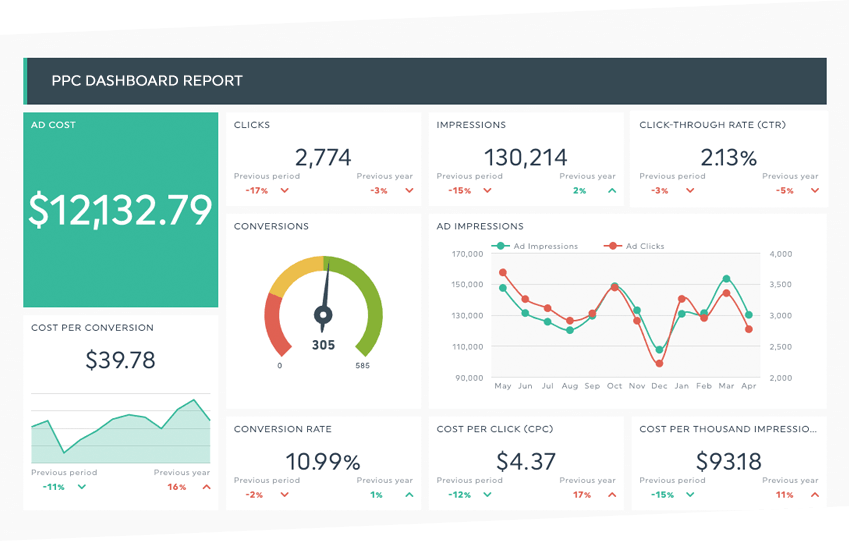
When measuring impact, focus on metrics that directly align with your marketing objectives and the specific function of the AI tool. Avoid a sprawling dashboard; prioritize what truly matters.
Efficiency Metrics (Time & Cost Savings)
These are often the easiest to track and demonstrate initial value.
- Time Saved per Task: Compare the time taken to complete a task with AI versus manually. For example, content generation, ad copy creation, or data analysis.
- Reduced Operational Costs: If AI automates tasks previously handled by external agencies or required significant manual labor, quantify the cost reduction.
- Faster Campaign Launch Cycles: Measure the reduction in time from campaign concept to execution, especially for tasks like creative generation or audience segmentation.
Effectiveness Metrics (Performance Improvement)
These show how AI enhances the quality or reach of your marketing efforts.
- Improved Engagement Rates: For AI-generated or optimized content/ads, track metrics like click-through rates (CTR), open rates, or time on page.
- Higher Conversion Rates: If AI is used for personalization, lead scoring, or ad targeting, measure the conversion rate of those specific segments or campaigns.
- Enhanced Lead Quality: For AI-powered lead scoring, track the progression of AI-scored leads through your sales funnel compared to non-AI leads.
Revenue & Growth Metrics (Business Impact)
The ultimate goal, though often harder to directly attribute.
- Attributed Revenue: For tools directly impacting sales (e.g., AI-powered upsell recommendations, personalized product suggestions), track the revenue generated.
- Customer Lifetime Value (CLTV): If AI improves customer retention or personalization, monitor changes in CLTV for segments interacting with AI-driven initiatives.
- Organic Traffic & Lead Growth: For AI tools enhancing SEO content or keyword research, track the growth in organic traffic and subsequent lead generation.
While efficiency metrics like “Time Saved per Task” offer an immediate sense of value, they often mask a significant hidden cost: the human oversight burden. The initial excitement of faster output can quickly turn into frustration when teams realize the substantial effort still required for quality control, brand alignment, and factual accuracy. This isn’t just about editing; it’s the cognitive load of constantly reviewing and correcting AI output, which can sometimes be more draining than creating from scratch. The “saved time” often shifts from creation to curation, a distinction many overlook until they’re deep into implementation.
Moving to effectiveness, metrics such as “Improved Engagement Rates” can be a double-edged sword. An AI might successfully optimize for clicks or opens, but without careful human oversight, it can inadvertently push content that is clickbait-y, off-brand, or appeals to a lower-quality audience segment. The immediate metric looks good, but the downstream effect is a dilution of brand perception or an influx of leads that don’t convert into valuable customers. This creates a hidden cost in brand equity and wasted sales effort, which won’t show up on the AI tool’s dashboard.
Finally, regarding revenue and growth metrics, the pressure to show “Attributed Revenue” can lead teams down a rabbit hole of complex attribution models. For most small to mid-sized businesses, attempting to isolate the precise revenue impact of a single AI tool amidst a multi-touch customer journey is often an an exercise in diminishing returns. The time and resources spent trying to achieve perfect attribution could be better invested in optimizing the tool’s immediate outputs or improving other parts of the marketing funnel. It’s a common pitfall to over-engineer measurement, delaying real action and creating internal data debates rather than driving clear decisions. Prioritize clear, directional indicators over perfectly precise, but resource-intensive, revenue attribution in the early phases.
Prioritizing Your AI ROI Efforts
With limited resources, making smart choices about which AI tools to adopt and measure is critical.
What to do first: Focus on AI tools that offer clear, measurable efficiency gains in high-volume, repetitive tasks. Think AI writers for initial content drafts, AI-powered ad optimization for A/B testing, or AI tools for basic data analysis. These provide quick wins, free up team capacity, and build confidence in AI’s value. Start with one or two tools, prove their ROI, and then expand. Prioritize tools that integrate relatively easily with your existing tech stack, minimizing setup friction.
What to delay or deprioritize today: Avoid complex, enterprise-grade AI platforms that require extensive data integration, custom model training, or significant process overhauls before they can deliver value. For small to mid-sized teams, these often become resource sinks rather than accelerators. Deprioritize AI initiatives with vague “strategic” benefits that lack clear, quantifiable outputs or direct links to your core marketing KPIs. Similarly, if an AI tool requires a complete re-architecture of your data collection or CRM, it’s likely too much for current constraints. Focus on tools that augment your current workflows, not replace them entirely with a steep learning curve.
What to avoid: Steer clear of AI tools that promise “set it and forget it” magic without any human oversight or strategic input. AI is a powerful assistant, not a replacement for human judgment. Also, avoid investing in AI to fix fundamental marketing problems (e.g., a poor product, unclear messaging, or a broken sales process). AI amplifies existing strategies; it doesn’t create them from scratch.
Sustaining Value from AI Investments
Measuring ROI isn’t a one-time event. The AI landscape evolves rapidly, and so do your business needs. Regularly review the performance of your AI tools against the metrics you’ve established. Are they still delivering the expected efficiency or effectiveness? Are there new features that could unlock more value? For insights on leveraging AI for content, refer to strategies for small businesses AI content strategy for small businesses.
Train your team continuously to maximize the utility of these tools. An AI tool is only as good as the people using it. Foster an environment where experimentation is encouraged, and insights from AI are used to refine your overall marketing strategy. This iterative approach ensures your AI investments continue to deliver tangible, measurable returns over the long term.



Leave a Comment