


For small to mid-sized businesses operating with lean teams and tight budgets, AI isn’t a futuristic concept; it’s a practical tool for immediate growth. This guide cuts through the hype to show you where AI can deliver tangible benefits today, helping you automate tasks, make smarter decisions, and optimize your marketing efforts without overstretching your resources. You’ll learn what to focus on first, what to put off, and what to skip entirely to ensure your AI investments yield real returns.
Our focus is on actionable strategies that work under real-world constraints, enabling your team to achieve more with less. We’ll prioritize solutions that integrate smoothly into existing workflows and offer clear, measurable improvements to your bottom line.
Prioritizing AI for Immediate Impact
When resources are limited, the first step with AI is identifying areas where it can provide quick, measurable wins. This isn’t about overhauling your entire operation, but rather pinpointing specific pain points that AI can alleviate efficiently. Think about tasks that are repetitive, data-heavy, or require rapid response but don’t necessarily demand complex human judgment.
For most SMBs, the immediate impact zones for AI are customer service, basic content generation, and initial data analysis. These areas often consume significant human hours and can be partially automated or augmented with off-the-shelf AI tools, freeing your team for more strategic work. The goal is to prove AI’s value with minimal investment before scaling up.
What to Implement First: Practical AI Applications
Customer Support Automation
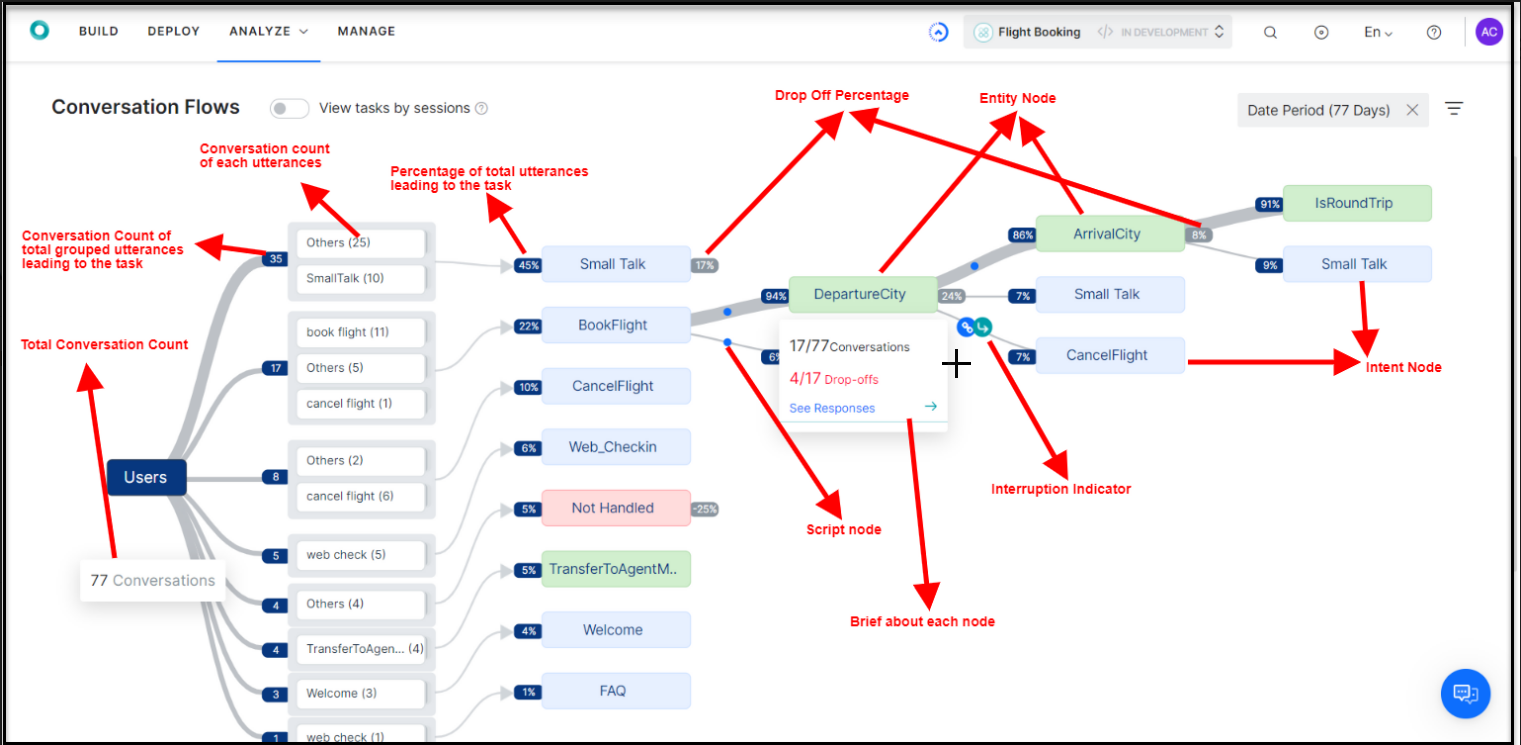
- AI Chatbots for FAQs: Deploy a chatbot on your website to handle common customer inquiries. This reduces the load on your support team, provides instant answers, and improves customer satisfaction. Focus on answering frequently asked questions and guiding users to relevant resources.
- Automated Ticket Routing: Use AI to analyze incoming support tickets and automatically route them to the correct department or agent based on keywords and intent. This speeds up resolution times and improves efficiency.
Marketing Content Augmentation
- Drafting Basic Content: Leverage AI tools to generate initial drafts for social media posts, email subject lines, blog outlines, or product descriptions. This significantly reduces the time spent on brainstorming and drafting, allowing your team to focus on refining and personalizing.
- SEO Keyword Research & Content Ideas: AI can assist in identifying relevant keywords, analyzing competitor content, and suggesting content topics that align with search intent. This streamlines your SEO strategy and helps you create more targeted content. AI for SEO keyword research
Data Analysis and Personalization
- Audience Segmentation: AI can analyze customer data to identify distinct segments based on behavior, demographics, and purchase history. This enables more targeted marketing campaigns and personalized communication.
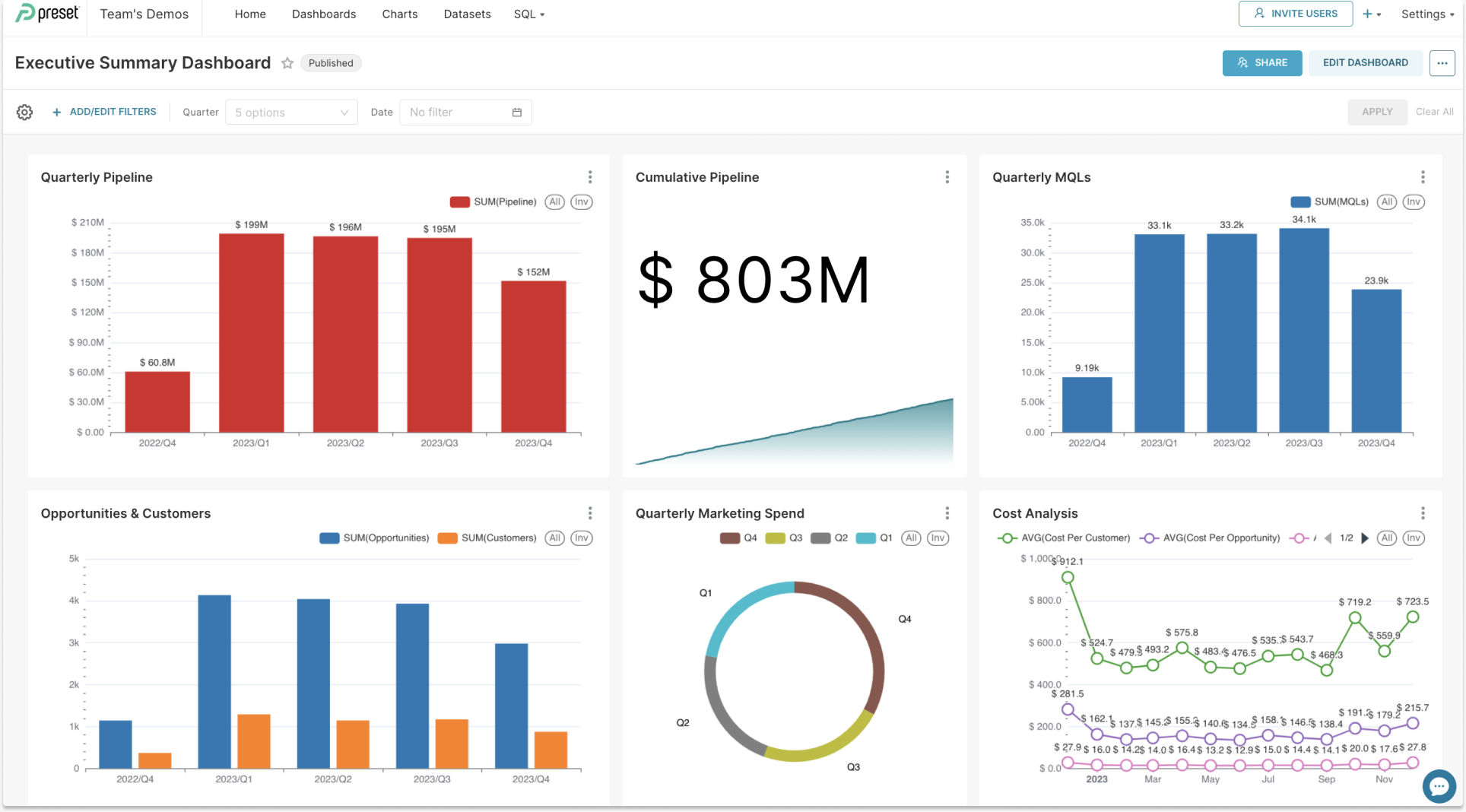
- Predictive Analytics for Sales: Use AI to forecast sales trends, identify potential churn risks, or predict which customers are most likely to convert. This informs your sales and marketing strategies, allowing for proactive interventions.
While AI chatbots promise efficiency, the reality of their implementation often reveals a hidden cost: the increased emotional labor for human agents. When a chatbot fails to resolve an issue, customers are often more frustrated by the time they reach a human. This means support teams aren’t just handling complex problems; they’re also de-escalating pre-existing anger, which can lead to faster burnout and higher turnover among your most experienced staff. The ‘easy’ tickets disappear, leaving a disproportionate number of emotionally charged interactions for the human team, fundamentally changing the nature of their work.
Similarly, the promise of AI for content drafting can lead teams down a path of quantity over quality. It’s easy to generate a high volume of ‘good enough’ content, but the real challenge lies in infusing it with a unique brand voice and genuine insight. What often gets overlooked is the significant human effort still required to transform these AI-generated drafts into compelling, on-brand pieces. If this refinement phase is underestimated, you risk diluting your brand’s distinctiveness with generic content that fails to resonate, ultimately requiring more effort to stand out, not less.
For data analysis and personalization, the gap between theoretical insight and practical application is a common pitfall. AI can deliver sophisticated predictions about customer behavior or sales trends, but these insights are only valuable if your team has the capacity and clear processes to act on them. Small teams, in particular, can find themselves overwhelmed by a stream of ‘actionable’ data without the bandwidth to implement the necessary changes. The pressure to operationalize every prediction can lead to decision paralysis or half-hearted efforts, turning a powerful analytical tool into another source of unmet potential and team frustration.
What to Delay or Avoid (and Why)
For small to mid-sized businesses, the biggest pitfall with AI is over-committing to complex, resource-intensive projects that offer a distant or uncertain ROI. Today, with limited budgets and headcount, you must prioritize. Therefore, you should **delay investing in custom AI model development or highly specialized, niche AI solutions.** Building bespoke AI systems requires significant upfront capital, deep technical expertise, and a long development cycle. These are resources most SMBs simply do not possess or cannot justify allocating when off-the-shelf solutions can address many immediate needs.
Similarly, **avoid full automation of critical customer-facing content without robust human oversight.** While AI is excellent for drafting, relying solely on it for blog posts, ad copy, or customer communications without human review risks inaccuracies, brand voice inconsistencies, and potential SEO penalties. The trade-off for speed is often a loss of nuance and authenticity, which can damage your brand in the long run. Focus on AI as an augmentation tool, not a replacement for human judgment and creativity in these critical areas. Also, be wary of unproven AI tools that lack clear integration paths with your existing tech stack or offer vague promises without concrete use cases. The cost of integration and troubleshooting often outweighs any perceived benefit.
What’s often overlooked is the hidden cost of “easy” AI adoption. While off-the-shelf tools are pragmatic, a proliferation of disconnected, single-purpose AI solutions can quickly lead to a fragmented operational landscape. Each new tool adds another login, another data silo, and another point of potential failure or integration debt. What starts as a quick fix can evolve into a complex, unmanageable tech stack that demands significant time and resources to untangle later, diverting focus from strategic initiatives to mere operational upkeep.
Another common pitfall is the subtle erosion of team skills and judgment when AI is applied too broadly to tasks that still require critical thinking. If teams become accustomed to AI generating first drafts for everything, they might lose the muscle for original thought or the ability to identify nuanced errors. This can lead to a downstream effect where the quality of human-reviewed content still suffers, or the review process becomes a tedious exercise in correcting fundamental flaws rather than refining good work. The initial promise of efficiency can turn into a constant cycle of rework and frustration, especially when the AI’s output consistently misses the mark on brand voice or specific audience needs.
Finally, the perceived “time savings” from AI often mask an increased cognitive load. Teams spend time learning new prompts, validating outputs, and troubleshooting when AI goes awry. This isn’t just about technical skill; it’s about the mental energy expended to ensure the AI is performing as expected and not introducing new problems. This invisible overhead can strain lean teams, making them feel perpetually behind, even with AI assistance, because the effort shifts from creation to constant validation and correction.
Integrating AI into Existing Workflows
The practical value of AI for an SMB lies in its seamless integration into your current operations. Don’t create new silos for AI; instead, look for tools that plug directly into your CRM, email marketing platform, analytics dashboards, or project management software. This minimizes disruption and accelerates adoption.
Start by identifying one or two key workflows where AI can make an immediate difference. For example, if your customer support team is overwhelmed, integrate an AI chatbot. If content creation is a bottleneck, introduce an AI writing assistant. Train your team on these new tools, emphasizing how AI augments their capabilities rather than replaces them. An iterative approach—implementing, testing, and refining—is crucial for successful integration. integrating AI into marketing
Measuring AI’s Contribution to Growth
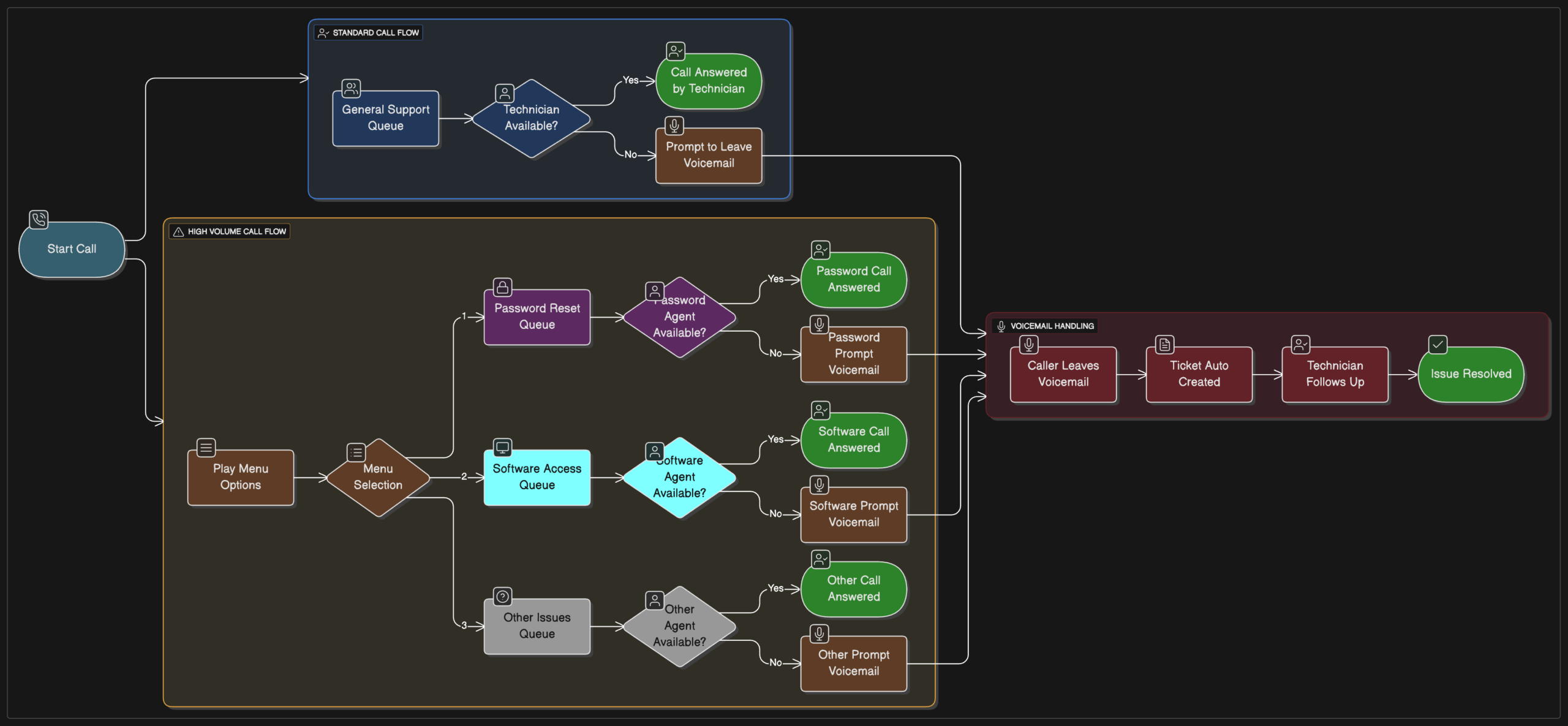
Implementing AI without measuring its impact is a missed opportunity. For SMBs, every investment must demonstrate a clear return. Establish key performance indicators (KPIs) before you deploy any AI solution. These might include:
- Time Saved: Track the hours your team saves on tasks now augmented or automated by AI.
- Lead Quality & Conversion Rates: Monitor if AI-driven personalization or lead scoring improves the quality of leads and their conversion into customers.
- Customer Satisfaction (CSAT) Scores: If using AI for support, observe changes in customer satisfaction.
- Ad Performance: Evaluate if AI-optimized ad campaigns yield better click-through rates or lower cost per acquisition.
- Revenue Impact: Ultimately, connect AI initiatives to direct or indirect revenue growth.
Regularly review these metrics. If an AI tool isn’t delivering the expected results, be prepared to adjust your strategy or pivot to a different solution. The goal is continuous improvement and demonstrable value.


Leave a Comment