

Navigating the evolving landscape of AI in SEO can feel overwhelming, especially with limited resources. This guide cuts through the noise, offering a pragmatic roadmap for small to mid-sized businesses. You’ll learn where to strategically deploy AI tools to gain tangible advantages in content creation, technical optimization, and competitive analysis, without overspending or chasing every new trend.
Our focus is on actionable steps that deliver real-world impact, helping you make informed decisions about where to invest your time and budget for maximum SEO uplift.
Prioritizing AI for Content Strategy: Efficiency Over Automation
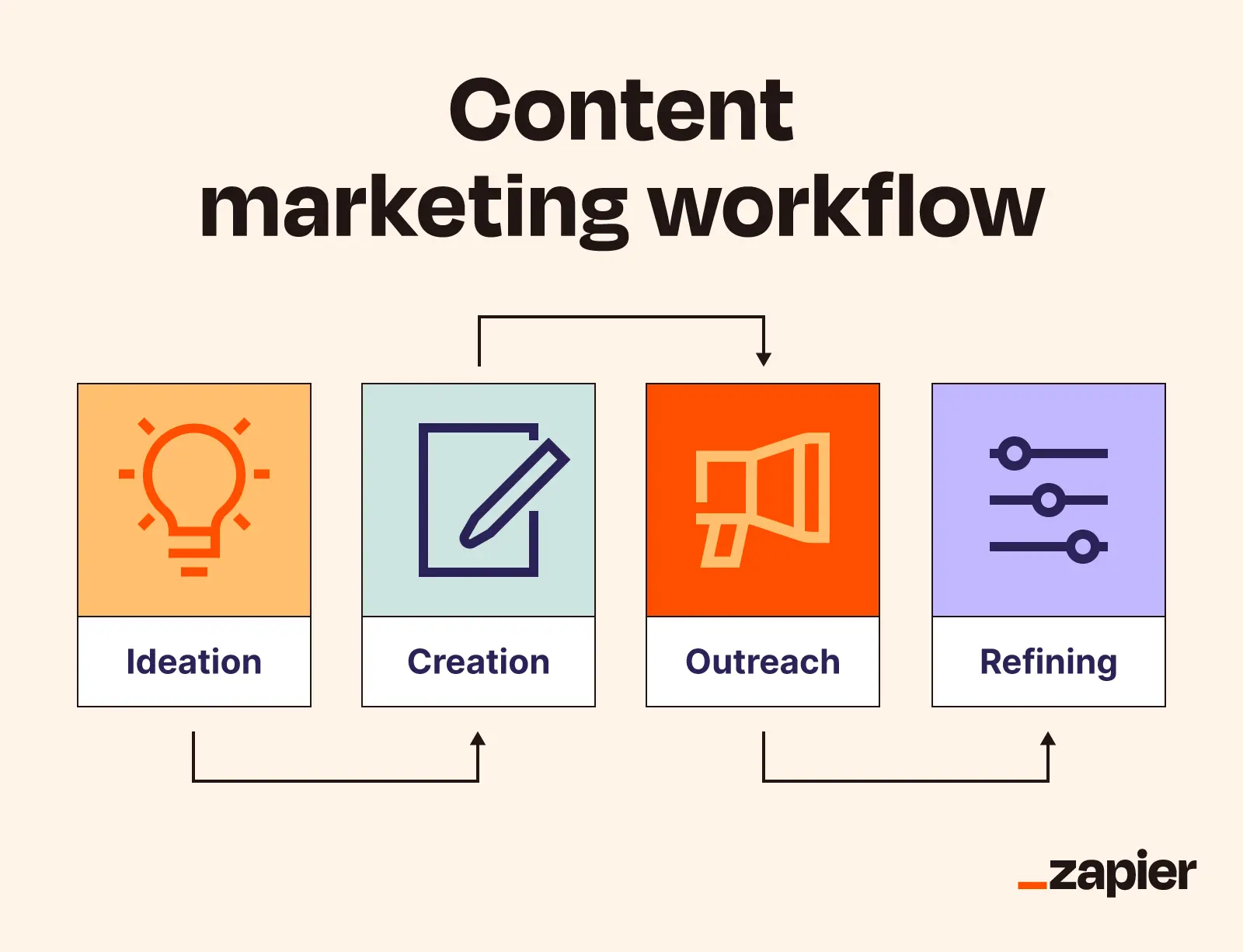
- What to do first: AI for content ideation and outlining. Use tools to quickly generate topic clusters, identify semantic gaps, and create detailed content briefs. This saves significant time in the initial research phase. Focus on augmenting human creativity, not replacing it.
- What to do next: AI-assisted content drafting and optimization. Leverage AI to generate initial drafts for specific sections or to rephrase existing content for clarity and SEO. Crucially, human editors must refine, fact-check, and inject unique insights and brand voice. This is about accelerating production, not outsourcing quality.
- What to avoid: Full AI content automation without human oversight. Publishing AI-generated content directly without thorough editing risks accuracy issues, generic voice, and potential penalties from search engines that prioritize helpful, reliable content. AI is a powerful assistant, not a ghostwriter for your brand.
Technical SEO & AI: Spotting Opportunities, Not Chasing Ghosts
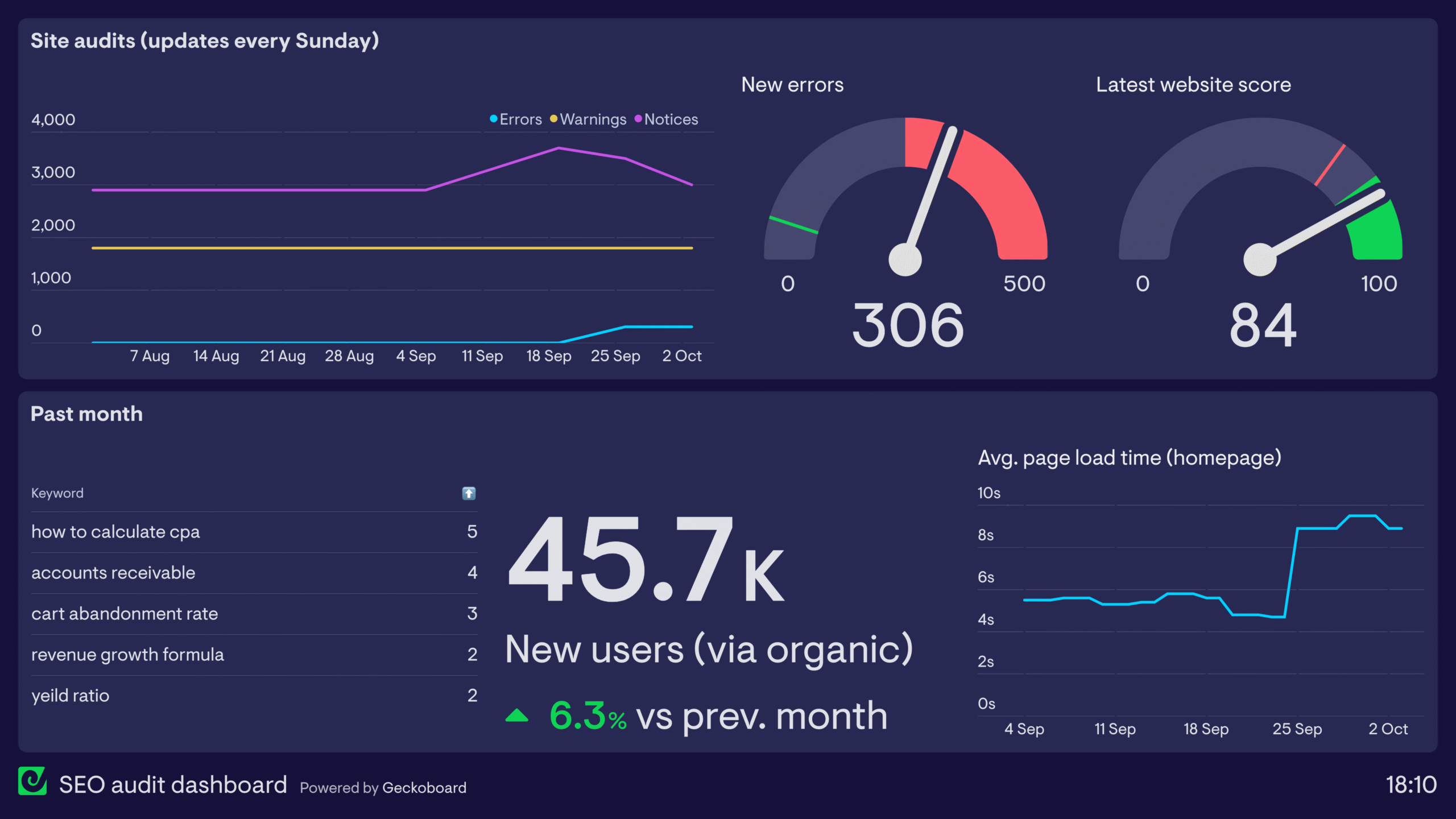
- What to do first: AI-powered site audits for identifying critical technical issues. Tools can quickly scan for broken links, crawl errors, duplicate content, and schema markup inconsistencies. This provides a prioritized list of fixes, allowing your lean team to focus on high-impact technical debt.
- What to do next: Using AI for log file analysis and crawl budget optimization. Advanced tools can analyze server logs to understand how search engine bots interact with your site, identifying areas where crawl budget is wasted. This is particularly useful for larger sites with many pages.
What to deprioritize or skip today: Over-reliance on AI for complex JavaScript SEO or advanced rendering issues without deep technical understanding. While AI can flag potential problems, diagnosing and fixing these often requires a human expert. For most small to mid-sized businesses, the immediate gains from fixing common technical issues far outweigh the investment in highly specialized AI tools for niche problems. Focus on foundational health first.
While AI excels at identifying technical issues, it’s crucial to remember that identification is only the first step. The actual implementation of fixes often requires significant human effort, particularly from development teams. For small to mid-sized businesses, this hand-off can become a major bottleneck, turning a prioritized list of issues into a stagnant backlog if internal resources aren’t aligned or available. The theoretical efficiency of AI in diagnosis can quickly be undermined by the practical realities of execution.
Another common pitfall is the sheer volume of “critical” issues AI tools can flag. While comprehensive, not every flagged item carries the same weight for every business. Teams can easily get bogged down chasing minor technical nuances that have negligible impact on their specific search performance or user experience, especially when compared to broader content or user experience initiatives. This creates decision pressure and can lead to misallocated resources, diverting attention from truly impactful work.
Furthermore, a superficial fix based solely on an AI recommendation can sometimes address a symptom without resolving the underlying cause. This second-order effect means the problem might reappear later, or even evolve into a more complex issue that’s harder to diagnose and fix down the line. It’s a hidden cost of treating AI output as a definitive solution rather than an informed starting point for deeper investigation.
Competitive Analysis & Keyword Research with AI: Smarter Insights
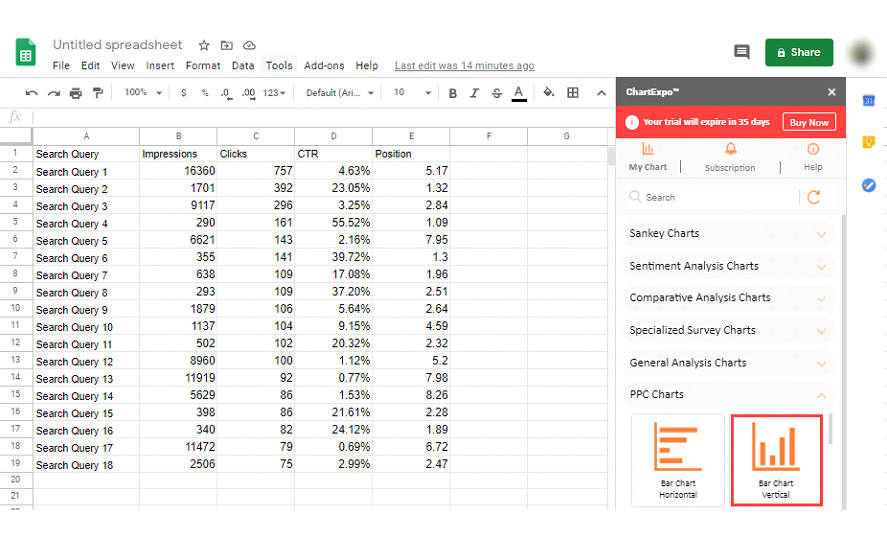
- What to do first: AI-driven keyword gap analysis. Use tools to identify keywords your competitors rank for but you don’t. This quickly uncovers untapped opportunities and informs your content strategy.
- What to do next: AI for competitor content analysis. Analyze competitor content for common themes, sentiment, and engagement patterns. This helps refine your own content strategy to better resonate with your target audience.
- What to avoid: Blindly copying competitor strategies identified by AI. AI provides data, but your unique value proposition and audience understanding should always guide your strategic decisions. Context and judgment are paramount.
The promise of AI for competitive analysis often overlooks the human effort required to make sense of its output. For instance, an AI-driven keyword gap analysis might highlight numerous long-tail opportunities, but without a strategic overlay, teams can easily fall into the trap of chasing low-impact keywords. This isn’t just about wasted effort; it dilutes focus from more impactful, broader themes that might not appear as direct “gaps” but are crucial for market relevance. Similarly, AI’s ability to dissect competitor content can generate an overwhelming volume of data points on themes and sentiment. The real challenge isn’t generating these insights, but having the internal capacity and framework to interpret them, prioritize what truly matters, and translate them into actionable content plans without succumbing to analysis paralysis.
This brings us to a critical point for small to mid-sized teams: what to deprioritize. While AI can identify common themes and even stylistic elements in competitor content, resist the urge to invest heavily in trying to perfectly replicate a competitor’s content style or tone. This is a common pitfall that consumes valuable time and resources without necessarily building distinct brand equity. Your unique value proposition and authentic voice are far more important than mimicking stylistic nuances. Focus your limited resources on understanding what problems competitors solve and how effectively they address user intent, then apply your own unique perspective. Trying to reverse-engineer their “secret sauce” through stylistic mimicry is a second-order effort that rarely yields significant returns for the effort involved, especially when foundational content needs are still unmet.
AI for Local SEO: Hyper-Targeting for Local Dominance
- What to do first: AI-powered review analysis and response generation. Tools can summarize sentiment from customer reviews and suggest personalized responses, saving time and improving customer engagement. This directly impacts local search rankings.
- What to do next: AI for local keyword optimization and content generation for local landing pages. Use AI to identify hyper-local keywords and generate optimized content snippets for Google Business Profile descriptions and local service pages.
- What to avoid: Generating generic, templated local content without specific local flavor or unique selling propositions. Authenticity and local relevance are key for local SEO; AI should assist in scaling, not diluting, this authenticity.
Measuring AI’s Impact on SEO: Focus on Tangible Gains
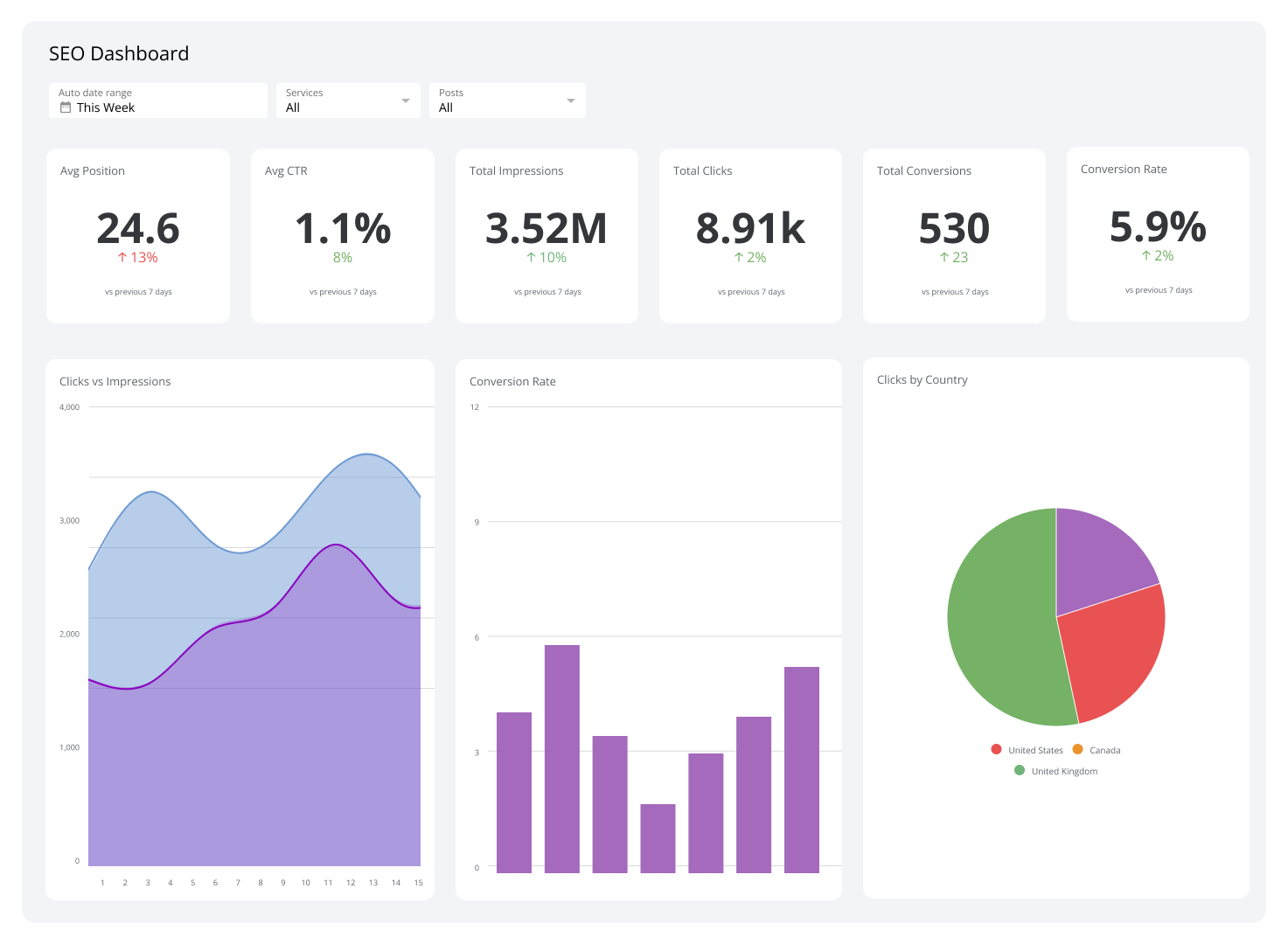
- What to do first: Establish clear KPIs before implementing any AI SEO initiative. Track organic traffic, keyword rankings for target terms, conversion rates from organic search, and content production efficiency.
- What to do next: Use AI-powered analytics dashboards to identify correlations between AI tool usage and SEO performance metrics. This helps refine your AI strategy and justify tool investments.
- What to avoid: Chasing vanity metrics or attributing all success solely to AI. SEO is a multifaceted discipline. Isolate the impact of AI where possible, but always consider the broader marketing context. Focus on return on investment, not just tool adoption.

Leave a Comment