

Introduction
For small to mid-sized marketing teams, the concept of agentic AI isn’t just theoretical; it’s a pathway to tangible operational improvements. This article cuts through the hype to show you how to strategically integrate agentic AI into your performance marketing efforts today. You’ll gain clear guidance on prioritizing applications that deliver real efficiency gains and sustainable growth, even with tight budgets and lean teams.
We’ll focus on actionable steps to optimize your campaigns, automate repetitive tasks, and make smarter decisions, ensuring your limited resources yield maximum impact. This isn’t about replacing your team, but empowering them to achieve more with less.
What Agentic AI Means for Performance Marketers
Agentic AI refers to autonomous systems designed to act on behalf of a user to achieve specific goals. Unlike traditional AI tools that might generate content or provide predictive analytics, agentic AI takes initiative, executes tasks, and adapts based on real-time feedback. For performance marketers, this shifts the focus from manual execution and constant monitoring to strategic oversight and refinement.
Think of it as moving from driving the car yourself to having a highly skilled co-pilot who handles the routine navigation, allowing you to focus on the destination and overall journey strategy. This capability is particularly valuable for SMBs, where every hour saved on repetitive tasks translates directly into more time for high-impact strategic work.
However, this shift isn’t without its own set of practical challenges and hidden costs. The initial setup and ongoing refinement of agentic AI demand a level of clarity in goal definition that many teams, operating under pressure, often lack. Articulating precise, measurable objectives and the nuanced trade-offs involved in achieving them becomes a new, significant cognitive load. When an agent underperforms, diagnosing the root cause can be far more complex than identifying a manual error, often requiring a deeper understanding of the system’s logic and data inputs.
Furthermore, while an agent can handle routine tasks, its interpretation of “optimal” might subtly diverge from true effectiveness over time. A human practitioner might instinctively pick up on a nascent market trend or a competitor’s strategic pivot that an agent, operating within its programmed parameters, could easily miss or deprioritize. This isn’t a dramatic failure but a slow, almost imperceptible erosion of performance, where the “why” is difficult to trace back to the agent’s specific actions. This dynamic often creates a trust deficit within teams, leading to increased time spent validating the agent’s decisions rather than truly leveraging the time saved on execution.
For small to mid-sized businesses, it’s crucial to resist the temptation to deploy agentic AI for every conceivable micro-optimization. The overhead of configuring, monitoring, and continually refining an agent for marginal gains in areas like minor ad copy variations or fractional bid adjustments can quickly consume more resources than it saves. Instead, prioritize agent deployment for truly high-volume, repetitive tasks that directly impact significant business objectives. Deprioritize or skip efforts to automate tasks that are low-volume, require significant human judgment, or offer only incremental improvements, as these efforts often introduce more complexity and oversight burden than they deliver in tangible value.
Prioritizing Agentic AI Applications: Where to Start
Given limited resources, SMBs must be highly selective about where to deploy agentic AI. The most impactful starting points are areas characterized by high manual effort, repetitive data analysis, or frequent, minor adjustments. Prioritize applications that promise significant time savings or a measurable uplift in campaign performance, even if the initial implementation isn’t perfect.
- Campaign Optimization: Automating bid adjustments, budget reallocation, and audience refinements across platforms. This is often the lowest-hanging fruit due to its data-intensive and iterative nature.
- Automated Reporting & Insights: Consolidating data from disparate sources and generating actionable summaries. This frees up significant time spent on manual data compilation.
- Ad Creative Iteration: Generating and testing variations of ad copy and visuals. While human oversight is crucial, agents can handle the volume of testing.
What often gets overlooked is the ongoing human effort required to manage these agents. The promise of “set it and forget it” is rarely realized in practice. Agents, especially in dynamic marketing environments, require continuous monitoring, calibration, and strategic oversight. Neglecting this leads to performance drift, where initial gains erode slowly, or even unintended negative outcomes that only become apparent after significant budget waste. The initial time savings can quickly be consumed by the reactive firefighting needed to correct an unsupervised agent’s missteps.
Another common pitfall lies in the quality of the underlying data. Agentic AI thrives on clean, consistent inputs. However, real-world SMB data often comes from disparate sources with varying levels of accuracy and completeness. An agent will dutifully process flawed data, generating insights or actions that are technically correct based on its inputs, but practically useless or even detrimental. This creates significant frustration for teams who then have to manually untangle the mess, undermining trust in the automation itself.
Furthermore, the shift in roles is a subtle but critical downstream effect. While agents handle execution, human teams must evolve to become strategic overseers and problem-solvers. This means developing new skills in prompt engineering, performance interpretation, and understanding agent limitations. The pressure to trust an agent’s decision, even when it contradicts human intuition or a nuanced business context not fully captured by the agent’s parameters, can be immense. This tension between automated efficiency and human judgment is a constant balancing act that few teams anticipate fully.
Practical Agentic AI Use Cases for SMBs
Campaign Budget Allocation & Optimization
An agentic system can monitor real-time performance across your ad platforms (e.g., Google Ads, Meta Ads) and dynamically reallocate budget to campaigns or ad sets that are overperforming, or pause underperforming ones. This ensures your spend is always directed towards the highest ROI opportunities without constant manual intervention.
Ad Creative Iteration & Testing
Instead of manually creating dozens of ad variations, an agent can generate multiple versions of ad copy and visual concepts based on your brand guidelines and campaign objectives. It can then launch A/B tests, analyze results, and even suggest further iterations or declare winning combinations, significantly accelerating your creative testing cycles.
Automated Reporting & Insights
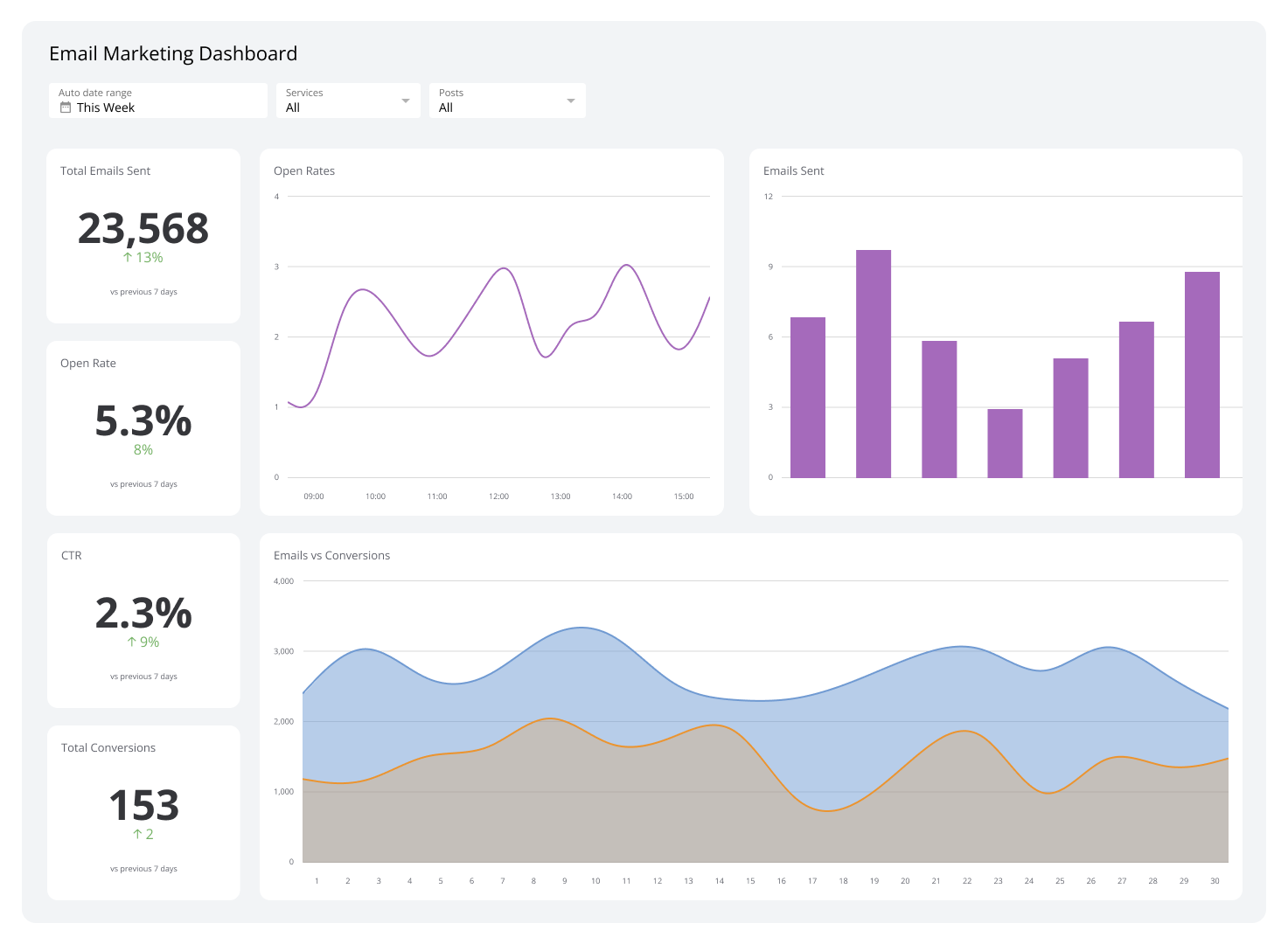
Connecting to your various marketing data sources, an agent can compile daily or weekly performance reports, highlight key trends, identify anomalies, and even suggest specific actions. This moves beyond simple dashboards to deliver proactive, actionable intelligence, allowing your team to react faster and make data-driven decisions without drowning in spreadsheets.
What to Deprioritize Today
For small to mid-sized teams, it’s crucial to understand what to hold back on. Today, deprioritize full-scale, end-to-end campaign management where an agent is expected to run entire campaigns autonomously from strategy to execution. The complexity involved, the need for nuanced brand voice, and the potential for costly errors without human oversight make this a high-risk, low-return endeavor for most SMBs. Human marketers are still indispensable for strategic direction, creative ideation, and navigating unexpected market shifts.
Similarly, avoid investing in proprietary, custom-built agentic systems. The development cost, maintenance burden, and rapid evolution of off-the-shelf solutions mean that leveraging existing platforms with integrated agentic features offers far better ROI and lower risk. Focus on adopting proven tools rather than building from scratch. AI tools for marketing automation
Implementing Agentic AI: A Phased Approach
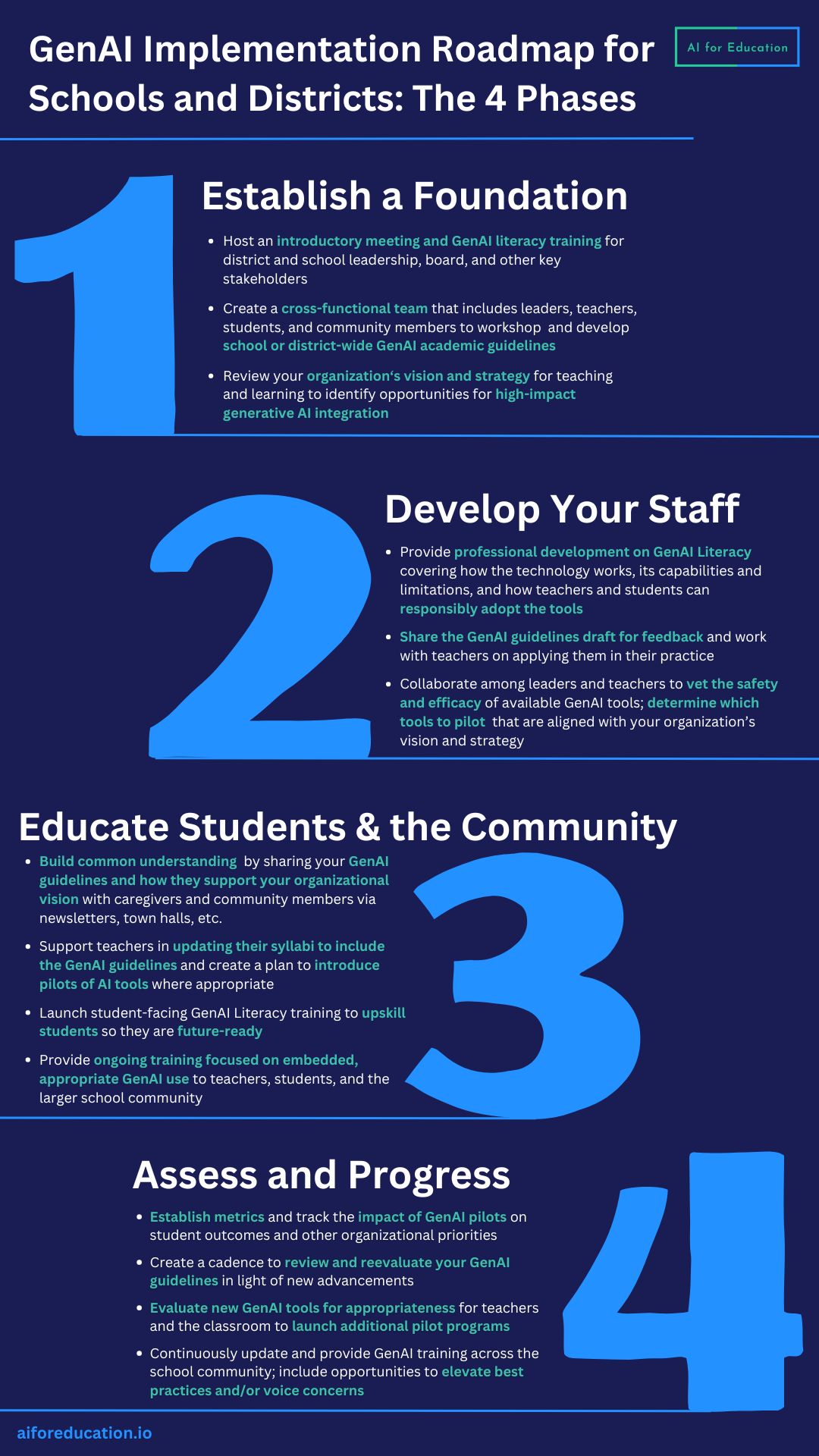
Successful integration of agentic AI isn’t an overnight switch; it’s a journey. Start with a clear, phased strategy:
- Phase 1: Data Foundation. Ensure your data is clean, integrated, and accessible. Agentic AI is only as effective as the data it processes. This often requires upfront work on your tracking, CRM, and analytics setups.
- Phase 2: Pilot Small, Learn Fast. Identify one specific, high-impact problem (e.g., optimizing bids for a single product line) and deploy an agentic solution there. Monitor its performance closely, understand its limitations, and refine its parameters.
- Phase 3: Integrate & Scale. Once a pilot is successful, integrate the agent into your existing workflows and gradually expand its scope to other areas. Always maintain human oversight and the ability to intervene or override agent actions.
Sustaining Growth with Agentic AI
Agentic AI is a force multiplier, not a replacement for human ingenuity. Its true value lies in freeing up your marketing team from repetitive, data-heavy tasks, allowing them to focus on higher-value activities like strategic planning, creative development, and deep customer engagement. Regularly review your agent’s performance, adjusting its goals and parameters as market conditions or business objectives evolve.
As you scale, consider the ethical implications and data privacy aspects, especially when agents handle sensitive customer data. AI ethics in marketing The goal is to build robust, adaptable systems that contribute to sustainable growth, ensuring your marketing efforts remain agile and effective in a constantly changing landscape.



Leave a Comment