

Engaging today’s customer demands more than just traditional marketing tactics. For small to mid-sized businesses, this means navigating a complex landscape with limited resources. This article cuts through the noise, offering pragmatic strategies to connect with modern customers effectively, focusing on what delivers real impact without overstretching your team or budget.
You’ll gain actionable insights on prioritizing efforts, making smart trade-offs, and leveraging accessible tools to build stronger customer relationships and drive growth in 2026 and beyond.
Understanding the Modern Customer’s Journey
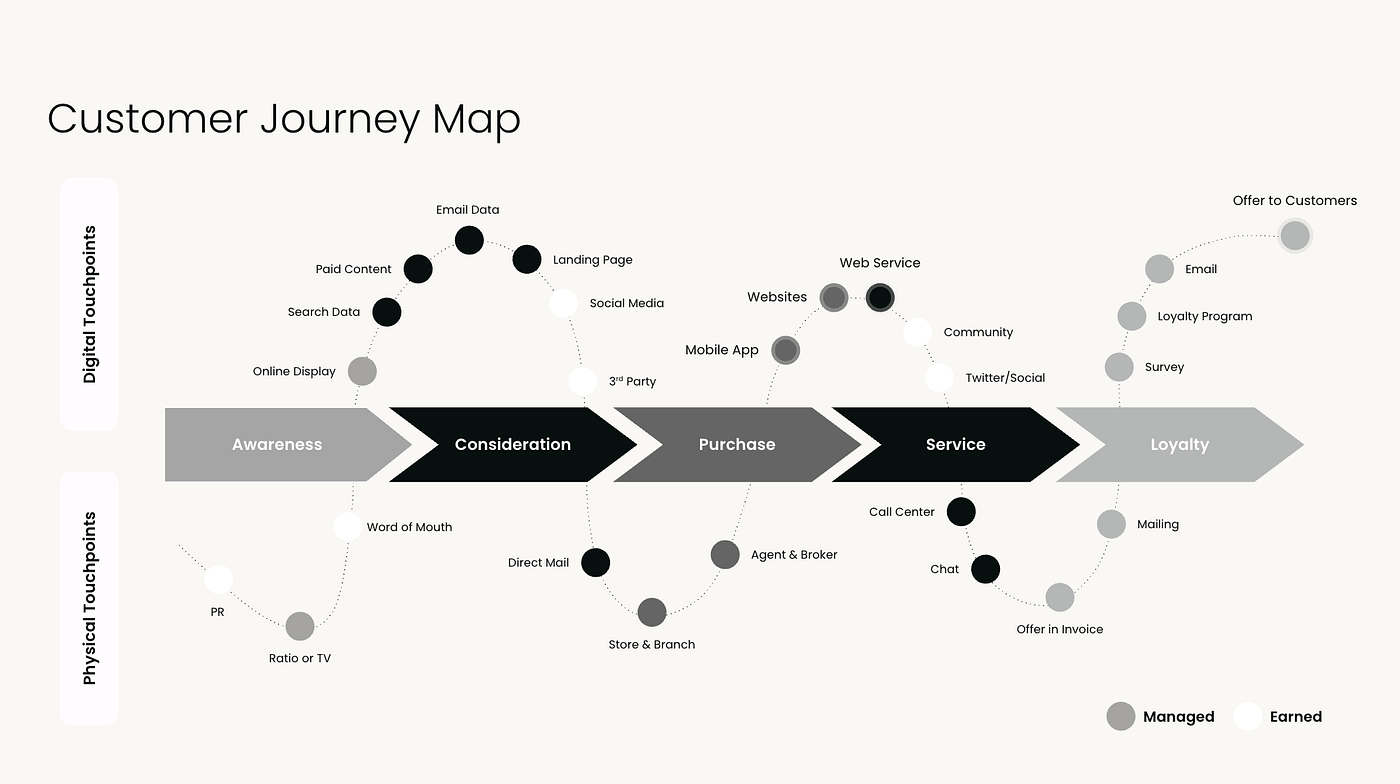
The linear marketing funnel is largely a relic. Modern customers engage with brands across numerous touchpoints, often in a non-sequential manner. They research, compare, seek peer reviews, and interact on social media long before making a purchase decision. Their journey is fragmented, driven by immediate needs and accessible information.
- Expectation of Value: Customers seek genuine value, not just products. They want solutions to problems, useful content, and a brand that understands their needs.
- Authenticity and Transparency: Hype and polished corporate speak fall flat. Modern customers value authenticity, transparency, and brands that stand for something beyond profit.
- Personalization: Generic messaging is ignored. Customers expect experiences and communications tailored to their specific interests and past interactions.
Prioritizing Data-Driven Personalization
Personalization isn’t just for enterprise brands. For SMBs, it’s about making your limited interactions count. Start by leveraging the data you already have, even if it’s basic customer information from your CRM or email list.
- Segment Your Audience: Don’t treat all customers the same. Group them by demographics, purchase history, engagement level, or expressed interests. This allows for more relevant messaging.
- Personalized Email Sequences: Automate email campaigns based on triggers like website visits, abandoned carts, or past purchases. Tools like Mailchimp or HubSpot’s free CRM can facilitate this without breaking the bank.
- Dynamic Website Content: Even simple website personalization, like showing different hero images or product recommendations based on a user’s previous browsing, can significantly improve engagement.
What to avoid here: Don’t get bogged down trying to implement a full-blown Customer Data Platform (CDP) or complex AI-driven personalization engines from day one. Focus on achievable, impactful steps using existing tools.
While leveraging existing data is the starting point, the quality of that data is often overlooked. A CRM full of outdated emails or incomplete purchase histories will lead to irrelevant or even frustrating personalization. Garbage in, garbage out applies directly here; investing a small amount of time in data hygiene upfront can prevent significant wasted effort and customer alienation down the line.
Another common pitfall is over-segmentation. It’s tempting to create a dozen different segments, each with its own unique message. In theory, this maximizes relevance. In practice, for a lean team, it quickly leads to content sprawl and an unsustainable workload. You end up with diluted messaging across too many segments, or worse, segments that never receive updated content because the team is stretched too thin. This is a classic second-order effect: what seems like a good idea for precision becomes a resource drain.
The real challenge isn’t just doing personalization, but understanding its impact. It’s easy to set up an automated email sequence, but harder to consistently track if it’s actually driving conversions, increasing average order value, or improving customer retention. Without clear metrics and a feedback loop, teams can feel pressure to keep adding more personalization without knowing if their efforts are truly moving the needle, leading to busywork rather than strategic growth.
Building Community and Trust Through Content
Content marketing today is less about keyword stuffing and more about building trust and fostering community. Your content should educate, entertain, and solve problems, positioning your brand as a helpful resource rather than just a seller.
- Problem-Solving Blog Posts: Address common customer pain points. Provide practical advice and insights relevant to your niche.
- Short-Form Video: Platforms like Instagram Reels and TikTok offer powerful ways to share quick tips, behind-the-scenes glimpses, and product demonstrations. Focus on authenticity over high production value.
- User-Generated Content (UGC): Encourage customers to share their experiences with your product or service. This builds social proof and authentic engagement far more effectively than paid ads.
- Community Engagement: Use social media not just to broadcast, but to interact. Respond to comments, ask questions, and facilitate discussions.
A key judgment call for SMBs: Don’t chase every trending content format. Instead, identify one or two formats that genuinely resonate with your target audience and where your team can consistently produce quality content. Spreading yourself too thin across too many platforms or content types often leads to mediocre output and burnout.
What often gets overlooked is that content isn’t a one-time creation; it’s an ongoing commitment. The initial effort to produce a blog post or video is only half the battle. Effective content requires consistent promotion across relevant channels, active engagement with comments, and periodic updates to ensure accuracy and relevance. Failing to account for this ongoing maintenance and distribution burden means even well-crafted content can quickly become stale or simply get lost in the noise, yielding diminishing returns on the initial investment.
Another common pitfall is the internal pressure to demonstrate immediate, tangible ROI from content efforts. While analytics are crucial, the true value of trust and community building often accrues slowly and indirectly. Teams can become frustrated when content doesn’t instantly translate into sales leads or viral shares, leading to premature abandonment of promising strategies or a desperate pivot towards short-term tactics that undermine long-term brand credibility. This short-sightedness erodes the very foundation content is meant to build.
While user-generated content (UGC) is invaluable for social proof, its effective management is a second-order challenge. Simply encouraging submissions isn’t enough. Teams must dedicate resources to curating, moderating, and responding to UGC. Without a clear process, the sheer volume can become overwhelming, leading to missed opportunities for engagement, or worse, the inadvertent amplification of off-brand or inappropriate content. The theory of ‘authentic engagement’ is powerful, but the practice demands operational rigor to ensure it consistently reinforces brand values rather than diluting them.
Leveraging AI for Efficiency, Not Just Hype
AI isn’t a magic bullet, but it’s a powerful amplifier for small teams. Focus on practical applications that streamline workflows and enhance existing efforts, rather than chasing speculative, complex solutions.
- Content Ideation and Drafting: AI writing assistants can help brainstorm topics, outline articles, and even generate first drafts for blog posts, social media captions, or email copy. This significantly reduces the time spent on initial creation.
- Ad Copy Optimization: AI tools can analyze ad performance and suggest variations in headlines, body copy, and calls-to-action to improve click-through rates and conversions.
- Basic Customer Service Chatbots: Implement simple chatbots on your website to answer frequently asked questions, freeing up your team for more complex inquiries.
- Data Analysis for Insights: AI-powered analytics tools can help identify trends in customer behavior, campaign performance, and market data, providing actionable insights faster than manual analysis. ai tools for small business
What to avoid: Resist the urge to invest in highly customized, expensive AI solutions that require significant data science expertise or large datasets. Start with accessible, off-the-shelf AI tools that integrate easily into your current workflow and offer clear, immediate efficiency gains. AI should support your strategy, not define it.
The Power of Micro-Influencers and Partnerships
For SMBs, micro-influencers (those with one thousand to one hundred thousand followers) often deliver better ROI than macro-influencers. They typically have highly engaged, niche audiences and are perceived as more authentic.
- Authentic Reach: Micro-influencers often have a deeper connection with their audience, leading to higher engagement rates and more credible recommendations.
- Cost-Effectiveness: They are generally more affordable than larger influencers, making them accessible for limited marketing budgets.
- Niche Targeting: You can find micro-influencers whose audience perfectly aligns with your target customer, ensuring your message reaches the right people.
Focus on building genuine relationships. Seek out partners whose values align with yours and whose audience would genuinely benefit from your offering. Long-term collaborations often yield better results than one-off campaigns.
What to Deprioritize or Delay Today
With limited resources, knowing what to skip is as crucial as knowing what to do. For most small to mid-sized businesses, deprioritize or delay:
- Over-reliance on broad reach campaigns: Without clear targeting and personalization, large-scale, untargeted ad campaigns are often budget sinks. Focus on precision over volume.
- Chasing every new social media platform: This is a significant resource drain. Stick to one to three platforms where your audience is genuinely engaged and where your team can consistently produce high-quality content. Don’t spread yourself too thin trying to be everywhere.
- Complex, expensive marketing automation suites: While powerful, these often come with steep learning curves and high costs. Start with simpler, integrated tools that meet your immediate needs. Scale up only when your data volume and operational complexity truly justify a more robust system.
- Extensive, costly market research projects: For SMBs, direct customer feedback, sales data analysis, and agile competitor monitoring often provide sufficient actionable insights without the hefty price tag of large-scale research. Prioritize quick, iterative learning.
Implementing an Agile Marketing Mindset
The modern marketing landscape is constantly evolving. An agile approach allows your SMB to adapt quickly and efficiently.
- Test and Learn: Launch small campaigns, measure results, and iterate. Don’t wait for perfection; aim for continuous improvement.
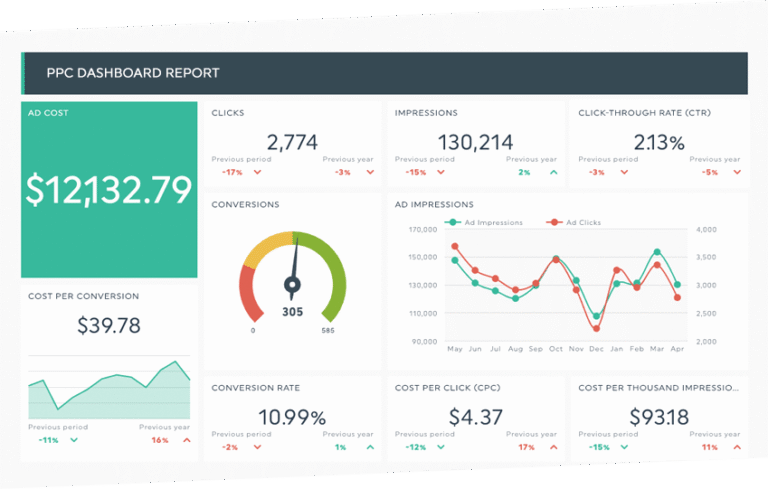
- Focus on Measurable Outcomes: Clearly define what success looks like for each initiative. Track key performance indicators (KPIs) to understand what’s working and what isn’t.
- Be Prepared to Pivot: If a strategy isn’t delivering, don’t be afraid to change course. Your budget and time are too valuable to waste on underperforming tactics.
This iterative process ensures your marketing efforts remain relevant and effective, even as customer behaviors and technological capabilities shift.


Leave a Comment