

The Imperative of Ethical Social Media Today
For small to mid-sized businesses, navigating social media isn’t just about reach; it’s about trust. This article cuts through the noise to deliver actionable strategies for building an ethical social media presence that resonates with your audience and protects your brand. You’ll gain clear guidance on prioritizing transparency, managing content risks, and fostering genuine connections, all while operating within real-world budget and team constraints. Our focus is on practical steps that yield tangible benefits, helping you make smart decisions today.
In today’s digital landscape, consumers are more aware and critical of brand behavior than ever before. Platform accountability is no longer a niche concern; it’s a core component of sustainable growth. Ignoring ethical considerations risks not just reputational damage, but also alienating your audience and undermining long-term business objectives. For teams with limited resources, the challenge is identifying which ethical actions deliver the most impact without overwhelming operations.
Prioritizing Transparency and Authenticity
Building trust starts with being upfront. For SMBs, this means establishing clear, consistent practices that demonstrate honesty.
- Clear Disclosures: Always disclose sponsored content, affiliate links, or any paid partnerships. This isn’t optional; it’s foundational. Audiences expect transparency, and platforms often mandate it.
- Authentic Voice: Let your brand’s true personality shine. Avoid generic, corporate speak that feels disingenuous. Where appropriate, show the real people behind your business to build a more human connection.
- Genuine Engagement: Respond to comments and messages thoughtfully, both positive and negative. Acknowledge mistakes openly and address concerns directly. This builds credibility far more effectively than silence or defensiveness.
These actions, while seemingly simple, are powerful trust-builders. They reduce the likelihood of backlash and foster a loyal community around your brand.
What often gets overlooked is that a single lapse in transparency isn’t just a momentary setback; it creates a persistent trust deficit. Rebuilding that trust takes significantly more effort and time than it did to establish it initially. Teams then face the frustrating task of constantly over-proving their honesty, diverting resources from other growth initiatives. This isn’t just about avoiding backlash; it’s about preventing a long-term erosion of brand equity that is incredibly difficult to reverse.
Maintaining an authentic voice and genuine engagement isn’t a one-time setup; it’s an ongoing operational commitment. As teams grow or responsibilities shift, the initial enthusiasm can give way to inconsistencies. What starts as a genuine desire to connect can devolve into a checklist item, losing its impact. The pressure to scale content or engagement without commensurate resources often forces compromises that chip away at the very authenticity you aimed to build. For small teams, it’s often better to commit to a smaller, manageable scope of engagement that you can consistently deliver, rather than over-promising and under-delivering across too many channels.
Furthermore, once you set a precedent for genuine engagement, your audience develops an expectation. Failing to consistently meet that expectation—perhaps due to limited bandwidth or shifting priorities—can be more damaging than if you had never engaged at all. The perceived withdrawal or sudden silence can breed resentment, turning a once-loyal follower into a vocal critic. This isn’t just about failing to gain trust; it’s about actively eroding what was already there, creating a downstream effect that’s harder to recover from and a significant hidden cost.
Managing Content and Community Responsibly
Your social media presence is a reflection of your brand. Proactive management of content and community interactions is crucial for maintaining a positive image and mitigating risks.
- Understand Platform Guidelines: Familiarize your team with the community standards and terms of service for each platform you use. Ignorance is not a defense when content is flagged or accounts are restricted.
- Proactive Monitoring: Implement basic social listening to track brand mentions, relevant keywords, and identify potential issues early. Free tools like Google Alerts or the basic tiers of social listening platforms can suffice for many SMBs. For more depth, consider resources on effective social listening for SMBs effective social media listening for SMBs.
- Basic Crisis Plan: Even a simple internal document outlining who responds to what, and when to escalate, is better than no plan. This ensures a coordinated and timely response to negative feedback or emerging issues.
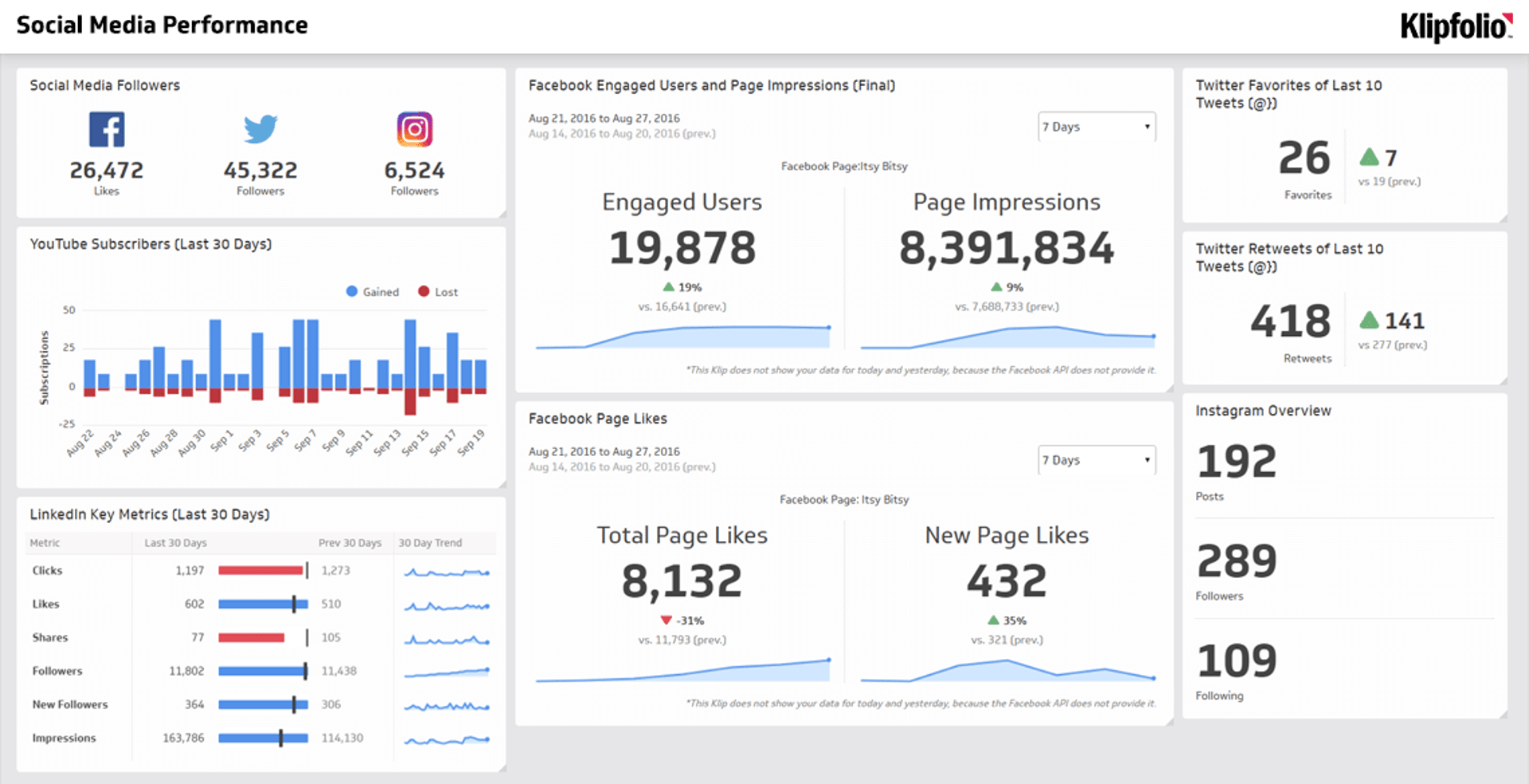
While you won’t catch every single mention or prevent every negative comment, consistent effort in these areas significantly minimizes major risks and allows for quicker, more effective responses when issues do arise.
What often gets overlooked, however, is the cumulative toll of a fragmented or inconsistent presence. Spreading resources too thin across every trending platform might seem like comprehensive coverage, but it frequently results in a superficial engagement that dilutes brand impact rather than amplifying it. A poorly managed comment section or an unaddressed customer query on one platform can quickly erode trust built elsewhere, creating a net negative effect that’s hard to quantify until it’s too late.
Furthermore, while a basic crisis plan is essential, its true value only emerges through regular, albeit informal, practice. The pressure of a real-time negative event can easily cause teams to revert to ad-hoc reactions, overriding even a well-documented process. The failure isn’t in the plan itself, but in the lack of muscle memory and the human tendency to panic under pressure. This often leads to inconsistent messaging, internal friction, and a slower, less effective public response than anticipated.
Finally, the promise of “proactive monitoring” often clashes with the reality of limited bandwidth. Free or basic tools provide data, but extracting actionable insights from the sheer volume of online chatter demands dedicated human attention. Distinguishing genuine threats from routine noise, spam, or irrelevant mentions is a time-consuming task. Without sufficient human judgment and capacity, teams risk either missing critical signals or wasting valuable time chasing minor distractions, leading to frustration and a sense of being perpetually behind.
Data Privacy and User Trust
In an era of heightened data awareness, how your brand handles user data on social media is a critical ethical consideration.
- Review Pixel Usage: Understand exactly what data your website’s social media pixels are collecting and how that data is used for advertising and analytics. Ensure these practices align with your public privacy policy.
- Consent Awareness: Be mindful of consent requirements for data collection, especially with evolving global privacy regulations. Transparency about data use builds trust. For an overview of the landscape, consult resources on data privacy laws by region data privacy laws by region.
- Avoid Intrusive Practices: Steer clear of overly aggressive or


Leave a Comment