

The rapid evolution of AI tools presents both immense opportunities and significant challenges for small to mid-sized businesses. This article cuts through the noise to provide a pragmatic roadmap for integrating AI into your marketing efforts. You’ll learn how to prioritize AI applications that deliver tangible results, navigate the critical ethical considerations, and implement strategies that actually work within the constraints of limited budgets and headcount. Our focus is on actionable insights, helping you make informed decisions about where to invest your time and resources today for maximum impact.
Understanding the AI Marketing Landscape Today
As of early 2026, AI in marketing has moved beyond theoretical discussions into practical, accessible applications. We’re seeing widespread adoption of tools that leverage large language models (LLMs) for content generation, machine learning for ad optimization, and predictive analytics for customer segmentation. For SMBs, the key isn’t to build custom AI from scratch, but to strategically integrate off-the-shelf solutions that enhance existing workflows. The landscape is dynamic, but core principles of smart marketing still apply: understand your audience, deliver value, and measure everything.
Prioritizing AI Applications for Immediate Impact
With limited resources, choosing where to start with AI is critical. Focus on areas where AI can automate repetitive tasks, provide data-driven insights, or personalize experiences at scale, offering a clear return on investment. Here’s a practical prioritization:
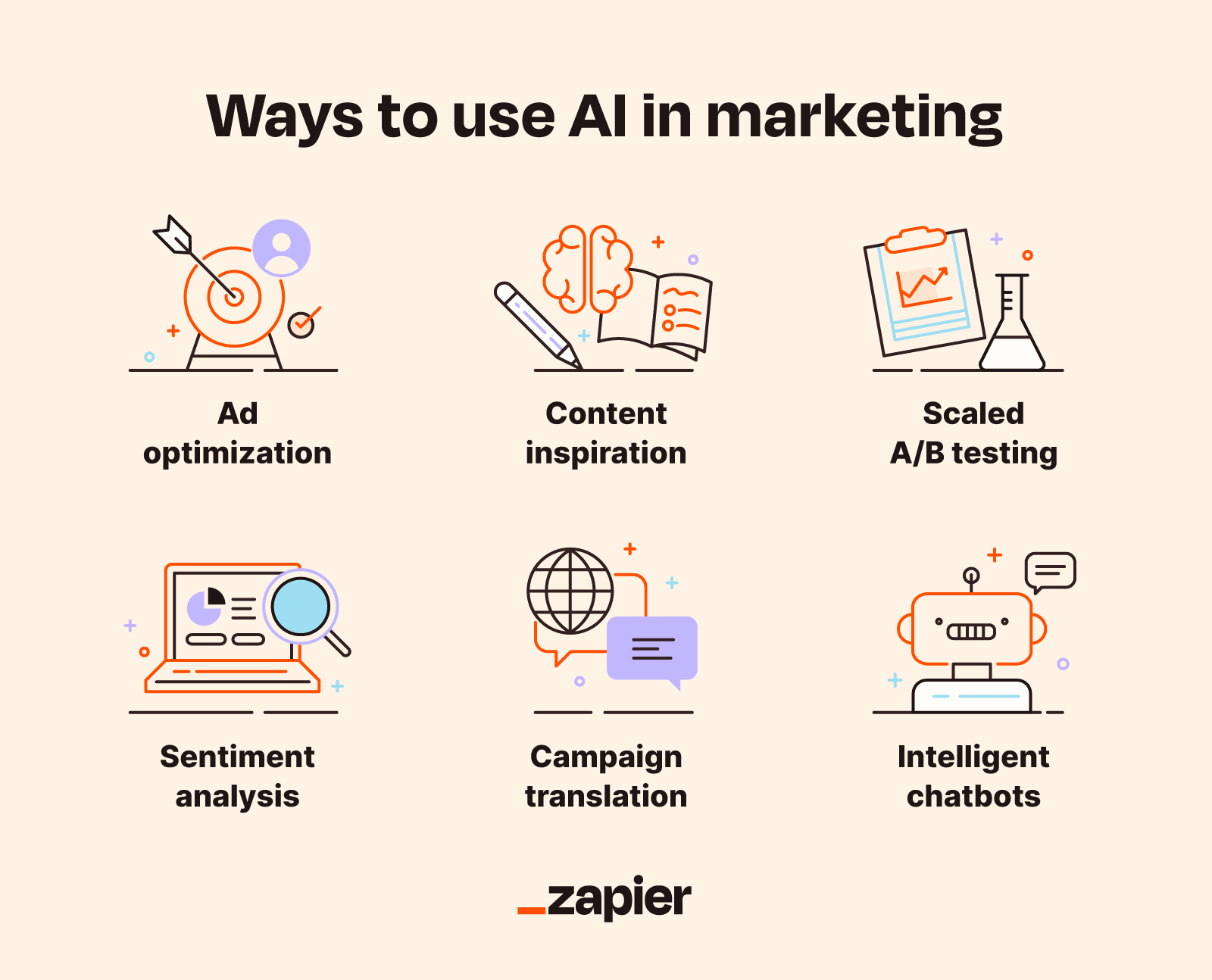
- AI-Powered Content Generation (First Priority): Leverage tools for drafting ad copy, social media posts, email subject lines, or even blog outlines. This frees up creative teams for higher-level strategy and refinement. It’s about augmenting, not replacing, human creativity.
- Ad Campaign Optimization (High Priority): Use AI features within platforms like Google Ads or Meta Ads to refine targeting, optimize bidding strategies, and predict performance. These built-in tools are often robust and require minimal setup.
- Personalized Email Marketing (Medium Priority): Implement AI to segment audiences more effectively and personalize email content or product recommendations. This can significantly boost engagement and conversion rates without requiring a complete overhaul of your email system.
- Basic Chatbots for Customer Service (Medium Priority): Deploy AI-driven chatbots for FAQs and initial customer inquiries. This can reduce support load and improve response times, freeing up human agents for complex issues.
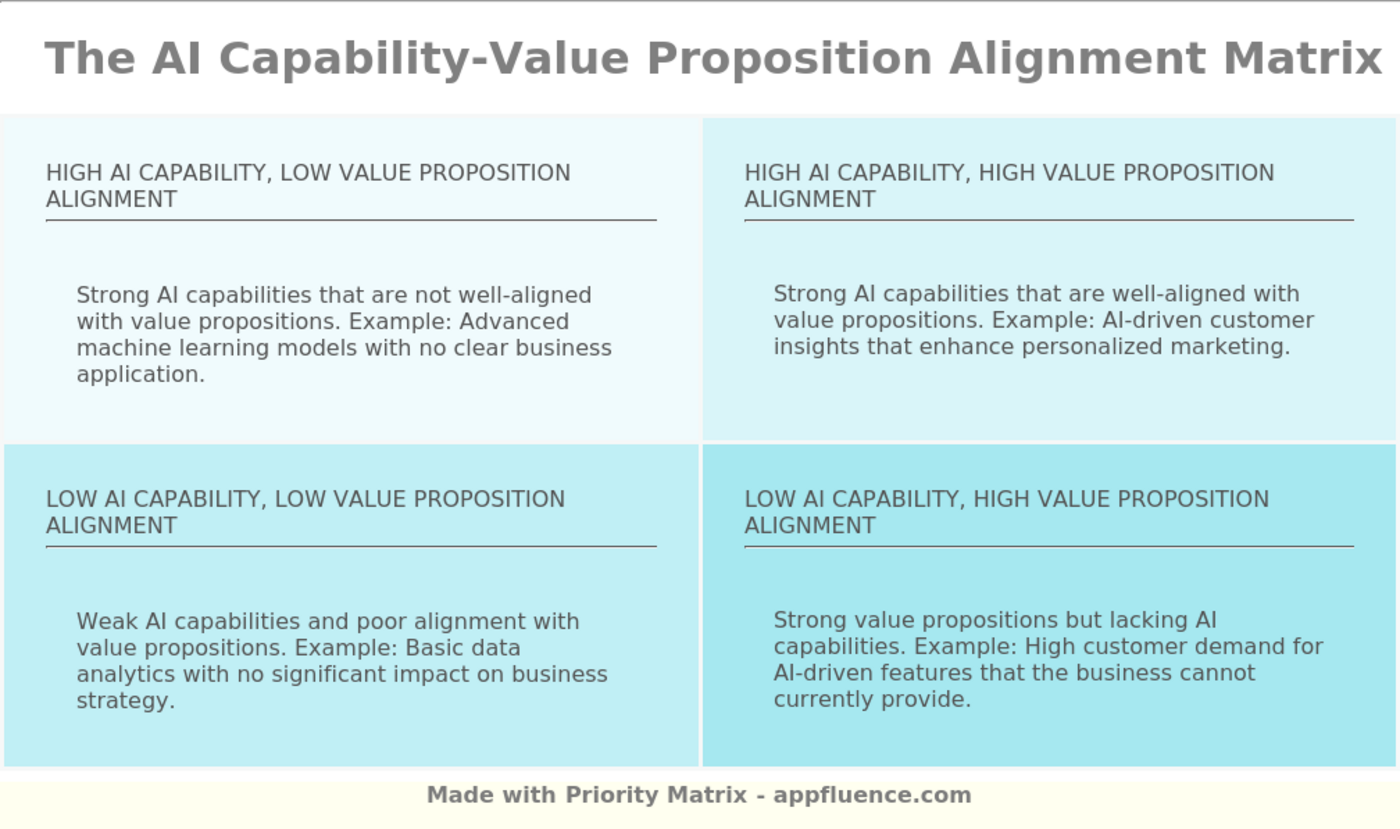
The goal is to pick low-hanging fruit that directly addresses a current pain point or offers a clear efficiency gain. Don’t try to do everything at once.
While AI-powered content generation offers immediate efficiency, it’s easy to overlook the downstream effort required to maintain a distinct brand voice. The initial allure of rapid content creation can lead teams to over-rely on AI for first drafts, only to find that the subsequent human editing and refinement process takes longer than anticipated to inject true originality and align with specific brand nuances. This isn’t about replacing human creativity; it’s about augmenting it. But if not managed carefully, the ‘augmentation’ can shift into a tedious ‘correction’ phase, leading to creative teams feeling more like editors of generic output than strategists crafting unique messages.
Similarly, while built-in AI for ad campaign optimization is powerful, it often operates within a defined set of parameters. What’s easy to miss is that these algorithms are optimizing for the best performance within the current campaign structure and creative assets provided. They excel at finding local optima but may not signal when a fundamental strategic shift is needed, or when the existing creative has reached saturation. Teams can become overly reliant on the platform’s AI, delaying critical human judgment calls about audience expansion, new creative directions, or even pausing underperforming campaigns that the AI continues to tweak marginally. This can lead to plateaued results and missed opportunities for truly innovative campaign approaches that require a human-led strategic pivot.
Finally, the promise of personalized email marketing and basic chatbots hinges entirely on the quality and cleanliness of your underlying customer data. This is a critical dependency often overlooked in the excitement of deploying new AI capabilities. In practice, if your CRM or customer database is fragmented, incomplete, or inaccurate, AI-driven personalization will amplify those inconsistencies, leading to irrelevant recommendations or frustrating chatbot interactions. The theoretical efficiency gains quickly evaporate when teams are forced to spend significant time manually cleaning data or correcting AI outputs, turning a supposed automation into a new source of operational overhead. Prioritizing data hygiene before scaling personalization efforts is a non-negotiable step that many teams learn the hard way.
Ethical AI: Building Trust and Avoiding Pitfalls
Ethical considerations are not just for large enterprises; they are paramount for SMBs building customer trust. Ignoring them can lead to reputational damage and legal issues. Your approach to AI must be transparent, fair, and secure.
- Data Privacy and Security: Ensure any AI tools you use comply with data protection regulations (e.g., GDPR, CCPA). Understand how your data is used and stored by third-party AI providers. Always prioritize customer data security.
- Transparency and Disclosure: Be transparent when content or interactions are AI-generated. For instance, clearly label AI-assisted chatbots. This builds trust and manages customer expectations.
- Bias Mitigation: AI models can inherit biases from their training data. Always review AI-generated content and targeting suggestions for fairness and inclusivity. Human oversight is non-negotiable to prevent discriminatory outcomes in advertising or content. AI ethics regulations
- Human Oversight: Never fully automate critical decision-making or customer interactions without human review. AI should assist, not replace, human judgment and empathy.
What often gets overlooked is the long-term implication of data governance beyond initial compliance checks. Simply ensuring a third-party AI tool is ‘compliant’ today doesn’t account for the future. The real challenge lies in understanding the data lineage – where your customer data goes, how it’s transformed, and what new models are trained on it by your vendors. This isn’t just about legal risk; it’s about potential vendor lock-in or the inability to retrieve or purge data effectively if you decide to switch providers or if their ethical guidelines shift. The operational overhead of untangling deeply embedded data flows later can far outweigh the initial convenience.
Furthermore, the mandate for human oversight, while critical, often creates its own set of practical challenges for lean teams. It’s easy to fall into a ‘rubber-stamping’ trap where content or decisions are technically reviewed by a human, but without sufficient time, training, or clear guidelines, the review becomes superficial. This isn’t just an oversight; it’s a source of team frustration and a hidden vulnerability. The pressure to maintain output velocity can inadvertently push teams to prioritize speed over thoroughness, effectively nullifying the intent of human review and allowing subtle biases or inaccuracies to slip through, eroding trust over time.
Deprioritizing the continuous investment in human training and clear ethical guidelines is a common misstep. Many assume that once an initial bias check is done, the work is complete. However, AI models evolve, data inputs change, and societal norms shift. Without ongoing education for the human reviewers and regular updates to the ethical framework, the effectiveness of bias mitigation diminishes. This isn’t a one-time project; it’s an ongoing operational cost that, if neglected, leads to a slow but steady accumulation of ethical debt, making future corrections far more complex and costly than proactive maintenance.
Practical Implementation: Integrating AI into Your Workflow
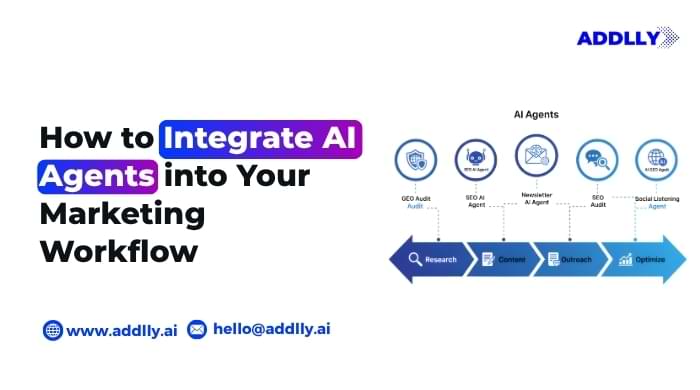
Successful AI integration isn’t about adopting the latest shiny tool; it’s about embedding AI capabilities into your existing marketing processes. Start small, iterate, and measure.
- Identify Specific Use Cases: Don’t just “implement AI.” Pinpoint a specific problem AI can solve, like generating five social media posts per day or optimizing ad spend for a particular campaign.
- Choose User-Friendly Tools: Opt for AI tools that integrate seamlessly with your current marketing stack (CRM, email platform, ad managers). Avoid solutions requiring extensive custom development or specialized AI expertise. Many platforms now have AI features built-in.
- Train Your Team: Provide practical training on how to use AI tools effectively, understand their limitations, and apply critical human judgment to their outputs. Emphasize AI as an assistant, not a replacement.
- Start with Pilot Projects: Implement AI in a controlled environment. Test its effectiveness on a small segment of your audience or a specific campaign before scaling up.
- Establish Feedback Loops: Continuously evaluate AI performance. Collect feedback from your team and customers. Use this data to refine prompts, adjust settings, and improve outcomes.
What to Deprioritize or Skip Right Now
For small to mid-sized businesses, the biggest mistake is often chasing every new AI trend or attempting overly ambitious projects. You should deprioritize or skip custom AI model development and large-scale, fully autonomous AI systems today. These initiatives demand significant capital investment, specialized data science expertise, and extensive training data that most SMBs simply don’t possess. The operational overhead, potential for costly errors, and long development cycles far outweigh the benefits when off-the-shelf, integrated AI solutions are readily available and more cost-effective. Focus your limited budget and headcount on leveraging proven, accessible AI features within existing platforms or affordable SaaS tools that deliver immediate, measurable value, rather than embarking on complex, high-risk ventures.
Measuring Success and Adapting Your AI Strategy
Like any marketing initiative, AI implementations require clear metrics and continuous evaluation. Define your Key Performance Indicators (KPIs) before you start. For content generation, track time saved and engagement rates. For ad optimization, monitor cost per acquisition (CPA) and return on ad spend (ROAS). For personalization, look at conversion rates and customer lifetime value (CLTV).
Regularly review the performance of your AI-driven campaigns. A/B test different AI outputs against human-generated content or alternative strategies. The AI landscape is evolving rapidly, so be prepared to adapt your tools and strategies based on performance data and emerging best practices. This iterative approach ensures your AI investments continue to deliver real business value.


Leave a Comment