

For small to mid-sized businesses, social media isn’t just about likes and shares anymore. Focusing solely on engagement metrics can lead to short-term gains but often overlooks the long-term health of your brand and audience. This article will guide you through practical shifts to prioritize user well-being, helping you build a more loyal community, foster genuine connections, and drive sustainable growth without overstretching your limited resources.
You’ll learn how to make deliberate choices about your content, interactions, and measurement, ensuring your social presence contributes positively to both your business goals and your audience’s experience. This isn’t about adding more to your plate, but about re-prioritizing what truly matters for lasting impact.
Why User Well-being Matters More Than Ever for SMBs
The landscape of social media has matured. Users are increasingly aware of the mental and emotional toll that constant, often performative, online interaction can take. For SMBs, this shift isn’t just a trend; it’s a strategic imperative. Ignoring user well-being risks alienating your audience, eroding trust, and ultimately hindering your ability to convert followers into loyal customers. A brand perceived as thoughtful and responsible stands out in a crowded digital space, especially when larger competitors might be chasing volume over value.
This isn’t about becoming a mental health expert. It’s about recognizing that your social media presence impacts your audience’s daily experience. By consciously designing interactions that are positive, respectful, and genuinely helpful, you build a stronger foundation for your brand. This approach fosters a community that feels valued, not just targeted, which is a significant competitive advantage for businesses with limited marketing budgets.
Shifting Focus: From Vanity Metrics to Sustainable Growth
Many SMBs are still fixated on vanity metrics like follower count, total likes, or reach. While these have their place in a broader analytics picture, they rarely tell the full story of brand health or customer loyalty. True growth comes from meaningful interactions and a positive brand perception, which are harder to quantify but far more impactful.
Instead of chasing viral moments that might not align with your brand values, prioritize content that educates, inspires, or genuinely solves a problem for your audience. This means moving beyond generic promotional posts and into areas where your expertise can truly shine. Think about how your content can empower your audience, reduce their stress, or simply bring a moment of authentic connection. This shift requires a deliberate change in content strategy, focusing on quality and relevance over sheer quantity.
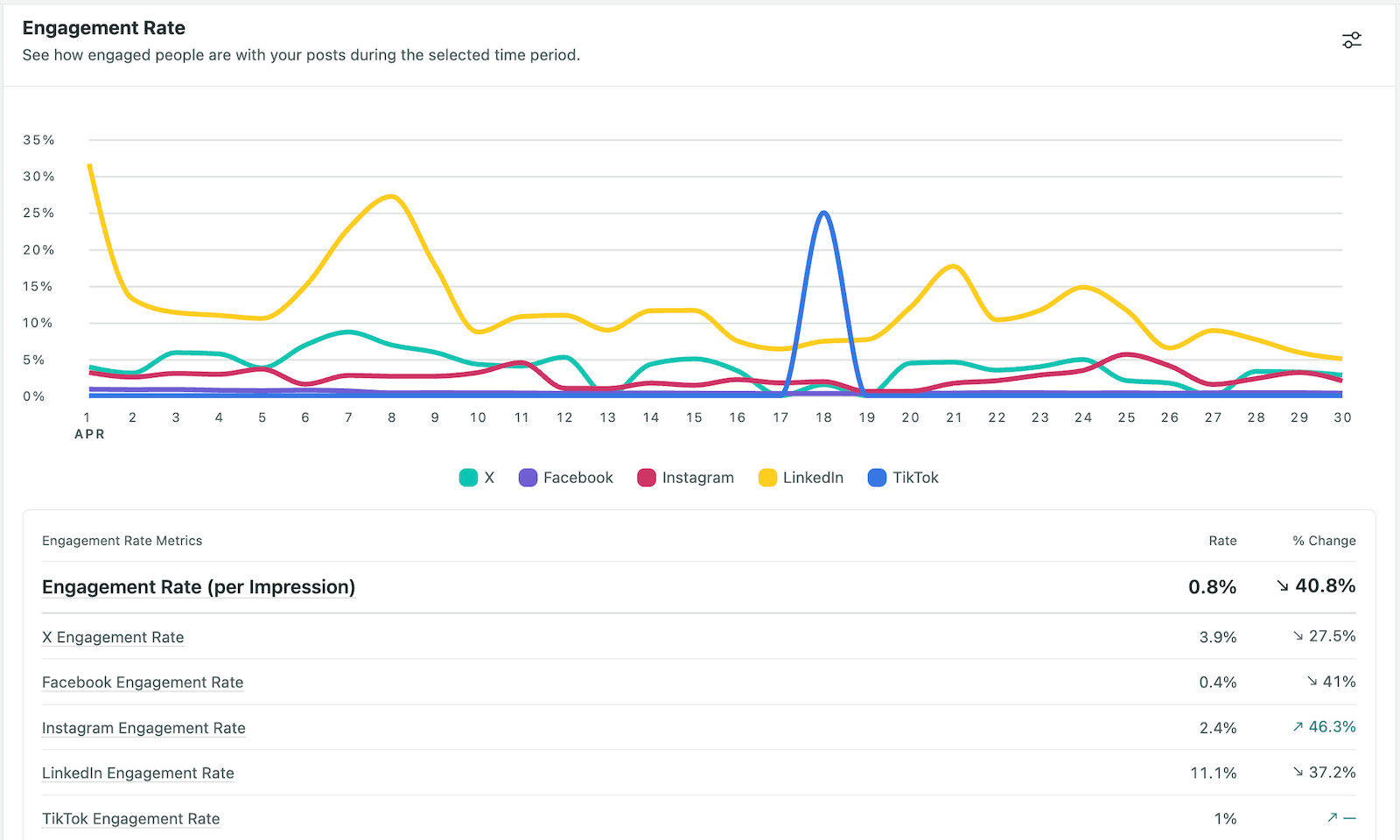
This strategic shift, while sound in principle, often comes with an uncomfortable initial phase. When teams pivot away from content designed purely for reach or likes, they frequently see a temporary dip in those very metrics. This isn’t a sign of failure; it’s a natural consequence of re-prioritizing. However, this dip can trigger internal panic, especially when reporting to stakeholders accustomed to seeing large, easily digestible numbers. The pressure to ‘show progress’ can be intense, leading some teams to prematurely abandon the new approach or, worse, dilute their efforts by trying to chase both types of metrics simultaneously.
Another common pitfall lies in the execution of ‘quality and relevance.’ In theory, it sounds straightforward: create good content. In practice, ‘good’ is subjective and often misinterpreted. Teams might invest more time and resources into producing polished articles or videos, but if that content still doesn’t deeply resonate with the audience’s specific pain points or aspirations, it merely becomes high-effort, low-impact content. The trap is believing that increased production value automatically translates to increased value for the audience. True relevance requires ongoing, granular understanding of your audience’s evolving needs, not just a higher budget for content creation.
The downstream effect of these pressures is often a subtle but pervasive erosion of strategic clarity. When teams are caught between the immediate demand for vanity metric ‘wins’ and the long-term commitment to meaningful engagement, their content strategy becomes fractured. Resources get spread thin, and the initial clarity of purpose—to build genuine brand health—gets muddled. This operational friction not only wastes effort but also delays the realization of sustainable growth, making it harder to build a consistent brand voice and a loyal customer base over time.
Practical Steps for Integrating Well-being into Your Strategy
- Audit Your Current Content: Review your past posts. Do they encourage positive interaction or create pressure? Are they overly promotional? Identify areas where you can pivot towards more supportive, informative, or community-building content.
- Emphasize Education and Value: Share practical tips, how-to guides, or insights related to your niche that genuinely help your audience. This positions your brand as a resource, not just a seller. For instance, a local bakery could share simple baking tips, not just photos of cakes.
- Foster Authentic Engagement: Ask open-ended questions that encourage thoughtful responses, not just quick reactions. Respond genuinely to comments, showing you value their input. Avoid manipulative tactics like “tag a friend or share to win” if they don’t align with a deeper community goal.
- Set Clear Boundaries: As an SMB, your team likely wears many hats. Establish clear hours for social media engagement and communicate them if necessary. This models healthy digital habits for your audience and prevents burnout for your team.
- Promote Digital Breaks: Occasionally, encourage your audience to step away from their screens. This might seem counterintuitive, but it builds immense trust. A post suggesting a weekend digital detox, perhaps with a relevant offline activity related to your product, shows you care beyond their screen time.
While the intent behind emphasizing education and value is sound, a common pitfall for SMBs is creating a content treadmill that lacks a clear strategic link to business outcomes. It’s easy to fall into the trap of producing “helpful” content without a defined path for how that content ultimately supports lead generation, sales, or customer retention. This can lead to significant resource drain, where limited marketing budgets and team hours are spent on content that generates engagement but doesn’t move the needle on revenue. The team feels the pressure to constantly produce, yet struggles to demonstrate tangible ROI, leading to frustration and a questioning of the entire well-being strategy itself.
Similarly, setting clear boundaries and promoting digital breaks, while crucial for team well-being, often faces internal resistance due to immediate operational pressures. For a small business, the instinct to be “always on” and immediately responsive to every customer inquiry or social media comment is strong. There’s a real fear of missing out on a potential sale or damaging customer perception by not being available 24/7. Overcoming this requires a deliberate cultural shift and a willingness to accept that some immediate, minor opportunities might be traded for the long-term benefits of a rested, more productive team and a more authentic brand image. This isn’t just a policy change; it’s a test of leadership’s commitment to the well-being principle when short-term demands conflict.
A critical, often overlooked failure mode is the risk of “well-being washing.” If your external messaging promotes digital breaks and mental health, but your internal culture still demands constant availability, late-night responses, or celebrates overwork, your efforts will likely backfire. This disconnect erodes trust with both your employees and your audience, who can quickly spot insincerity. Therefore, prioritize internal alignment and genuine practice over outward-facing campaigns. What should be deprioritized today is any external communication about well-being that isn’t genuinely reflected in your team’s day-to-day experience. An authentic, albeit quieter, commitment to well-being within your organization will always yield better long-term results than a performative public display.
What to Prioritize First (and What to Skip)
For SMBs with limited resources, prioritization is key. Your immediate focus should be on refining your existing content strategy to be more value-driven and less promotional. Start by dedicating a portion of your content calendar – say, thirty percent – to purely educational or community-focused posts that have no direct sales objective. This builds goodwill and positions your brand as a trusted voice.
Next, invest time in genuinely responding to comments and messages. A thoughtful, personalized reply carries more weight than ten automated likes. This direct interaction is where true community building happens. Consider using simple tools to manage direct messages efficiently, but ensure the responses remain human.
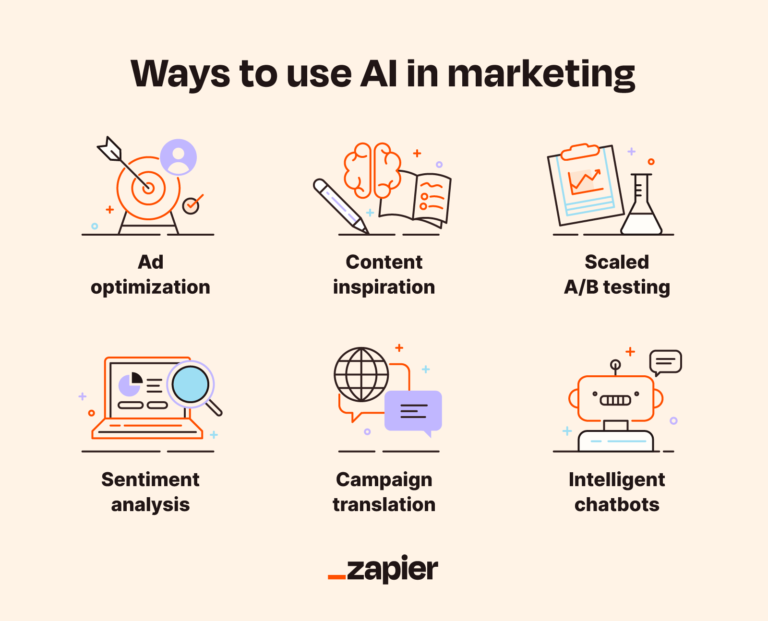
What to deprioritize or skip today: Avoid chasing every new social media feature or platform. While staying current is important, the overhead of learning and consistently producing content for a new platform often outweighs the potential benefits for a lean team. Similarly, complex, multi-variate A/B testing of minor content variations can be a time sink. Focus instead on the core message and the overall sentiment your content evokes. Don’t get bogged down in intricate analytics dashboards that track every micro-interaction; a few key metrics focused on sentiment and qualitative feedback will provide more actionable insights for well-being-centric strategies.
Measuring Impact Beyond the Click
While traditional metrics like reach and engagement still offer some context, measuring the impact of a well-being-focused strategy requires a broader perspective. Look for qualitative indicators and shifts in audience behavior.
- Sentiment Analysis (Basic): Pay attention to the tone of comments and messages. Are people expressing gratitude, feeling understood, or sharing positive experiences? Simple manual review can be effective for SMBs.
- Direct Feedback: Encourage your audience to share their thoughts directly, perhaps through polls or Q&A sessions. Ask specific questions about how your content helps them.
- Brand Mentions & Reputation: Monitor how your brand is discussed outside your owned channels. Are people talking positively about your helpfulness or community? Tools like Google Alerts or basic social listening features can track this.
- Website Traffic & Conversions (Long-term): While not a direct well-being metric, a more engaged and trusting audience is more likely to visit your website and convert over time. Look for trends in returning visitors and conversion rates from social channels. This indicates a deeper connection, not just a fleeting click. social media ROI for small business
Building a Resilient Community
A social media strategy centered on user well-being naturally leads to a more resilient and loyal community. This community becomes an invaluable asset, providing organic advocacy and feedback. When your audience feels genuinely cared for, they are more likely to defend your brand, recommend your products or services, and stick with you through challenges.
Cultivate this resilience by consistently delivering value, maintaining transparency, and being responsive to both positive and negative feedback. Remember, a strong community isn’t built overnight; it’s the result of consistent, thoughtful effort. For SMBs, this means making deliberate choices to prioritize human connection over algorithmic reach, understanding that genuine relationships are the ultimate currency in the digital age.

Leave a Comment