

The rapid evolution of AI isn’t just a trend; it’s fundamentally reshaping how small to mid-sized businesses approach marketing. For teams with limited budgets and headcount, the challenge isn’t just adopting AI, but knowing which tools and strategies deliver real value without overstretching resources. This article will guide you through prioritizing essential skills and practical AI applications, helping you make informed decisions to drive growth today.
You’ll gain a clear perspective on what truly works in the current landscape, what to strategically delay, and what to avoid altogether, ensuring your marketing efforts remain effective and efficient despite real-world constraints.
The Shifting Role of the Marketer in 2026
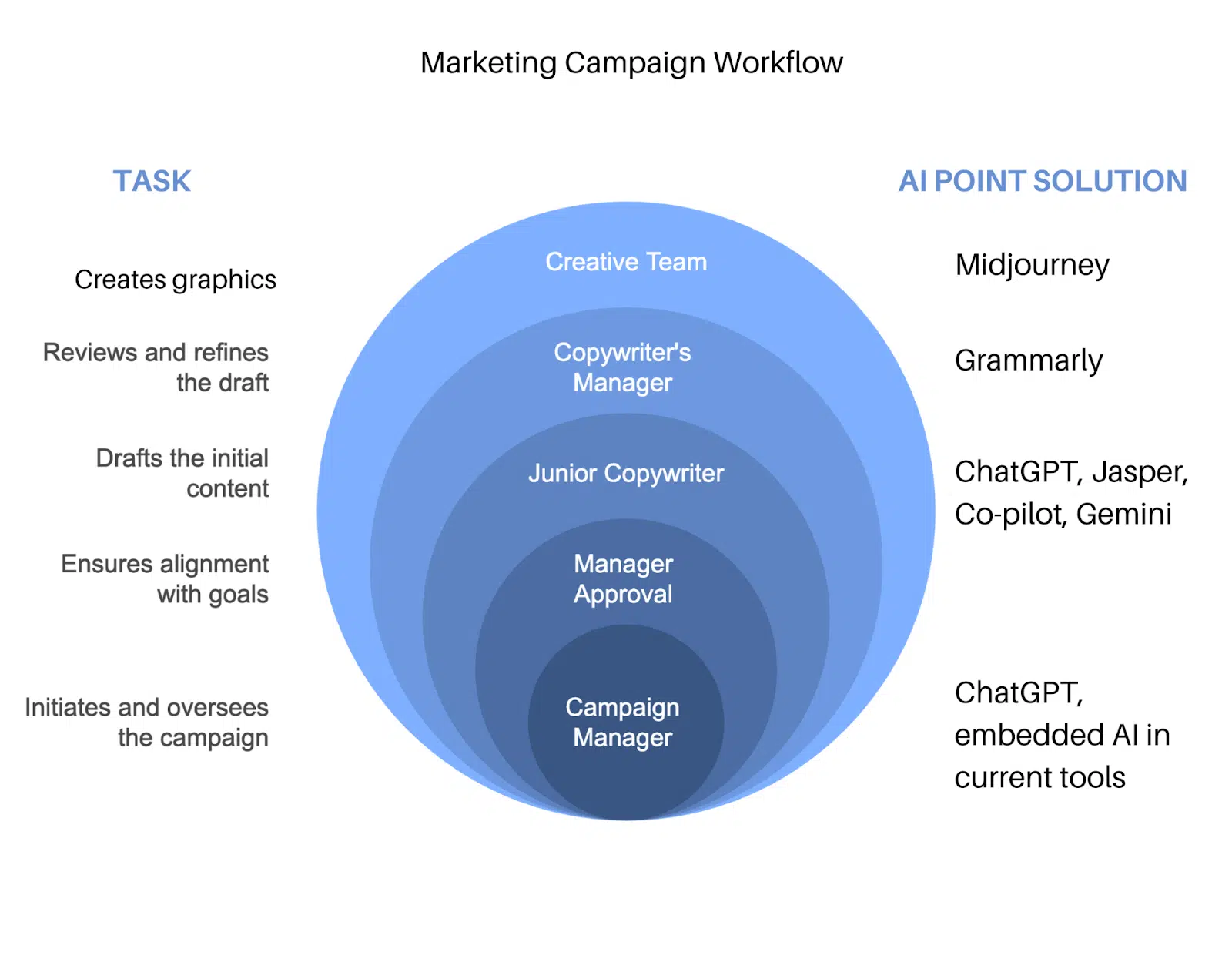
AI isn’t replacing marketers; it’s redefining the role. Today, the focus shifts from purely manual execution to strategic oversight, data interpretation, and creative direction. AI tools handle repetitive, data-intensive tasks, freeing up your team to concentrate on higher-level strategy, customer understanding, and brand storytelling. This means marketers must evolve from being just doers to becoming skilled orchestrators of AI-powered workflows.
Prioritizing AI Tools for Immediate Impact
For SMBs, the key is to adopt AI tools that offer tangible, near-term benefits without requiring massive upfront investment or complex integration. Focus on solutions that augment existing processes and solve immediate pain points. Smart marketing strategies with AI
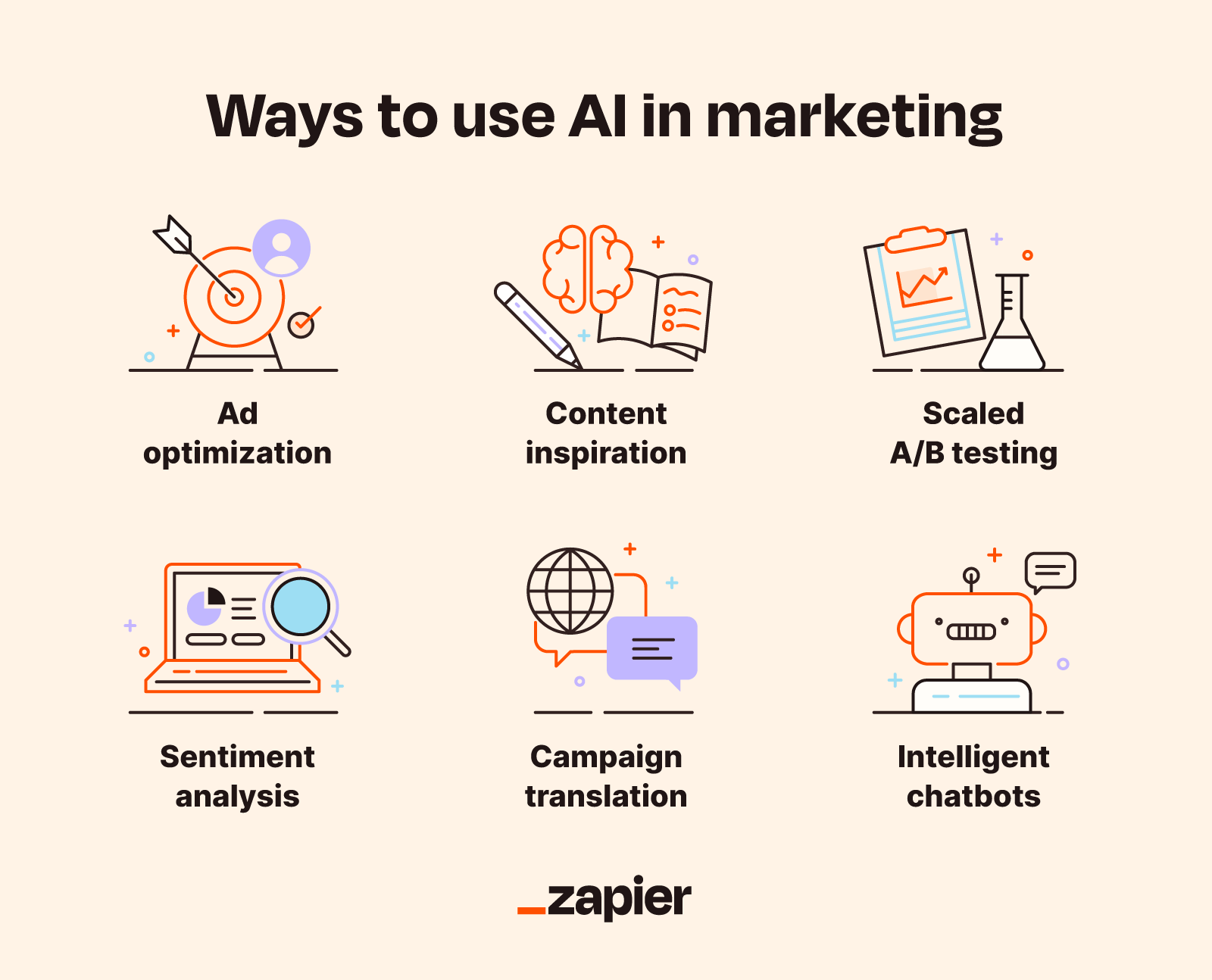
- Content Generation & Ideation: Tools that assist with drafting blog posts, social media updates, email copy, and headline variations can drastically cut down initial creation time. They act as a powerful co-pilot for your content team.
- SEO Analysis & Optimization: AI-powered platforms can quickly analyze keyword opportunities, identify content gaps, and suggest on-page optimizations, making your SEO efforts more precise and less time-consuming. AI SEO tools for content optimization
- Ad Copy & Creative Optimization: AI can generate multiple ad variations, test their effectiveness, and provide insights into what resonates with different audience segments, improving campaign performance.
- Basic Customer Service Automation: Simple chatbots can handle common queries, qualify leads, and direct customers to relevant resources, improving response times and freeing up your sales or support team.
When evaluating tools, prioritize those with intuitive interfaces, clear pricing models, and robust integration capabilities with your existing tech stack. A tool that requires a steep learning curve or significant custom development will likely hinder more than help.
However, the immediate gains from tools like content generators often come with a hidden cost: the erosion of distinct brand voice. While AI can quickly produce drafts, relying too heavily on it without significant human oversight and refinement can lead to a flood of ‘good enough’ content that lacks personality, strategic depth, or true differentiation. The initial time saved in drafting can quickly be consumed by extensive editing needed to inject the unique perspective and tone that truly resonates with an audience, turning a promised efficiency gain into a new bottleneck.
Similarly, the allure of AI-driven ‘optimization’ in areas like SEO or ad copy can mask deeper issues. These tools excel at pattern recognition and iterative improvement within defined parameters, but they often lack the contextual understanding of a human strategist. Over-optimization for short-term metrics can inadvertently lead to bland, repetitive messaging or a narrow focus that misses broader market opportunities. Furthermore, while many tools promise ‘robust integration,’ the practical reality for small teams is often a patchwork of systems. The effort to truly connect these disparate platforms, beyond basic data exports, frequently requires more technical expertise or custom development than initially advertised, creating new data silos and manual reconciliation tasks that frustrate teams and negate the intended efficiencies.
This brings us to a critical, often overlooked aspect: the operational overhead of managing multiple AI tools. Each new subscription, login, and interface adds to the cognitive load and administrative burden of an already lean team. The temptation to adopt every promising AI solution can quickly lead to tool sprawl, where the cumulative effort of training, maintenance, and troubleshooting outweighs the individual benefits. For this reason, teams should actively deprioritize adopting a wide array of niche AI tools. Instead, focus on deeply integrating one or two truly transformative solutions that address core pain points, even if it means delaying exploration of other ‘nice-to-haves.’ The goal is sustained impact, not just initial novelty.
Essential Skills for the Modern Marketer
As AI takes on more operational tasks, certain human skills become even more critical for success:
- Prompt Engineering: The ability to craft precise, effective prompts to get the best output from generative AI models is paramount. It’s about asking the right questions in the right way.
- Data Interpretation & Critical Thinking: AI provides data and insights, but human judgment is essential to interpret these, identify biases, and translate them into actionable strategies. Don’t just accept AI output; critically evaluate it.
- Strategic Oversight & Vision: Marketers must guide AI, setting strategic goals and ensuring AI-generated content or insights align with brand voice, business objectives, and ethical guidelines.
- Adaptability & Continuous Learning: The AI landscape is constantly changing. A commitment to ongoing learning and experimentation with new tools and techniques is non-negotiable.
- Ethical AI Use: Understanding the implications of AI in terms of data privacy, bias, and transparency is crucial for maintaining trust and brand reputation.
It’s easy to frame prompt engineering as a simple skill, but the real challenge lies in the iterative cost of getting it wrong. A poorly constructed prompt doesn’t just yield a bad first draft; it often initiates a cycle of endless revisions, consuming valuable team time that was supposed to be saved. This isn’t just about efficiency; it’s about the cumulative frustration of constantly course-correcting AI output, which can erode confidence in the technology itself and lead to a perception that “AI isn’t ready” when the issue is human input.
The temptation to chase every AI-generated insight or content idea is a subtle but significant pitfall. Without strong strategic oversight, teams can find themselves producing a high volume of disparate content or pursuing fragmented initiatives that lack cohesion. This dilutes brand messaging and spreads limited resources thin, ultimately hindering rather than helping achieve core business objectives. The skill isn’t just evaluating AI output, but having the discipline to reject perfectly plausible but non-strategic options, a decision that often feels counterintuitive when the goal is “more.”
The constant demand for adaptability and continuous learning also carries a hidden human cost. For lean teams, the pressure to master new AI tools and techniques while maintaining existing workloads can lead to burnout and decision paralysis. Deciding which new platforms or features to invest time in learning, knowing many will be short-lived, is a high-stakes gamble. Furthermore, navigating the ethical landscape of AI use, from data privacy to potential biases, adds another layer of complexity that often falls on marketers without dedicated legal or compliance support, creating significant operational and reputational risk if overlooked.
What to Deprioritize or Avoid Today
For small to mid-sized teams, resource allocation is paramount. Today, you should deprioritize building custom AI models from scratch. This is a highly specialized, resource-intensive endeavor that rarely provides a justifiable ROI for SMBs when robust, off-the-shelf AI solutions are readily available. Your focus should be on leveraging existing AI tools effectively, not on becoming an AI development house. Similarly, avoid over-automating customer interactions without human oversight. While chatbots are useful, completely removing the human element can lead to frustrating customer experiences and damage brand loyalty. Implement AI in a way that augments human interaction, not replaces it entirely. Lastly, resist the urge to chase every “new AI trend” without a clear understanding of its practical application and integration cost. Many emerging tools are still in nascent stages or designed for enterprise-level operations. Stick to proven applications that solve concrete business problems.
Integrating AI into Your Marketing Workflow
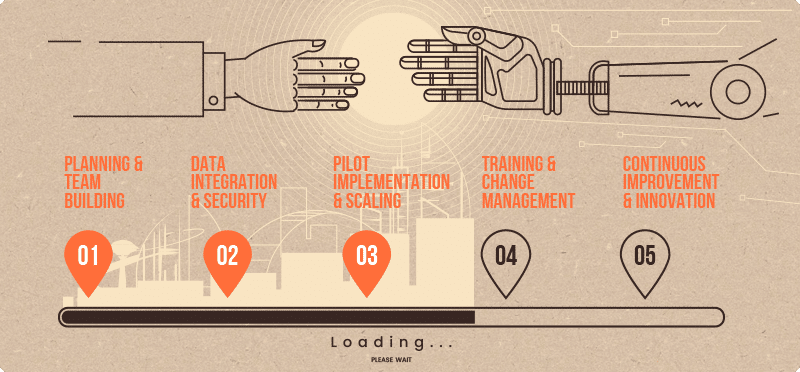
Successful AI integration isn’t about a big bang launch; it’s an iterative process. Start by identifying one or two specific, high-volume tasks where AI can offer immediate relief. For example, use AI to generate initial drafts for email campaigns or brainstorm social media content ideas. Once your team is comfortable, gradually expand AI’s role. The goal is augmentation: using AI to make your human marketers more productive, creative, and strategic, not to replace them. Foster a culture of experimentation, allowing your team to explore AI capabilities in a controlled environment. Share successes and learn from challenges to refine your approach.
Building a Future-Ready Marketing Team
The most effective marketing teams in 2026 will be those that embrace AI as a partner, not a competitor. This requires investing in continuous learning for your team, fostering an environment where experimentation is encouraged, and maintaining a strong emphasis on human creativity and strategic thinking. Your team’s ability to adapt, critically evaluate AI outputs, and apply human judgment will be the ultimate differentiator in an increasingly AI-powered marketing landscape. Focus on developing a hybrid team where human ingenuity and AI efficiency complement each other to drive sustainable growth.

Leave a Comment