

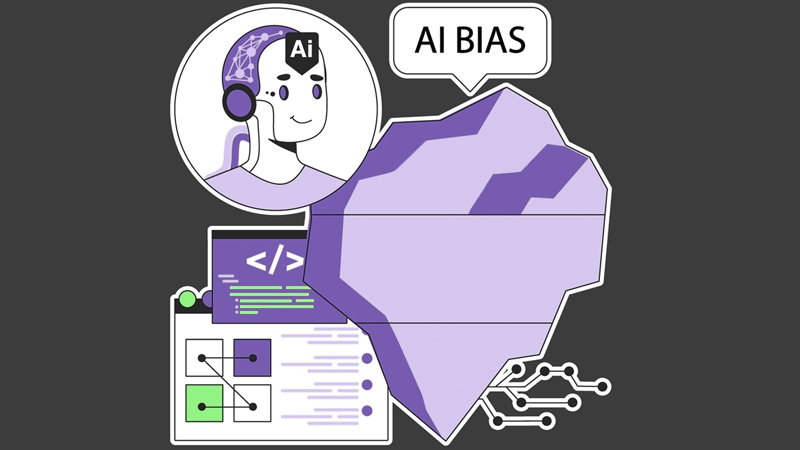
As AI tools become central to marketing, sales, and operations, understanding and addressing potential biases isn’t just an ethical concern—it’s a business imperative. This guide cuts through the noise to provide actionable steps for small to mid-sized teams to build and maintain fairer AI systems.
You’ll learn how to prioritize efforts, identify common pitfalls, and implement practical safeguards that protect your brand, improve customer trust, and ensure your AI investments deliver equitable results, even with limited resources.
Why AI Bias Matters for Your Business Today
AI bias isn’t an issue reserved for tech giants; it directly impacts your customer segmentation, ad targeting, hiring processes, and even content generation. Biased outcomes lead to missed opportunities, reputational damage, and can expose your business to unnecessary risks.
- Ineffective marketing campaigns due to skewed targeting.
- Alienating specific customer segments, leading to lost revenue.
- Damaged brand reputation and erosion of customer trust.
- Suboptimal business decisions based on flawed, biased insights.
- Potential for regulatory scrutiny (even if not directly targeted, general principles apply, as seen in evolving guidelines from major tech players AI ethics principles and industry bodies).
Prioritizing Your Approach to AI Bias Mitigation
For small to mid-sized businesses, a comprehensive, academic approach to AI bias is simply unrealistic. Your focus must be on high-impact areas where AI directly interacts with customers or critical business decisions.
- Identify High-Risk AI Applications First: Pinpoint where AI makes decisions about people (customers, employees) or resource allocation. Examples include lead scoring, ad delivery optimization, customer service chatbots, or hiring tools. These are your immediate priorities.
- Focus on Data Quality: Biased data is the most common root cause of AI bias. Start by scrutinizing the data feeding your most critical AI systems.
- Leverage Vendor Capabilities: Most SMBs utilize off-the-shelf AI solutions. Understand what bias mitigation features your existing vendors offer and how to effectively use them.
What to deprioritize or skip today: Don’t get bogged down in developing custom bias detection algorithms or building elaborate internal AI ethics committees. These are resource-intensive and often beyond the scope of SMB capabilities. Instead, focus on practical data hygiene, diligent vendor assessment, and continuous monitoring of outcomes. The goal is pragmatic risk reduction, not academic perfection.
One common pitfall for SMBs is underestimating the downstream consequences of unaddressed bias. While the immediate operational impact might seem minor, persistent bias in customer-facing AI can subtly erode trust, alienate specific customer segments, and ultimately lead to higher churn rates or a damaged brand reputation. These aren’t always immediate financial hits but rather a slow bleed of customer loyalty and market perception that becomes far more expensive to reverse than to prevent.
Another area often overlooked is the active management required even when leveraging vendor solutions. It’s easy to assume that an off-the-shelf AI tool comes with robust, pre-configured bias mitigation. In practice, these features often require careful setup, ongoing monitoring, and a clear understanding of what “fairness” means for your specific business context and customer base. Without this active oversight, you’re not just accepting the vendor’s defaults, but potentially inheriting and amplifying biases present in your own data or the vendor’s general models, without even realizing it.
The pressure to deploy AI quickly, driven by competitive urgency or internal mandates, can also lead teams to deprioritize bias checks. This creates a false economy: saving a few weeks on initial deployment can cost months or even years in remediation, customer re-engagement efforts, or navigating public relations issues down the line. It’s a trade-off where the immediate gain is clear, but the long-term, diffuse cost is often invisible until it’s too late.
Practical Steps for Mitigating Bias in Your AI Systems
Start with the fundamentals. These steps are actionable even with limited resources.
Data Sourcing and Preparation
Understand where your data originates. Is it truly representative of your entire customer base? Actively look for underrepresented groups.
- Audit Data Sources: Review the demographics, geographic spread, and behavioral patterns within your training data. Identify significant gaps or over-representations.
- Diversify Data Collection: If your current data is skewed, actively seek out data from diverse segments. This might involve targeted surveys or pilot programs.
- Data Cleaning and Labeling: Ensure human annotators involved in data labeling are diverse and aware of potential biases. Inconsistent or biased labeling can propagate issues into your AI models.
Vendor Due Diligence
If you’re using third-party AI tools, which is common for SMBs, asking critical questions is essential.
- Ask About Bias Mitigation Features: Do your vendors offer tools for fairness metrics, explainability, or built-in bias detection?
- Understand Their Data Practices: How do they source and prepare their training data? What steps do they take to ensure fairness in their models?
- Review Their Terms of Service/Ethics Policies: Look for clear commitments to ethical AI principles and bias reduction.
Model Selection and Configuration
Even with pre-built models, your configuration choices significantly impact outcomes.
- Choose Transparent Models: Where possible, opt for models that offer some level of explainability (e.g., why a certain decision was made). This transparency helps identify potential bias sources.
- Parameter Tuning: Experiment with model parameters to observe how they impact different demographic or customer groups.
Continuous Monitoring and Feedback Loops
Bias isn’t a one-time fix. It requires ongoing vigilance and adaptation.
- Monitor Outcomes, Not Just Inputs: Track how your AI systems perform across different customer segments. Are certain groups consistently receiving different (and potentially negative) outcomes?
- Establish Feedback Mechanisms: Allow customers or employees to report perceived unfairness or errors. Use this feedback to retrain or adjust your models.
- Regular Audits: Periodically review your AI system’s performance metrics for signs of drift or emerging bias.
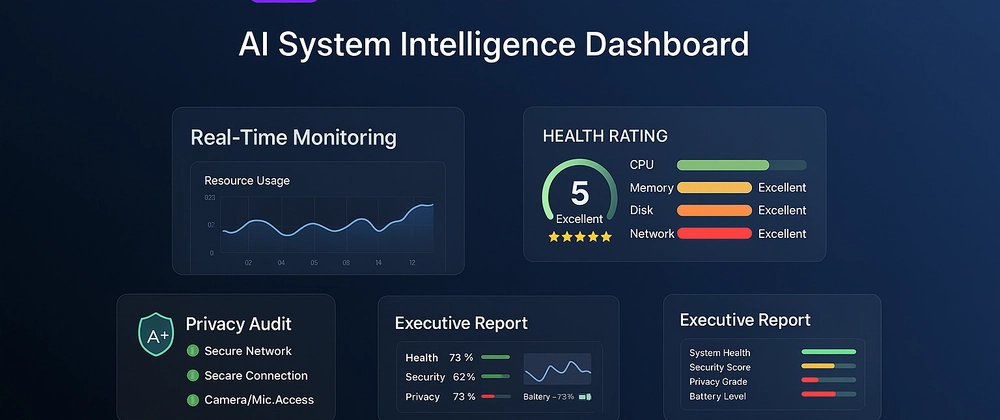
What often gets overlooked in the pursuit of bias mitigation is the operational overhead and the human element involved. For instance, while diversifying data sources is non-negotiable, the practical reality of acquiring truly representative data can be a significant drain on resources. It’s not just about finding new data; it’s about the time and cost of vetting those sources, ensuring data quality, and integrating disparate datasets without introducing new inconsistencies. This often leads to teams either cutting corners or facing substantial delays, creating internal pressure to launch even if data diversity isn’t fully achieved.
Another common pitfall lies in the “continuous monitoring” phase. Establishing feedback loops and conducting regular audits sounds straightforward on paper. In practice, however, teams can become desensitized to negative feedback or find themselves in a difficult position when audit results contradict business objectives. There’s a real human tendency to rationalize away minor discrepancies, especially when addressing them means re-engineering a system that’s already live and generating value. This creates a delayed consequence: small, unaddressed biases accumulate, eventually leading to a more significant, harder-to-resolve problem down the line.
Furthermore, the push for “transparent models” can introduce its own set of complexities. While explainability is valuable for identifying bias, the output of many explainable AI techniques isn’t always clear-cut or easily actionable for a non-specialist. Interpreting model explanations requires specific expertise, and without dedicated resources for this, the insights gained can remain theoretical. This can lead to a situation where teams have the “why” but lack the immediate “what to do next,” creating decision paralysis and adding another layer of operational friction rather than streamlining bias reduction efforts.
Building a Culture of Awareness, Not Just Compliance
Mitigating AI bias isn’t solely a technical challenge; it’s fundamentally a cultural one within your organization.
- Educate Your Team: Provide basic training on what AI bias is, why it matters, and how it can manifest in your specific business context.
- Foster Diverse Perspectives: Ensure that teams involved in AI deployment and monitoring are diverse, bringing different viewpoints to identify potential blind spots.
- Document Decisions: Keep records of why certain data sources were chosen, why models were configured in a particular way, and what bias mitigation steps were taken. This aids transparency and future audits.
By embedding these practices, even small teams can significantly reduce the risks associated with AI bias and build more robust, equitable systems. This isn’t about achieving perfect fairness overnight, but about making deliberate, informed choices that align with your business values and serve all your customers fairly. ethical AI for small business
The Long-Term Payoff of Fair AI
Investing in fair AI systems today pays dividends beyond just avoiding negative consequences. It builds stronger customer relationships, enhances brand reputation, and ultimately leads to more effective and sustainable business growth. Fair AI is smart AI.

Leave a Comment