

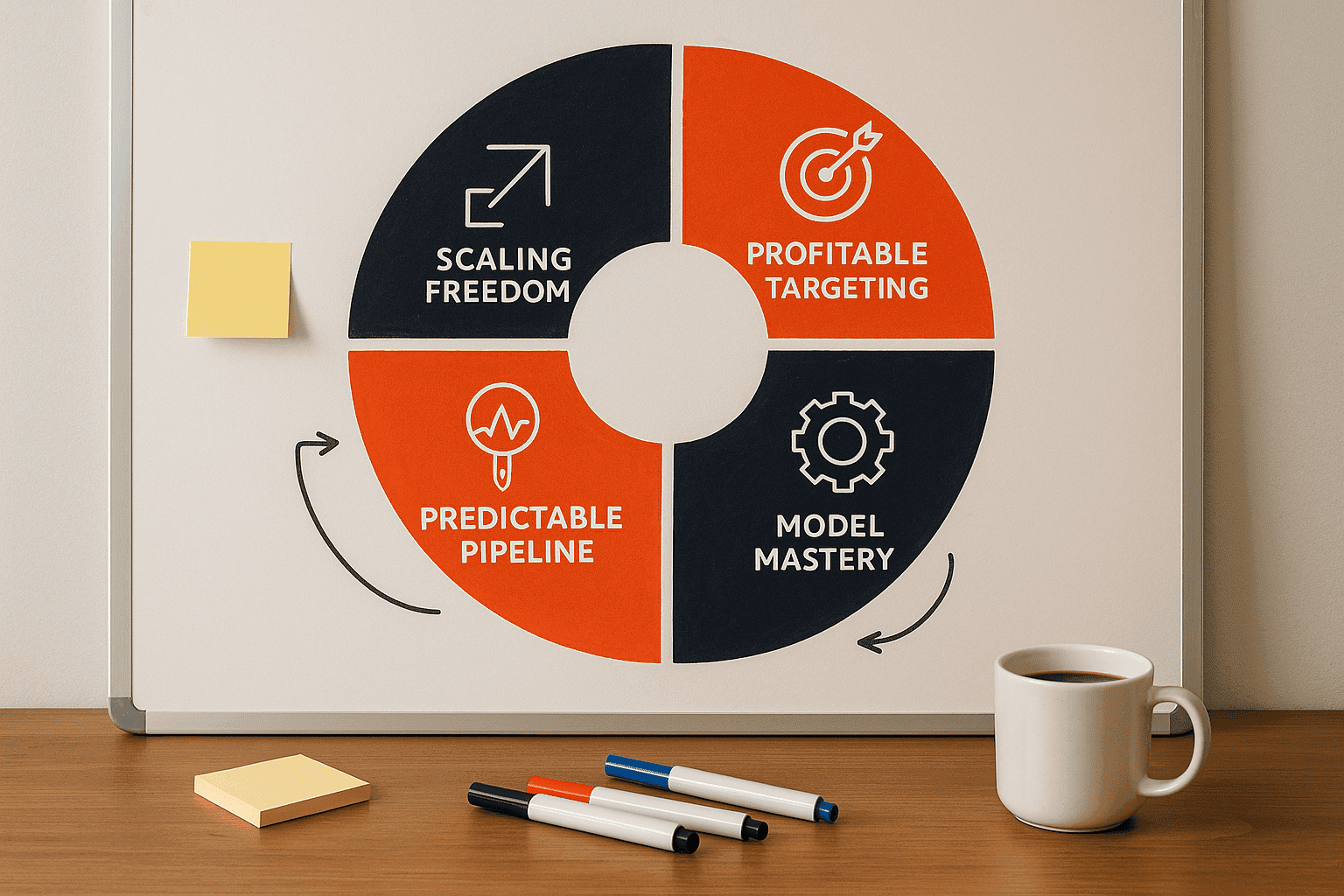
Unlock Predictable Revenue with Subscription Models
For small to mid-sized businesses, the shift to a subscription model isn’t just a trend; it’s a strategic move towards more predictable revenue and sustainable growth. This article cuts through the noise to provide actionable insights on how to implement and scale a subscription offering effectively, even with limited resources. You’ll learn how to make smart decisions about your model, prioritize value delivery, and avoid common pitfalls that drain time and budget.
We’ll focus on practical steps you can take today to build a resilient digital business, emphasizing what truly works for teams operating under real-world constraints. Expect clear guidance on where to invest your effort and what to deprioritize to ensure your subscription venture delivers tangible benefits.
Why Subscription Models Are Critical for SMBs Now
In today’s digital landscape, relying solely on one-off sales creates revenue volatility. Subscription models fundamentally change this by fostering recurring revenue streams, which are invaluable for budgeting, forecasting, and long-term planning. For SMBs, this predictability translates directly into stability, allowing for more confident investment in product development, marketing, and team growth.
Enhanced Customer Lifetime Value (CLV): Subscribers, by nature, engage longer. This extended relationship allows you to deepen value, upsell, and cross-sell over time, significantly increasing the revenue generated from each customer.
Stronger Customer Relationships: A recurring payment implies an ongoing commitment. This encourages businesses to focus on continuous value delivery and exceptional service, building loyalty that transcends transactional interactions.
Operational Efficiency: Predictable demand can streamline inventory management, content creation, and service delivery. Over time, you gain clearer insights into customer behavior, allowing for more targeted and efficient marketing efforts.
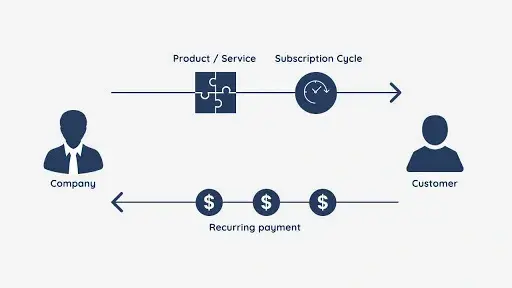
Choosing the Right Subscription Model for Your Business
Not all subscription models are created equal, and the best fit depends on your product, audience, and operational capacity. For SMBs, simplicity and clear value proposition are paramount. Avoid overly complex tiered structures initially.
Access Model: Provides ongoing access to a digital product, service, or content library (e.g., SaaS tools, premium content, online courses). This is often the most straightforward for digital businesses.
Curation Model: Delivers a curated selection of products or content regularly (e.g., digital newsletters, software bundles, personalized recommendations). This works well if your expertise lies in selection and personalization.
Replenishment Model: Automatically sends consumable products or digital assets on a schedule (e.g., stock photos, software licenses, digital templates). Ideal for products with a natural consumption cycle.
Practitioner Judgment: Start with the model that most directly aligns with your core offering and requires the least operational overhead. For many digital SMBs, an access model for a SaaS tool or premium content is the most pragmatic entry point. It minimizes physical logistics and allows you to focus on digital delivery and customer experience.
Even the “simple” access model carries a significant, often overlooked, ongoing commitment. It’s easy to assume that once the initial product is built, the work scales down. In practice, maintaining perceived value requires continuous updates, new features, or fresh content. This isn’t a one-time build; it’s an ongoing development and marketing budget line item that can quickly outpace initial projections, especially if customer expectations rise. The initial choice of an access model can subtly morph into a curation model if you constantly add new, personalized elements to justify the recurring fee, leading to scope creep and operational complexity you weren’t prepared for.
For replenishment models, the theory of predictable consumption often clashes with reality. Customer usage patterns are rarely uniform, leading to either excess inventory and waste or stockouts and frustration. This puts immense pressure on small teams to forecast accurately with imperfect data, often resulting in reactive adjustments that erode profitability or customer loyalty. The perceived simplicity of “sending stuff on a schedule” quickly gives way to complex logistics, inventory management, and customer service challenges around skips, pauses, and returns.
A common temptation is to design a “flexible” model that incorporates elements of multiple types, aiming to capture more market segments. This is a trap for SMBs. Hybrid models introduce exponential complexity in billing systems, customer support protocols, and value communication. What seems like a comprehensive offering on paper often translates into a confusing mess for customers and an unmanageable operational burden for a lean team. Prioritize clarity and operational simplicity over theoretical market coverage; you can always expand later, but untangling a complex initial model is a costly, morale-sapping endeavor.
Prioritizing Value Over Feature Bloat
The biggest mistake an SMB can make is trying to be everything to everyone. Your subscription offering must deliver a clear, undeniable core value proposition. Focus on solving one significant problem exceptionally well for your target audience. Feature bloat, especially in the early stages, dilutes your message, complicates development, and strains limited support resources.
Before adding a new feature, ask: Does this directly enhance the core value for the majority of our subscribers? Does it reduce churn or significantly increase engagement? If the answer isn’t a resounding yes, it’s likely a distraction. Simplicity in your offering makes it easier to market, easier to support, and easier for customers to understand its value.
Operationalizing Your Subscription Service: Key Considerations
Implementing a subscription model requires more than just a pricing page. You need robust systems for billing, customer management, and support.
Billing & Payments: Leverage established subscription management platforms. These handle recurring payments, failed payment recovery, prorated billing, and tax compliance. Don’t try to build this in-house; it’s a complex, regulatory-heavy area. Look for integrations with your existing CRM or accounting software. subscription app marketplace
Customer Onboarding: A smooth onboarding experience is crucial for retention. Clearly communicate how to get started, provide immediate value, and offer accessible support channels. A poor first impression leads to early churn.
Customer Support: Recurring revenue demands recurring support. Invest in clear FAQs, self-service options, and responsive human support. Proactive communication about service updates or potential issues builds trust.

What to Deprioritize or Skip Today
For SMBs, resource allocation is paramount. Today, you should absolutely deprioritize or skip:
Building a Custom Billing System: This is a massive undertaking requiring specialized expertise in finance, security, and compliance. Off-the-shelf solutions are mature, cost-effective, and integrate well. Trying to build your own will consume disproportionate resources and introduce unnecessary risk.
Overly Complex Pricing Tiers: While tempting to segment your market with multiple tiers, starting with one or two clear options reduces decision fatigue for customers and simplifies your marketing and support. You can always add more sophisticated tiers later once you understand your customer segments better.
Chasing Every New Feature Request: While customer feedback is vital, implementing every request without strategic alignment leads to a bloated product that satisfies no one fully. Stick to your core value proposition and roadmap. Prioritize features that address widespread pain points or significantly enhance your unique selling proposition.
Key Metrics for Sustainable Subscription Growth
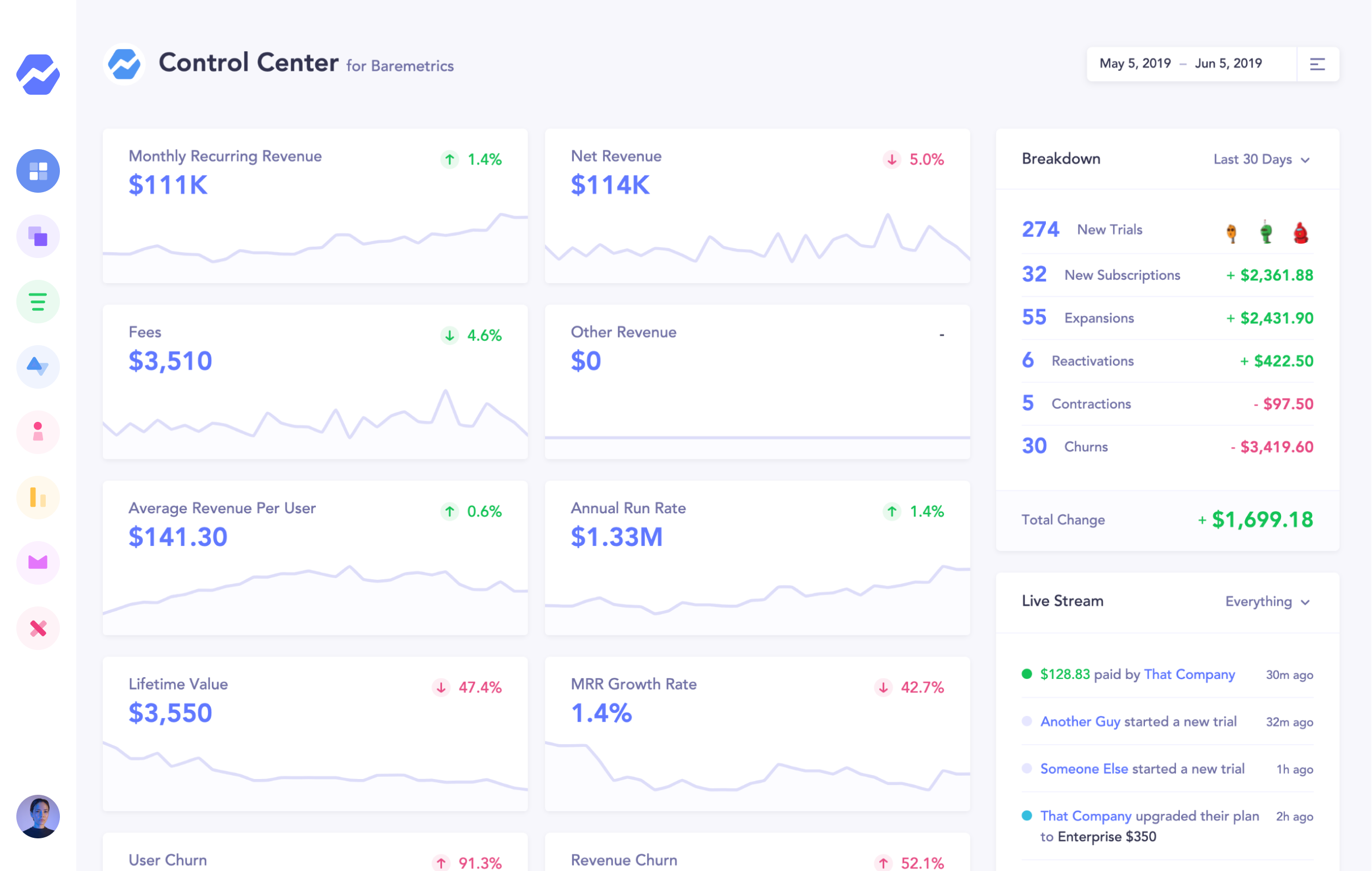
Focus on a few critical metrics that truly reflect the health and growth potential of your subscription business. Don’t get lost in a sea of data points.
Churn Rate: The percentage of subscribers who cancel or don’t renew within a given period. High churn is a red flag indicating issues with value, onboarding, or support. Aim to keep this as low as possible.
Customer Lifetime Value (CLV): The total revenue you expect to generate from a single customer account over their lifetime. A high CLV indicates a healthy, sustainable business model. customer lifetime value calculation
Customer Acquisition Cost (CAC): The cost to acquire one new subscriber. Your CLV should significantly outweigh your CAC for profitability.
Building for Retention from Day One
Retention isn’t an afterthought; it’s baked into your product and customer experience from the very beginning. It’s far more cost-effective to retain an existing customer than to acquire a new one.
Exceptional Onboarding: Guide new users to their first


1 Comment