

Introduction: Cut Through the Noise
For small to mid-sized businesses, social media can feel like a shouting match in a crowded room. With limited time and budget, simply being present isn’t enough. This article cuts through the noise to provide practical, actionable brand strategies that drive real engagement and business value. You’ll learn how to prioritize your efforts, create content that truly resonates, and measure what actually matters, ensuring your social media investment yields tangible returns.
We’ll focus on making smart trade-offs, identifying what to tackle first, and critically, what to deprioritize or avoid entirely to maximize your impact despite real-world constraints.
Understanding Your Real Audience (Not Just Demographics)
Before you post anything, you need to deeply understand who you’re trying to reach. This goes beyond age and location. Think about their daily challenges, their aspirations, and the specific problems your product or service solves for them. Where do they spend their time online? What kind of content do they genuinely engage with, not just passively consume? This insight is the bedrock of effective social media strategy.
- Pain Points & Goals: What keeps them up at night? What are they trying to achieve?
- Online Behavior: Which platforms do they frequent? Are they looking for quick tips, in-depth guides, or community interaction?
- Content Preferences: Do they prefer video, short-form text, infographics, or live discussions?
What’s often overlooked in practice is that this “bedrock” isn’t static. The initial effort to define your audience can feel like a one-time task, but market shifts, new competitor offerings, or even just evolving audience preferences mean this understanding needs regular revisiting. The hidden cost of a static audience profile is a slow, insidious drift in content relevance. Your messages gradually lose their edge, leading to diminishing engagement and wasted resources on content that no longer truly resonates. It’s not just about losing a few likes; it’s the compounding effect of misdirected effort over time that truly hurts.
Another common pitfall is the internal pressure to broaden the audience definition, often driven by a desire to “capture more market” or satisfy multiple internal stakeholders. While well-intentioned, this almost always dilutes your core message. When you try to speak to everyone, you end up speaking effectively to no one. This leads to generic content that lacks the specific resonance needed to cut through the noise. Teams often face frustration when high effort yields low engagement, without realizing the root cause is a lack of precise targeting, not poor execution. For small to mid-sized businesses, committing to a niche, even if it feels restrictive, is almost always more effective than attempting broad appeal.
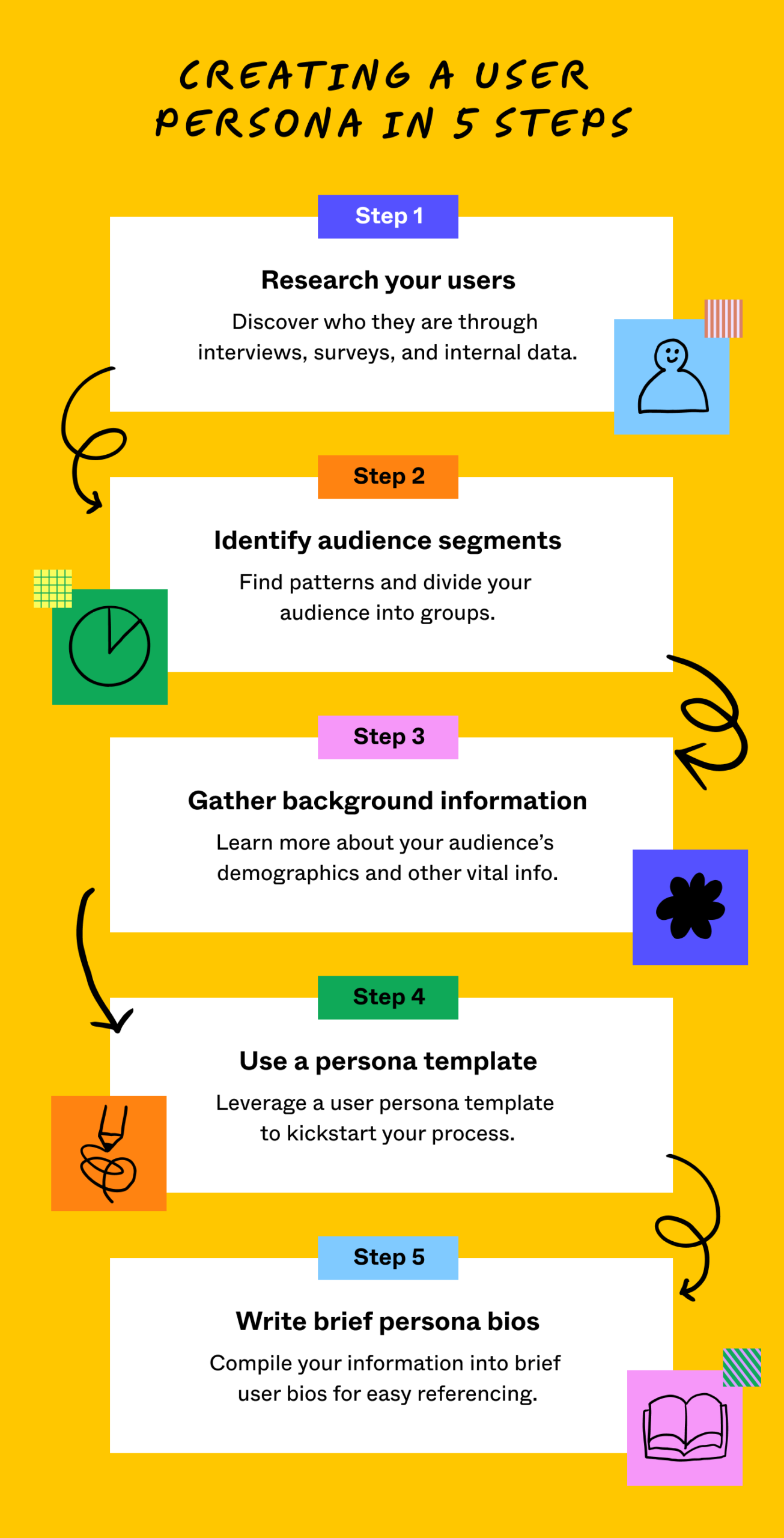
Given these realities, what should be deprioritized? Avoid getting bogged down in creating overly complex, multi-persona documents with exhaustive demographic details that rarely translate into actionable content decisions. While a foundational understanding is critical, spending weeks on theoretical deep dives that gather dust is a common time sink. Instead, focus on the core pain points, aspirations, and online behaviors that directly inform your next three pieces of content. Prioritize iterative learning from actual engagement data over speculative, comprehensive persona development.
The “One-Platform-Deep” Principle
One of the biggest mistakes SMBs make is trying to be everywhere at once. Spreading your limited resources across five or six platforms leads to shallow engagement and diluted impact. Instead, identify the one or two platforms where your target audience is most active and where your brand’s content can truly shine. Commit to mastering those platforms.
Focus on creating high-quality, platform-native content and engaging deeply within those chosen channels. This means understanding the nuances of each platform’s algorithm, content formats, and community expectations. For example, if your audience is primarily on LinkedIn, invest in thought leadership and professional networking. If it’s Instagram, focus on strong visuals and storytelling. This strategic focus allows you to build a strong presence rather than a weak, fragmented one.

What’s often overlooked is that “mastering” a platform isn’t a static achievement. It’s an ongoing commitment to learning and adaptation. Algorithms shift, content formats evolve, and audience expectations change. This means your team needs dedicated time not just for content creation, but for continuous experimentation, analysis, and skill development. For small teams, this constant demand for re-education can become a hidden cost, leading to frustration or, worse, a superficial adherence to old tactics rather than true, responsive engagement.
Another non-obvious pitfall is the risk of tunnel vision. While deep focus is critical, it can sometimes lead to an over-reliance on a single platform’s metrics or a delayed recognition of shifts in the broader digital landscape. If your chosen platform undergoes a significant decline in relevance or a fundamental change that no longer aligns with your audience, the deep investment can become a sunk cost, making it incredibly difficult to pivot. The decision pressure to stick with what you’ve built, even when it’s no longer optimal, can be immense.
To mitigate this, it’s crucial to regularly, albeit briefly, scan the periphery for significant shifts without getting distracted. More importantly, within your chosen platform, resist the urge to chase every new feature or trend. Not every new “reel” format or “story” sticker is a strategic imperative. Prioritize features that directly enhance your core content strategy and audience engagement, and deprioritize those that merely add complexity or dilute your message. The goal is deep impact, not exhaustive feature adoption.
Content That Resonates: Value Over Virality
In 2026, the sheer volume of content means that generic, sales-focused posts are largely ignored. Your content must provide genuine value. This could be educational, entertaining, inspiring, or problem-solving. Think about how you can help your audience, not just what you want to sell them.
- Educate: Share practical tips, how-to guides, industry insights.
- Entertain: Use humor, relatable stories, or engaging visuals.
- Inspire: Share success stories, behind-the-scenes glimpses, or motivational messages.
- Solve Problems: Directly address common customer pain points with solutions.
Prioritize quality over quantity. A few well-crafted, valuable posts will generate more engagement and trust than a constant stream of mediocre content. Repurpose your best content across your chosen platforms, adapting it to each platform’s format and audience expectations.
Engagement is a Two-Way Street: Be Present
Social media isn’t a broadcast channel; it’s a conversation. High-impact engagement comes from actively participating. This means responding to comments and messages, asking questions, running polls, and even engaging with content from other relevant accounts in your niche. Show your audience that there’s a real human behind the brand.
Timely and thoughtful responses build community and loyalty. Don’t just like a comment; reply with a genuine question or a personalized thank you. This active presence signals that you value your audience and are invested in the relationship, not just the transaction.
Measuring What Matters: Beyond Vanity Metrics
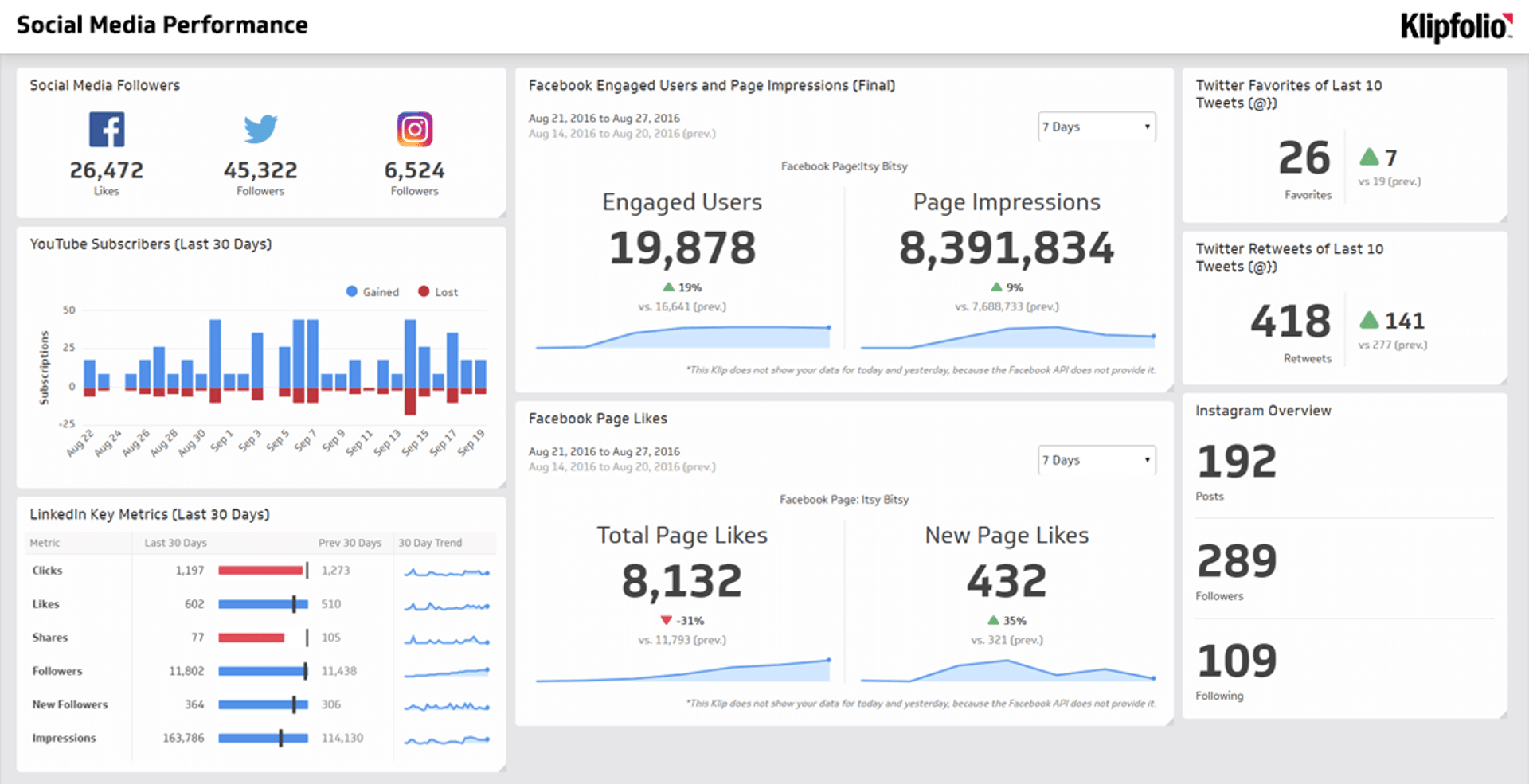
Likes and follower counts are vanity metrics; they don’t directly translate to business growth. For SMBs, focus on metrics that align with your business objectives. Are you trying to drive website traffic, generate leads, or increase sales?
- Website Clicks: How many people are moving from social media to your site?
- Lead Generation: Are your social efforts resulting in sign-ups, inquiries, or downloads?
- Conversion Rate: How many social media visitors are becoming customers?
- Engagement Rate: Beyond likes, look at comments, shares, and saves – these indicate deeper interest.
Use the native analytics tools provided by each platform, or a simple, consolidated dashboard to track these key performance indicators. Regularly review your data to understand what’s working and what isn’t, then adjust your strategy accordingly.
Strategic Deprioritization: What to Skip Today
Given limited resources, knowing what to *not* do is as crucial as knowing what to do. Today, deprioritize chasing every new social media platform or feature that emerges. While it’s wise to monitor trends, immediately jumping on every new app or AI-driven content tool without a clear strategy is a drain on resources with little guaranteed return. Avoid complex, expensive social media management suites if your needs are basic; native platform tools or simpler, affordable alternatives are often sufficient.
Furthermore, skip the pursuit of viral fame at all costs. Content designed solely to go viral often lacks brand relevance and long-term value. Instead, focus on consistent, valuable content for your core audience. Don’t get bogged down in overly polished, agency-level production quality if it means sacrificing authenticity or consistency. Imperfect but genuine content often performs better for SMBs than highly produced, impersonal campaigns.
Building Your Social Media Flywheel
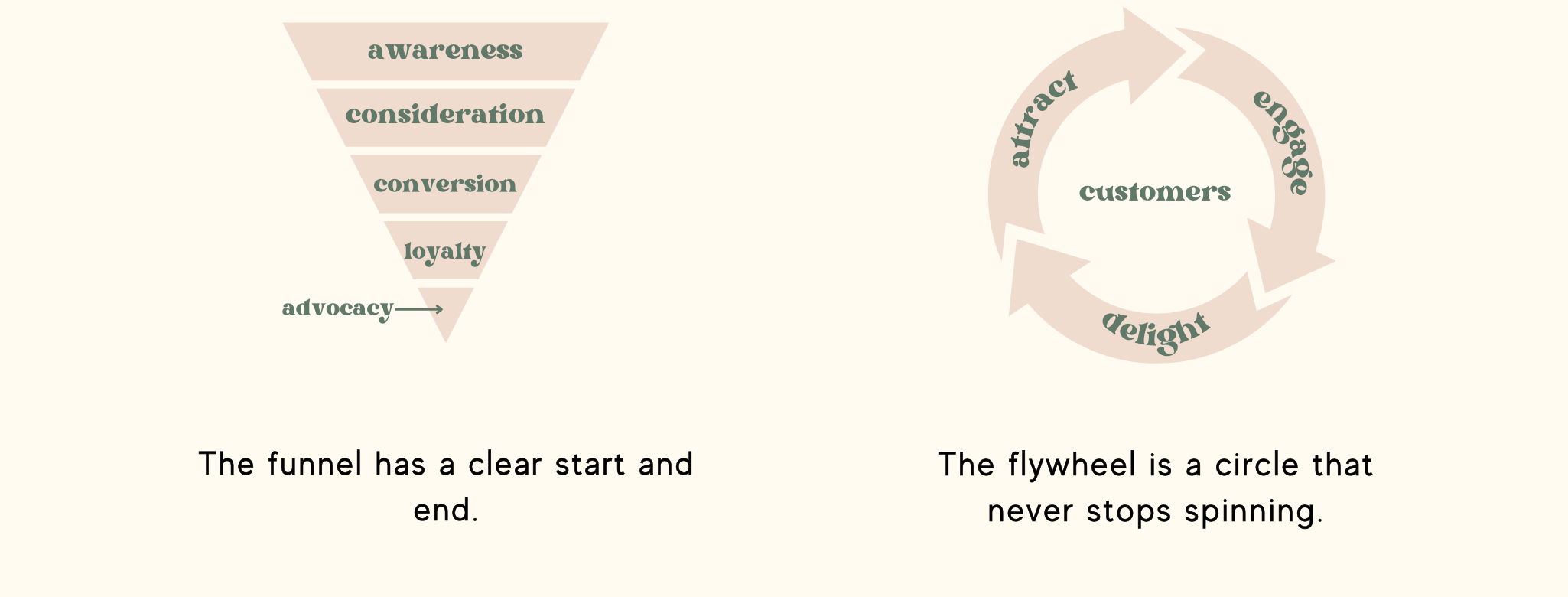
Effective social media engagement isn’t a one-time campaign; it’s a continuous cycle of learning and improvement. Think of it as a flywheel: your efforts in understanding your audience, creating valuable content, and engaging authentically build momentum. This momentum then attracts more engagement, provides more data, and allows you to refine your strategy further.
Regularly review your performance, gather feedback from your audience, and be willing to adapt. The social media landscape evolves, and your strategy should too. This iterative approach ensures your brand remains relevant and continues to drive high-impact engagement over time. social media strategy for small business social media engagement best practices



Leave a Comment