

As AI tools become central to marketing operations, understanding their ethical implications is no longer optional. For small to mid-sized businesses, navigating AI bias and ensuring transparency can seem daunting with limited resources. This article cuts through the complexity, offering pragmatic advice on how to leverage AI ethically, make informed decisions about tool selection, and prioritize actions that protect your brand and build customer trust without overstretching your team.
Understanding AI Bias in Marketing Operations
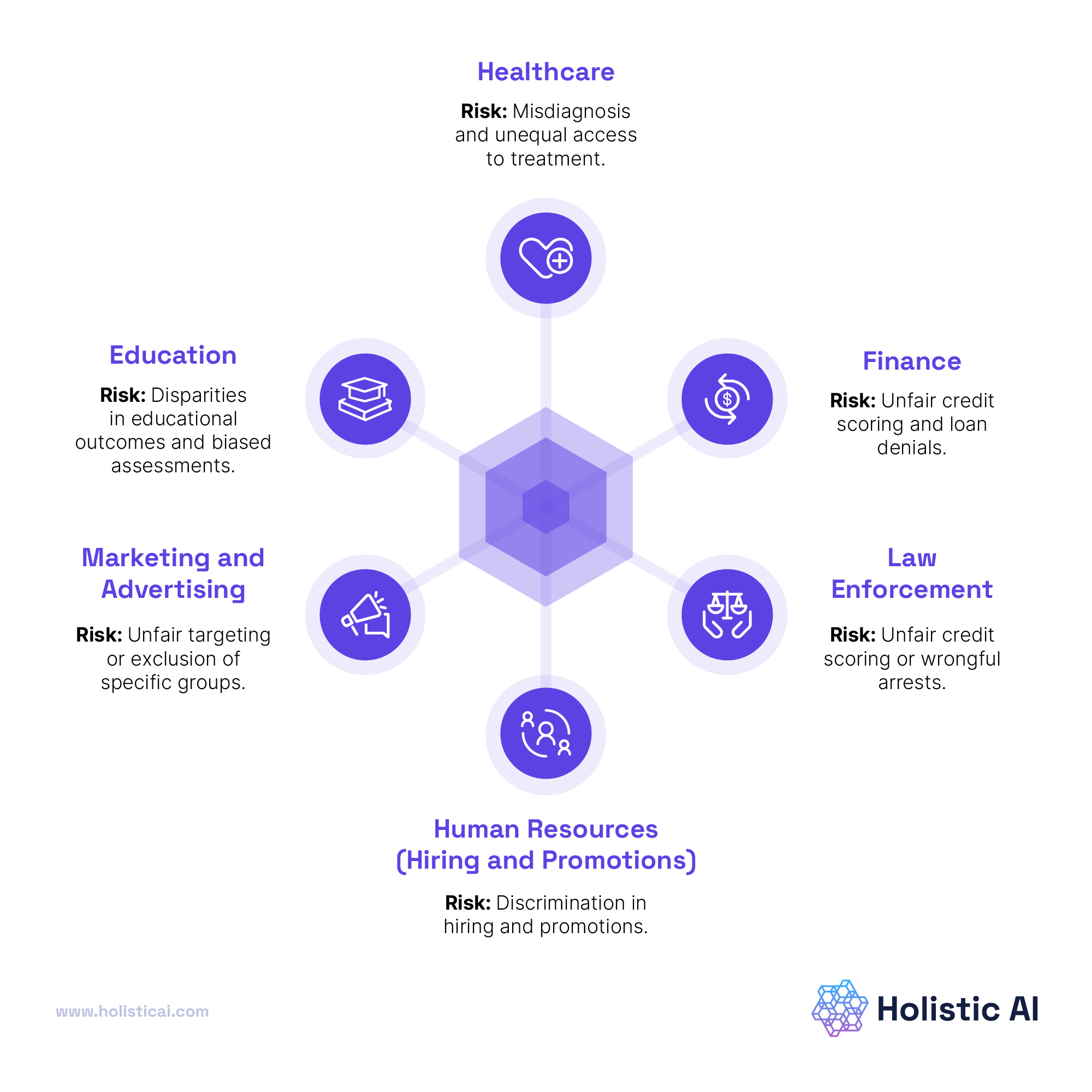
AI bias isn’t an abstract concept; it directly impacts your marketing outcomes. In practice, bias often stems from the data AI models are trained on. If your customer data or the public datasets used by your AI tools disproportionately represent certain demographics or historical patterns, the AI will learn and perpetuate those biases. For instance, an AI-powered ad platform might inadvertently exclude specific audience segments if its training data was skewed, leading to missed opportunities and potentially alienating customers. Similarly, AI content generators can produce biased language or imagery if their source material reflects societal prejudices. Recognizing these potential pitfalls is the first step for any SMB team.
Prioritizing Transparency: Actionable Steps for SMBs
Transparency in AI use builds trust, a critical asset for any business. For SMBs, full algorithmic explainability is often out of reach, but practical transparency is achievable. Start by being clear with your customers when they are interacting with AI, such as chatbots or personalized recommendations. A simple disclosure like ‘You’re chatting with our AI assistant’ goes a long way. Internally, ensure your team understands how AI tools are making decisions, especially those impacting customer experience or ad spend. This doesn’t mean dissecting code, but rather understanding the logic and parameters of the AI’s output. Prioritize tools that offer some level of insight into their decision-making process or allow you to audit their outputs easily. For example, if an AI generates ad copy, review it for tone and inclusivity before deployment.
What’s often overlooked is the long-term maintenance burden. The initial appeal of ‘set it and forget it’ AI tools can mask a future where adapting the system to evolving business rules or customer expectations becomes a significant drain. If the underlying logic isn’t truly understood or documented beyond surface-level parameters, diagnosing and correcting subtle performance drifts or biases turns into a resource-intensive guessing game. This isn’t just about auditing outputs; it’s about having enough insight into the inputs and internal mechanics to proactively manage the AI’s evolution, rather than reactively fixing opaque problems.
Furthermore, simply disclosing AI use to customers, while a good first step, isn’t a silver bullet. It sets an expectation. If the AI consistently underperforms, provides unhelpful responses, or makes errors, that transparency can actually accelerate the erosion of trust. The team then faces the unenviable task of explaining or apologizing for an AI’s shortcomings without full insight into its internal workings. This creates significant human-level frustration and decision pressure, as practitioners are forced to troubleshoot or defend a system whose specific ‘why’ remains largely hidden, often resorting to time-consuming trial-and-error fixes under pressure.
Mitigating Bias with Smart Tool Selection and Data Practices
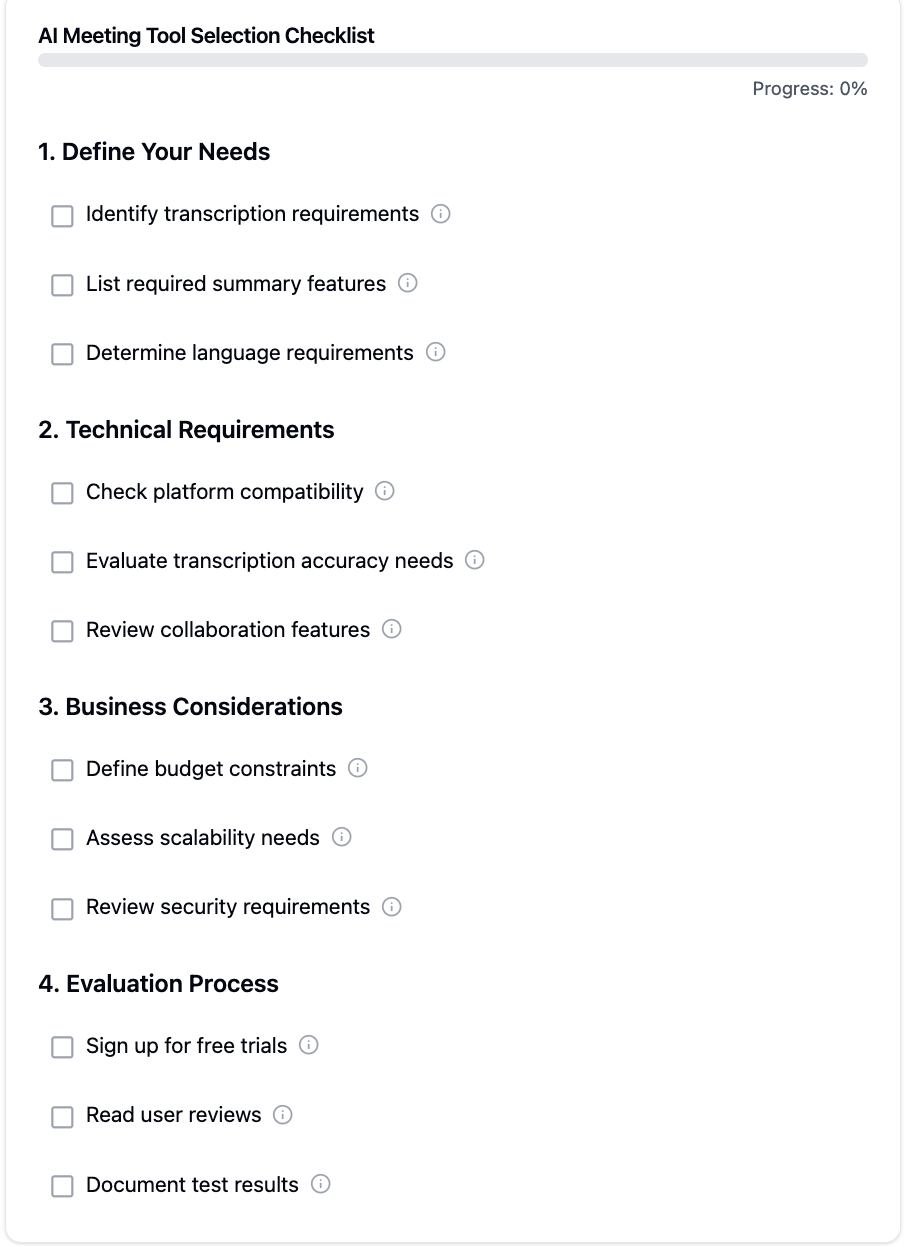
Mitigating AI bias for SMBs largely comes down to two areas: smart tool selection and diligent data practices. When evaluating AI marketing tools, look for features designed to address bias. Some AI content platforms now include built-in bias detection or offer options to diversify output. For ad targeting, leverage platforms that provide granular control over audience segments and allow for A/B testing across different demographics to identify and correct skewed performance. Crucially, focus on the quality and representativeness of your own data. If you’re feeding customer data into an AI for personalization, ensure that data is as diverse and accurate as possible. Regularly audit your customer segments and campaign results for unintended exclusions or underperformance in specific groups. This proactive approach helps catch issues before they escalate.
- Data Audits: Periodically review your customer data for demographic gaps or overrepresentation that could lead to biased AI outputs.
- Tool Features: Opt for AI tools that offer bias detection, output diversification, or transparent parameter controls.
- A/B Testing: Use A/B testing across different audience segments to identify and correct biased campaign performance.
Even with tools offering bias detection or transparent controls, the practical challenge often shifts from identifying bias to interpreting and acting on it. A ‘bias score’ or a flag indicating underrepresentation doesn’t automatically prescribe a solution. Small teams, already stretched thin, can find themselves in analysis paralysis, unsure if the identified bias is significant enough to warrant a complete campaign overhaul, or how to rebalance data without introducing new, unintended distortions. This isn’t a one-time fix; data quality and representativeness are moving targets. Customer demographics evolve, new acquisition channels bring different profiles, and what was representative last quarter might subtly reintroduce bias this quarter, demanding continuous, resource-intensive monitoring that’s easy to deprioritize.
Furthermore, while A/B testing helps correct skewed performance, it often optimizes for immediate conversion metrics. The risk here is that a ‘successful’ A/B test might simply find the most efficient way to convert a subset of your potential audience, inadvertently reinforcing a narrow view of your customer base over time. This can lead to a self-fulfilling prophecy where future marketing efforts are increasingly tailored to the already-performing segments, neglecting growth opportunities in underserved groups. The pressure to hit short-term KPIs often overshadows the long-term strategic imperative of broad market appeal and equitable customer experience, making it a tough trade-off for teams operating under tight deadlines and budget constraints.
What to Deprioritize (and Why) Today
For small to mid-sized teams, the landscape of AI ethics can feel overwhelming, leading to analysis paralysis. Currently, you should deprioritize building custom, in-house AI ethics frameworks or attempting to develop your own sophisticated bias detection algorithms from scratch. These initiatives demand significant R&D budgets, specialized AI/ML engineering talent, and legal expertise that most SMBs simply don’t possess. Focusing on these complex, resource-intensive tasks will divert critical resources from more impactful, immediate actions. Instead, channel your efforts into leveraging the ethical features already built into commercial AI tools, improving your data quality, and establishing clear internal guidelines for AI use. These practical steps offer a much higher return on investment for your limited time and budget.
Cultivating an Ethical AI Mindset for Sustainable Growth
Beyond specific tools and tactics, fostering an ethical AI mindset within your team is paramount for long-term success. This means viewing AI not just as a technology, but as a partner that requires careful guidance and oversight. Encourage critical thinking about AI outputs: ‘Does this ad copy truly resonate with all our target segments?’ or ‘Are these personalized recommendations fair and inclusive?’ Regular training for your marketing team on the basics of AI bias and ethical considerations can empower them to identify potential issues. Establish clear internal policies for AI use, especially concerning data privacy and customer communication. This proactive, judgment-driven approach ensures that as AI evolves, your business remains agile, trustworthy, and aligned with customer expectations. It’s about embedding ethical considerations into your daily workflow, not treating them as an afterthought. AI marketing strategy for small business


3 Comments