

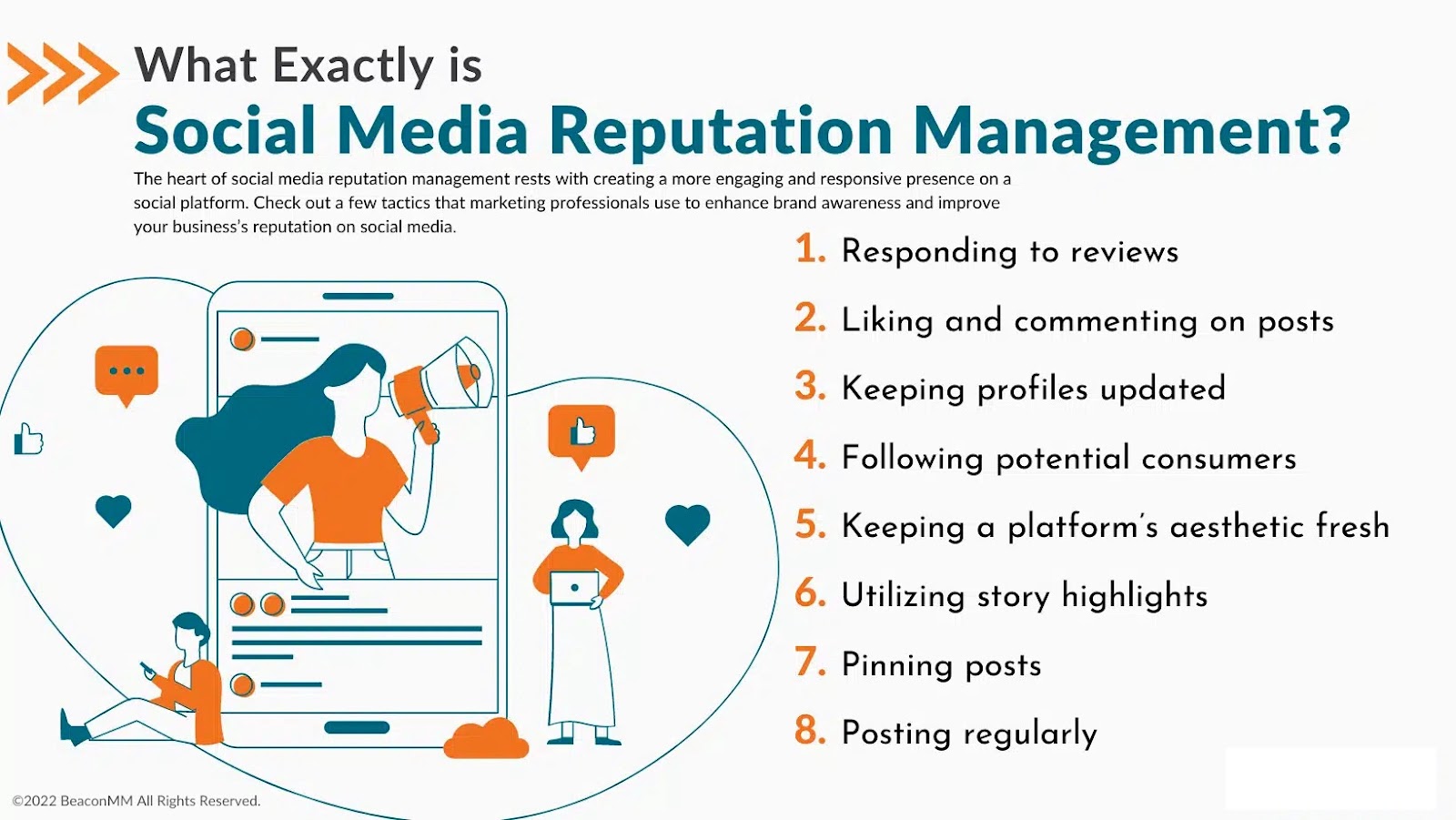
The Reality of Social Media Reputation Today
In early 2026, social media isn’t just a marketing channel; it’s a primary public forum for customer service, feedback, and, inevitably, criticism. For small to mid-sized businesses with lean teams and tight budgets, managing this isn’t about perfection; it’s about smart, proactive defense. This article cuts through the noise to give you actionable strategies to monitor, respond, and build resilience, ensuring you protect your brand without overextending your resources.
You’ll learn where to focus your limited time for maximum impact, what tools offer the best bang for your buck, and crucially, what common advice you can safely deprioritize. Our goal is to equip you with a pragmatic framework to safeguard your brand’s standing, allowing you to maintain trust and focus on growth.
Prioritizing Proactive Monitoring
Effective reputation management starts with knowing what’s being said about you. For lean teams, this isn’t about expensive enterprise tools. It’s about smart, consistent listening. Your first priority should be setting up simple, reliable monitoring. This means tracking your brand name, product names, key personnel, and relevant industry keywords across the platforms where your audience is most active.
- Google Alerts: Free and effective for web mentions, news, and blogs. Set up alerts for your brand name and key products.
- Native Platform Notifications: Leverage built-in notification systems on platforms like Facebook, Instagram, LinkedIn, and X (formerly Twitter) for direct mentions, comments, and messages.
- Simple Social Listening Tools: Consider freemium or low-cost tools that aggregate mentions. Focus on those that offer basic keyword tracking and sentiment analysis, not comprehensive competitive intelligence.
The goal here is early detection. A small issue can escalate rapidly if left unaddressed. Regular, even daily, checks are more valuable than sporadic deep dives.
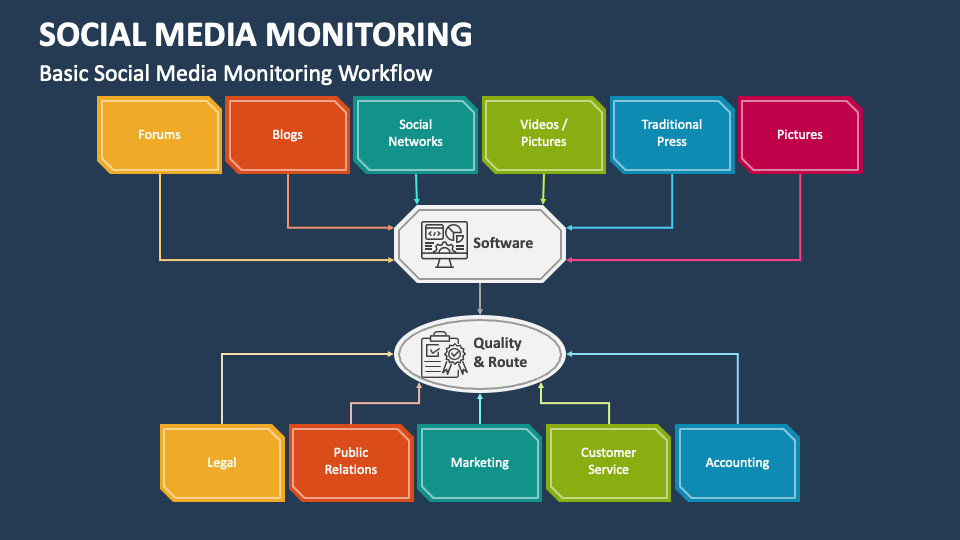
Setting up these monitoring systems is the easy part. The hidden cost often emerges in the follow-through. Teams can quickly become overwhelmed by the sheer volume of notifications, especially if keywords are too broad or if they’re tracking across many platforms. This leads to ‘alert fatigue,’ where critical mentions get lost in the noise, or the team simply stops checking consistently. The theoretical benefit of early detection is nullified if the practical workflow for processing and acting on these alerts isn’t sustainable.
Another common pitfall is inconsistent execution. A system that’s checked sporadically provides a false sense of security. When a genuine issue arises, the team is often caught flat-footed, having missed early warning signs because the “daily check” became a weekly or monthly one. This reactive scramble not only increases stress but also forces hurried, less strategic responses, often amplifying the problem rather than containing it. The downstream effect is a loss of trust and a perception of unresponsiveness, which can be harder to recover from than the initial incident itself.
For lean teams, it’s crucial to understand what to deprioritize. While comprehensive monitoring is the goal, don’t get bogged down in tracking every single niche keyword or engaging with every minor, non-critical mention, especially from known trolls or irrelevant sources. The initial phase should focus on identifying significant shifts in sentiment or direct, actionable feedback. Chasing every minor comment or trying to “win” every online argument will quickly deplete limited resources and distract from addressing truly impactful issues. Prioritize the signal over the noise to maintain focus and avoid burnout.
Developing Your Response Protocol
Once you detect a mention, especially a negative one, your response is critical. Speed matters, but accuracy and empathy matter more. Don’t rush a response that’s ill-informed or defensive. Your protocol should cover:
- Acknowledgement: Always acknowledge the comment quickly, even if it’s just to say you’re looking into it. “Thank you for reaching out, we’re reviewing this and will get back to you shortly.”
- Internal Escalation: Define who on your team handles different types of issues. A simple flowchart can guide this. Is it a customer service issue? A product complaint? A legal concern?
- Tone and Language: Maintain a professional, empathetic, and solution-oriented tone. Avoid jargon. Apologize when appropriate, but don’t admit fault prematurely.
- Taking it Offline: For complex or sensitive issues, always try to move the conversation to a private channel (DM, email, phone). Public forums are for initial acknowledgment and resolution confirmation, not detailed problem-solving.
Remember, your response isn’t just for the individual; it’s for everyone else watching. A well-handled complaint can turn a detractor into a loyal customer and demonstrate your brand’s commitment to service.
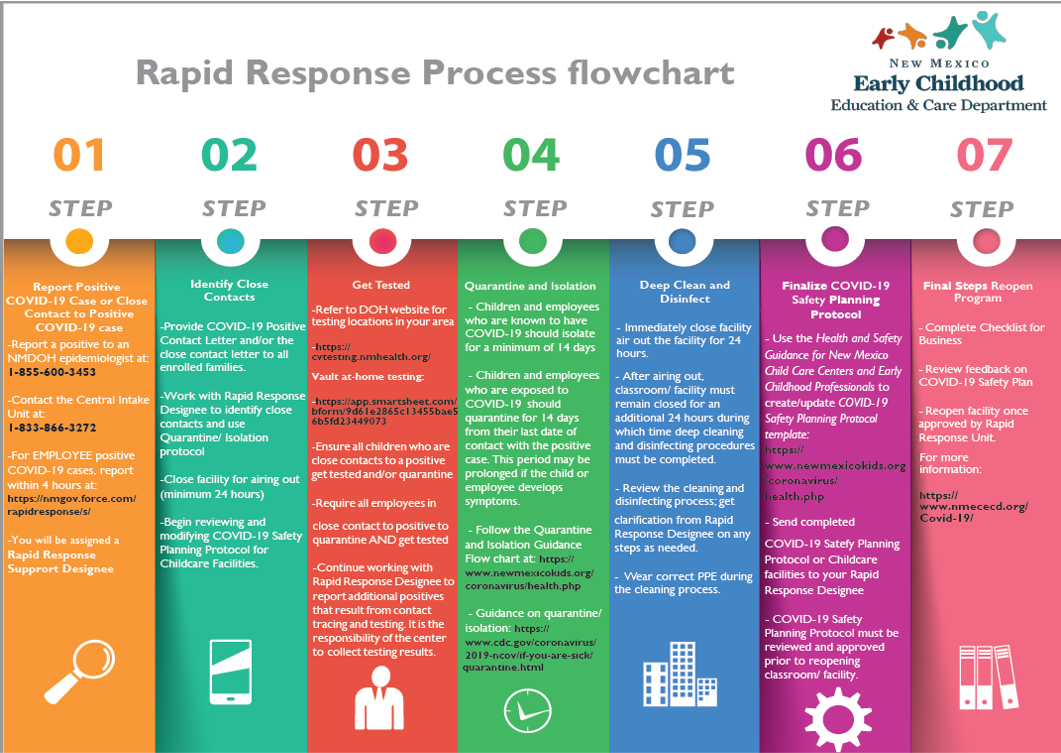
While the protocol provides a framework, the real friction often emerges in its execution. Internal escalation, for instance, is rarely as smooth as a flowchart suggests. Small teams frequently face a bandwidth crunch, where the urgent need to address a public complaint clashes with ongoing operational demands. This internal delay, often invisible to the customer, places immense pressure on the front-line responder who has already made a public acknowledgment. The initial ‘we’re looking into it’ buys time, but if the internal machinery grinds slowly, that goodwill quickly erodes, leading to a second wave of frustration for both the customer and your team.
Furthermore, the act of ‘taking it offline’ is often mistaken for resolution itself. In practice, if the private conversation doesn’t lead to a genuinely satisfactory outcome, or if that resolution isn’t subtly acknowledged back in the public forum (e.g., ‘Glad we could connect privately and resolve this for you’), the initial public complaint can fester. Other customers observing the interaction might interpret the lack of a visible resolution as a failure, leading to a ripple effect where similar concerns surface or existing customers lose confidence. This creates an ‘echo chamber’ effect, where an unaddressed public complaint, even if handled privately, can attract more negative sentiment, undermining the very trust you aimed to build.
For small to mid-sized businesses, it’s tempting to over-engineer complex, multi-stage protocols or invest heavily in AI-driven initial responses. While efficiency is good, deprioritize any solution that sacrifices genuine human engagement for speed alone. A highly automated initial acknowledgment without a clear, human-driven path to resolution can feel impersonal and dismissive, exacerbating frustration rather than alleviating it. Focus on building a lean, effective human-led process first, even if it means slightly less immediate ‘speed’ on the initial touch. The quality of the eventual resolution and the empathy conveyed are far more impactful than shaving a few minutes off the first reply.
Building Brand Resilience Through Content
The best defense against reputation damage is a strong, positive brand presence. This isn’t about burying negative comments; it’s about building a robust foundation of positive content and community engagement that can absorb occasional shocks. Consistently share valuable, authentic content that resonates with your audience. Encourage positive reviews and user-generated content.
- Showcase Customer Success: Highlight positive customer stories, testimonials, and case studies.
- Engage Proactively: Don’t just post; respond to comments, ask questions, and foster a sense of community.
- Educate and Inform: Position your brand as a helpful resource in your industry. This builds authority and trust.
A strong positive presence acts as a buffer. When a negative comment surfaces, a history of positive interactions and content can help contextualize it and prevent it from dominating your brand’s overall perception. building brand authority social media
What to Deprioritize and Why
For small and mid-sized teams, the temptation to do everything is strong, but resources are finite. Today, you should deprioritize or completely skip investing heavily in “sentiment analysis” tools that promise deep AI-driven insights into public mood. While these tools are sophisticated, their accuracy for nuanced, context-specific brand mentions can be unreliable for SMBs, often requiring significant human oversight to correct misinterpretations. The cost-benefit simply isn’t there when your budget is tight. Instead, focus on direct monitoring and manual review, which, while more labor-intensive, provides more accurate and actionable insights for your specific context.
Similarly, avoid chasing every trending social media challenge or platform unless it directly aligns with your core audience and brand message. Spreading your efforts too thin across too many platforms or irrelevant trends dilutes your impact and drains resources that could be better spent on consistent engagement where your audience truly lives. Focus on depth over breadth.
Leveraging AI for Efficiency (Carefully)
AI tools are evolving rapidly and can offer efficiency gains, but they are not a silver bullet. For reputation management, consider using AI to:
- Draft Initial Responses: AI can generate polite, professional first drafts for common queries or complaints, saving your team time. Always review and personalize these.
- Summarize Mentions: If you’re using a more advanced monitoring tool, AI might help summarize large volumes of mentions, pointing out key themes.
- Content Idea Generation: AI can help brainstorm proactive content ideas that reinforce your brand’s positive image.
Crucially, AI should augment, not replace, human judgment and empathy. A poorly worded AI response can do more harm than good. Use it as a productivity booster, not a fully autonomous agent for sensitive brand interactions.
The Ongoing Nature of Reputation Management
Social media reputation management isn’t a one-time project; it’s an ongoing commitment. The digital landscape, platform algorithms, and public sentiment are constantly shifting. Regularly review your monitoring setup, update your response protocols, and analyze what types of content resonate most with your audience. Treat it as an iterative process of learning and adaptation. Your brand’s reputation is a living asset that requires continuous care and attention.



2 Comments