


Navigating social media today means more than just posting content; it means actively protecting your brand’s reputation and fostering a healthy online community. For small to mid-sized businesses, this isn’t about having a massive security team, but about smart, proactive strategies that prevent issues from escalating. This article will equip you with actionable steps to secure your social presence, manage potential risks, and maintain a positive brand image, even with limited time and budget.
You’ll gain clarity on which safety measures deliver the most impact for your resources, what to prioritize immediately, and what can realistically be put on the back burner. Our focus is on practical implementation that works under real-world constraints, ensuring your brand remains resilient in the dynamic social landscape.
Establishing Your Social Media Safety Foundation
Before any major incident, your brand needs a basic safety net. For SMBs, this means prioritizing foundational elements that offer the most protection for the least effort. Don’t overcomplicate it; focus on clarity and accessibility for your team.
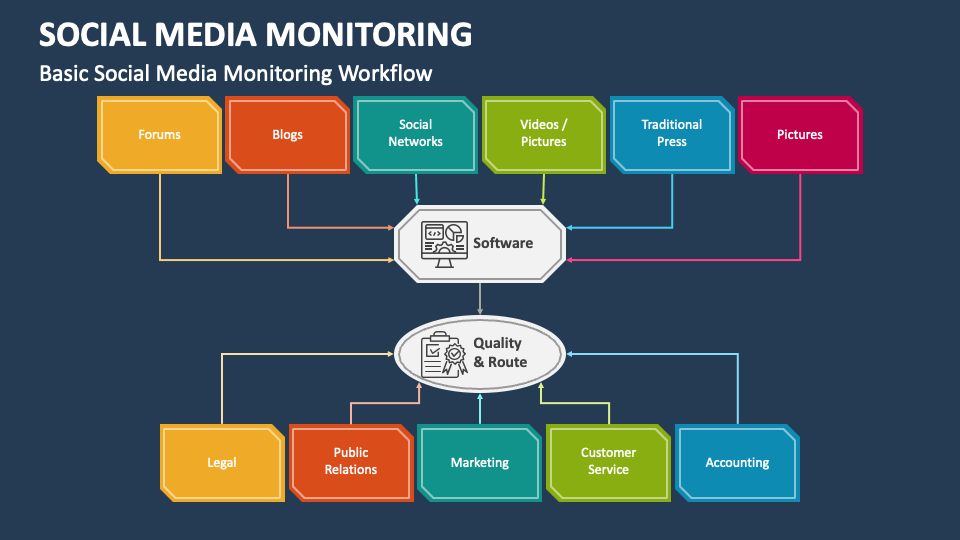
- Proactive Monitoring: This is your early warning system. You don’t need expensive tools to start. Set up Google Alerts for your brand name, key product names, and leadership. Use native platform analytics to track mentions. For a step up, consider affordable social listening tools that can track keywords across platforms. The goal is to catch negative sentiment or direct attacks before they spiral.
- Clear Community Guidelines: Publish these prominently on your social profiles and website. These guidelines set expectations for user behavior and give you a clear basis for moderation. They should cover acceptable content, prohibited actions (e.g., hate speech, spam, personal attacks), and consequences for violations. This isn’t just for users; it empowers your team to act consistently.
- Basic Crisis Response Plan: Even a one-page document is better than none. Identify who on your team is responsible for monitoring, who drafts responses, and who has final approval. Outline a simple communication flow for different types of incidents – from a single negative comment to a widespread issue. Knowing who does what under pressure is invaluable.
Prioritizing Proactive Monitoring and Rapid Response
For small teams, the biggest win comes from early detection and swift, appropriate action. You can’t respond to what you don’t know about, and slow responses often amplify problems. Make monitoring a daily habit, even if it’s just fifteen minutes.
Start with simple searches on your primary platforms and review your Google Alerts. If you spot an issue, assess its severity quickly. Is it a misunderstanding, a legitimate complaint, or a malicious attack? Your response should be tailored. For legitimate complaints, acknowledge, apologize if appropriate, and offer to move the conversation to a private channel. For malicious content or spam, follow your community guidelines and platform rules for removal or blocking.
Remember, a quick, empathetic, and professional response can often de-escalate a situation before it gains traction. Delaying a response, or worse, ignoring an issue, almost always makes it worse.
What often gets overlooked in the push for daily monitoring is the difference between checking a box and truly understanding the sentiment. Simple searches can become rote, leading to a false sense of security. The real risk isn’t just missing an obvious fire, but failing to notice the smoke signals of a brewing issue, like a subtle shift in customer frustration or a recurring minor complaint that indicates a systemic problem.
While tailoring responses is critical, the practical challenge lies in maintaining consistency across a team. Without clear, documented protocols for different issue types, individual team members might respond based on their own judgment or immediate pressure. This inconsistency can erode brand trust over time, create confusion for customers, and even lead to internal friction as team members second-guess each other’s approaches. The short-term efficiency of an ad-hoc response often creates long-term brand fragmentation.
The emphasis on rapid response, while generally sound, can also create a different kind of pressure. In the heat of the moment, the drive to be fast can sometimes override the need to be thorough or fully informed. This can lead to rushed apologies that don’t address the root cause, or defensive reactions that escalate rather than de-escalate. Teams often face the difficult trade-off between speed and accuracy, and choosing speed without sufficient context can turn a manageable issue into a larger PR headache.
Building a Resilient Online Community
Your community is your first line of defense and your biggest asset. Fostering a positive environment naturally deters negative behavior and encourages supportive interactions. This isn’t about censorship, but about curation.
- Consistent Moderation: Apply your community guidelines fairly and consistently. Remove content that violates rules, but also engage with positive contributions. Show your community that you’re present and attentive.
- Constructive Engagement with Feedback: Not all negative comments are attacks. Many are legitimate criticisms or suggestions. Respond thoughtfully, thank users for their input, and explain your position or what steps you’re taking. This builds trust and shows your brand values its customers’ opinions.
- Empower Positive Engagement: Encourage your loyal customers to share their experiences. User-generated content can be a powerful counter-narrative to any negativity and builds a stronger sense of community.
What often gets overlooked is the downstream effect of inconsistent moderation. It’s not just about missing a few bad comments; it’s about slowly eroding the community’s trust in your commitment to its well-being. When rules are applied subjectively, or when the team is perceived as playing favorites, members become hesitant to participate. This chilling effect means fewer positive contributions, less genuine discussion, and a community that feels less like a safe space and more like a minefield where the rules are unclear until you step on one. The hidden cost here is the loss of organic engagement and the slow disengagement of your most valuable, loyal members.
Similarly, the concept of “constructive engagement with feedback” sounds straightforward in theory, but in practice, it can be a significant drain on limited team resources. It’s easy to underestimate the emotional labor involved in consistently responding to criticism, even when it’s legitimate. Teams often face a deluge of feedback, some valid, some less so, and the pressure to craft thoughtful, timely responses can lead to burnout. This often results in delayed replies or superficial acknowledgments, which then backfire, making the community feel unheard despite the initial good intentions. The ideal of thoughtful engagement clashes with the reality of limited headcount and competing priorities, forcing difficult trade-offs.
Finally, while empowering positive engagement is crucial, relying too heavily on your most loyal customers to be the primary counter-narrative can have delayed consequences. It risks creating an unspoken expectation that these members will always step up to defend the brand or police the community. Over time, this can lead to resentment if they feel unsupported or overburdened, eventually causing them to disengage. The community then loses its most passionate advocates, and the brand loses a critical feedback loop. True resilience comes from the brand actively participating in and supporting its community, not just delegating the heavy lifting to its users.
What to Deprioritize and Why
With limited resources, you must make hard choices. Today, small to mid-sized businesses should deprioritize investing heavily in advanced, AI-driven sentiment analysis tools or overly complex legal review processes for every single social media post. While these tools offer sophisticated insights and legal safeguards for large enterprises, their cost and operational complexity often outweigh the immediate benefit for smaller teams. Your budget is better spent on consistent, manual monitoring and a clear, actionable crisis plan. Over-engineering your social media safety can lead to analysis paralysis and divert resources from core business activities that actually drive growth. Focus on what’s effective and manageable, not what’s comprehensive for a Fortune 500 company.
Leveraging Platform-Specific Safety Features
Each social media platform offers built-in tools designed to help users and brands manage their presence and safety. Don’t overlook these; they are often free and highly effective.
- Privacy and Security Settings: Regularly review and optimize your brand’s page settings. Control who can post to your page, tag your content, or send direct messages. Ensure two-factor authentication is enabled for all team accounts to prevent unauthorized access.
- Reporting and Blocking Tools: Understand how to report abusive content, spam, or impersonation accounts directly to the platform. These tools are your direct line to platform support for serious violations. Use blocking and muting features judiciously to manage individual problematic accounts without escalating public confrontations.
- Content Filters: Many platforms allow you to filter out specific keywords or phrases from comments on your posts. This can be a useful proactive measure to reduce the visibility of spam or common negative terms, though it requires careful management to avoid filtering out legitimate feedback.
Sustaining Brand Trust in a Dynamic Environment
Social media is constantly evolving, and so are the risks. Protecting your brand isn’t a one-time setup; it’s an ongoing process of review and adaptation. Regularly revisit your community guidelines, crisis plan, and monitoring strategies. What worked last year might need adjustment today. Stay informed about new platform features and emerging online trends that could impact your brand’s safety. By maintaining vigilance and a pragmatic approach, your brand can not only survive but thrive in the ever-changing social landscape.


Leave a Comment