


Introduction: Navigating the Dynamic Social Landscape
In late 2025, social media is no longer just a marketing channel; it’s a critical ecosystem for business growth, brand building, and customer engagement. The landscape continues to evolve rapidly, demanding more than just a presence. Businesses must adopt strategic, data-driven approaches to not only maintain relevance but to achieve measurable growth and drive revenue.
This comprehensive guide from MarketingPlux delves into the essential strategies for mastering social media growth. We’ll explore how to leverage current trends, harness the power of AI, optimize content, and build genuine communities to ensure your social media efforts translate into tangible business success.
Understanding the Evolving Social Landscape
The social media environment currently prioritizes authentic engagement, short-form video, and interactive experiences. Platforms are increasingly pushing content from niche communities and creators, shifting away from broad, one-way broadcasting. Users expect personalized content and direct interaction, making genuine connection more valuable than ever.
Furthermore, the rise of new features and the continuous refinement of algorithms mean that agility is paramount. Businesses must stay informed about platform-specific nuances, user behavior shifts, and emerging content formats to maintain visibility and effectively reach their target audiences.

Defining Your Strategic Social Media Objectives
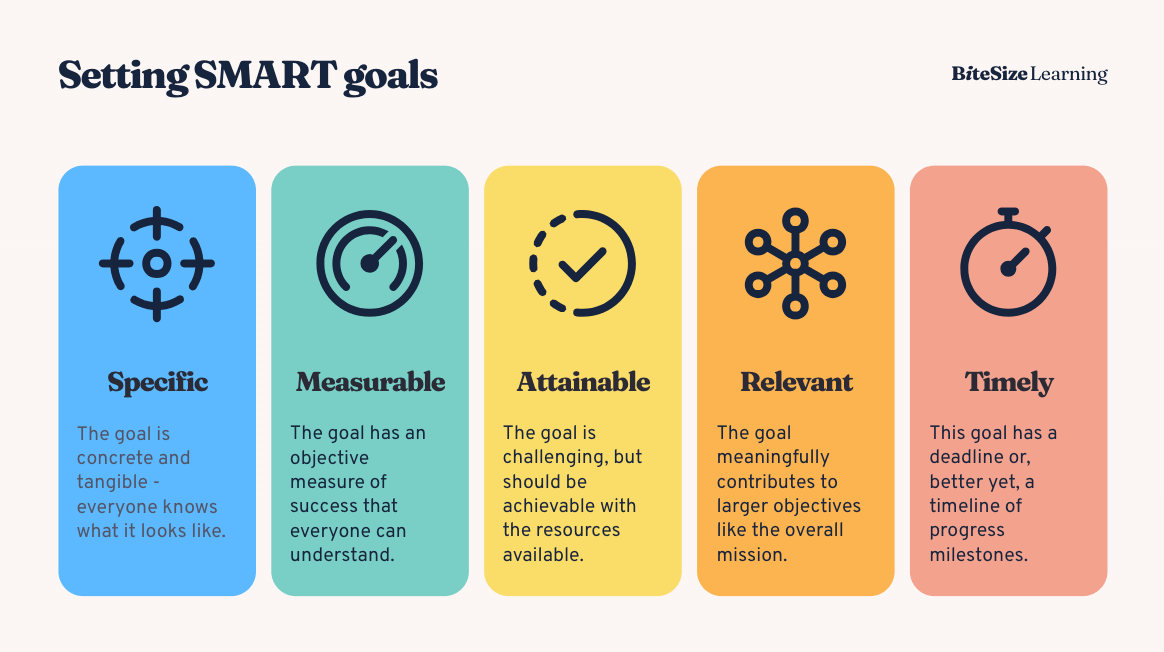
Effective social media growth begins with clearly defined, measurable objectives that align directly with your overarching business goals. Simply aiming for more followers is insufficient; instead, focus on outcomes like lead generation, website traffic, brand sentiment improvement, or customer retention. Each objective should be SMART: Specific, Measurable, Achievable, Relevant, and Time-bound.
For instance, an objective might be: “Increase qualified leads generated via LinkedIn by 15% within the next six months” or “Boost brand mentions and positive sentiment on X (formerly Twitter) by 20% in Q1 2026.” These specific goals provide a clear roadmap for your social media activities and allow for accurate performance tracking.
Audience-Centric Content Strategy
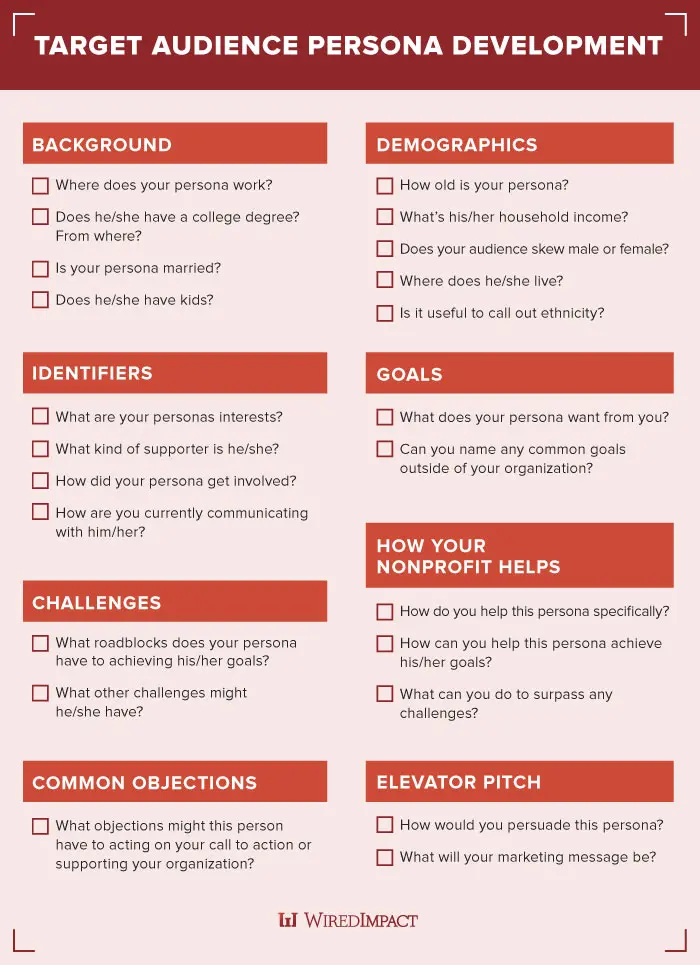
At the core of successful social media growth is an in-depth understanding of your target audience. This involves more than just demographics; it requires delving into psychographics, pain points, preferred content formats, and the platforms they frequent. Your content must consistently deliver value, whether it’s educational, entertaining, inspirational, or directly solves a problem for your audience.
Experiment with diverse content formats, including short-form video (Reels, TikToks), interactive polls, carousels, live streams, and user-generated content (UGC). Develop content pillars that reflect your brand’s expertise and audience interests, ensuring a consistent yet varied content calendar.
Leveraging Data for Performance Optimization
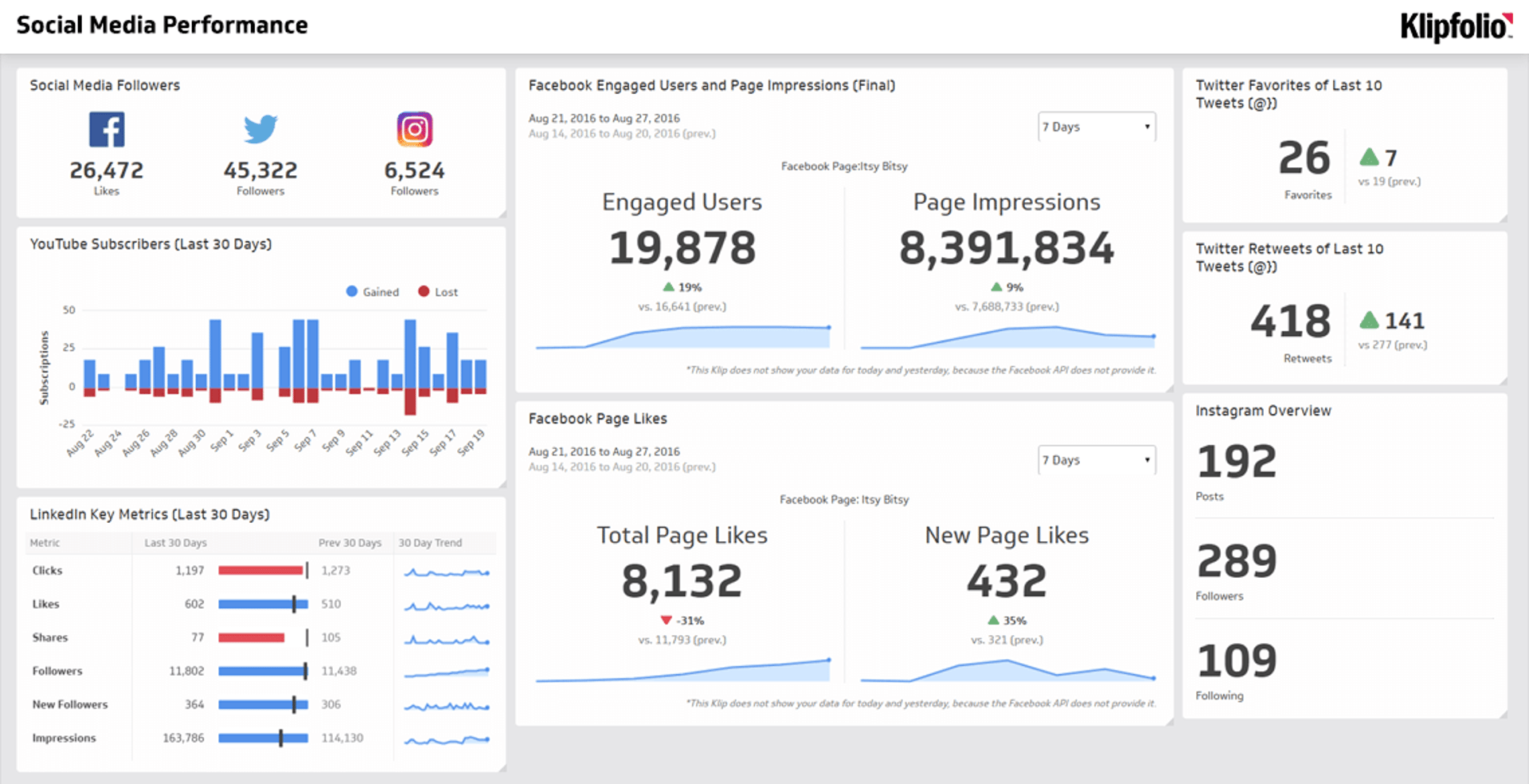
Data is the backbone of intelligent social media growth. Regularly dive into platform analytics to understand what content resonates, when your audience is most active, and which posts drive the most engagement and conversions. Identify top-performing content themes, optimal posting times, and the specific audience segments that interact most.
Implement A/B testing for headlines, visuals, calls-to-action (CTAs), and ad creatives to refine your approach. These insights are crucial for iteratively improving your content strategy, optimizing your posting schedule, and ensuring your efforts are consistently driving towards your defined objectives.
The Role of AI in Social Media Growth
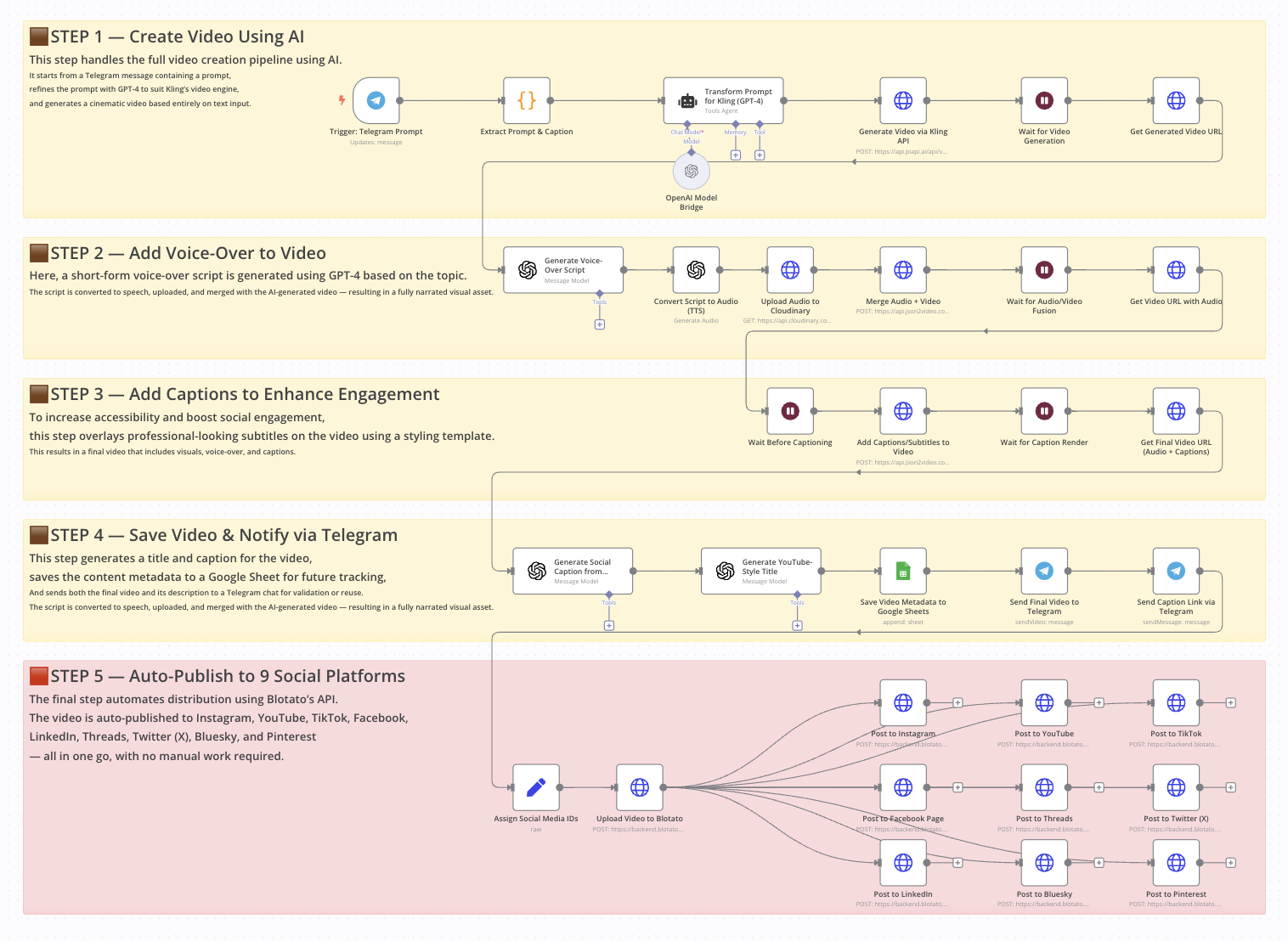
Artificial intelligence has become an indispensable tool for scaling social media efforts efficiently. Currently, AI can assist with content ideation, drafting social media captions, generating ad copy, and even suggesting optimal visual elements. AI-powered analytics platforms provide deeper insights into audience sentiment and emerging trends, allowing for hyper-targeted campaigns.
Beyond content creation, AI tools are increasingly used for automated scheduling at peak engagement times, audience segmentation for precise targeting, and even powering chatbots for instant customer service and lead qualification. Integrating AI streamlines workflows, enhances personalization, and frees up human strategists for higher-level creative and strategic tasks.
Community Engagement and Relationship Building
Moving beyond simply broadcasting messages, fostering a vibrant community is vital for sustained social media growth. Actively engage with your audience by responding promptly to comments, messages, and mentions. Encourage discussions, ask questions, and run polls to make your followers feel heard and valued.
Humanize your brand by sharing behind-the-scenes content, introducing team members, and celebrating customer successes. Creating exclusive groups or forums can further deepen connections, transforming passive followers into loyal advocates and a powerful source of user-generated content and referrals.
Paid Social Amplification and Targeting
While organic reach remains important, strategic paid social media amplification is essential for accelerating growth and reaching specific, high-value audiences. Allocate your budget across platforms based on where your target audience is most active and where your objectives can be most efficiently met.
Leverage the precise targeting capabilities offered by platforms, including demographics, interests, behaviors, and custom audiences for retargeting. Continuously A/B test ad creatives, copy, and landing pages to optimize performance, closely monitoring key metrics like ROAS (Return on Ad Spend) and adjusting campaigns in real-time to maximize efficiency.
Measuring ROI and Adapting Your Strategy
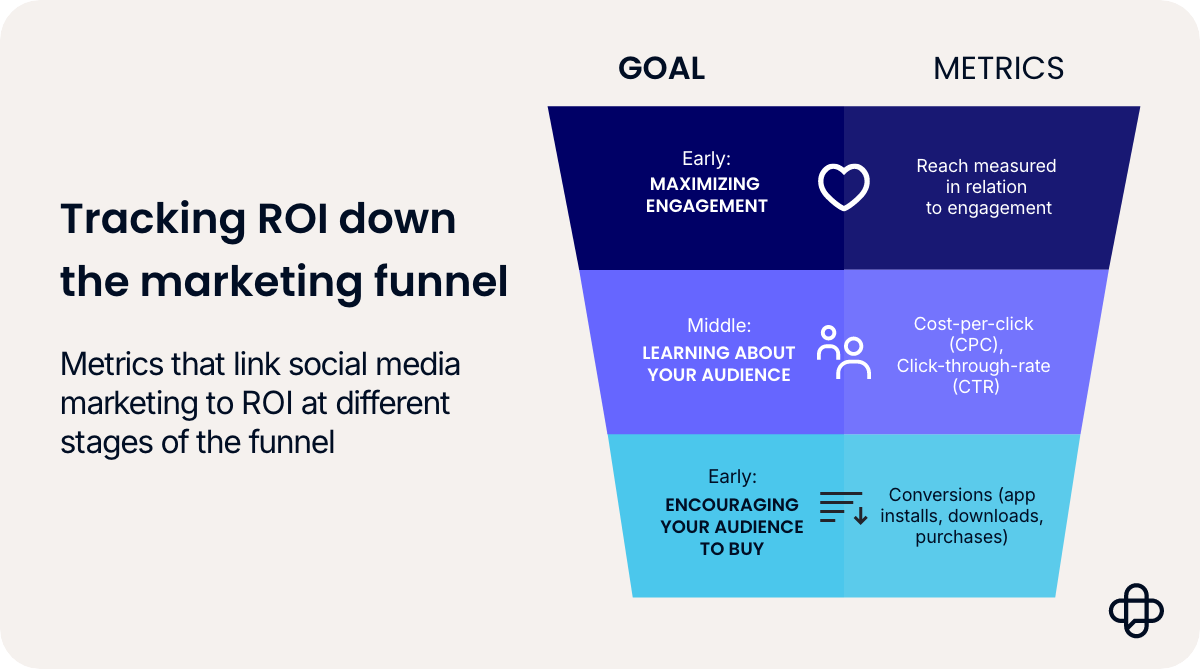
To truly master social media growth, you must consistently measure the return on investment (ROI) of your efforts. Track key performance indicators (KPIs) such as conversion rates, cost per lead (CPL), customer acquisition cost (CAC), and brand sentiment shifts. Utilize attribution models to understand how social media contributes to your overall revenue generation.
Regularly review your performance against your initial SMART goals. The social media landscape is fluid, so be prepared to adapt your strategies based on data insights, market shifts, and new platform features. Agility and a commitment to continuous improvement are critical for long-term success.
Future-Proofing Your Social Media Growth
As we look ahead, future-proofing your social media strategy involves staying abreast of emerging technologies and evolving user expectations. This includes exploring potential integrations with nascent platforms or technologies like advanced augmented reality (AR) filters and ethical considerations around data privacy and AI usage.
Invest in continuous learning for your marketing team to ensure they are equipped with the latest skills and knowledge. Ultimately, maintaining brand authenticity, fostering genuine connections, and demonstrating adaptability will be key to navigating future changes and sustaining robust social media growth.


Leave a Comment