

Introduction: The New Era of Campaign Optimization
In the dynamic landscape of digital marketing, the ability to optimize campaigns effectively is paramount for business growth and sustained revenue. As marketing channels proliferate and customer journeys become increasingly complex, traditional manual optimization methods often fall short. This is where Artificial Intelligence (AI) tools have emerged as indispensable assets, transforming how marketers approach strategy, execution, and analysis.
Today, AI is not merely a futuristic concept but a practical reality, offering sophisticated capabilities to process vast datasets, identify intricate patterns, and automate decision-making at speeds impossible for human teams. For businesses leveraging platforms like MarketingPlux, understanding and integrating these AI tools is crucial for staying competitive, enhancing campaign performance, and ultimately maximizing return on investment (ROI).
The Core Pillars of AI-Driven Campaign Optimization
AI’s impact on campaign optimization is fundamentally built upon three core pillars: advanced data analysis, predictive modeling, and intelligent automation. These capabilities allow marketers to move beyond reactive adjustments to proactive, data-informed strategies. AI tools can ingest data from diverse sources—CRM, website analytics, ad platforms, social media—and synthesize it into actionable insights, revealing opportunities and potential pitfalls that might otherwise remain hidden.
Predictive modeling, powered by machine learning algorithms, enables businesses to forecast campaign performance, customer behavior, and market trends with remarkable accuracy. This foresight allows for strategic resource allocation and proactive adjustments before issues escalate. Coupled with intelligent automation, AI can execute these adjustments, from optimizing ad bids to personalizing content delivery, ensuring campaigns operate at peak efficiency around the clock.
Enhanced Audience Targeting and Segmentation
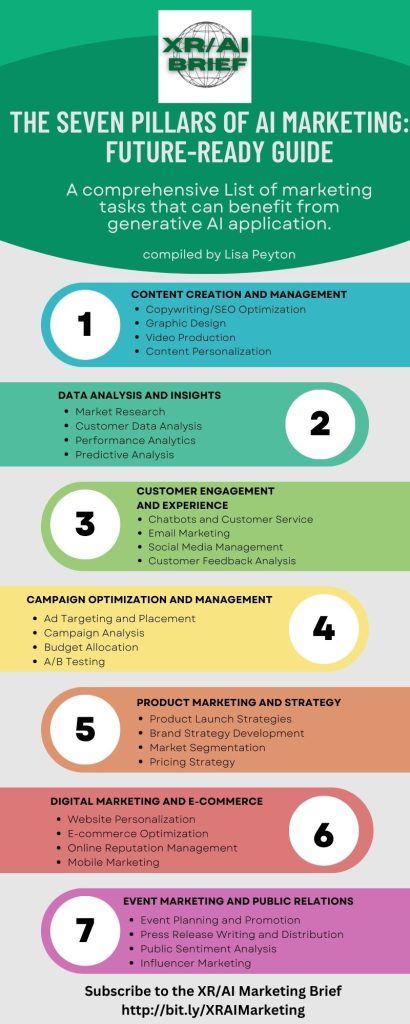
One of the most significant advancements AI brings to campaign optimization is its ability to refine audience targeting and segmentation. Traditional methods often rely on broad demographic data, which can lead to inefficient ad spend. AI tools, however, analyze behavioral data, purchase history, online interactions, and even psychographic indicators to create hyper-specific audience segments.
These AI-driven insights allow for the identification of high-value customer segments and the creation of highly effective lookalike audiences. By understanding subtle nuances in customer preferences and intent, marketers can tailor messages and offers with unprecedented precision, ensuring that marketing efforts reach the most receptive individuals. This precision not only improves conversion rates but also significantly reduces wasted ad impressions.
Personalized Content and Creative Optimization
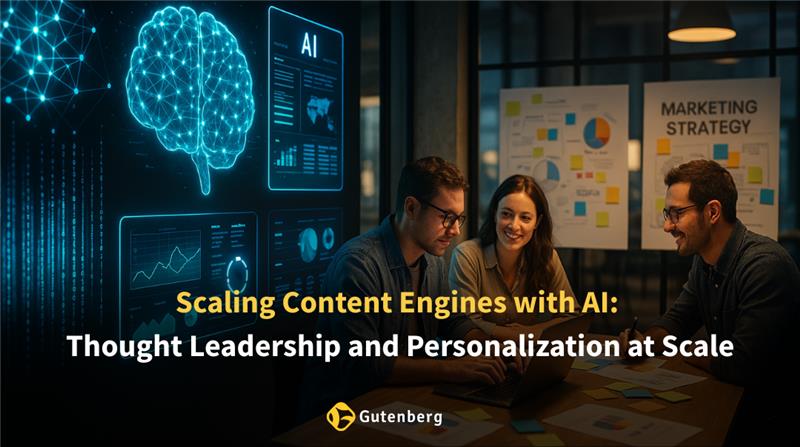
In an era of information overload, personalized content is no longer a luxury but an expectation. AI tools are revolutionizing how marketers create, deliver, and optimize content and creative assets at scale. They can analyze which creative elements—images, headlines, calls-to-action—resonate best with specific audience segments, predicting performance before a campaign even launches.
Furthermore, AI-powered content generation and dynamic content optimization platforms can automatically adapt website copy, email subject lines, and ad creatives in real-time based on user behavior and preferences. This capability allows for continuous A/B and multivariate testing across countless variations, ensuring that each user receives the most engaging and relevant message, thereby boosting engagement and conversion metrics.
Predictive Analytics for Budget Allocation and Bidding
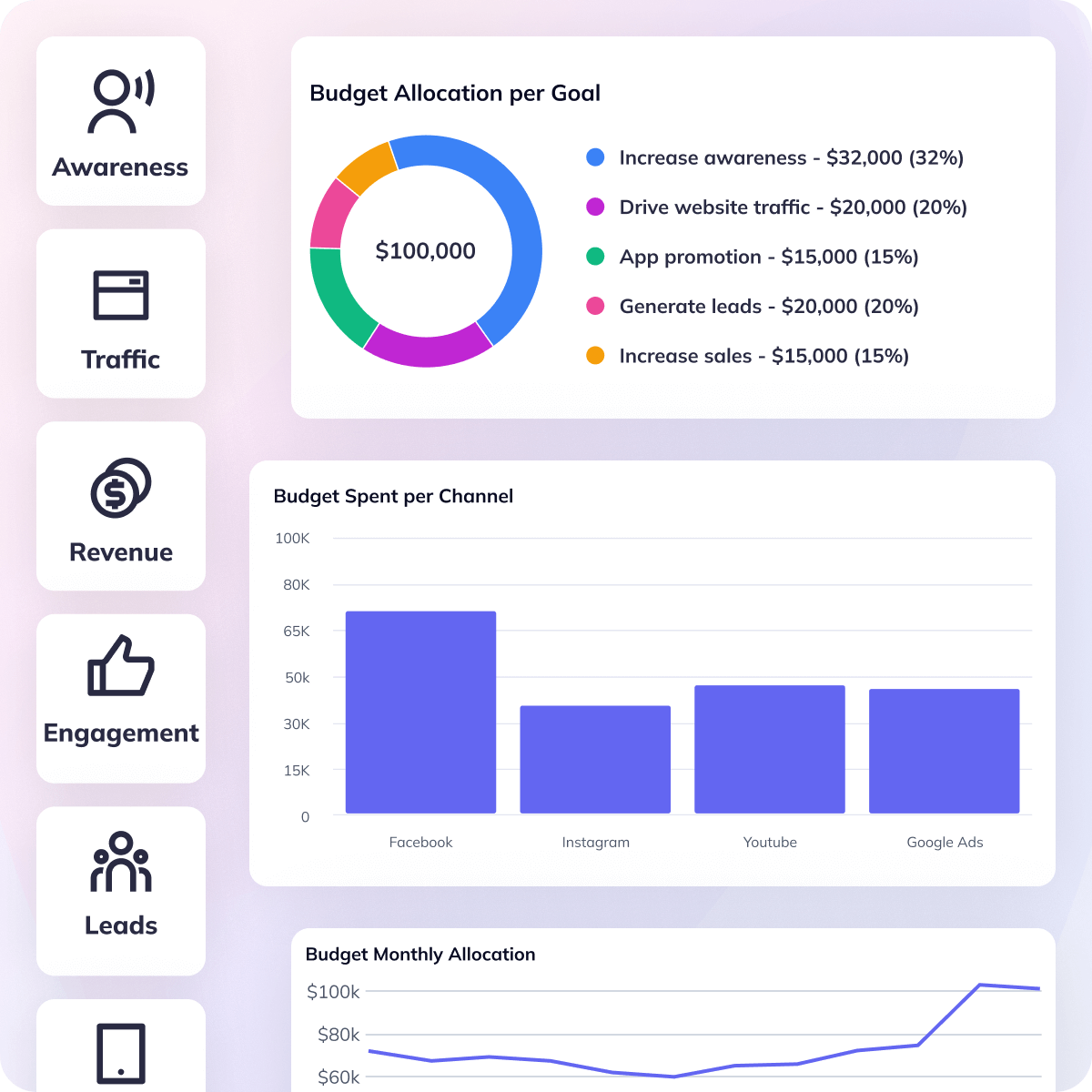
Optimizing marketing budgets and ad bidding strategies is a complex challenge, often involving numerous variables across multiple platforms. AI tools excel in this domain by leveraging predictive analytics to forecast the most effective allocation of resources. They can analyze historical performance data, market conditions, and competitor activity to recommend optimal budget distribution across channels and campaigns.
Automated bidding algorithms, a core component of many AI marketing platforms, continuously adjust bids in real-time to achieve specific campaign goals, whether it’s maximizing conversions, impressions, or clicks within a set budget. This ensures that every dollar spent is working as hard as possible, preventing overspending on underperforming segments and redirecting funds to areas with higher potential ROI.
Real-time Performance Monitoring and Anomaly Detection
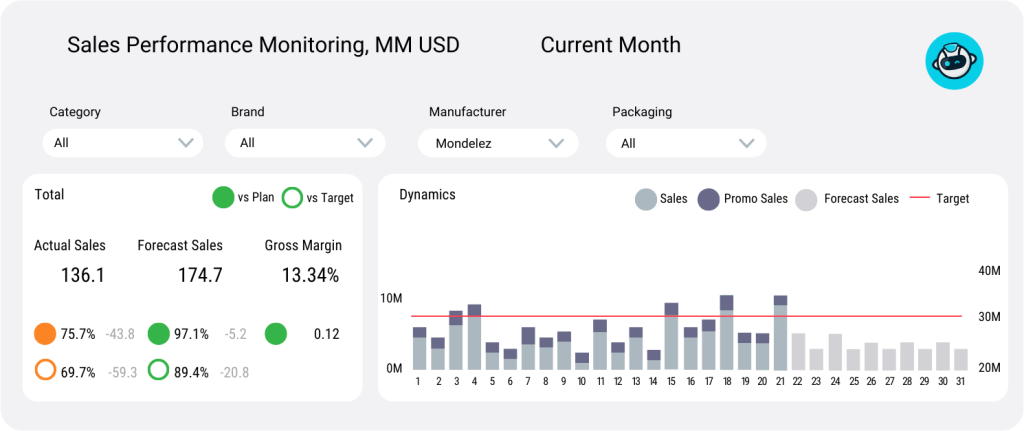
Monitoring campaign performance manually across various platforms is time-consuming and prone to human error. AI tools provide continuous, real-time surveillance of all key performance indicators (KPIs), offering an immediate overview of campaign health. Beyond simple reporting, AI excels at anomaly detection, instantly flagging unusual spikes or drops in performance that could indicate a problem or an unexpected opportunity.
When an anomaly is detected, AI systems can often provide insights into the root cause, allowing marketers to react swiftly and decisively. This proactive approach minimizes potential losses from underperforming ads or technical glitches and helps capitalize on sudden positive trends. Automated alerts and customizable dashboards ensure that marketing teams are always informed and can intervene precisely when needed.
Streamlining A/B Testing and Experimentation
A/B testing is fundamental to optimization, but traditional methods can be slow and limited in scope. AI tools significantly streamline and enhance the experimentation process, enabling marketers to conduct multivariate tests with far greater efficiency and depth. AI can automatically generate hypotheses, design complex test variations, and even determine optimal sample sizes for statistically significant results.
Furthermore, AI algorithms can analyze test results much faster than human analysts, identifying winning variations and providing actionable recommendations for implementation. This accelerates the learning cycle, allowing businesses to iterate on their campaigns more rapidly and continuously improve performance. The ability to test more variables simultaneously and interpret results quickly leads to faster optimization and sustained growth.

Integrating AI into Your Existing Marketing Stack
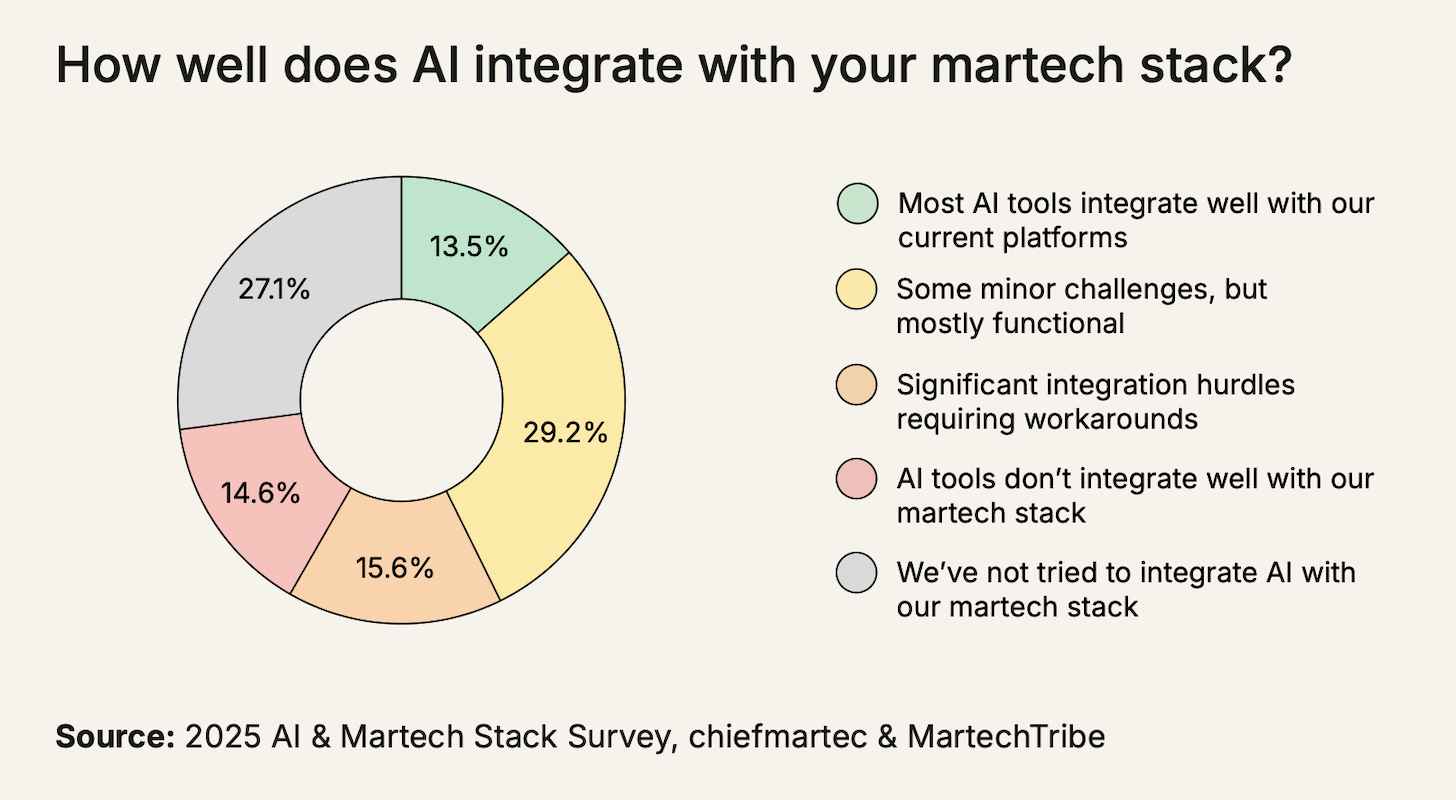
Adopting AI tools doesn’t necessitate a complete overhaul of your existing marketing infrastructure. Many AI solutions are designed for seamless integration with popular CRM systems, ad platforms, and analytics tools. The key to successful integration lies in ensuring data quality and establishing clear data flows between systems. Start by identifying specific pain points in your current campaigns that AI can address, such as audience segmentation or ad bidding.
Begin with a pilot project to test the efficacy of an AI tool on a smaller scale, gathering data and demonstrating tangible results before broader implementation. Crucially, invest in training your marketing team to understand how to work alongside AI, interpreting its insights and leveraging its automation capabilities. A collaborative approach, where AI augments human expertise, yields the most powerful outcomes.
Navigating the Evolving Landscape of AI-Powered Marketing
The trajectory of AI in marketing campaign optimization continues to accelerate, promising even more sophisticated capabilities in the near future. We can anticipate further advancements in autonomous campaign management, where AI systems will not only optimize but also initiate and adapt entire campaign strategies with minimal human intervention. Hyper-personalization, driven by deeper AI understanding of individual customer journeys, will become the norm, creating truly unique experiences.
As AI becomes more embedded, ethical considerations around data privacy and algorithmic bias will also gain prominence, requiring marketers to prioritize transparency and responsible AI deployment. Businesses that proactively embrace these evolving AI capabilities, focusing on continuous learning and strategic integration, will be best positioned to unlock unprecedented levels of efficiency, engagement, and profitability in their marketing endeavors.


Leave a Comment